If you’re looking for heart-pounding action under open skies, India isn’t just about temples and beaches-it’s one of the most underrated adventure hubs on Earth. From roaring rivers in the Himalayas to silent cliffs in the Western Ghats, the country offers raw, unfiltered thrills that don’t need fancy gear or expensive resorts to feel real. You don’t need to fly to Nepal or New Zealand to get your adrenaline fix. Some of the most intense, affordable, and unforgettable adventure experiences happen right here.
Manali and Himachal Pradesh: The Himalayan Playground
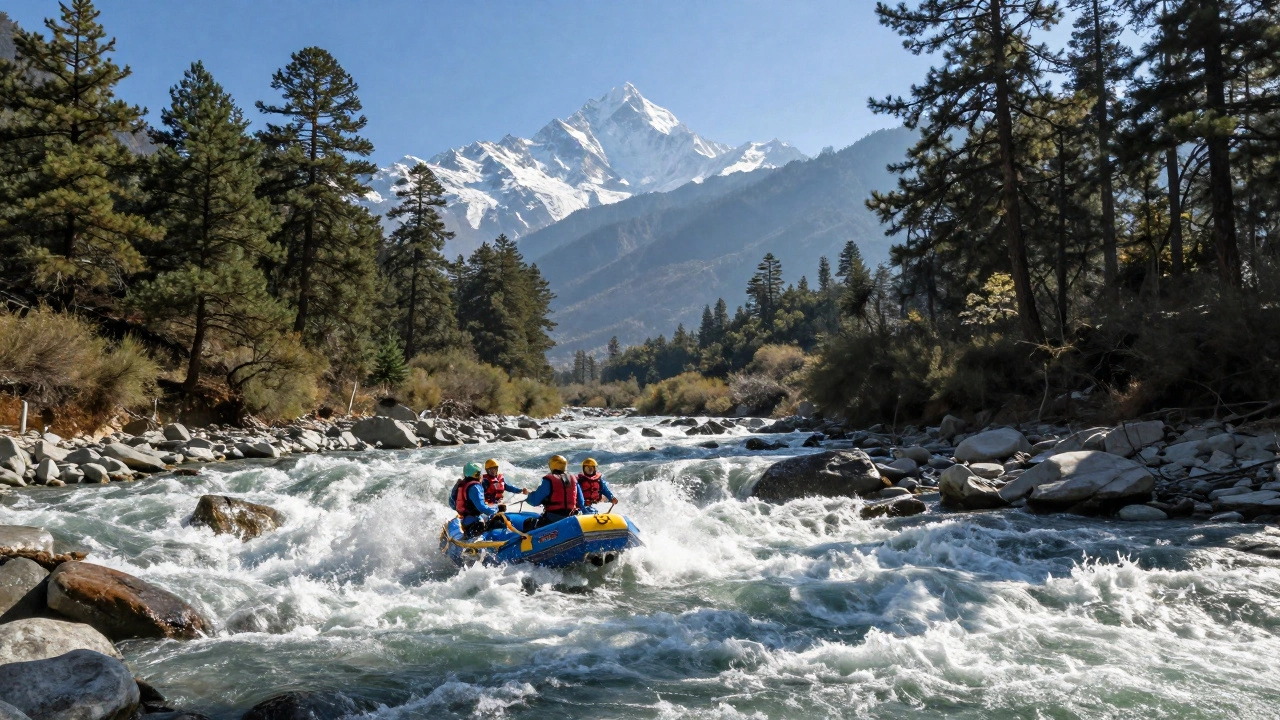
Manali isn’t just a quiet hill station with cozy cafes. It’s the launchpad for some of India’s most dangerous and rewarding adventure sports. White-water rafting on the Beas River runs through Class III to IV rapids, especially between Pirdi and Jhiri. In winter, the water drops, but the intensity doesn’t. By spring, snowmelt turns it into a wild ride that even experienced rafters treat with respect.
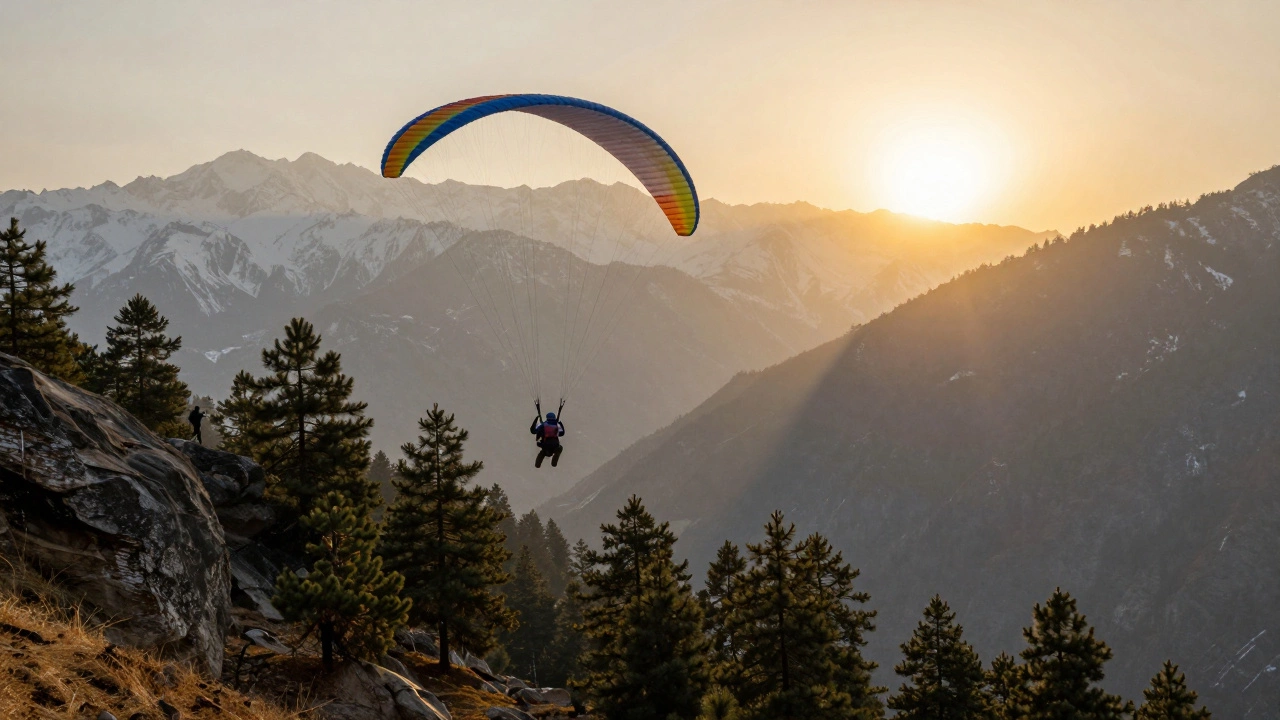
Paragliding here isn’t a tourist photo op. At Solang Valley, you launch from 2,500 meters and glide over pine forests and snow-capped peaks. The wind patterns are reliable, and the drop is 1,200 meters. Most flights last 15 to 20 minutes. If you’ve never flown before, go with a certified operator like Skywalk Paragliding-they’ve been doing this since 2008 and have a 99.8% safety record.
Rock climbing on the cliffs near Manali’s Naggar Castle uses natural granite faces with fixed anchors. No need for chalk bags or fancy harnesses-just a helmet, a rope, and the will to push past fear. Local guides like Raju from Himalayan Expeditions know every crack and ledge.
Rishikesh: The Yoga Capital That Also Rips
Don’t let the incense and chanting fool you. Rishikesh is where India’s adventure scene exploded. The Ganges here isn’t sacred water for rituals-it’s a Class II to IV rafting course that cuts through narrow gorges. Operators like Ramganga Adventures run trips from Kaudiyala to Rishikesh, covering 16 kilometers of churning water. The most popular route? The 16-kilometer stretch that includes the famous ‘Roller Coaster’ rapid.
Canoeing and kayaking are quieter alternatives. You can paddle solo through calm stretches between rapids, passing ashrams and monkeys. If you’re up for something extreme, try bungee jumping from the 83-meter-high bridge near Mohan Chatti. It’s India’s highest. The free fall lasts 4.5 seconds. Your heart stops. Then you bounce.
Mountain biking down the steep roads from Rishikesh to Haridwar is another hidden gem. The descent is 18 kilometers with sharp turns, loose gravel, and zero guardrails. Locals do it in flip-flops. You? Bring gloves, a helmet, and brakes that work.
Goa: More Than Beach Parties
Goa’s reputation for parties hides a serious adventure side. The Western Ghats behind the beaches are perfect for rock climbing. Anjuna’s cliffs have limestone routes with grades from 5.6 to 5.12. You don’t need to bring your own gear-shops in Anjuna rent harnesses, shoes, and ropes for under ₹500 a day.
Scuba diving here isn’t for coral reefs like the Maldives. It’s for shipwrecks. The MV Kommandor, a 1980s freighter sunk on purpose in 2002, now sits at 18 meters depth off Grande Island. It’s covered in anemones and home to barracudas. Dives are done by certified operators like Scuba Caribe. You need an open water certification, but they offer one-day courses if you’re certified elsewhere.
Jet skiing and parasailing are common, but the real thrill? Kite surfing at Palolem Beach. The monsoon winds from June to September hit 20-25 knots. Local instructors like Arjun from Kite Goa teach beginners in two-hour sessions. You’ll be up on the board by the end of the day.
Ladakh: High-Altitude Madness
If you think adventure means green valleys and mild climbs, Ladakh will reset your definition. At 3,500 meters above sea level, the air is thin. Your body struggles. That’s the point.
Mountain biking from Leh to Nubra Valley is a 140-kilometer ride over Khardung La Pass-the world’s highest motorable road at 5,359 meters. You climb for 5 hours. Then you descend into sand dunes and icy streams. Most riders take two days. You need a bike with wide tires, layers of clothing, and a hydration pack.
White-water rafting on the Zanskar River is legendary. The ‘Chadar Trek’ gets all the attention, but rafting the Zanskar in April is colder, wilder, and more dangerous. Ice floes smash into your boat. The water is near freezing. Only expert operators like Zanskar River Expeditions run trips here, and they require a medical clearance form.
For those who want to stay dry, try ice skating on frozen lakes near Pangong Tso. The surface is smooth, the silence is deafening, and the temperature is -15°C. It’s not a sport-it’s a spiritual experience.
Coorg and Karnataka: Jungle Adventures
Coorg’s misty coffee plantations hide some of India’s most intense off-road adventures. River tubing down the Barapole River is a wild ride. You float in an inflatable tube through narrow gorges, past waterfalls and monkeys. The water is cold, the current is strong, and you’ll get soaked. Most tours last 2 hours and cost ₹800.
Zip-lining through the canopy at Nishani Motte is another standout. The longest line stretches 400 meters, 30 meters above the forest floor. You glide past treetops with views of the Brahmagiri Hills. Operators like Coorg Adventure Park use steel cables and dual safety harnesses.
For true survival thrills, try night jungle trekking. Led by tribal guides from the Kodava community, these hikes take you into dense forests where leopards roam. You carry a flashlight, listen for footsteps, and learn how to track animals by smell and sound. No weapons. Just nerves and curiosity.
Andaman and Nicobar: Underwater Thrills
These islands are India’s best-kept secret for underwater adventure. Snorkeling at Havelock Island’s Elephant Beach is easy-clear water, coral gardens, and sea turtles that swim right up to you. But scuba diving here? That’s where it gets serious.
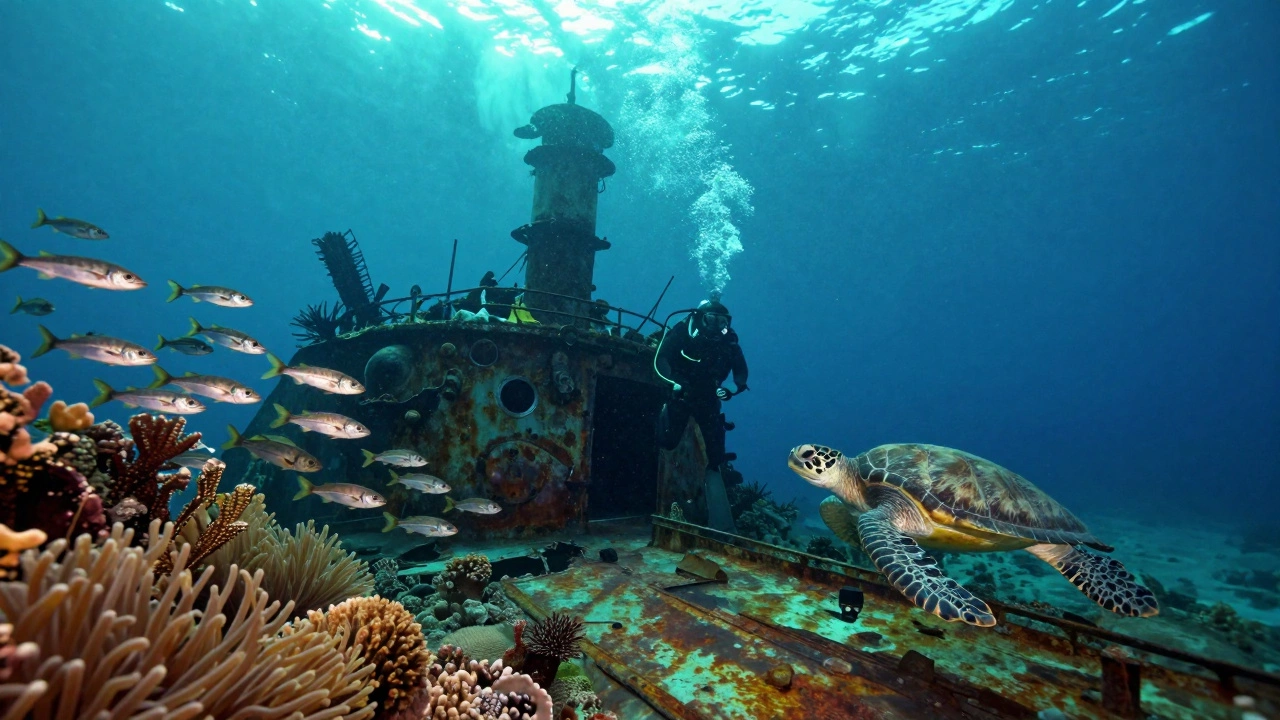
The wreck of the SS British Sergeant lies 25 meters down near Neil Island. It’s a 70-meter-long cargo ship sunk in 1942. It’s now a reef teeming with groupers, moray eels, and octopuses. Divers report seeing sharks here, too-mostly reef sharks, but sometimes silvertips.
Sea walking is another option. You wear a helmet that lets you breathe on the ocean floor while walking around coral beds. No certification needed. Just a 10-minute briefing. It’s surreal. You feel like you’re in an aquarium.
For the extreme, try deep-sea diving at Barren Island, India’s only active volcano. The dive is only open from November to March. The water is dark, the currents are strong, and the heat from the volcano warms the sea around you. Only three operators in India offer this-and all require advanced certification.
What You Need Before You Go
Adventure in India isn’t like booking a hotel. It’s about preparation.
- **Insurance matters.** Most operators require proof of travel insurance that covers high-risk activities. Check if yours includes evacuation.
- **Weather changes fast.** Monsoons shut down rafting in July. Winter freezes rivers in Ladakh. Plan your trip around the season.
- **Local guides aren’t optional.** They know the river’s hidden rocks, the cliff’s weak holds, the wind’s pattern. Pay extra for them.
- **Gear rental is cheap.** You don’t need to buy a wetsuit or helmet. Most places rent gear for under ₹1,000 per day.
- **Don’t rush.** One adventure a day is enough. Your body needs time to recover-especially at altitude.
Final Thought: Adventure Isn’t About the Jump
The best moments aren’t the ones you post online. They’re the quiet ones-sitting on a rock after a climb, watching the sun set over the Himalayas, listening to the river roar below. India’s adventure spots don’t just test your body. They reset your mind.
You don’t need to be an athlete. You just need to show up. The rest? The mountains, rivers, and wind will take care of it.
What’s the best time of year for adventure sports in India?
The best time depends on the activity. For Himalayan adventures like trekking, rafting, and paragliding, October to March is ideal-cool, dry, and stable. In Goa and Karnataka, the adventure season runs from November to May, avoiding monsoon rains. For Ladakh, June to September is the only window when roads are open. Andaman’s diving season is November to April.
Do I need experience to try adventure sports in India?
No. Most popular spots offer beginner-friendly options. Paragliding in Manali, river tubing in Coorg, and sea walking in Andaman require no prior experience. Operators provide training and safety gear. But for activities like deep-sea diving, ice rafting in Zanskar, or high-altitude biking, you’ll need certification or proof of fitness. Always ask about skill levels before booking.
Are adventure sports in India safe?
Safety varies by operator. Reputable companies follow international standards-use certified guides, check equipment, and ask about accident records. Avoid street vendors offering ‘cheap’ paragliding or rafting. Stick to businesses with 5+ years of operation and visible safety certifications. India has no national regulation for adventure sports, so your choice of operator makes all the difference.
How much does adventure sports cost in India?
Prices are low compared to global standards. Paragliding: ₹1,500-₹2,500. Rafting: ₹1,200-₹2,000 for 10-16 km. Bungee jumping: ₹3,500. Scuba diving: ₹4,000-₹6,000 per dive. Most gear is included in the price. You can do multiple activities for under ₹10,000 over a week.
Can I do adventure sports solo in India?
Yes, but only if you’re experienced. Most high-risk activities require a guide or group. Solo trekking in the Himalayas or solo diving in Andaman is not recommended unless you’re a pro with local knowledge. Even then, always inform someone of your plans. India’s terrain is unpredictable-don’t risk it alone.