Radhanagar Beach Visit Planner
Plan Your Visit to Radhanagar Beach
Your Radhanagar Beach Visit
Crowd Level
Recommendation
If you’ve ever scrolled through photos of crystal-clear water, powdery white sand, and palm trees swaying over quiet shores, you’ve probably wondered: which is the No 1 best beach in India? The answer isn’t just about pretty views. It’s about the full experience - the water temperature, the quiet, the safety, the lack of crowds, and whether you can actually relax without being sold something every five minutes.
There are over 7,500 kilometers of coastline in India. You’ve got beaches in Kerala that smell of coconut and salt, beaches in Goa that pulse with music at sunset, and beaches in Odisha where pilgrims walk barefoot at dawn. But only one beach consistently wins the trust of travelers, locals, and travel magazines alike - and it’s not the one you might expect.
Radhanagar Beach: The Quiet Winner
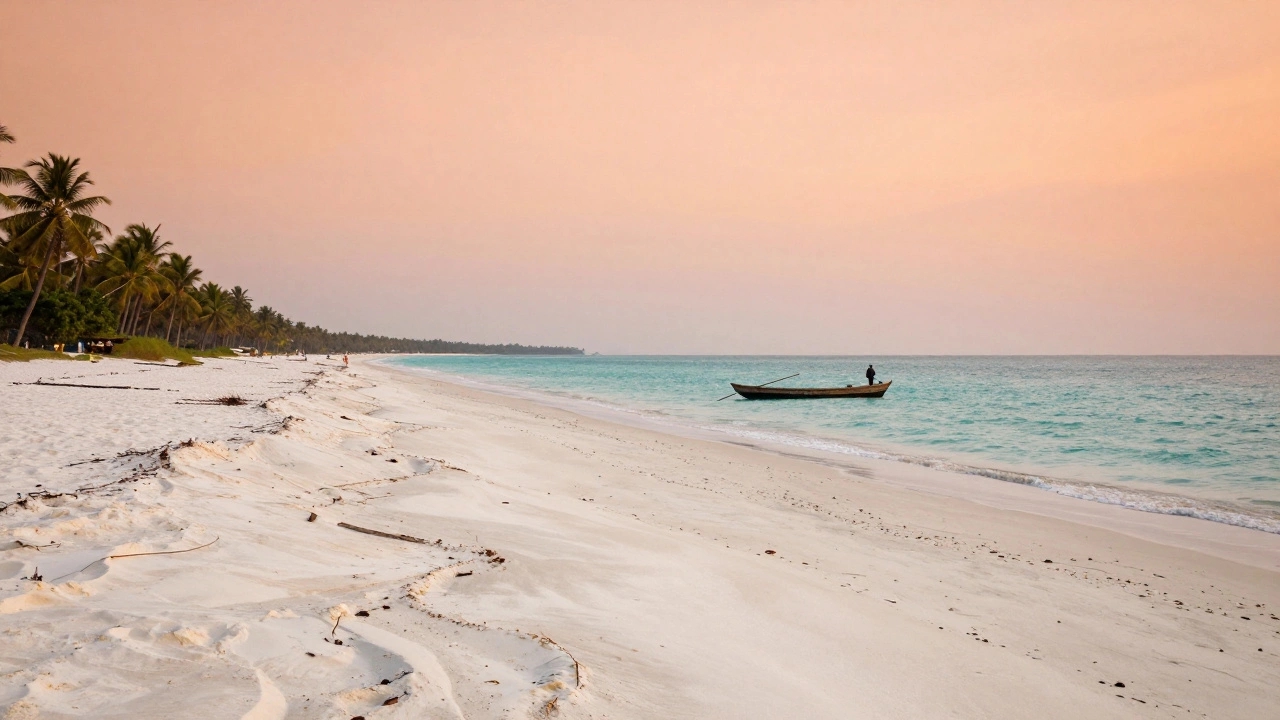
Radhanagar Beach, on Havelock Island in the Andaman and Nicobar Islands, isn’t the biggest, nor the most famous. But it’s the one that leaves people speechless. It’s been named Asia’s best beach by Time Magazine and ranked among the top 10 beaches in the world by Forbes. That’s not marketing fluff - it’s what real visitors say after they’ve been there.
The sand here isn’t just white - it’s fine, almost like powdered sugar, and stays cool even under the midday sun. The water is a gradient of turquoise and deep blue, clear enough to see your toes from three feet up. There’s no loud music, no jet skis buzzing past, and no vendors pushing sunglasses or coconut water. Just waves, wind, and the occasional fisherman rowing back to shore.
Swimming here is safe. The tide is gentle, and there are no strong undercurrents. Families with kids, solo travelers, and couples all come here for the same reason: peace. You can walk for over a kilometer along the shore without passing another person. At sunset, the sky turns orange and pink, and the water reflects it like a mirror. No filter needed.
Why Other Beaches Don’t Quite Match Up
Goa’s Baga and Calangute beaches? They’re fun - crowded, loud, and full of parties. Great if you want to dance until 2 a.m. and eat grilled seafood from a plastic stool. But if you’re looking for quiet, solitude, or natural beauty without the noise, they’re not the answer.
Palolem Beach in Goa is quieter, yes. But even there, you’ll find yoga retreats selling massages, beach clubs opening by noon, and Instagrammers staging their third photo shoot of the day. It’s beautiful, but it’s become a scene.
Kerala’s Kovalam Beach? Popular with international tourists, especially from Europe. The water is warm, the cliffs are scenic, and the Ayurvedic spas are top-notch. But the beach itself is narrow, lined with hotels, and often busy. You’re paying for comfort, not isolation.
And then there’s Marina Beach in Chennai - the longest urban beach in the world. It’s iconic, yes. But it’s packed with families, street vendors, and street performers. You can’t even sit down without someone offering you a toy or a photo.
Radhanagar doesn’t compete on scale or spectacle. It wins on purity.
Getting There Isn’t Easy - But That’s the Point
You can’t drive to Radhanagar. You need to fly to Port Blair, then take a 2.5-hour ferry to Havelock Island. The ferry isn’t luxury - it’s functional, with plastic seats and open decks. But that’s part of the journey. It separates the curious from the committed.
Once you’re on the island, you rent a scooter or hire a taxi. The road to Radhanagar is bumpy, winding, and lined with jungle. There’s no sign that says “World’s Best Beach.” Just a dirt path, a few wooden stalls selling fresh juice, and then - the beach opens up.
The lack of easy access is why it’s still untouched. No big hotel chains have moved in. No all-inclusive resorts have been built. The few guesthouses here are run by local families. You’ll find simple rooms with ceiling fans, no AC, and a view of the sea. That’s it. And that’s enough.
What Makes It More Than Just a Beach
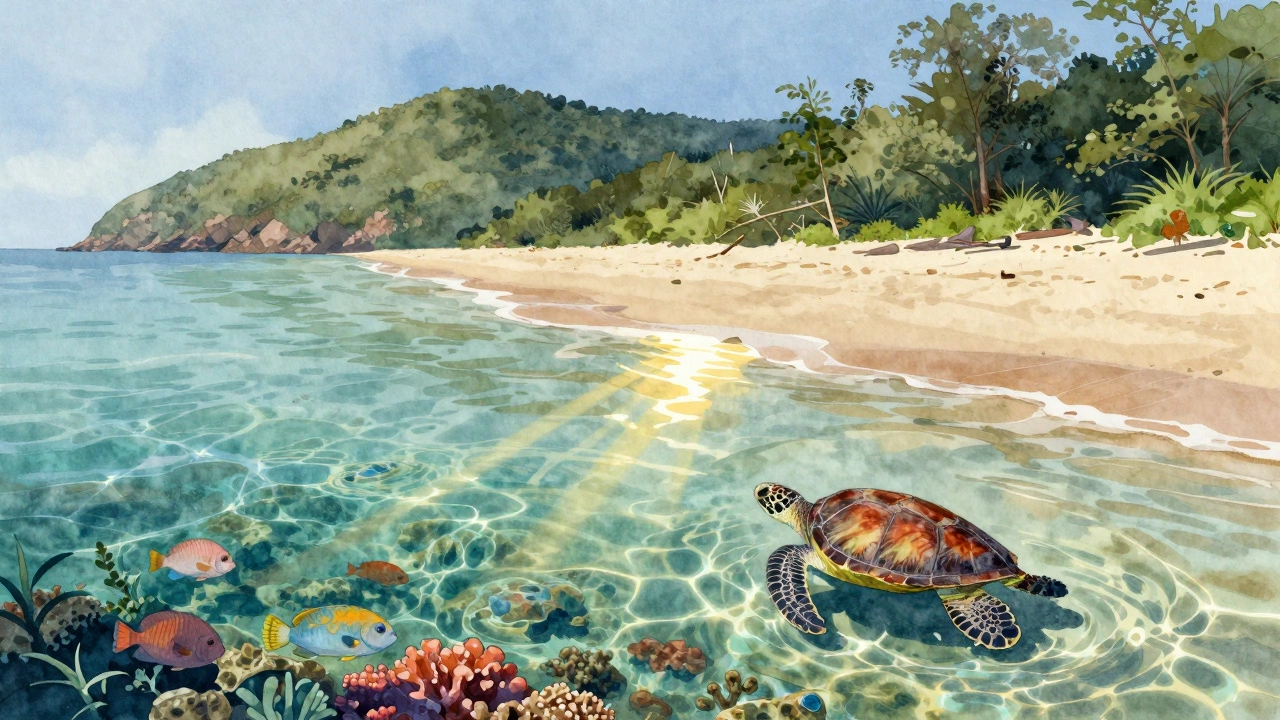
Radhanagar isn’t just a place to sunbathe. It’s a place to reconnect. Snorkeling just 50 meters offshore, you’ll see parrotfish, sea turtles, and coral reefs that haven’t been damaged by tourism. The water is so clear you can count the fingers on a diver’s hand from above.
At low tide, you can walk out to a small sandbar that appears like magic. Locals call it “Dolphin Point” because you sometimes see them swimming nearby. No one charges you to go there. No one even knows how many people visit it each day.
There’s no Wi-Fi on the beach. No phone signal. You can’t post your photos live. And for once, that’s a relief. People who come here don’t leave with a full camera roll. They leave with a full heart.
When to Go - And What to Pack
The best time to visit Radhanagar is between November and March. The weather is dry, the sea is calm, and the skies are clear. April to June gets hot and humid. July to October is monsoon season - the beach is beautiful in the rain, but swimming is dangerous and ferries often cancel.
Pack light: swimwear, reef-safe sunscreen (chemical sunscreens are banned here to protect coral), a hat, a towel, and a good book. Leave the drone at home - it’s not allowed without a permit. Bring cash. There are no ATMs on the beach. And if you want to eat, try the grilled fish at the local shacks - it’s caught that morning and cooked over coconut wood.
Is It Worth the Trip?
If you’ve been to 10 beaches in India and still haven’t found one that feels like a secret, Radhanagar is your answer. It’s not the most Instagrammed. It’s not the most luxurious. But it’s the only one that feels like it hasn’t been touched by mass tourism.
Other beaches give you a vacation. Radhanagar gives you a moment - a pause in a noisy world. You don’t come here to check a box. You come here to remember what silence sounds like.
That’s why, after decades of travel reviews, local stories, and traveler testimonials, Radhanagar Beach remains the No 1 best beach in India. Not because it’s perfect. But because it’s real.
Frequently Asked Questions
Is Radhanagar Beach safe for swimming?
Yes, Radhanagar Beach is one of the safest beaches in India for swimming. The currents are mild, the water is shallow near shore, and there are no dangerous marine animals. Lifeguards aren’t stationed here, but the natural conditions make it low-risk. Always check the tide and avoid swimming during heavy rain or monsoon season.
Can I visit Radhanagar Beach as a day trip?
Technically yes, but it’s not recommended. The ferry ride from Port Blair takes 2.5 hours each way, and you’ll spend most of your day traveling. To truly enjoy the beach, stay overnight. There are simple guesthouses and homestays on Havelock Island that cost under ₹1,500 per night. Waking up to the sound of waves is worth the extra cost.
Are there any facilities at Radhanagar Beach?
There are no resorts or restaurants on the beach itself. A few small shacks sell fresh coconut water, banana chips, and grilled fish. Toilets are basic but clean - concrete stalls with running water. Bring your own water, snacks, and sunscreen. There’s no trash bin, so carry your waste back with you. The island has a strict no-plastic policy.
Do I need a permit to visit Radhanagar Beach?
Indian citizens don’t need a permit to visit Havelock Island or Radhanagar Beach. Foreign tourists need a Restricted Area Permit (RAP), which is now issued electronically upon arrival at Port Blair airport. The process takes 15 minutes and costs ₹500. You’ll need your passport and visa.
Is Radhanagar Beach crowded during peak season?
It gets busier between December and February, but even then, the beach is so long (over 1.5 km) that crowds spread out. You’ll find quiet spots easily if you walk 10-15 minutes from the main entrance. Unlike Goa or Kovalam, you won’t be shoulder-to-shoulder with strangers. The island limits hotel construction, so visitor numbers stay controlled.
What to Do Next
If Radhanagar sounds like your kind of place, start planning now. Flights to Port Blair fill up fast during winter. Book your ferry tickets in advance - you can do it online through the Andaman Tourism website. Pack light, leave your expectations behind, and don’t expect to post your trip online. Some places aren’t meant to be shared. They’re meant to be felt.