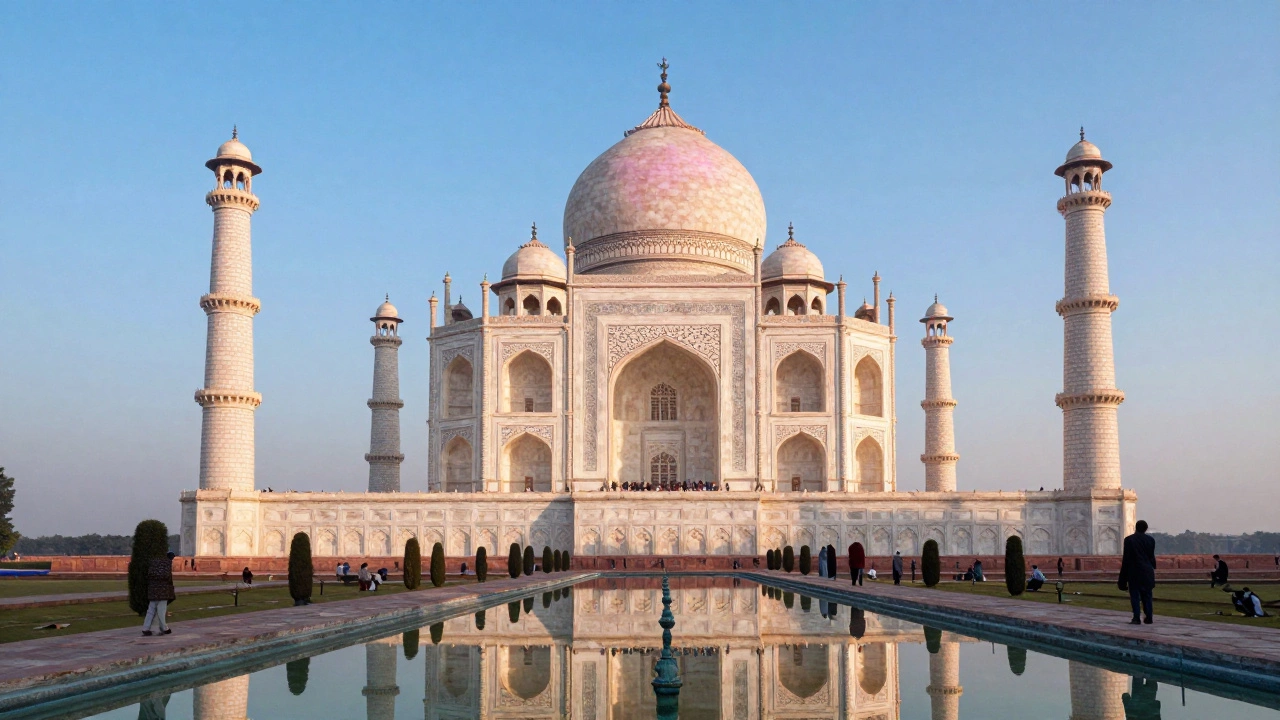
There’s a reason millions of people visit the Taj Mahal every year. But showing up at the wrong time can turn a dream trip into a sweaty, squinting, shoulder-to-shoulder slog. The difference between a magical sunrise at the Taj and a frustrating one isn’t just luck-it’s timing. So which month is truly the best to visit the Taj Mahal? The answer isn’t just about weather. It’s about light, crowds, comfort, and even the color of the marble.
October to March is the sweet spot
If you want clear skies, cool air, and a marble dome that glows golden in the morning sun, aim for October through March. This is the dry season in Agra, and it’s when the Taj Mahal looks its best. Temperatures hover between 10°C and 25°C, making walking around the complex comfortable without needing a fan or a water bottle the size of a toddler.
November and February are the twin peaks of this window. November brings the last of the monsoon’s freshness, with low humidity and crisp mornings. February is when the air is cleanest-dust from the dry season hasn’t kicked up yet, and the sky stays a brilliant blue. That’s when the white marble reflects the sunlight so perfectly, it looks like it’s lit from within.
Many travelers swear by early December. The crowds have thinned after Diwali, but the weather hasn’t turned chilly enough to make early morning visits uncomfortable. You can stand at the main gate before sunrise, watch the first rays hit the dome, and not feel like you’re in a human traffic jam.
Avoid these months like heatstroke
April to June is when Agra turns into a furnace. Daytime temperatures regularly hit 45°C, and the air feels thick enough to chew. The marble gets so hot under the sun that it radiates heat upward, making it unbearable to stand near the monument for more than a few minutes. You’ll sweat through your shirt before 9 a.m., and the lines at the water stalls will be longer than the queue for tickets.
July to September is monsoon season. Rain doesn’t make the Taj Mahal more romantic-it makes it muddy. The paths turn slippery, the gardens flood, and the humidity clings to you like a second skin. Plus, the Taj Mahal closes on Fridays for maintenance, and during monsoon, those closures happen more often due to weather damage. You might show up on a Friday only to find the gates locked.
And don’t believe the myth that rain makes the Taj look more beautiful. That’s a photo filter trick. Real rain means foggy skies, wet paths, and a marble surface that looks dull, not glowing. The Taj’s beauty comes from clean air and bright light-not dampness.
Why early morning matters more than the month
Even in the best month, visiting the Taj Mahal at noon is a mistake. The sun is directly overhead, washing out the marble’s subtle pink and cream tones. Shadows vanish. The iconic reflection in the water disappears. You’re left with a bright, flat, overexposed photo and a crowd of people all trying to take the same shot.
Go at sunrise. The gates open at 6 a.m., and the first 200 people get the place to themselves. The air is cool, the light is soft, and the marble glows with a pale pink hue that turns gold as the sun rises. You’ll see couples holding hands, photographers with tripods, and locals praying quietly-all in silence. By 8 a.m., it’s packed.
Pro tip: Book your ticket online in advance. Walk-up tickets sell out fast, even in the off-season. Use the official Archaeological Survey of India website. Pay the extra ₹50 for a guided audio tour. It’s worth it. You’ll learn why the minarets lean slightly outward (to protect the main tomb if they ever fall), and how the calligraphy changes size to look even from the ground.
Crowds aren’t just annoying-they’re predictable
Indian holidays and international school breaks turn the Taj Mahal into a theme park. Avoid these dates like the plague:
- Diwali (late October/early November)
- Christmas and New Year’s (December 20-January 5)
- Indian Independence Day (August 15)
- Republic Day (January 26)
January 26 is especially bad. Even though it’s technically winter, it’s a national holiday. Thousands of school groups, government employees, and families flood Agra. The parking lots are full by 5 a.m. The lines for security are an hour long. You’ll spend more time waiting than viewing.
Want to avoid the worst? Visit on a Tuesday or Wednesday. Weekends are packed with domestic tourists. Midweek is quieter. And if you’re flexible, aim for the first week of March. The weather is still perfect, but most tourists have already left after the winter rush. You’ll get the Taj almost to yourself.
The hidden trick: Moonlight viewing
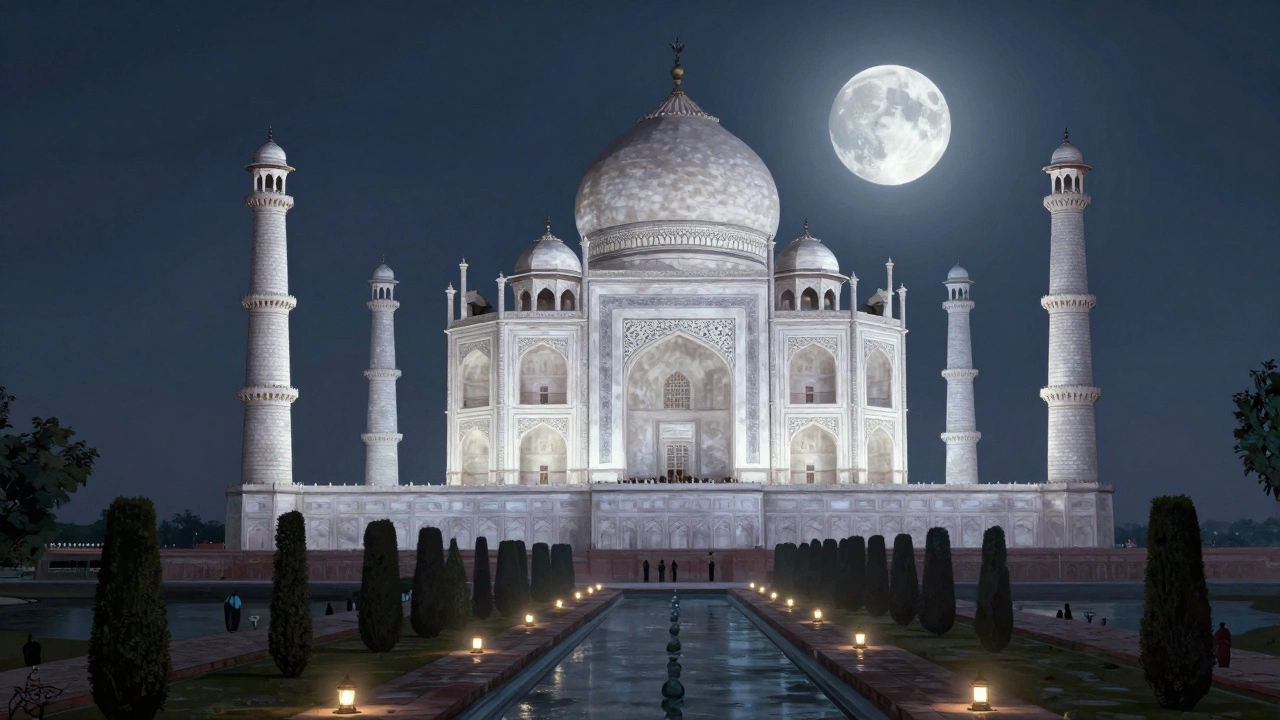
Most people don’t know the Taj Mahal opens for moonlight viewing on five nights each month-full moon night and the two nights before and after. It’s rare, it’s magical, and it’s strictly limited to 50 people per night.
Under moonlight, the marble takes on a silvery glow. The minarets look like ghostly sentinels. The gardens are lit with soft lanterns. It’s the closest thing to seeing the Taj as Shah Jahan imagined it: a monument to love, not a tourist trap.
Booking is done through the ASI website. You need to apply at least 24 hours in advance. Tickets cost ₹510 per person and sell out within minutes. If you’re planning a trip in February or March, mark your calendar. This isn’t a casual visit-it’s a once-in-a-lifetime moment.
What to pack for the perfect visit
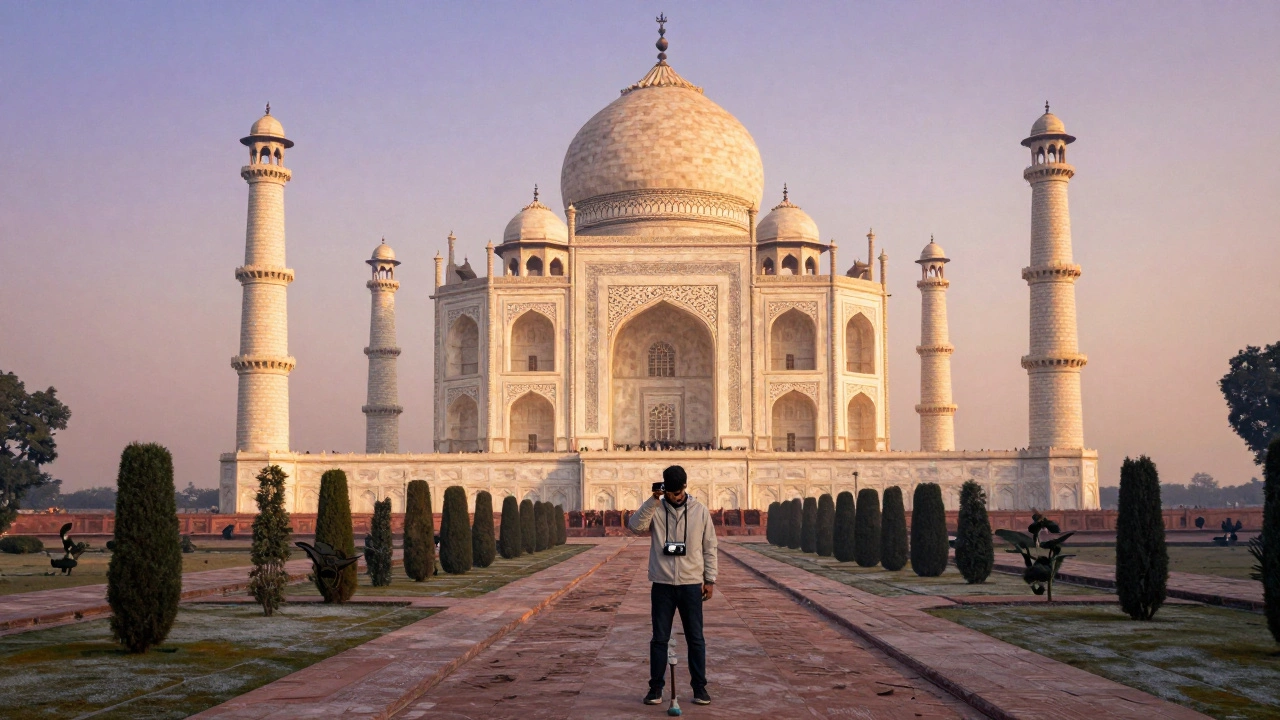
Don’t just show up in flip-flops and a t-shirt. Even in winter, mornings are chilly. Bring a light jacket or shawl. The wind picks up near the Yamuna River, and you’ll be standing still for 30 minutes while you wait for the gates to open.
Wear flat, grippy shoes. The paths are made of smooth stone and marble. You’ll slip if you wear sandals or heels. Bring a reusable water bottle-you can refill it for free at the site. And leave your drone at home. It’s banned.
Bring a small backpack, not a large suitcase. Security checks are strict. Anything bigger than a daypack gets stored for ₹10. You’ll lose time, and your phone might die while you wait.
Final tip: Stay overnight in Agra
Most people come from Delhi, do a 6-hour round trip, and leave exhausted. You’ll see the Taj, snap a few photos, and rush back to the train. But Agra has more to offer. The Agra Fort is just 2.5 km away. It’s where Shah Jahan was imprisoned and where he reportedly spent his last years staring at the Taj.
Stay overnight. Walk the riverfront at dusk. Have dinner at a local restaurant like Peshawri or Kesar Da Dhaba. Taste the famous petha candy and kebabs. Then, wake up early the next day and go back to the Taj. You’ll see it differently. You’ll feel it differently.
The best month to visit the Taj Mahal isn’t just about weather. It’s about giving yourself space-space to breathe, to think, to feel the weight of history. Choose October to March. Go early. Avoid holidays. Stay overnight. And don’t just see the Taj Mahal. Let it speak to you.
Is it better to visit the Taj Mahal in winter or summer?
Winter (October to March) is far better. Summer (April to June) is unbearably hot, with temperatures over 45°C. The marble gets so hot it radiates heat, making it uncomfortable to stand near the monument. Winter offers cool, clear days with perfect lighting for photos and comfortable walking conditions.
Can you visit the Taj Mahal at night?
Yes, but only on five nights per month-full moon night and the two nights before and after. Night viewing is limited to 50 people per night and requires advance booking through the Archaeological Survey of India website. It’s a rare, quiet, and breathtaking experience under moonlight.
What’s the best day of the week to visit the Taj Mahal?
Tuesdays and Wednesdays are the quietest days. Weekends are packed with domestic tourists, and Fridays are closed for weekly prayers. Midweek visits mean shorter lines, easier parking, and more space to enjoy the monument without crowds.
Is the Taj Mahal open during religious holidays?
Yes, but expect heavy crowds. Major holidays like Diwali, Christmas, New Year’s, Independence Day, and Republic Day bring massive numbers of Indian tourists. The site is open, but lines for entry can exceed two hours. Avoid these dates unless you’re prepared for chaos.
How early should I arrive at the Taj Mahal?
Arrive by 5:30 a.m. The gates open at 6 a.m., and the first 200 visitors get the best light and fewest people. You’ll see the marble glow in the sunrise without anyone else in your frame. After 8 a.m., the crowds build quickly.
Do I need to book tickets in advance?
Yes, especially if you’re visiting during peak season or want night viewing. Book online through the official Archaeological Survey of India website. Walk-up tickets often sell out, and you risk being turned away after a long drive to Agra.
Is the Taj Mahal worth visiting in the monsoon?
Not really. Monsoon season (July-September) brings heavy rain, muddy paths, and high humidity. The marble looks dull under cloudy skies, and the reflection in the water is often lost. Plus, the site closes more frequently for maintenance due to weather damage. Wait for dry season.
Next steps: Plan your Agra trip smart
Once you’ve picked your month, book your stay in Agra at least two weeks ahead. Options range from luxury heritage hotels like The Oberoi Amarvilas to budget guesthouses near the Taj Gate. Use a local guide for the Agra Fort and Mehtab Bagh-the garden across the river offers the best photo angle of the Taj at sunset.
Pair your visit with a day trip to Fatehpur Sikri, just 40 minutes away. It’s a ghost city built by Akbar, and it’s almost empty compared to the Taj. You’ll feel like you’ve stepped into history, not a travel brochure.
The Taj Mahal isn’t just a building. It’s a feeling. And the right month turns it from a postcard into a memory you’ll carry forever.