Puri Rath Yatra Date Calculator
The Puri Rath Yatra festival occurs based on the Hindu lunar calendar, specifically the 2nd day of the bright fortnight in the month of Ashadha. This calculator shows when the festival will take place for any given year. The festival typically occurs in June or July and is one of the largest religious gatherings on Earth.
Enter a year to see when the Puri Rath Yatra will take place.
The festival occurs based on the Hindu lunar calendar, not the Gregorian calendar. It typically falls in June or July, but exact dates vary each year.
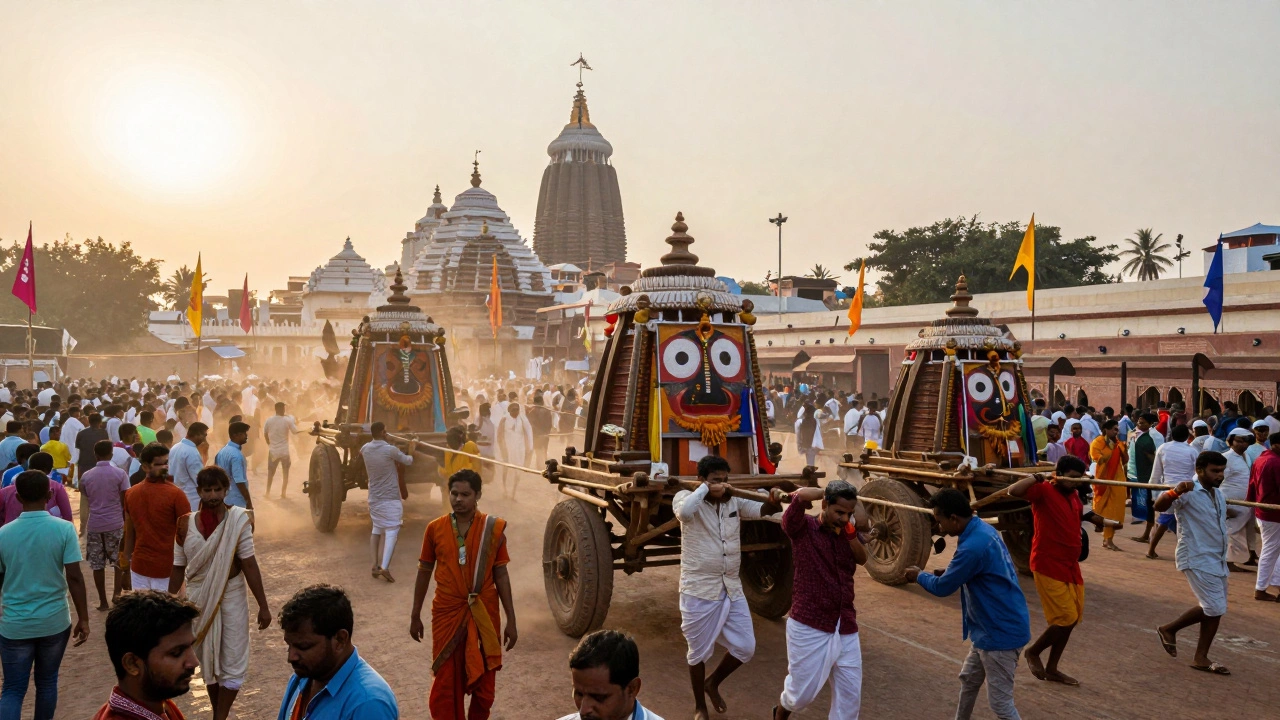
The festival involves the movement of massive chariots pulled by over 5,000 devotees, and the main event is the chariot procession from the Jagannath Temple to the Gundicha Temple.
The biggest temple festival in India isn’t just a religious event-it’s a living, breathing spectacle that moves millions. Every year, over a million people gather in Puri, Odisha, to pull massive wooden chariots through the streets, chanting, dancing, and praying. This isn’t a parade you watch from the sidelines. It’s a force of faith, culture, and history that reshapes the city for weeks. The Puri Rath Yatra is not just the largest temple festival in India-it’s one of the biggest religious gatherings on Earth.
What Makes Puri Rath Yatra the Biggest?
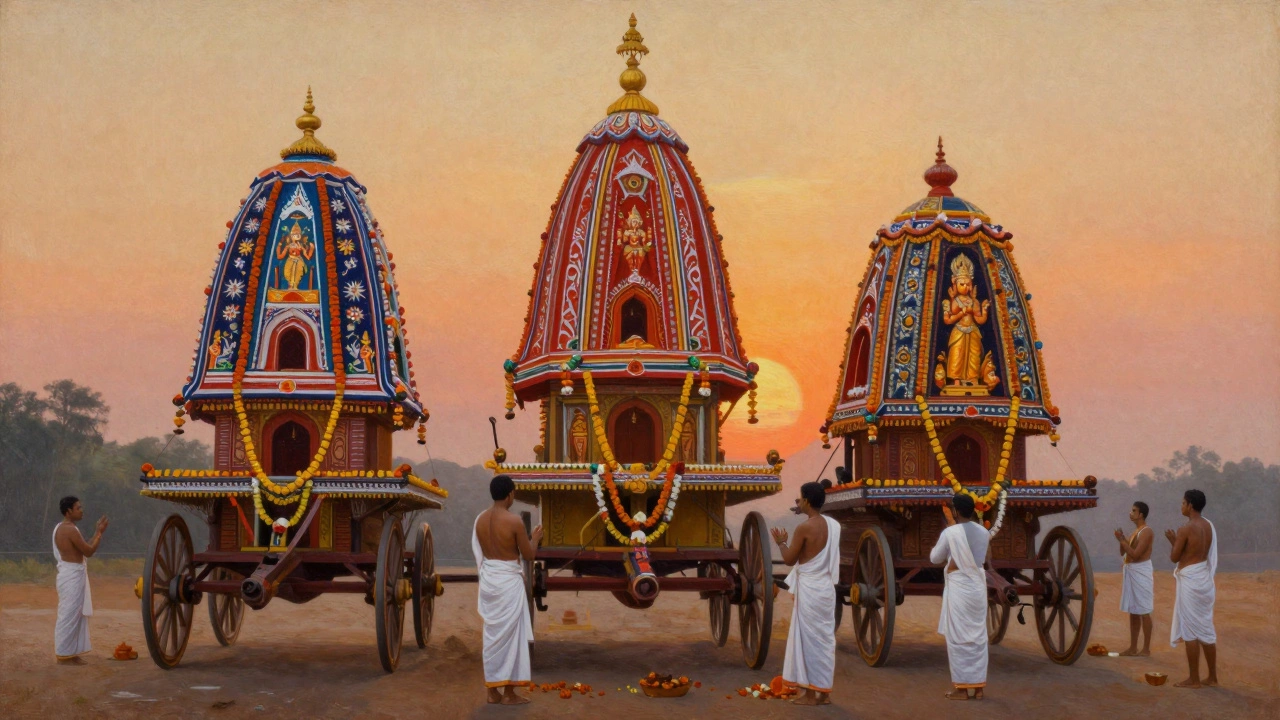
Size isn’t just about crowd numbers. The Puri Rath Yatra involves three colossal chariots, each taller than a five-story building. The main chariot, Nandighosa, stands at 45 feet high and weighs over 80 tons. It’s pulled by more than 5,000 devotees using thick ropes made of cotton and jute. The other two chariots-Darabaha and Devadalana-carry Lord Jagannath’s siblings, Balabhadra and Subhadra. Together, they travel about 3 kilometers from the Jagannath Temple to the Gundicha Temple, where they stay for nine days.
What sets this festival apart from others is the scale of participation. People from every corner of India, and even from over 50 countries, come to take part. Some walk hundreds of kilometers just to reach Puri. Others wait months just to get a chance to touch the ropes. It’s not about tourism. It’s about devotion. The belief is simple: pulling the chariot brings liberation. That’s why even world leaders, celebrities, and athletes have been seen helping pull the ropes.
The Rituals Behind the Chariots
The festival doesn’t start with the pulling. Weeks before, the deities are taken out of their inner sanctum and given a special bath called Snana Purnima. They’re then placed in isolation for 15 days while artisans carve new wooden bodies for them-a ritual called Nabakalebara. This happens only once every 12 or 19 years, depending on the lunar calendar. When it does, the old idols are replaced with new ones made from specific neem trees found in designated forests.
On the day of Rath Yatra, the chariots are decorated with colorful cloth, flowers, and flags. The priests perform elaborate rituals before the chariots are moved. Only trained temple servants, called Daitapatis, are allowed to touch the deities. But anyone can pull the ropes. That’s the beauty of it. No caste, no class, no nationality matters here. The festival breaks every social barrier. Even the Dalit community, historically excluded from temple worship, are the ones who traditionally pull the chariots. That’s a powerful statement built into the ritual itself.
How It Compares to Other Major Temple Festivals
India has dozens of massive temple festivals. The Kumbh Mela draws 100 million people over months, but it’s not tied to a single temple. The Thrissur Pooram in Kerala involves hundreds of elephants and fireworks, but it’s regional. The Brahmotsavam at Tirumala draws millions, but it’s spread over ten days with multiple events.
What makes Puri Rath Yatra unique is its combination of scale, continuity, and emotional intensity. While other festivals focus on spectacle, this one demands physical participation. You don’t just watch-you become part of the movement. The chariots don’t roll on wheels alone. They move because of human effort. Every pull is a prayer. Every step is a surrender.
By comparison, the Rath Yatra is more like a pilgrimage on wheels. It’s not about seeing the gods-it’s about helping them move. That’s why it’s bigger than any other temple festival in India.
When and Where to Experience It
The festival happens in June or July, depending on the Hindu lunar calendar. In 2025, it falls on June 28. The chariots are pulled early in the morning, so if you want to be near the front, you need to arrive by 4 a.m. The streets of Puri are packed by sunrise. There’s no ticket system. No VIP section. Everyone stands shoulder to shoulder.
If you’re planning a temple tour in India, don’t just visit the Jagannath Temple. Plan to be there during Rath Yatra. Book accommodation in Puri at least three months ahead. Hotels fill up fast. Guesthouses and ashrams offer cheaper options, but they’re basic. Bring light clothing, water, and sturdy shoes. The ground gets dusty, and the sun is fierce.
Pro tip: Visit the Gundicha Temple after the chariots arrive. The atmosphere there is calmer, quieter. Devotees offer handmade sweets, flowers, and cloth to the deities. You can sit under the shade, listen to bhajans, and watch families pray together. It’s the emotional heart of the festival.
What to Expect-And What Not to Expect
Don’t expect a quiet, meditative temple experience. This isn’t a place for solitude. You’ll hear drums, horns, and thousands of voices chanting “Jai Jagannath!” You’ll smell incense, sweat, and street food. You’ll feel the vibration of the ropes as they tighten under the weight of the chariot. It’s overwhelming. It’s beautiful.
Don’t expect to get close to the deities. The chariots are surrounded by security. You won’t see the idols. But you don’t need to. The belief is that the divine presence moves with the chariot. If you’re pulling the rope, you’re already in its path.
Don’t expect to take photos freely. Many devotees consider photography disrespectful during key rituals. Ask before pointing your camera. Some will say yes. Others will shake their head. Respect that.
Why This Festival Still Matters Today
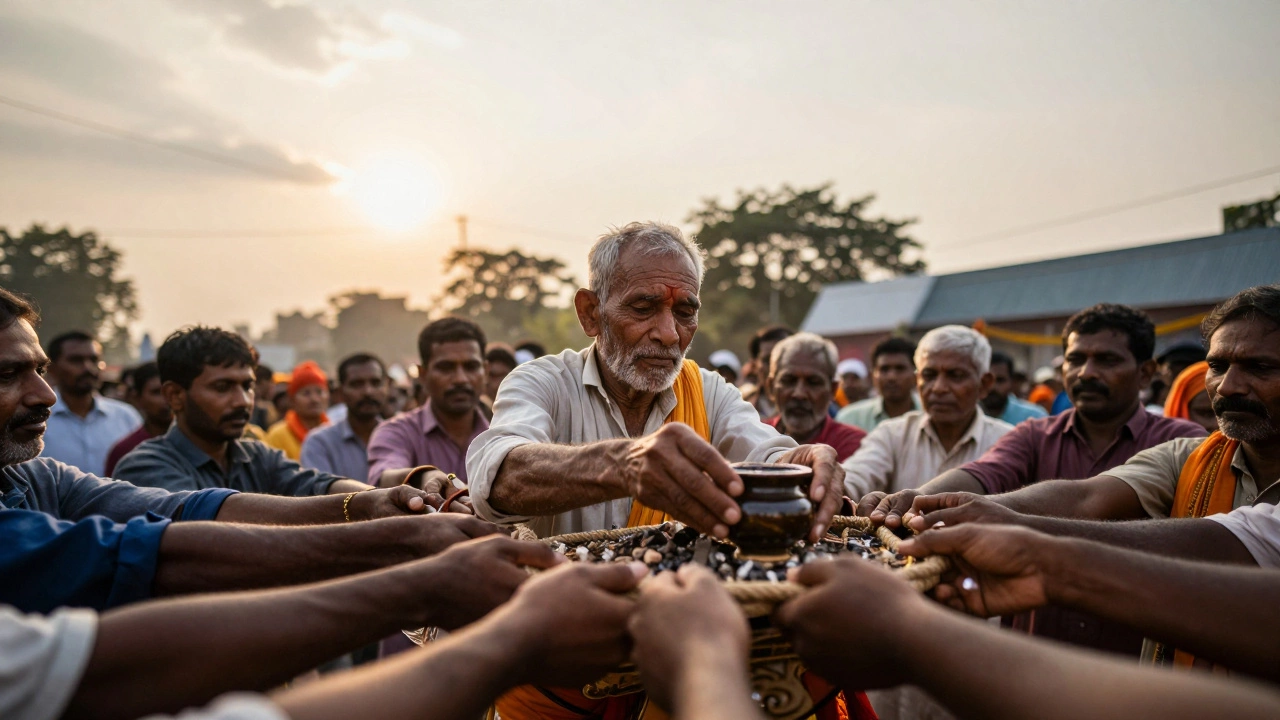
In a world where religion often divides, Puri Rath Yatra unites. It’s not about who’s right or wrong. It’s about showing up. About giving your strength to something bigger. In 2023, a man from Bihar walked 1,200 kilometers to reach Puri. He carried his mother’s ashes in a small urn. He said he wanted her to be part of the chariot’s journey. That’s the kind of story you hear every day during the festival.
It’s also one of the few places in India where tradition is kept alive without commercialization. There are no branded stalls selling “Rath Yatra” T-shirts. No selfie sticks. No influencers. The focus stays on the ritual. The food sold is simple: prasad (blessed sweets), coconut water, and rice cakes. The music is traditional-dholak drums and harmoniums. The crowd is mixed: students, farmers, doctors, retirees, children, elders.
This festival doesn’t need to be marketed. It doesn’t need hashtags. It just is.
How to Prepare for Your Visit
- Book travel and lodging at least 90 days in advance. Puri has limited accommodation.
- Carry cash. ATMs get overwhelmed. Small vendors don’t accept cards.
- Wear comfortable, modest clothing. Avoid shorts and sleeveless tops.
- Bring a hat, sunscreen, and reusable water bottle. Heatstroke is common.
- Respect the space. Don’t push. Don’t block paths. Let elders and families move first.
- Learn a few phrases: “Jai Jagannath” (Hail Jagannath), “Dhanyabad” (Thank you).
If you’re on a temple tour in India, this is the one event that should be non-negotiable. It’s not just about seeing a festival. It’s about feeling what faith looks like when it moves.
Is Puri Rath Yatra the largest temple festival in India?
Yes. With over a million participants and chariots pulled by thousands of devotees, Puri Rath Yatra is the largest temple-specific festival in India. While the Kumbh Mela draws more people overall, it’s not tied to a single temple or deity. Rath Yatra’s scale, continuity, and physical participation make it unmatched among temple festivals.
When does the Puri Rath Yatra happen in 2025?
In 2025, the Puri Rath Yatra will be held on June 28. The exact date changes each year based on the Hindu lunar calendar, specifically the 2nd day of the bright fortnight in the month of Ashadha. Always check the official Jagannath Temple calendar before planning your trip.
Can foreigners participate in pulling the chariot?
Yes. There are no restrictions based on nationality or religion. Thousands of foreign visitors pull the ropes every year. The only requirement is to be physically able to hold the rope and follow the rhythm of the crowd. Many international travelers say pulling the chariot was the most meaningful moment of their trip to India.
Do I need a special permit to attend the festival?
No. The Puri Rath Yatra is completely open to the public. There are no tickets, passes, or entry fees. You can walk into the streets anytime after the chariots begin moving. However, the area around the Jagannath Temple gets extremely crowded. Arrive early if you want a good spot.
Is it safe to attend the festival with children?
Yes, but with caution. The crowds are dense, and the heat can be intense. Keep children close at all times. Bring water, snacks, and a small first-aid kit. Many families attend, and the atmosphere is generally peaceful. Avoid the center of the crowd during peak pulling hours. Stick to the sides or the Gundicha Temple area for a calmer experience.
What Comes After the Festival?
After nine days, the deities return to the Jagannath Temple in the return procession called Ulta Rath Yatra. The chariots are pulled back, but the energy is different. It’s quieter. More reflective. Devotees who pulled the chariot now sit in silence, often with tears in their eyes. The festival ends with a final offering of sweets and a prayer for peace.
For many, the journey doesn’t end there. They carry the memory of the chariot’s movement with them-for months, sometimes years. That’s the power of Puri Rath Yatra. It doesn’t just happen once a year. It changes people. And that’s why, no matter how many festivals India has, this one remains the biggest.