India Budget Calculator
See how far $1000 goes in India with this realistic budget calculator. Based on the article's breakdown of costs for accommodation, food, transport, and experiences.
Enter your travel details to see your estimated budget.
How far does $1000 go in India? If you’re asking this, you’re not alone. Thousands of travelers each year land in Delhi or Mumbai with a tight budget and a big question: Can I really see India on $1000? The answer isn’t yes or no-it’s "it depends." But here’s the truth: with smart choices, $1000 can stretch across 2-3 weeks, cover food, transport, stays, and even a few experiences that most tourists pay triple for. This isn’t about living like a monk. It’s about traveling like a local.
Where Your Money Goes: The Real Cost Breakdown
Let’s break down what $1000 actually buys you in India, day by day. The average daily budget for a budget traveler is $25-$35. That’s $175-$245 a week. So $1000 covers roughly 3-4 weeks. But here’s where people get tripped up: they assume costs are the same everywhere. They’re not.
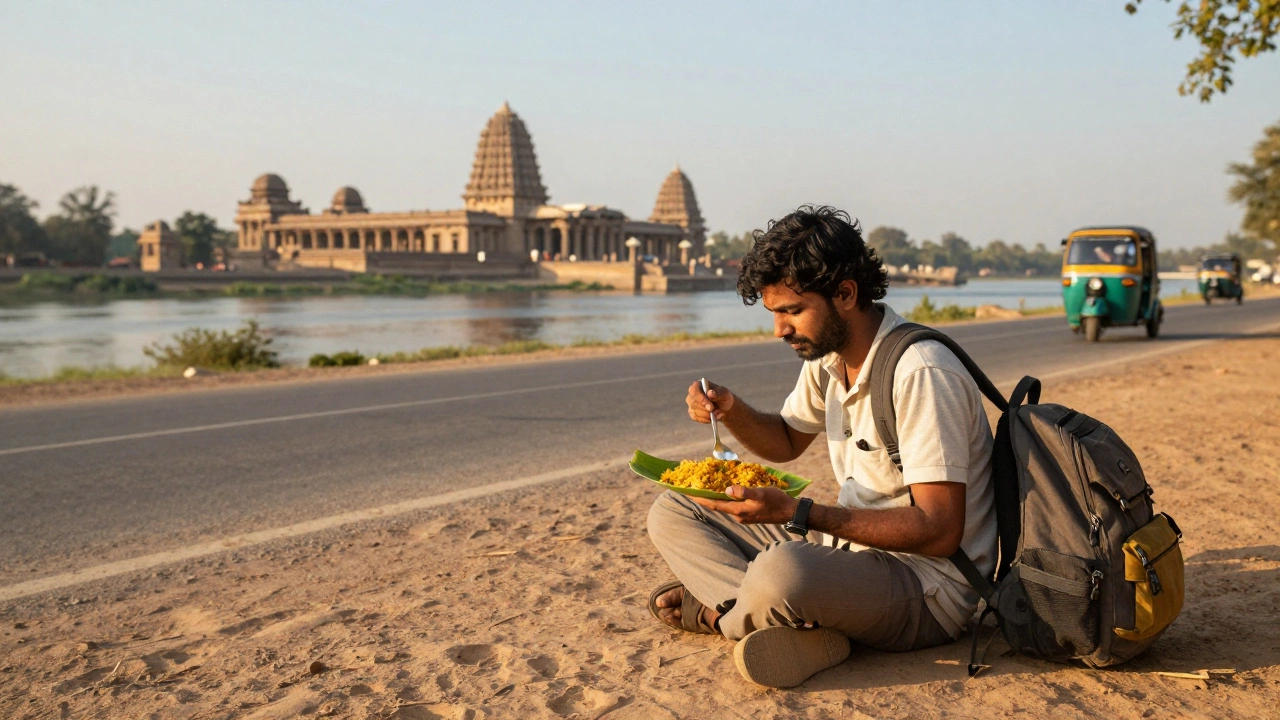
In a city like Mumbai or Delhi, a clean dorm bed in a backpacker hostel runs $8-$12 a night. In smaller towns like Hampi or Pushkar, you’ll find the same bed for $4-$6. Meals? A plate of dal-chawal (lentils and rice) at a local eatery costs $1-$1.50. A street food snack-pani puri, samosa, or achaari aloo-runs 30-50 cents. Even a decent cup of chai is under $0.30. You can eat well for $5-$7 a day without touching tourist restaurants.
Transport is where you save the most. Overnight trains are cheap and efficient. A 12-hour journey in a sleeper class (3AC) from Delhi to Jaipur? Around $15. A 24-hour ride from Mumbai to Goa? $20. Local buses and auto-rickshaws cost pennies. A 10-minute auto ride in a small town? $0.50. Even a full day of hiring a private driver in Rajasthan? $25-$30, including fuel.
Where to Stretch Your Dollar: Top Budget-Friendly Spots
Not all of India is equal when it comes to spending. Some places eat your budget fast. Others let you live like royalty.
- Hampi, Karnataka: Ancient ruins, riverside campsites, and vegetarian meals for $3. Dorms start at $5. You can stay here a week for under $50.
- Pushkar, Rajasthan: A quiet town with cheap guesthouses and free temple walks. A basic room with fan? $6. A full meal? $1.50. Even the camel safari is $10.
- Goa’s Backstreets: Skip Baga and Anjuna. Head to Palolem or Morjim. Beach huts with shared bathrooms? $8-$10. Fresh seafood curry? $3. You can live here for $20 a day.
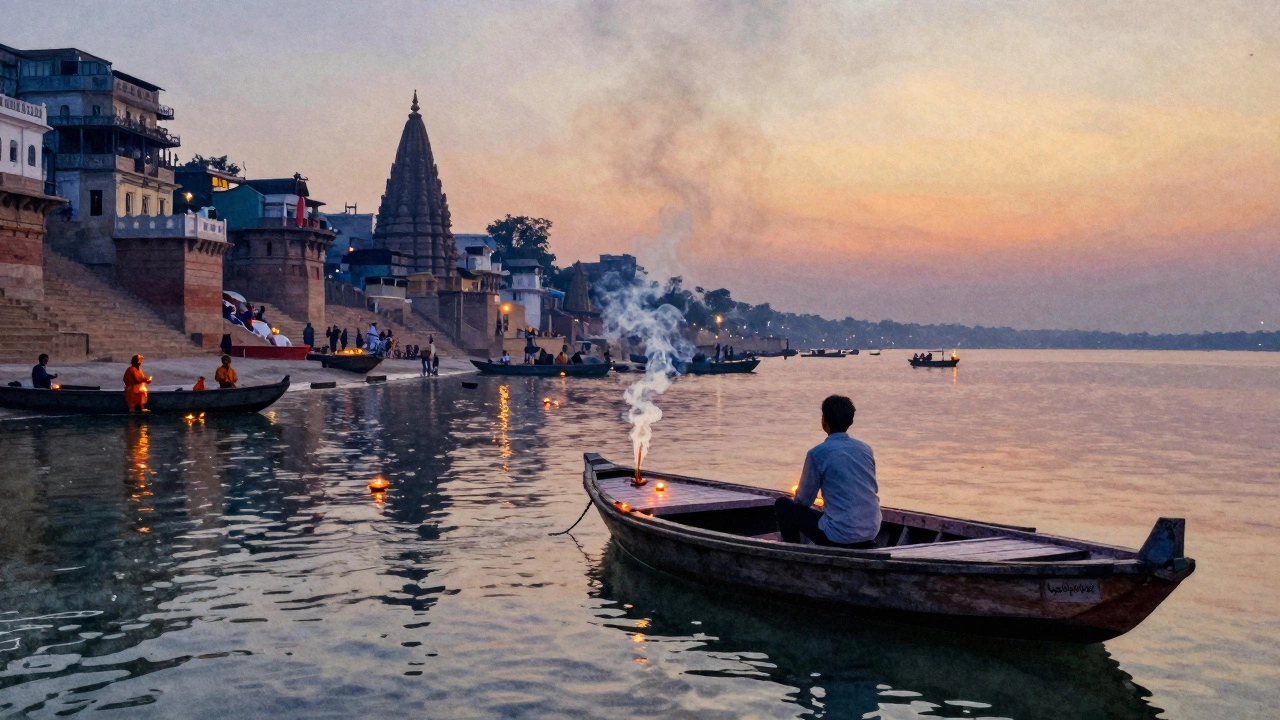
- Varanasi: Stay in a guesthouse near Dashashwamedh Ghat. $7 a night. Boat rides on the Ganges? $2. A full day of temple visits and street food? Under $10.
- Kerala’s Backwaters: Book a homestay in Alleppey. A room with a view of the water? $12. A three-course meal? $4. You can float through the canals for $30 total.
These spots aren’t hidden. But they’re ignored by tour groups. That’s why prices stay low.
What Costs More Than You Think
Not everything in India is cheap. There are traps. And they’re not always obvious.
Tourist attractions can be pricey. The Taj Mahal entry fee for foreigners is $18. Add a guide? Another $15. But skip the guided tour-just walk around on your own. You’ll see just as much.
Private taxis from airports? Avoid them. Use Ola or Uber. A 15-minute ride from Delhi airport to the city? $4. A private driver for a full day? $25. But if you let a hotel arrange it? They’ll charge you $60.
Alcohol is expensive. Beer in a bar? $4-$6. In Goa, you can buy a bottle from a liquor store for $2.50. But carry it to the beach? You’ll get fined. Stick to local beer or skip it.
Shopping can bleed your wallet. A handwoven scarf in Jaipur? $5. But if you haggle hard, you’ll get it for $2.50. Most tourists pay full price because they don’t know how to negotiate. Learn to say "Thoda sasta?" (Can it be cheaper?) and you’ll save 30-50%.

How to Make 00 Last: Real Strategies
Here’s how real travelers stretch $1000 into 25 days:
- Travel slow. Stay 5-7 days in one place. You get cheaper weekly rates on stays and avoid transport costs.
- Eat where locals eat. Look for places with no English menu, no pictures, and 5-10 locals eating. That’s your spot.
- Use trains, not flights. A flight from Delhi to Goa costs $100+. A 24-hour train? $20. You save $80 and see the countryside.
- Book accommodations on the ground. Don’t book ahead unless it’s peak season. Walk into a guesthouse and ask for a discount. Most will give you 10-20% off.
- Carry a refillable water bottle. Bottled water is $0.50. Filtered water refills? $0.10. You’ll save $10-$15 a week.
- Don’t pay for guided tours. Buy a map, use Google Maps offline, and walk. You’ll find hidden temples, quiet cafes, and street artists no tour group knows about.
What You Can Actually Experience
With $1000, you don’t just survive-you experience.
You can take a sunrise boat ride on the Ganges in Varanasi. You can sleep in a heritage haveli in Jodhpur for $10 a night. You can hike to the Tiger Falls in Coorg and swim under them for free. You can ride a bicycle through the rice fields of Kerala. You can watch a Bollywood film in a local theater for $0.80.
You can buy a hand-painted Ajrakh scarf in Gujarat for $4. You can learn to make dosa from a street vendor who teaches you for free if you buy lunch. You can sit in a temple courtyard in Madurai and watch monks chant for an hour-no ticket needed.
This isn’t luxury. But it’s real. And it’s unforgettable.
What You Should Skip
Some things look tempting. They’re not worth it.
- 5-star resorts. Even budget chains like OYO charge $40+ for a room. You’re paying for branding, not comfort.
- Multi-day tour packages. "All-inclusive India tour" for $500? You’ll be packed into a bus with 20 others, rushed through 10 temples, and overcharged for every meal.
- Overpriced souvenirs. Fake Taj Mahal replicas? $15. A real brass lamp from Jaipur? $12. But you’ll find the lamp for $7 if you shop in the old bazaar.
- Expensive spas. A massage in a tourist zone? $20. A local ayurvedic clinic? $5. Same oil. Same hands. Different price.
Don’t confuse convenience with value. India rewards patience, not credit cards.
Final Math: Can $1000 Really Cover It?
Let’s say you spend 21 days in India. Here’s what $1000 looks like:
| Category | Cost (USD) |
|---|---|
| Accommodation (21 nights @ $10 avg) | $210 |
| Food (21 days @ $6 avg) | $126 |
| Local Transport (buses, autos, trains) | $100 |
| Inter-city Train (2-3 trips) | $50 |
| Entrance Fees (temples, monuments) | $40 |
| Small Experiences (boat rides, workshops, snacks) | $60 |
| Contingency (water, SIM card, gifts) | $100 |
| Total | $686 |
You’re left with $314. That’s more than enough for a one-way flight out, or a few extra days. Or a night in a nicer hotel just because you can.
This isn’t magic. It’s math. And it’s possible because India doesn’t charge you for being a tourist. It charges you for being lazy.
Can I travel India on $1000 for a month?
Yes, but only if you’re flexible. Stick to smaller towns, use trains, eat local, and avoid tourist traps. A month in Goa, Kerala, and Rajasthan is doable. A month in Delhi, Mumbai, and Bangalore? Not without cutting corners.
Is $1000 enough for a couple?
It’s tight, but possible. Split accommodation costs. Eat at the same street stalls. Share transport. Two people can live on $40-$50 a day if they avoid hotels with double rooms priced for tourists. A month together? $1000 covers it with room for one extra train ride or a sunset cruise.
What’s the cheapest way to get around India?
Trains. Sleeper class (3AC) is the sweet spot-clean, safe, and cheap. For short distances, buses are cheaper. For last-minute trips, Ola and Uber beat taxis. Never book a private driver unless you’re sharing the cost with others.
Do I need to carry cash in India?
Yes, mostly. While UPI and cards work in cities, small towns, street vendors, and temples only take cash. Carry $200-$300 in cash at all times. Use ATMs to withdraw small amounts. Avoid currency exchange counters at airports-they give terrible rates.
Is India safe for solo travelers on a budget?
Yes, if you use common sense. Women should avoid traveling alone at night in unfamiliar areas. Men should be cautious about accepting drinks from strangers. Most locals are helpful. Stay in hostels with good reviews. Use apps like SafeTravel India for real-time alerts. Don’t carry valuables. You’ll be fine.