Planning a trip to South India isn’t just about picking a few cities and booking flights. It’s about understanding a region that feels like five different countries rolled into one. You’ve got ancient temples that hum with centuries of prayer, backwaters where houseboats glide past coconut groves, hill stations that chill you in the heat, and coastlines where the sea meets spice markets. If you’ve never been here before, it’s easy to feel overwhelmed. But the good news? You don’t need to see everything. You just need to plan smart.
Start with what you really want to experience
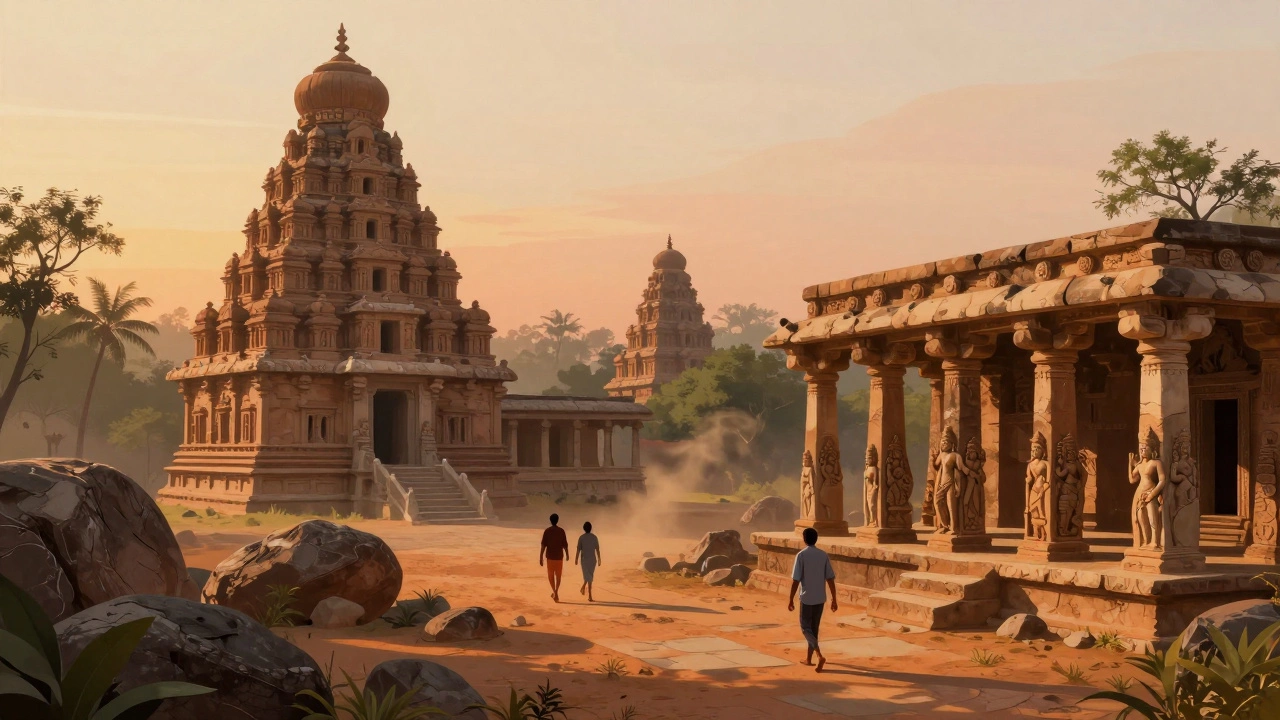
Most people think South India means Kerala, Tamil Nadu, and Karnataka all at once. But each state has its own rhythm. Ask yourself: Are you here for temples? Food? Nature? Silence? Your answer will shape everything.If you love history and stone carvings, head to Tanjore and Hampi. Tanjore’s Brihadeeswarar Temple, built in 1010, still stands taller than most modern skyscrapers. Hampi’s ruins? A maze of boulders, collapsed palaces, and temples swallowed by jungle. No crowds. Just silence and stone.
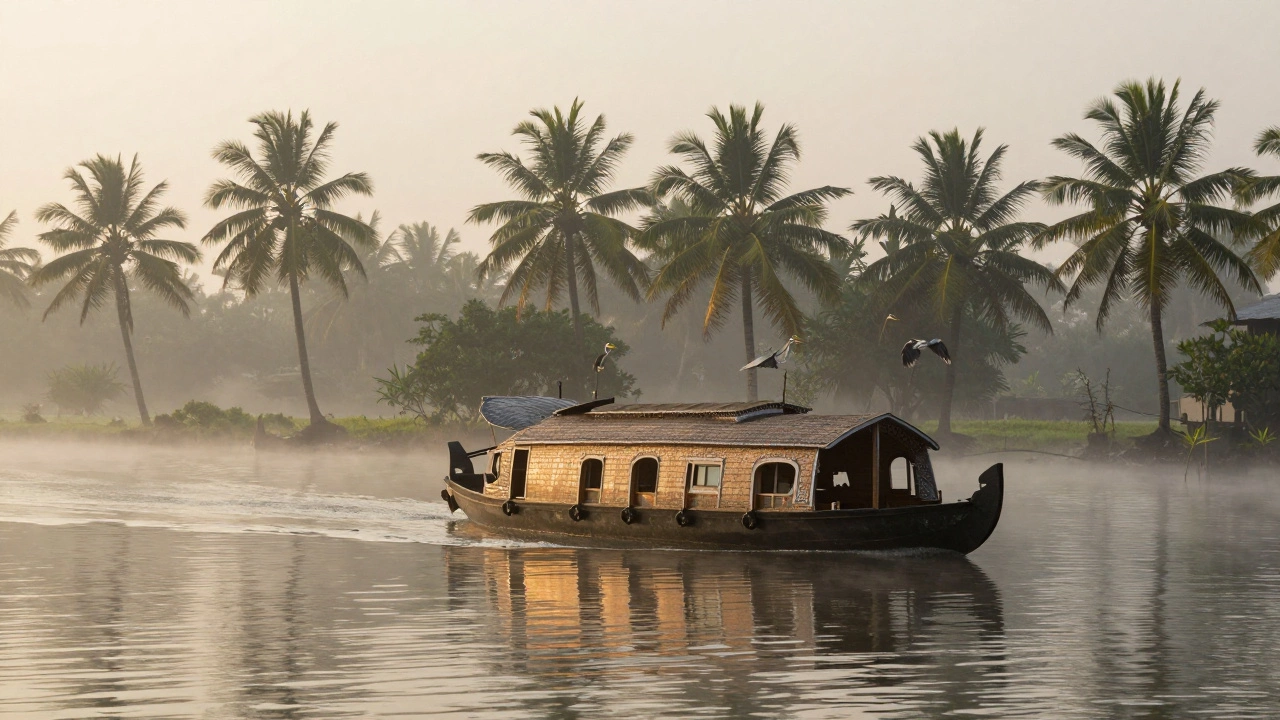
If you want to relax, go to Kerala. The backwaters of Alleppey or Kumarakom aren’t just scenic-they’re slow. You’ll sleep on a wooden houseboat, eat coconut rice while watching herons fly, and wake up to mist rising off the water. No alarms. No rush.
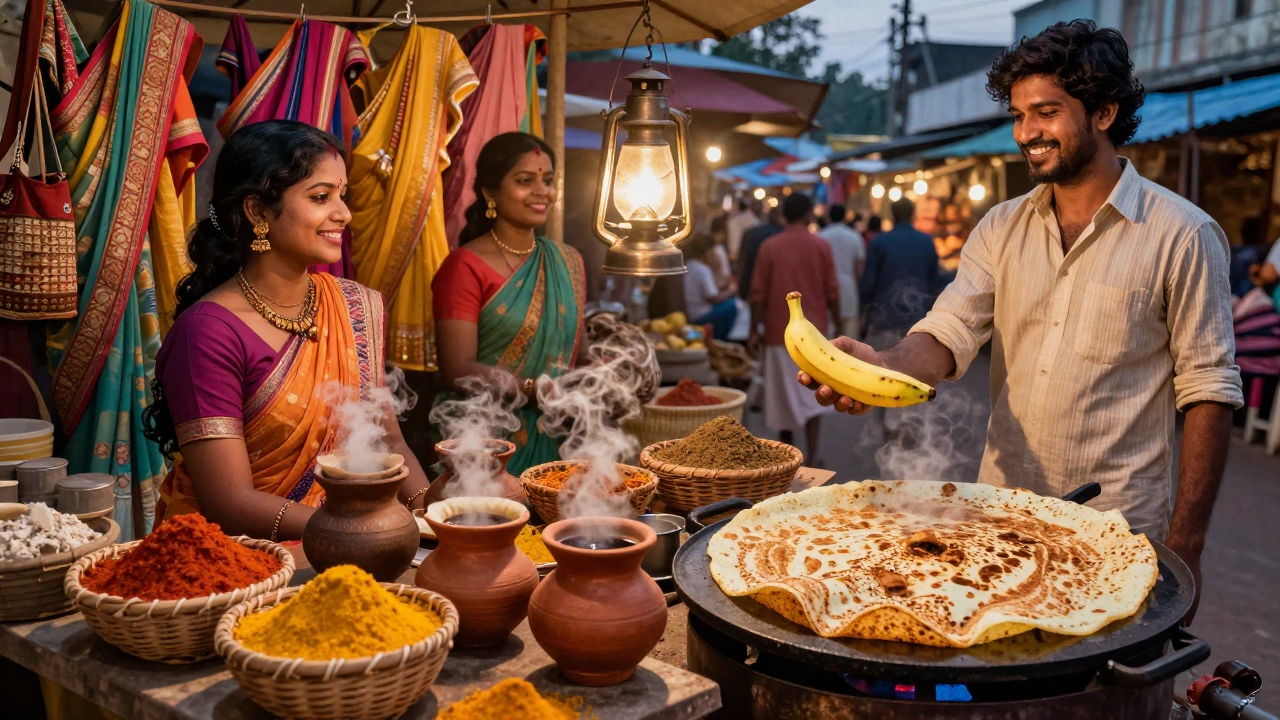
For food lovers, Mysore and Coimbatore are gold mines. Don’t miss filter coffee that’s thick enough to stand a spoon in, dosas crisp enough to crack like a chip, and rasam that warms you from the inside out. Eat at local stalls, not hotels. The best meals cost less than $3.
Best time to visit South India
South India doesn’t have four seasons. It has hot, hotter, and monsoon. The best window is between October and March. November to February is peak. Days are warm, not scorching. Nights are cool, especially in the hills. You’ll want a light jacket in Ooty or Kodaikanal.Avoid May to July. Temperatures hit 40°C (104°F) in cities like Chennai and Hyderabad. Humidity sticks to your skin like wet wool. The monsoon hits Kerala and Karnataka in June, turning roads into rivers and delaying trains. If you’re set on visiting then, stick to Tamil Nadu-it gets less rain.
October is the sweet spot. The rains are gone, the air is fresh, and festivals like Diwali and Onam are still fresh in the air. You’ll see locals in colorful clothes, markets buzzing, and temples lit up with oil lamps.
How many days do you need?
Don’t try to do South India in 5 days. You’ll end up exhausted, stuck in traffic, and missing the soul of the place.For a solid first trip, aim for 10-14 days. Here’s a realistic breakdown:
- Day 1-3: Chennai - Start here. It’s the gateway. Visit Marina Beach, the Government Museum, and the Kapaleeshwarar Temple. Eat seafood at T. Nagar.
- Day 4-6: Mahabalipuram and Pondicherry - Drive 2 hours south. Mahabalipuram’s shore temples are UNESCO-listed and quiet. Pondicherry feels French-white buildings, cafés with croissants, and yoga studios on every corner.
- Day 7-9: Mysore and Hampi - Take a train to Mysore. See the palace lit up at night. Then fly or take a 6-hour drive to Hampi. Stay in a guesthouse near the Virupaksha Temple. Walk barefoot through the ruins at sunrise.
- Day 10-12: Alleppey or Kumarakom - Fly to Kochi, then take a 2-hour drive to the backwaters. Book a private houseboat with a cook. Sleep on the water. Eat fresh fish curry.
- Day 13-14: Ooty - Fly to Coimbatore, then take a scenic 3-hour drive up to the hills. Ride the toy train. Drink tea at a colonial-era bungalow. Pack a sweater.
This route avoids the worst traffic, skips the tourist traps, and gives you depth, not just snapshots.
What to pack
South India is warm, but you’ll need layers. Here’s what actually works:- Light cotton clothes-no jeans. They trap heat and take days to dry.
- A shawl or light wrap for temples. Many require covered shoulders and knees.
- Waterproof sandals. You’ll walk through puddles, temple steps, and wet sand.
- Small towel. Useful for wiping sweat, drying feet after temple baths, or even wrapping snacks.
- Reusable water bottle with filter. Tap water isn’t safe. Bottled water is everywhere, but plastic waste is a problem.
- Power bank. Electricity cuts out in rural areas. Hotels often have weak outlets.
- Small notebook and pen. Many locals don’t use apps. Writing down addresses helps.
Leave the heavy backpacks at home. You’ll be moving between trains, buses, and auto-rickshaws. Less is more.
Transportation: How to get around
South India’s transport is cheap but messy. Plan ahead.Trains are your best friend. Indian Railways is reliable, clean, and affordable. Book AC 3-tier tickets online through IRCTC. Avoid unreserved coaches-they’re packed like sardines. Overnight trains save you a night’s hotel cost.
Buses? Only if you’re on a budget. State-run KSRTC (Karnataka) and KSRTC (Kerala) are decent. Private buses? Skip them. They’re unreliable and often overbooked.
Taxis and auto-rickshaws? Always agree on a price before you get in. Use apps like Ola or Uber-they’re safe and transparent. In rural areas, you’ll need to haggle. Start at half the driver’s asking price. They’ll meet you halfway.
Flights connect major cities: Chennai, Bengaluru, Kochi, Hyderabad. Book early. Prices spike during festivals. A flight from Chennai to Mysore might cost $40. A train takes 8 hours and costs $5.
Temple etiquette you can’t afford to ignore
South India is home to over 30,000 active temples. Most are still living places of worship, not museums.Here’s what matters:
- Remove shoes before entering. Always. Even if no sign says so.
- Don’t point your feet at deities. It’s considered disrespectful.
- Women should cover their heads in some temples-especially in Tamil Nadu. A dupatta or scarf works.
- No photography inside sanctums. Many temples have signs, but locals will quietly warn you if you’re about to snap a photo.
- Don’t touch idols. Even if they look inviting. Offer flowers instead.
- Be quiet. Chanting, bells, and drums fill the air. Don’t talk loudly or laugh.
Some temples, like Tirupati, require advance booking. Others, like the Meenakshi Temple in Madurai, are open 24/7. Check online before you go.
Food: Eat like a local
South Indian food is not just dosas and idlis. It’s a world of flavors you won’t find anywhere else.Must-try dishes:
- Sambar rice - Lentil stew with vegetables, served with steamed rice and a dollop of ghee.
- Neer dosa - Thin, soft rice crepes from Karnataka. Eat with coconut chutney.
- Avial - A mix of vegetables in coconut and curry leaf gravy. From Kerala.
- Filter coffee - Brewed slow in a metal filter. Pour it from a height to make it frothy. Add milk and sugar.
- Chicken Sukka - Dry, spicy chicken with roasted coconut. From Mangalore.
Where to eat: Skip hotel restaurants. Go to local tiffins, street stalls, or temple food halls. In Chennai, try the mess at Mylapore. In Mysore, eat at Vidyarthi Bhavan. In Kochi, find the Syrian Christian home kitchens. Ask a hotel staff member: "Where do you eat?" They’ll point you to the real deal.
Where to stay
You don’t need luxury. You need comfort and character.In cities, book homestays on Airbnb or StayUncle. Many are run by families who’ve lived there for generations. You’ll get breakfast, local tips, and maybe a ride to the temple.
In the backwaters, stay on a houseboat. It’s not a cruise-it’s a floating home. Choose one with a private cook and a balcony. Avoid the big, noisy boats with 10+ guests.
In hill stations like Ooty, pick a colonial-era bungalow. They have fireplaces, verandas, and tea sets. Book early-they fill up fast.
Don’t stay in hostels unless you’re solo and young. Most are noisy and lack AC. South India nights are warm, but not always comfortable.
What not to do
Here are the top mistakes travelers make:- Trying to do too much in too little time. You’ll burn out.
- Ignoring local customs. Dress modestly. Speak softly.
- Drinking tap water. Even brushing your teeth with it can make you sick.
- Carrying too much cash. ATMs are everywhere, but not always reliable. Use cards where you can.
- Expecting everything to be clean. Rural areas have basic sanitation. Pack hand sanitizer.
- Assuming English is widely spoken. In villages, only 1 in 5 people speak it fluently. Learn a few words in Tamil, Kannada, or Malayalam.
Final tip: Slow down
South India doesn’t rush. Neither should you. Sit in a temple courtyard. Watch the monks sweep the floor. Let a vendor offer you a banana. Say yes to tea.The best memories aren’t the photos you take. They’re the moments you didn’t plan. The old man who showed you how to peel a jackfruit. The woman who gave you a spare shawl when you forgot yours. The quiet hour before sunrise when the temple bells rang and no one else was around.
Plan your trip. But leave space for the unexpected. That’s where South India lives.
What is the best month to visit South India?
October to March is the best time, with November to February being the peak. The weather is dry, temperatures are pleasant, and festivals are in full swing. Avoid May to July-it’s too hot and humid.
How many days should I spend in South India?
Aim for 10 to 14 days. This lets you cover 3-4 key areas without rushing. A shorter trip (5-7 days) only works if you focus on one state, like Kerala or Tamil Nadu.
Is South India safe for solo travelers?
Yes, especially for women. South India is one of the safest regions in the country. Stick to well-traveled routes, avoid isolated areas at night, and dress modestly. Locals are generally helpful and respectful.
Do I need a visa to visit South India?
Yes, if you’re not an Indian citizen. Most travelers need an e-Visa, which you can apply for online through the Indian government portal. It takes 3-5 days to process. Make sure your passport has at least six months of validity.
Can I use credit cards in South India?
Yes, in cities and tourist spots. But in villages, temples, and small eateries, cash is king. Carry at least ₹5,000-₹10,000 in small bills. ATMs are common, but not always reliable-especially during festivals.
What languages are spoken in South India?
Each state has its own language: Tamil in Tamil Nadu, Kannada in Karnataka, Telugu in Andhra and Telangana, Malayalam in Kerala. English is spoken in cities and tourist areas, but not everywhere. Learning a few words like "Nanba" (thank you in Tamil) or "Dhanyavadagalu" (thank you in Kannada) goes a long way.