Hiking vs Trekking Adventure Planner
Is This Hiking or Trekking?
Answer a few questions to determine if your adventure is hiking or trekking and get gear recommendations.
Your Adventure Type
People often use the words hiking and trekking like they mean the same thing. But if you’ve ever laced up your boots for a full-day mountain walk or spent a week carrying your pack through the Himalayas, you know they’re not. The difference isn’t just in the name-it’s in the effort, the terrain, the gear, and the mindset.
Hiking: A Day Out in Nature
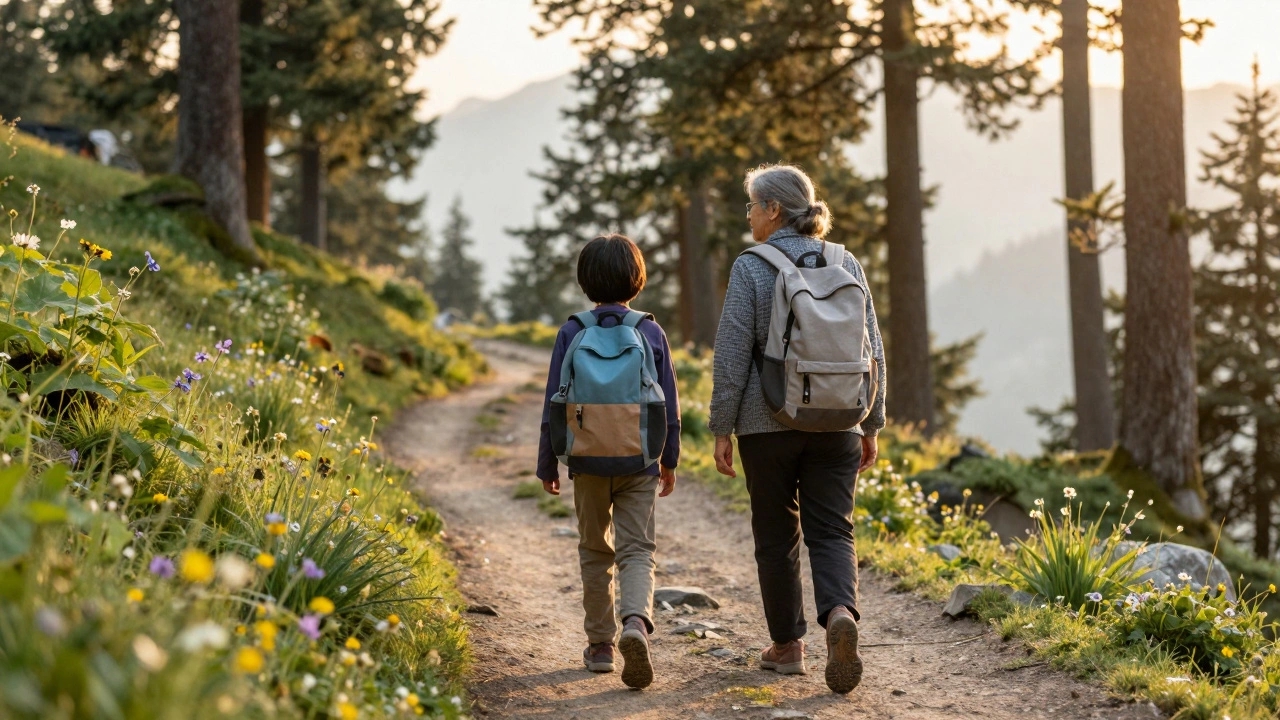
Hiking is what most people think of when they picture a walk in the woods. It’s usually a single-day trip on marked trails. You grab a backpack with water, snacks, maybe a light jacket, and head out in the morning. You come back by sunset. Hiking trails can range from easy paths through forests to steep climbs up hills, but they rarely go beyond 10-15 kilometers in a day.
In India, popular hiking spots include the Valley of Flowers in Uttarakhand, the Kodaikanal trails in Tamil Nadu, or the Bhimgad Wildlife Sanctuary in Karnataka. These are places where you can walk for hours, enjoy the scenery, and still get back to your guesthouse or hotel without spending the night outdoors.
Hiking doesn’t require special skills or gear beyond sturdy shoes, a good water bottle, and maybe a walking stick. It’s accessible. A 70-year-old grandmother can hike. A 12-year-old kid can hike. It’s about enjoying nature, not conquering it.
Trekking: A Multi-Day Journey Into the Wild
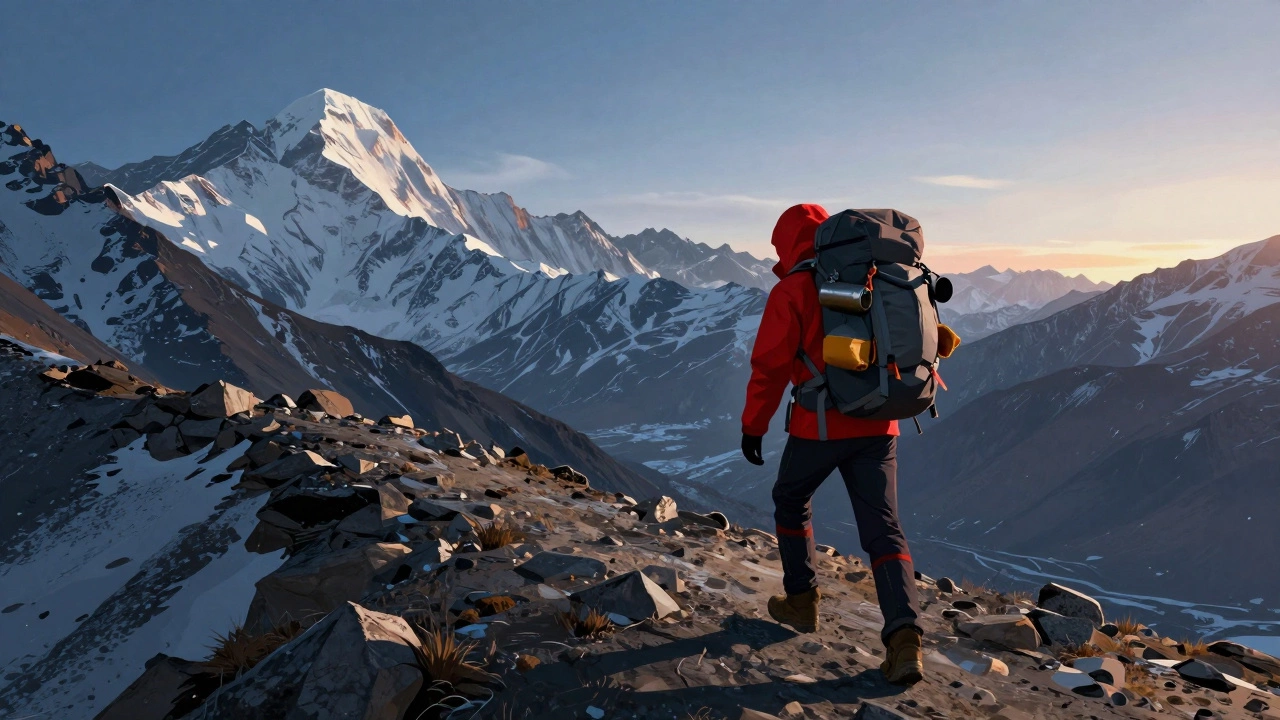
Trekking is something else entirely. It’s not just a walk-it’s an expedition. You’re moving through remote, often unmarked terrain for multiple days. You carry everything you need: tent, sleeping bag, food, cooking gear, extra clothing. You sleep under the stars or in basic mountain shelters. You cross rivers, climb ridges, deal with altitude, and sometimes hike for 8-10 hours straight.
In India, trekking means routes like the Hampta Pass in Himachal Pradesh, the Kedarkantha summit in Uttarakhand, or the Goecha La trail in Sikkim. These aren’t day trips. You need permits, guides, and planning. You need to know how to read a map, set up a tent in wind, and manage altitude sickness.
Trekking in India often takes you into areas where there are no roads, no electricity, and no shops. You’re entirely self-reliant. You’re not just walking-you’re surviving. And that’s why trekking demands more preparation than hiking ever does.
Key Differences at a Glance
Here’s how the two really stack up:
| Aspect | Hiking | Trekking |
|---|---|---|
| Duration | Single day | Multiple days (2-10+) |
| Distance | 5-15 km per day | 15-30+ km per day |
| Trail Type | Marked, maintained paths | Unmarked, rugged, sometimes off-trail |
| Equipment | Backpack, water, snacks, good shoes | Tent, sleeping bag, stove, cooking gear, first aid kit |
| Accommodation | Return home same day | Camping or basic mountain lodges |
| Difficulty | Easy to moderate | Moderate to extreme |
| Location | Near towns, national parks | Remote high-altitude zones |
Why the Confusion Exists
Many travel blogs and tour operators use "hiking" and "trekking" interchangeably because it sounds simpler. A company might call a 3-day Himalayan route a "hiking tour" to attract beginners. But if you sign up for that expecting a gentle walk, you’ll be in trouble.
Also, in some regions of India-like the Western Ghats or the Nilgiris-longer walks are called "treks," even if they’re only one day. Local usage varies. But if you’re planning to go beyond the well-trodden paths, you need to understand the real difference.
What Happens When You Mix Them Up?
Let’s say you’re a first-time visitor to India. You read online about the "Valley of Flowers Trek" and assume it’s just a long walk. You pack a daypack, wear running shoes, and show up without a map or water filter. You get halfway up, the trail disappears, and you’re lost in fog at 11,000 feet. That’s not adventure-it’s a rescue mission.
On the flip side, if you think trekking is just "hard hiking," you might skip training and end up with altitude sickness, blisters, or worse. The Himalayas don’t care if you called it a hike. They’ll still test your limits.
Which One Should You Try?
If you’re new to outdoor adventures in India, start with hiking. Try the Nag Tibba trail near Mussoorie. It’s 12 km round trip, takes 6-7 hours, and gives you panoramic views without needing a tent. You’ll get a feel for the terrain, your fitness level, and how your body reacts to elevation.
Once you’re comfortable with longer walks and carrying weight, then consider trekking. Book a guided trek like the Triund Loop in Dharamshala. It’s 9 km one way, takes 5-6 hours, and ends at a campsite with basic facilities. It’s a perfect bridge between hiking and full trekking.
Don’t jump into the Markha Valley Trek or the Zanskar Winter Trek without months of preparation. Those aren’t hikes. They’re serious expeditions.
Final Thought: It’s Not About the Name
Whether you call it hiking or trekking, what matters is respect-for the trail, the weather, and yourself. The mountains don’t care if you call it a hike. They only care if you’re ready.
So if you’re planning your next adventure in India, ask yourself: Are you going for a walk-or are you going to survive?