India Travel Budget Estimator
Plan your daily spending based on your travel style
Estimated Total: $0
Approximately ₹0
Quick Budget Breakdown
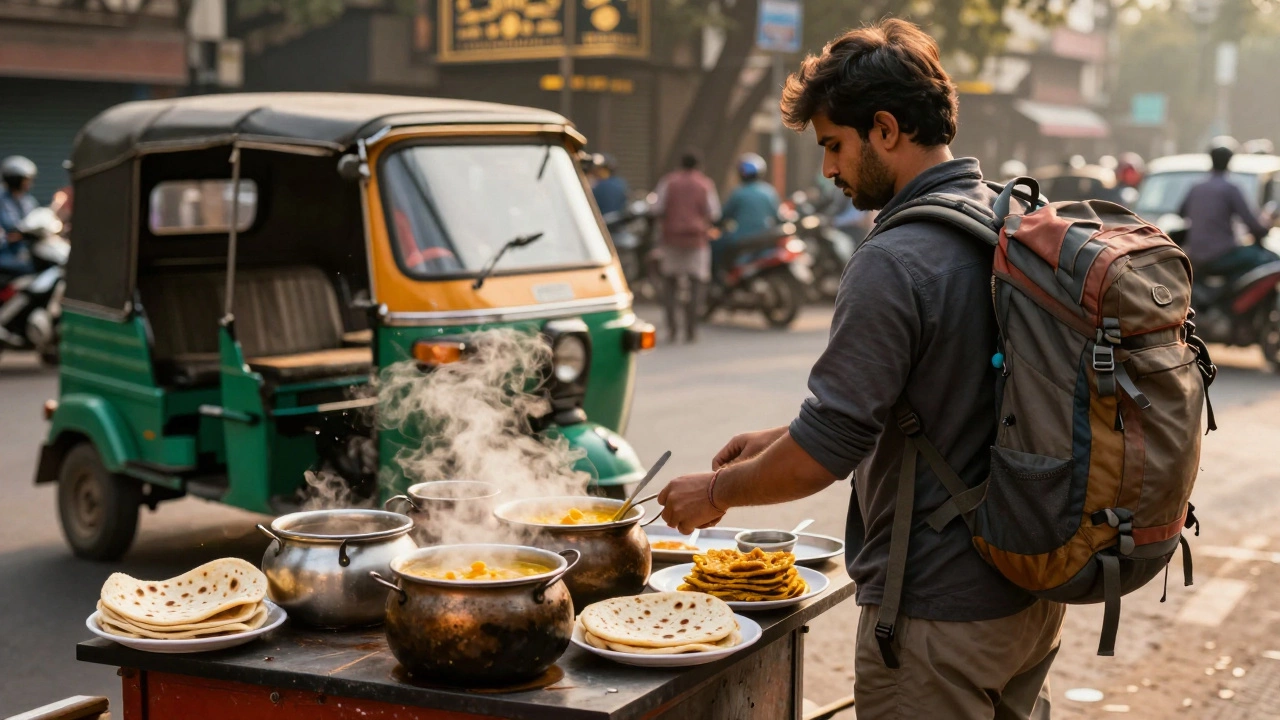
- Shoestring: $20-$35 per day (Hostels, street food, public buses).
- Mid-range: $50-$100 per day (Boutique hotels, mix of rickshaws and trains, cafe dining).
- Luxury: $200+ per day (Heritage palaces, private drivers, high-end dining).
- Biggest Costs: Internal flights, high-end alcohol, and certain monuments for foreigners.
- Biggest Savings: Local transport, fresh produce, and street snacks.
The Reality of Daily Costs
To understand if budget travel india is right for you, we have to look at the actual numbers. For most travelers, the cost of living in India is significantly lower than in Europe, North America, or even Southeast Asian hubs like Singapore. Let's talk about food first. If you eat at a local dhaba (roadside eatery), a filling meal of dal, rice, and roti will cost you about 100 to 200 Indian Rupees (roughly $1.20 to $2.40). Now, if you step into a trendy cafe in South Delhi or Mumbai, that same meal could jump to 800 rupees. The gap isn't just about the food; it's about the experience you're paying for. Accommodation follows a similar pattern. A bed in a highly-rated hostel in Varanasi or Jaipur usually ranges from 400 to 800 rupees. If you want a private room with AC, you're looking at 1,500 to 3,000 rupees. For those chasing luxury, the heritage hotels-often converted palaces-can cost upwards of $500 a night, making the trip feel very expensive very quickly.Getting Around Without Breaking the Bank
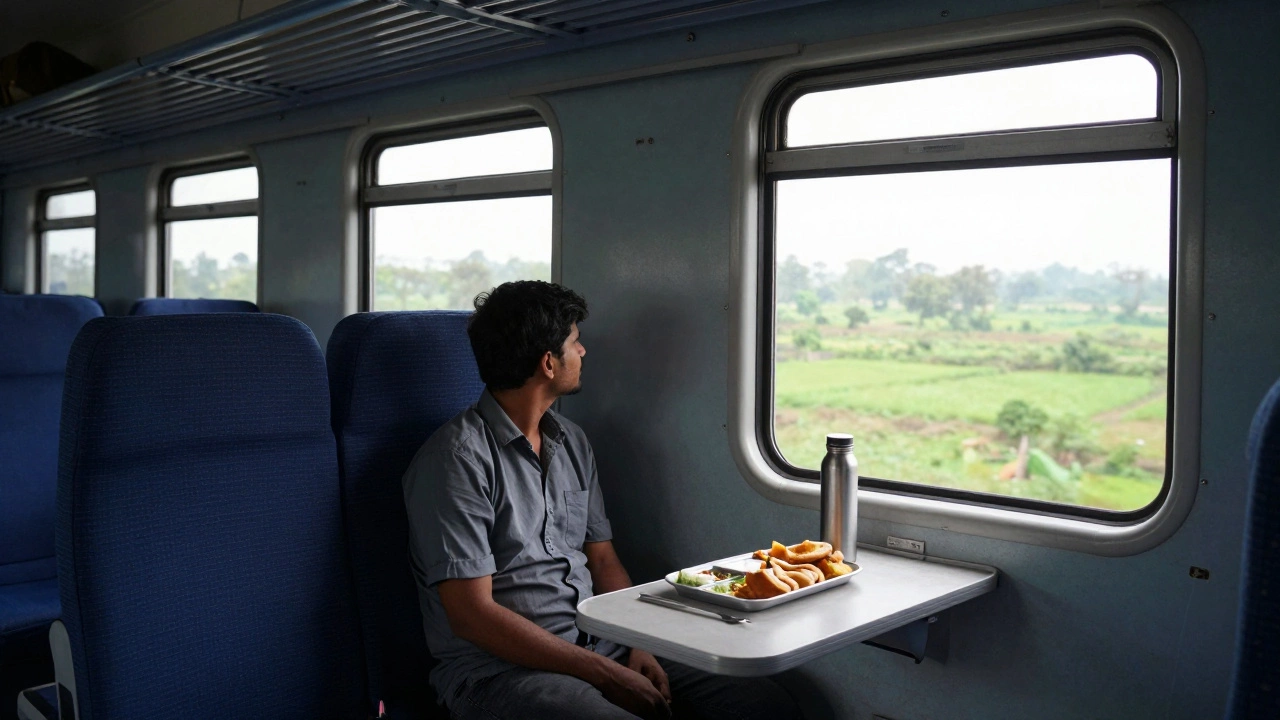
Transport is where most people lose their budget to "tourist pricing." The most efficient way to move across the country is via Indian Railways, one of the largest rail networks in the world. If you book a sleeper class ticket, you can travel hundreds of miles for a few dollars. However, the AC 2-Tier or 3-Tier classes are more comfortable and cost more, though they are still a bargain compared to flights. Inside cities, the Auto Rickshaw is king. The trick to keeping costs down is using apps like Ola or Uber. Why? Because it removes the need to haggle. When you hail a rickshaw on the street, the driver might quote you 200 rupees for a trip that the app says is 80. By using a ride-sharing app, you get a transparent price and avoid the stress of negotiating in a loud intersection.| Mode of Transport | Budget Option | Comfort Option | Best For... |
|---|---|---|---|
| Intercity | Sleeper Train (Cheap) | Domestic Flight (Fast) | Long distances |
| Intracity | Metro / Public Bus | Uber / Private Taxi | Daily commuting |
| Short Distance | Walking / Cycle Rickshaw | Auto Rickshaw | Local sightseeing |
The 'Foreigner Price' and How to Manage It
One thing that catches new visitors off guard is the pricing at monuments. Archaeological Survey of India (ASI) sites, like the Taj Mahal, often have a tiered pricing system. A local Indian citizen might pay 50 rupees, while a foreign tourist pays significantly more. While this can feel unfair, it's a standard part of the ecosystem. To offset this, focus on the thousands of free temples, ghats, and markets that don't charge an entry fee. Shopping is another area where your budget can leak. India is a paradise for textiles and jewelry, but the prices in markets like Chandni Chowk are starting points for negotiations. A common rule of thumb is to offer 50% of the asking price and settle somewhere in the middle. If you don't haggle, you aren't just paying more; you're actually violating a local social norm of the marketplace.Regional Cost Differences
Not all parts of India cost the same. If you're heading to the Himalayas for trekking in Himachal Pradesh or Uttarakhand, costs can spike due to the need for specialized guides and permits. Similarly, high-end resorts in Goa during the peak winter season (December to January) can charge prices that rival Mediterranean beach towns. Conversely, the south of India, particularly in states like Kerala or Tamil Nadu, often offers better value for money in terms of homestays. Booking a local homestay is a pro move-you get an authentic room, home-cooked meals, and a local guide all in one price point, usually much cheaper than a hotel.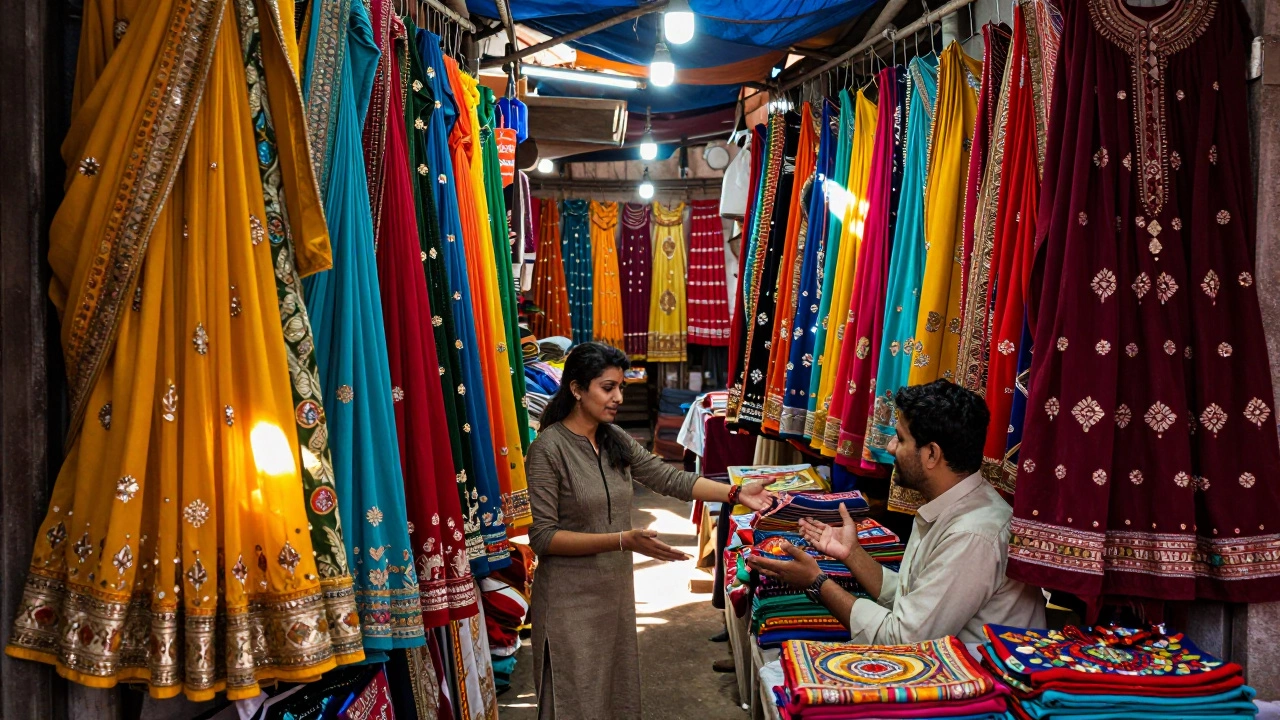
Hidden Costs and Budget Traps
Where does the money actually go when you're "on budget"? There are a few stealth expenses. First, alcohol. India has high taxes on liquor, making a bottle of imported wine or a fancy cocktail surprisingly expensive. If you're on a tight budget, stick to local beers or skip the drinks entirely. Second, bottled water. While you can't drink tap water, buying small plastic bottles every hour adds up and creates massive waste. Instead, carry a reusable bottle with a built-in filter or use the filtered water stations found in many hostels and airports. This saves you a few hundred rupees over a month and helps the environment. Third, the "convenience tax." Hiring a private driver for a week in Rajasthan is an incredible luxury, but if you aren't splitting the cost with 3 or 4 people, it's a heavy hit to your wallet. Consider using the extensive bus network or grouping up with other travelers at your hostel to share a car.Planning Your Budget: A Practical Checklist
If you're staring at a spreadsheet trying to figure out how much to save, don't overthink it. India is flexible. You can always scale your spending up or down on the fly. Here is a simple checklist to ensure you've covered the essentials:- Visa Fees: Check the current e-Visa price for your nationality; this is your first fixed cost.
- Travel Insurance: Don't skip this. A simple stomach bug can lead to a clinic visit that wipes out your weekly budget.
- SIM Card: Grab a local SIM at the airport. Data is incredibly cheap in India, and having GPS is vital for avoiding overpriced taxis.
- Emergency Cash: While UPI (Unified Payments Interface) is used everywhere, keep some cash for rural areas where digital payments might fail.
- Clothing: Buy your cotton clothes locally. They're cheaper, fit the climate better, and support local artisans.
Is $30 a day enough for India?
Yes, for a true budget traveler, $30 (approx 2,500 rupees) is plenty. This covers a hostel bed (500-800), three street-food meals (400-600), local transport, and a few site entries. However, this doesn't include long-distance travel or expensive activities like hot air ballooning in Jaipur.
Which is cheaper: North India or South India?
Generally, the costs are similar, but they differ in where you spend. North India has more high-cost tourist monuments and palaces. South India often has more affordable, high-quality homestays and a slightly more relaxed pace of tourism that can lead to lower daily spending.
Do I need to tip in India?
Tipping is common but not mandatory. In restaurants, a 10% tip is appreciated. For rickshaw drivers, rounding up the fare (e.g., paying 110 instead of 100) is a standard gesture of kindness. In luxury hotels, tipping bellhops and maids is expected.
Is it cheaper to fly or take the train?
Trains are almost always cheaper, especially in Sleeper or 3AC classes. However, flights can be competitive if you book weeks in advance. The trade-off is time; a train from Delhi to Kerala takes days, while a flight takes hours.
How can I avoid getting scammed as a tourist?
Use apps like Uber or Ola for transport, avoid "official" tourism offices that pop up randomly on the street, and always agree on a price before starting any journey. If a driver tells you a hotel is closed or a road is blocked to redirect you to a specific shop, it's usually a scam.