SEARCH
Indian spices: Flavor, history, and how they shape Indian food
When you think of Indian spices, a vibrant collection of aromatic seeds, roots, and pods that define the taste of South Asian cuisine. Also known as masalas, they’re not just added to food—they’re the reason Indian meals feel alive. Every region has its own blend, passed down through generations, shaped by climate, trade, and tradition. These aren’t generic seasonings you find in a supermarket aisle. They’re the heart of a 5,000-year-old culinary system that turned simple ingredients into unforgettable experiences.
Take turmeric, a bright yellow root with anti-inflammatory properties and deep cultural roots in Ayurveda and rituals. It’s in every curry, every rice dish, even some teas. Then there’s cardamom, a fragrant pod that sweetens chai and savory biryanis alike. You’ll find it in homes from Kerala to Punjab, used in both sweets and stews. These spices didn’t just travel on trade routes—they changed the world. The spice trade once drove empires, shaped colonial history, and sparked voyages across oceans. Today, they’re still the quiet force behind India’s food identity.
What makes Indian spices different isn’t just their variety—it’s how they’re used. They’re not dumped in at the end. They’re toasted, ground, bloomed in oil, layered over time. A pinch of cumin in hot ghee releases a nutty aroma. Black pepper and cloves in a slow-cooked stew build depth you can’t fake. Even the way they’re stored matters—kept in airtight jars away from light, their power lasts longer. This isn’t cooking by recipe. It’s cooking by instinct, by smell, by memory.
And you don’t need to be in India to taste it. These spices live in kitchens from Brooklyn to Berlin, but they’re most powerful where they began—where the air smells of cumin at dawn, where women grind fresh coriander seeds on stone, where a single dish can carry the history of a village. The posts below show you how these spices show up in real life: in street food, in temple meals, in home kitchens, and in the quiet rituals of daily eating. You’ll see how they connect to culture, health, and travel—and why no trip to India is complete without learning how to taste them properly.
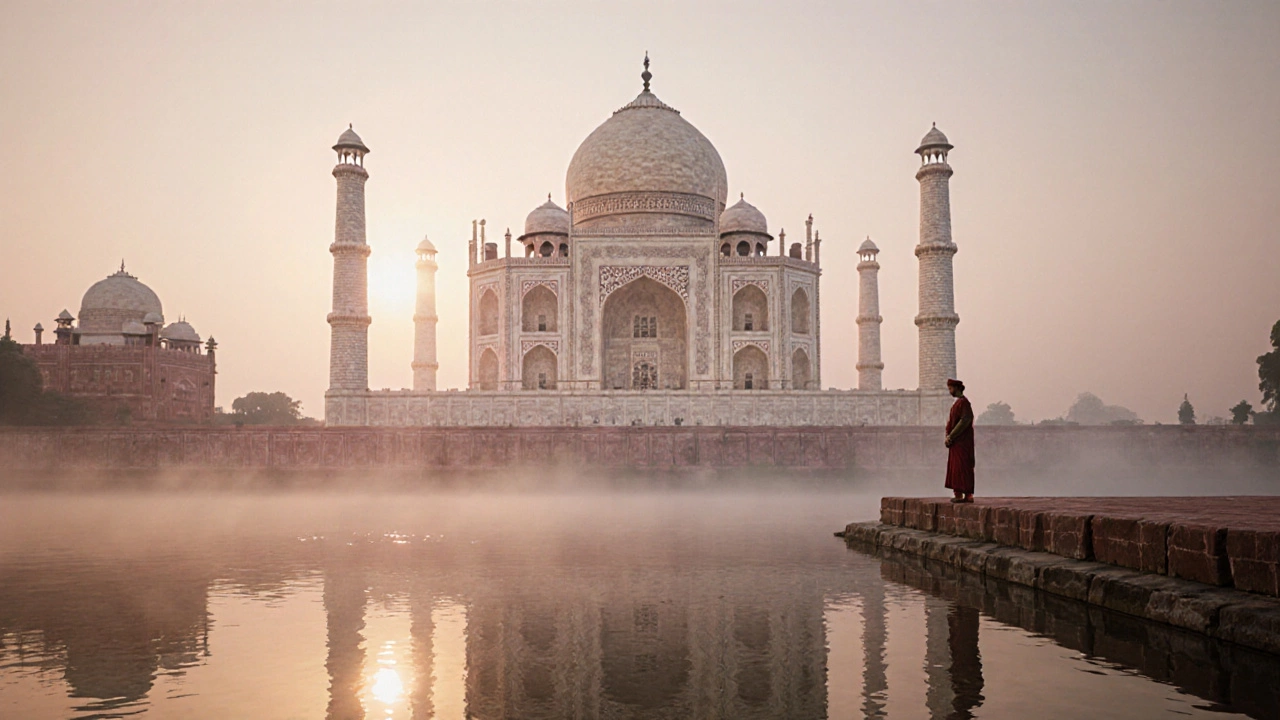
What Is India Famous For? 10 Iconic Things That Define the Country
India is famous for the Taj Mahal, vibrant spices, Bollywood, yoga, handwoven textiles, religious diversity, colorful festivals, wildlife, street food, and ancient philosophy that shaped global thought.
Continue reading