SEARCH
Indian Textiles: Discover the Craft, Culture, and Colors Behind India’s Famous Fabrics
When you think of Indian textiles, handcrafted fabrics that carry centuries of regional skill, symbolism, and identity. Also known as handloom fabrics, they are not just clothing—they’re wearable heritage. Every thread tells a story. In Banaras, weavers spend months weaving gold zari into silk for a single saree. In Gujarat, artisans carve wooden blocks by hand to stamp intricate patterns onto cotton. In Kanchipuram, silk is spun so fine it feels like air. These aren’t mass-produced goods. They’re the result of skills passed down through generations—often from mother to daughter, father to son.
Indian textiles include silk sarees, luxurious, region-specific garments worn during festivals, weddings, and rites of passage, each with its own weave, dye, and motif. A Kanchipuram silk has a heavy border and rich pallu, while a Chanderi silk is light enough to wear in summer heat. Then there’s block printing India, a centuries-old technique where carved wooden blocks are dipped in natural dyes and stamped onto cloth by hand. In Rajasthan, you’ll find ajrakh prints with deep indigo and crimson—colors made from plants, minerals, and mud. In Odisha, ikat weaving creates blurry, dreamlike patterns by tying and dyeing threads before they’re even woven. These aren’t just techniques—they’re cultural signatures.
What makes Indian textiles so special isn’t just how they look, but how they’re made. No factories. No synthetic dyes. Just hands, looms, and patience. You’ll find these fabrics in the bustling bazaars of Jaipur, the quiet villages of Assam, and the coastal lanes of Kerala. They’re worn by farmers, queens, and city dwellers alike. And while global brands copy their designs, the real magic lives in the villages where the weaver still sings while working, and the dyer knows exactly when the indigo is ready.
What you’ll find in the posts below isn’t just a list of fabrics. It’s a look at the people behind them—the weavers, dyers, and sellers keeping these traditions alive. You’ll see how these textiles connect to India’s cultural states, how they shape local economies, and why they’re still worth seeking out in a world of fast fashion. Whether you’re planning a trip to India or just want to understand what makes a handwoven sari different from a machine-made one, these stories will show you the truth behind the thread.
What Is India Famous For? 10 Iconic Things That Define the Country
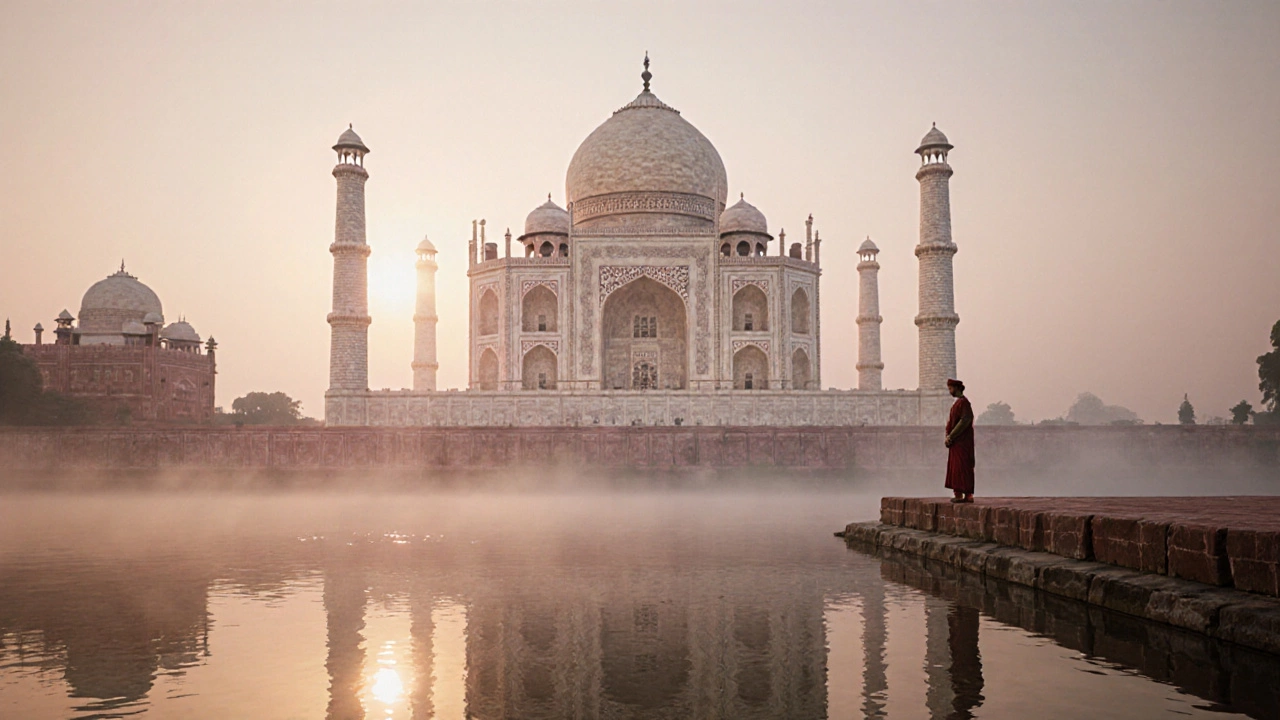
India is famous for the Taj Mahal, vibrant spices, Bollywood, yoga, handwoven textiles, religious diversity, colorful festivals, wildlife, street food, and ancient philosophy that shaped global thought.
Continue reading