SEARCH
Yoga in India: Origins, Practices, and Where to Experience It
When you think of yoga in India, a 5,000-year-old system of physical, mental, and spiritual discipline rooted in ancient Indian philosophy. Also known as the original form of yoga, it’s not something you do—it’s something you live, breathed into daily life by millions across the subcontinent. This isn’t just stretching or breathing exercises copied from a studio in New York. True yoga in India is tied to Vedic texts, temple rituals, and quiet mornings by the Ganges. It’s passed down from guru to student, not sold in a 60-minute class with ambient music.
Yoga in India yoga retreats, immersive programs that combine asana, meditation, and Ayurveda in serene settings. Also known as yoga ashrams, they’re found in Rishikesh, Mysore, and Kerala’s backwaters—places where time slows down and the only alarm is the sunrise. These aren’t luxury resorts with Instagram pools. They’re simple hostels with straw mats, vegetarian meals cooked over wood fires, and teachers who’ve spent decades studying under one master or another. In Mysore, you’ll find the birthplace of Ashtanga yoga, where students show up before dawn and practice the same sequence every day, guided by a single teacher’s voice. In Rishikesh, you’ll hear Sanskrit chants echoing off the hills as monks walk barefoot along the riverbank.
And then there’s the yoga teachers, the living bridges between ancient knowledge and modern seekers. Also known as gurus or sadhus, they’re not certified by online courses—they earned their place through years of discipline, silence, and service. Some live in caves. Others run small schools in old stone buildings with no Wi-Fi. You won’t find them on YouTube ads. You’ll find them because someone told you to go there, or because you followed the smell of incense and the sound of a bell.
Yoga in India also ties into Ayurveda, India’s traditional system of medicine that balances body, mind, and spirit through diet, herbs, and daily routines. Also known as the sister science of yoga, it’s why most retreats serve turmeric lattes, not protein shakes, and why your morning routine might start with tongue scraping and oil pulling. You can’t separate yoga from Ayurveda here—they’re two parts of the same whole. One moves the body, the other heals it from within.
You won’t find yoga in India as a fitness trend. You’ll find it as a way of being. Whether you’re sitting cross-legged on a temple step in Varanasi, listening to a monk chant the Gayatri mantra, or learning pranayama under a banyan tree in Kerala, you’re stepping into a rhythm that hasn’t changed in centuries. It’s not about perfect poses. It’s about presence.
Below, you’ll find real stories from people who went looking for yoga—and found something deeper. From quiet ashrams in the Himalayas to bustling studios in Goa, these posts show you where yoga still breathes, not just moves.
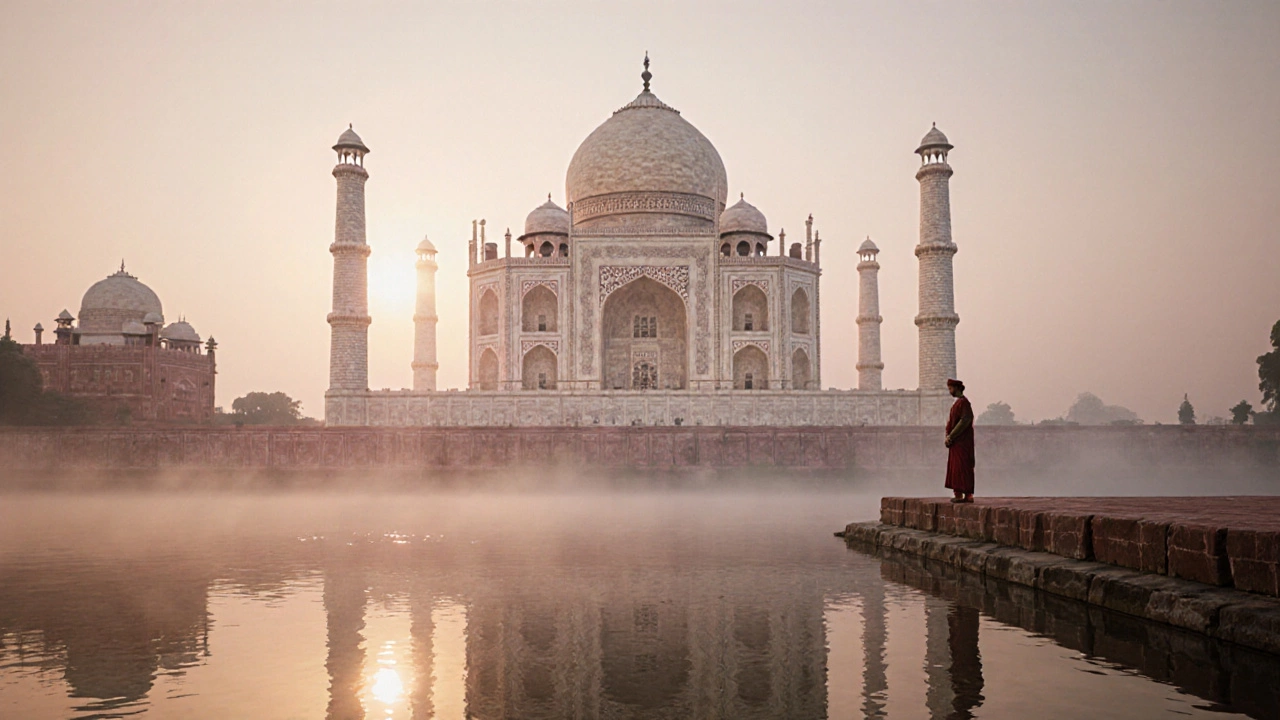
What Is India Famous For? 10 Iconic Things That Define the Country
India is famous for the Taj Mahal, vibrant spices, Bollywood, yoga, handwoven textiles, religious diversity, colorful festivals, wildlife, street food, and ancient philosophy that shaped global thought.
Continue reading