When people think of India, they don’t just picture temples or tuk-tuks. They think of color, music, food, and rituals that have lasted for thousands of years. But if you ask, what is the most famous culture in India?-there’s no single answer. India isn’t one culture. It’s dozens, layered over millennia, shaped by empires, migrations, and daily life. Still, if you had to pick the one that stands out most to the world, it’s the culture of North India, especially around the Hindi-speaking belt: Delhi, Uttar Pradesh, Rajasthan, and Haryana.
Why North India Leads in Global Recognition
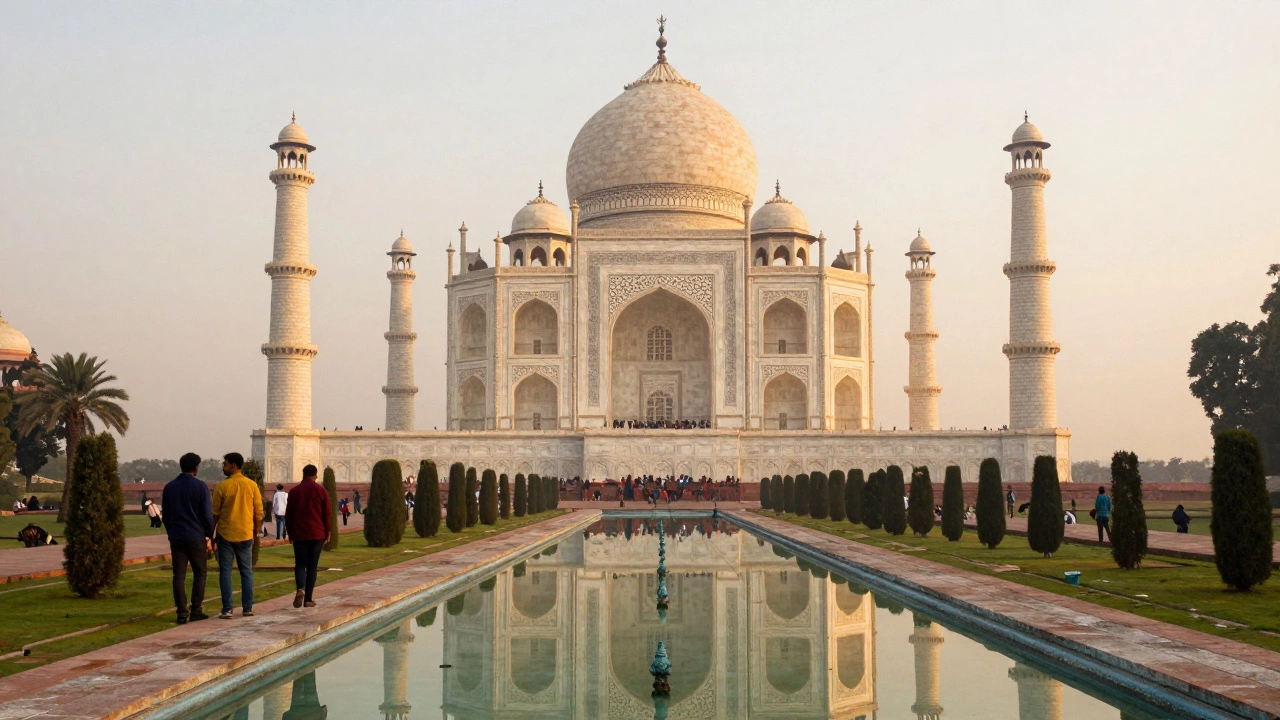
North India’s culture is the one most often shown in movies, travel brochures, and international festivals. Think of the Taj Mahal, the vibrant Holi festival, the elaborate weddings with mehndi and dhol, or the rich Mughal cuisine like biryani and kebabs. These aren’t just local traditions-they’re India’s global calling card.
The reason? History. North India was the center of major empires: the Mauryas, the Guptas, the Mughals. Each left behind architecture, language, art, and food that became part of a shared identity. Persian influence from the Mughals blended with local Hindu traditions to create something unique: a culture that’s both regal and deeply spiritual. This mix made it easier for outsiders to recognize and remember.
Take the Taj Mahal. It’s not just a building. It’s a symbol of love, craftsmanship, and cultural fusion. Built by a Muslim emperor for his Hindu wife, it draws over 6 million visitors a year. That’s more than any other site in India. It’s the reason most tourists first think of India when they hear the word “culture.”
What Makes North Indian Culture So Visible
It’s not just monuments. North India’s cultural exports are everywhere.
- Language: Hindi, spoken by over 500 million people, is the most widely spoken language in India. It’s the language of Bollywood, which reaches every corner of the globe.
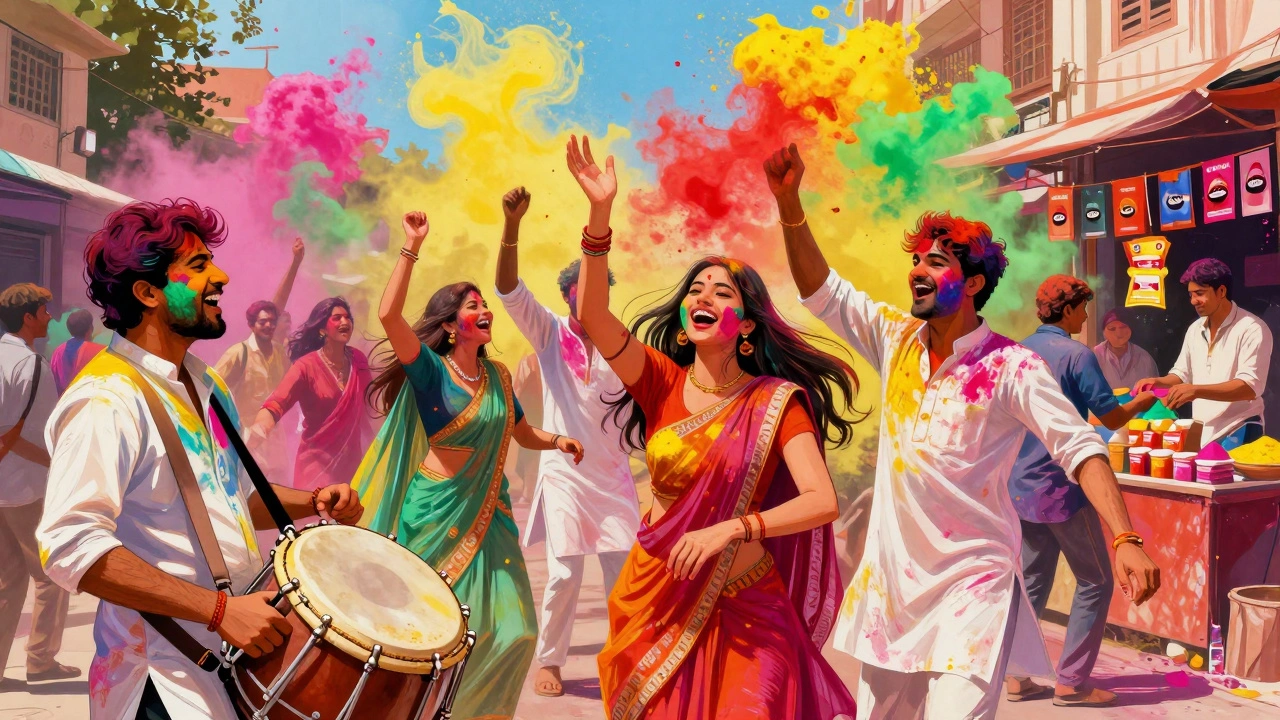
- Festivals: Holi, Diwali, and Raksha Bandhan are celebrated not just in India, but in over 100 countries. Holi alone-where people throw colored powder and dance in the streets-is now a global phenomenon, from Sydney to New York.
- Music and dance: Classical Indian music, especially the sitar and tabla, became famous worldwide through artists like Ravi Shankar. Bollywood dance routines are taught in dance studios from London to Tokyo.
- Cuisine: Butter chicken, naan, samosas-these aren’t just restaurant dishes. They’re comfort food in many countries. India’s food exports now top $40 billion annually, mostly from North Indian recipes.
Even the way people dress-saris, sherwanis, turbans-is most associated with North India. When a foreigner imagines an Indian person, they usually picture someone from this region.
But Is It Really the “Most Famous”? What About the Rest?
Here’s the catch: calling North Indian culture the “most famous” doesn’t mean it’s the most important, or even the most diverse.
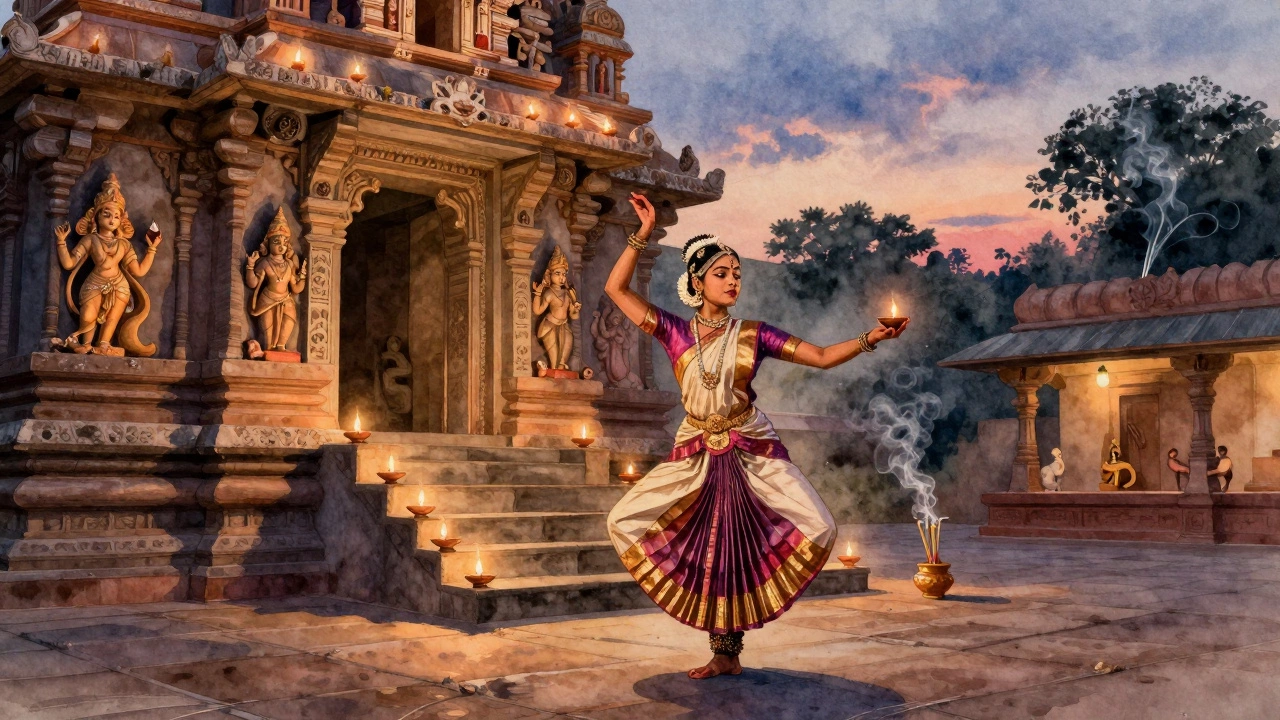
South India has its own powerful cultural identity. The temples of Tamil Nadu, like Meenakshi in Madurai, are architectural wonders older than the Taj Mahal. Bharatanatyam, a classical dance form from Tamil Nadu, is over 2,000 years old and deeply spiritual. The Carnatic music system is as complex as Western classical music, but far less known abroad.
Then there’s West India: Maharashtra’s Ganesh Chaturthi festival draws 10 million people in Mumbai alone. Gujarat’s Navratri nights turn cities into massive dance floors with dandiya sticks and garba rhythms.
And East India? Bengal’s Durga Puja is one of the largest cultural events on Earth, with over 100,000 pandals (temporary shrines) lit up across Kolkata. The art, music, and food of Bengal are so rich that UNESCO recognizes its terracotta temples and sweets as cultural treasures.
North India may be the most visible, but it’s not the most varied. India’s real strength is its cultural pluralism. In one state, you might find a Jain temple next to a Sufi shrine, a Sikh gurdwara, and a Christian church-all within walking distance. That’s not unique to one region. It’s true across the country.
Why Cultural Tourism Favors North India
For travelers, North India is easier to access. Major airports are in Delhi, Jaipur, and Agra. Trains run frequently between heritage sites. English is more widely spoken. Signs are clearer. Hotels and tour operators cater heavily to international tourists here.
Compare that to, say, the tribal cultures of Odisha or the remote monasteries of Ladakh. These places have deeper traditions, but fewer tourists because of logistics, language barriers, or lack of infrastructure. That doesn’t make them less authentic-it just makes them less visible.
That’s why cultural tourism in India is dominated by North India. Tour operators package “India in 7 Days” around the Golden Triangle: Delhi, Agra, Jaipur. It’s efficient. It’s photogenic. It’s what most people expect.
The Real Answer: India Has No Single Culture
So, what is the most famous culture in India? The answer is North Indian culture-because it’s the one the world sees most. But the truth? India’s culture isn’t a single thing. It’s a mosaic.
A Tamil Brahmin priest chants Sanskrit hymns in a 1,200-year-old temple. A Punjabi farmer sings Bhangra at harvest. A Bengali grandmother teaches her granddaughter how to make rasgulla. A Kashmiri weaver hand-stitches a pashmina shawl. A tribal artist in Chhattisgarh paints stories on walls using natural dyes.
All of these are Indian culture. All of them matter. The fame of North India doesn’t erase the depth of the south, the rhythm of the east, or the quiet beauty of the northeast. It just means that’s the version that made it onto the global stage.
If you want to understand India, don’t just visit the Taj Mahal. Go to a village temple in Kerala. Join a street festival in Assam. Eat idli in Chennai. Listen to a qawwali in Delhi. Culture isn’t a monument. It’s a living, breathing thing-and India has more of it than any country on Earth.
What You’ll Miss If You Only See North India
Many travelers leave India after seeing the Taj, Jaipur’s palaces, and Varanasi’s ghats. They think they’ve seen “India.” But they’ve only seen one layer.
Here’s what they miss:
- The silent beauty of the Ajanta caves in Maharashtra-ancient Buddhist murals painted 2,000 years ago.
- The bamboo and cane crafts of Manipur, passed down through 15 generations of women.
- The unique tribal dances of Arunachal Pradesh, where every movement tells a story from oral history.
- The temple festivals of Andhra Pradesh, where elephants carry deities through streets lined with oil lamps.
- The street food of Hyderabad, where Persian, Turkish, and Telugu flavors fused into one of India’s most distinctive cuisines.
These aren’t side notes. They’re core parts of Indian identity. But because they’re not on tourist maps, they’re often forgotten.
| Region | Key Cultural Feature | Global Recognition |
|---|---|---|
| North India | Holi, Mughal architecture, Bollywood, biryani | Very High |
| South India | Bharatanatyam, Dravidian temples, idli-dosa, Carnatic music | Moderate |
| West India | Navratri, Durga Puja (in Maharashtra), Gujarati textiles | High |
| East India | Durga Puja (Kolkata), Bengali literature, terracotta art | High |
| Northeast India | Tribal dances, bamboo crafts, indigenous festivals | Low |
Final Thought: Fame Isn’t Depth
The most famous culture in India isn’t the deepest, oldest, or most complex. It’s just the most exposed. And that’s okay. But if you really want to experience India, don’t settle for the postcard version.
Go beyond the Taj. Taste the food you’ve never heard of. Talk to someone who speaks a language you don’t understand. Watch a dance you can’t name. Let yourself be surprised.
That’s when you’ll realize: India’s culture isn’t famous because it’s simple. It’s famous because it’s endless.
Is North Indian culture the only true Indian culture?
No. India has over 2,000 distinct cultural groups. North Indian culture is the most visible globally, but South, East, West, and Northeast India each have ancient, rich traditions that are just as valid. A Tamil temple, a Bengali festival, or a tribal dance in Assam are all core parts of Indian heritage.
Why is North Indian culture so dominant in tourism?
North India has better infrastructure for tourists-major airports, English-speaking guides, well-preserved monuments like the Taj Mahal, and easy train connections. It’s also where Bollywood and Hindi media are based, making its culture more widely marketed. But this doesn’t mean it’s more authentic.
What’s the most underrated cultural experience in India?
The tribal festivals of Northeast India, like the Hornbill Festival in Nagaland, are among the most unique. These events blend music, dance, food, and ancestral rituals in ways untouched by mass tourism. They’re not on most itineraries-but they’re some of the most alive cultural expressions in the country.
Do all Indians celebrate Diwali and Holi?
Most do, but not all. Diwali is widely celebrated across India, but some communities, like certain Christian or Muslim groups, don’t observe it. Holi is mainly a Hindu and Sikh festival, though many non-Hindus join in. In places like Kerala or the Northeast, local festivals like Onam or Losar are far more central than Holi.
Can you experience Indian culture without visiting North India?
Absolutely. In Tamil Nadu, you can witness a 1,000-year-old temple festival with music, dance, and ritual bathing. In Gujarat, you can join a night of Garba dancing that lasts until dawn. In Bengal, you can watch thousands light oil lamps for Durga Puja. India’s culture is everywhere-you just have to look beyond the tourist trail.