Quality of Life Calculator
Find Your Best Fit City
Compare Pune, Hyderabad, and Chandigarh based on what matters most to you. Adjust the sliders to prioritize each quality of life factor.
Your Priorities
How It Works
Each city gets points based on your priority weights. We compare:
- PM2.5 air quality (lower = better)
- Cost of living (rent for 2BR apartment)
- Healthcare quality (hospital ratings)
- Crime rates (safety for families)
Your Best Match
Pune
Balanced quality of life
Hyderabad
Tech hub with affordability
Chandigarh
Planned city with stability
When people ask which Indian city has the best quality of life, they’re not just looking for clean streets or cheap chai. They want to know where they can breathe easily, find a job that pays well, send their kids to a good school, and still have time to sit in a park without hearing honking for ten minutes straight. The answer isn’t one city. It’s a mix of factors-air quality, healthcare, safety, cost of living, and even how often you can walk to a grocery store without needing a car.
Pune: The Balanced Choice
Pune stands out because it doesn’t scream for attention, but it delivers. The air quality in Pune is better than Delhi’s by nearly 40%, according to 2025 data from the Central Pollution Control Board. It’s not perfect-monsoon smog still rolls in-but it’s consistently in the ‘moderate’ range, not ‘hazardous’ like many northern cities.
Salaries here are high for mid-level professionals. A software engineer earns an average of ₹12.5 lakh per year, close to Bengaluru but with 25% lower rent. Public schools like Fergusson College and private options like Bishop Cottons offer solid education. Hospitals like Deenanath Mangeshkar and Ruby Hall are ranked among India’s top 10 for patient satisfaction.
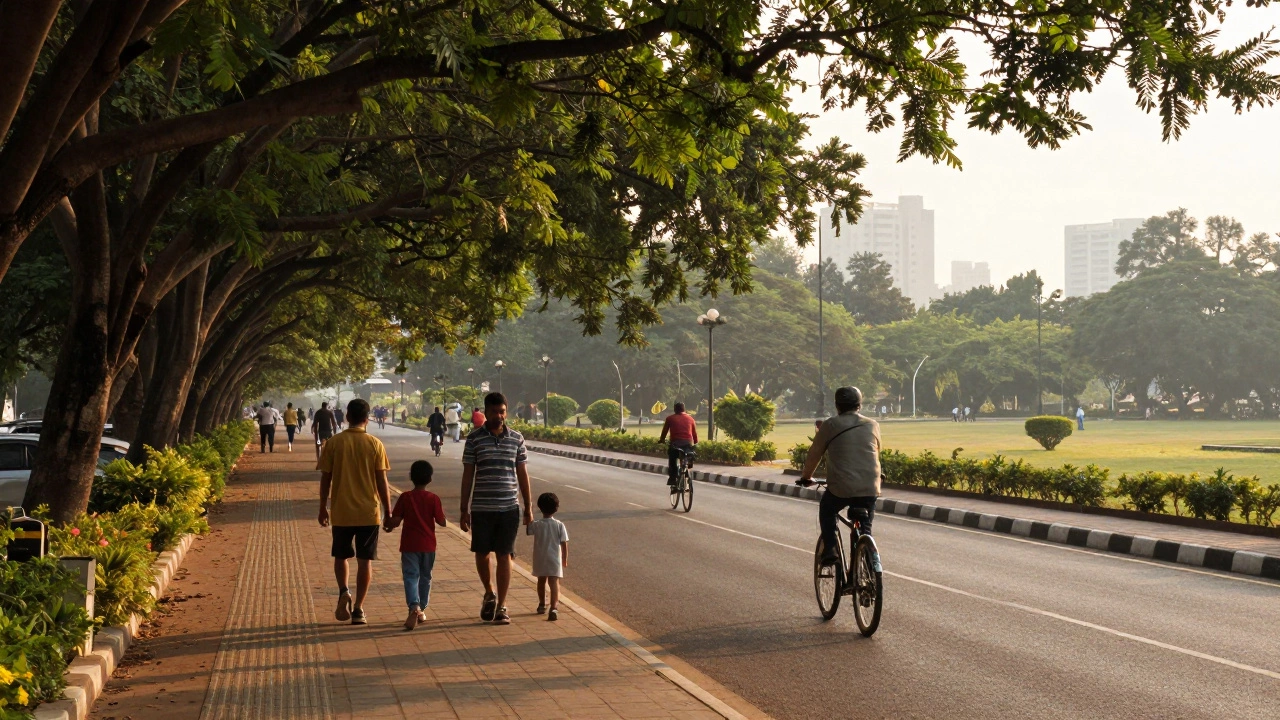
Walkability is a real thing here. The city center has wide sidewalks, tree-lined avenues, and bike lanes. You can get from Koregaon Park to the railway station in 20 minutes on foot. There are 17 public parks larger than 5 acres, and most are well-maintained. Pune doesn’t have the glitz of Mumbai or the history of Jaipur, but it has something rarer: stability.
Hyderabad: The Hidden Gem
Hyderabad is often left out of these conversations because people think of it as just a tech hub. But it’s quietly become one of India’s most livable cities. The cost of living is 18% lower than Bengaluru and 30% lower than Delhi. Rent for a 2-bedroom apartment in Jubilee Hills? Around ₹28,000 a month. In South Mumbai? Over ₹80,000.
Water supply is reliable. Unlike Chennai or Ahmedabad, Hyderabad doesn’t have weekly water cuts. The city’s water management system, built after the 2016 drought, now stores and recycles over 70% of its wastewater. That’s more than any other major Indian city.
Healthcare is another win. Apollo Hospitals in Hyderabad has one of the lowest patient wait times in the country-under 15 minutes for emergency triage. The city also has the highest number of private clinics per capita in South India.
And then there’s safety. Hyderabad’s crime rate against women is 35% lower than Delhi’s. Street lighting is good, CCTV coverage is widespread, and police response time averages 7 minutes. For families, that matters more than fancy malls.
Chandigarh: The Planned Advantage
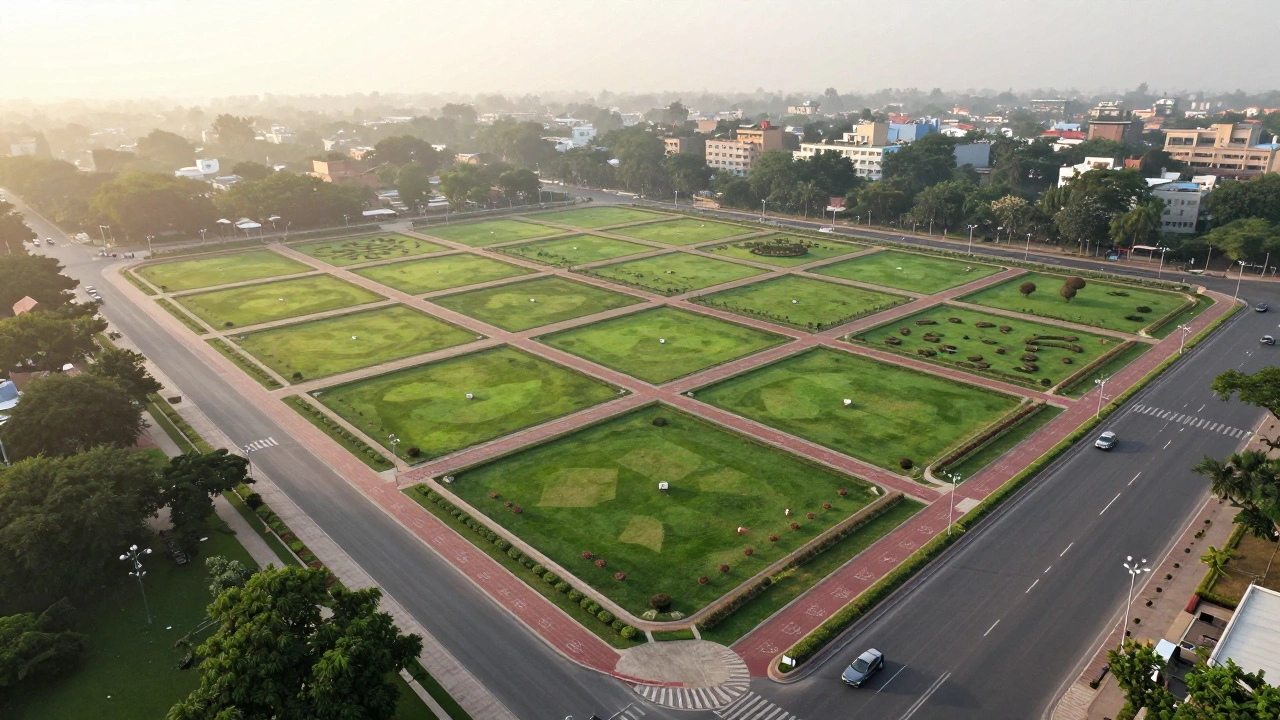
Chandigarh was built in the 1950s as India’s first planned city. And it still works. The grid layout means no traffic jams. The roads are wide, the cycle paths are connected, and the green cover is 35%-the highest among all Indian metros.
Water and electricity are 24/7. No load-shedding. No water rationing. The municipal corporation has a 98% waste collection rate. You won’t see garbage piles on the roadside here. Even the stray dogs are managed through a government-funded sterilization program.
Education is top-tier. The city has 12 CBSE schools rated ‘A+’ by the National Assessment and Accreditation Council. The government-run hospitals, like PGIMER, are among the best in the country for specialized care. And yes, you can walk to a pharmacy, a dentist, and a supermarket within 10 minutes from almost any neighborhood.
Chandigarh’s biggest downside? It’s small. If you crave nightlife, big concerts, or international food, you’ll miss it. But if you want quiet, clean, and predictable-this is it.
Why Not Delhi or Jaipur?
Delhi has the jobs. It has the airports. It has the museums. But its air quality is worse than Beijing’s during winter. In December 2024, Delhi’s PM2.5 levels hit 420 µg/m³. The WHO safe limit is 5. That’s 84 times over. Hospitals report a 60% spike in asthma cases every November.
Jaipur is beautiful. The forts, the bazaars, the food. But the infrastructure is stretched thin. Water shortages hit every summer. Traffic moves at 8 km/h during rush hour. Public transport is unreliable. The city’s population grew by 40% in the last decade, but roads and sewage systems didn’t keep up.
These cities are cultural powerhouses. But culture doesn’t pay your electricity bill or keep your child from getting sick.
What About Bengaluru and Chennai?
Bengaluru is still the tech capital, but the quality of life has dropped sharply. Traffic is worse than ever. The metro doesn’t reach half the city. Water supply is erratic-many neighborhoods get water only three times a week. The city’s lakes are polluted. The once-green suburbs are now concrete.
Chennai has better air quality than Delhi, but its public services are crumbling. Roads flood every monsoon. The water supply is aging. Power cuts are common. The city’s population is older, and healthcare access for seniors is limited.
Neither city feels like a place you’d want to raise a family in-not anymore.
Who Is This For?
If you’re a young professional looking to settle down, Pune and Hyderabad are your best bets. You’ll get a good salary, decent housing, and a future that doesn’t involve breathing filtered air.
If you’re retired or want peace, Chandigarh is unmatched. The pace is slow, the air is clean, and the community is tight-knit.
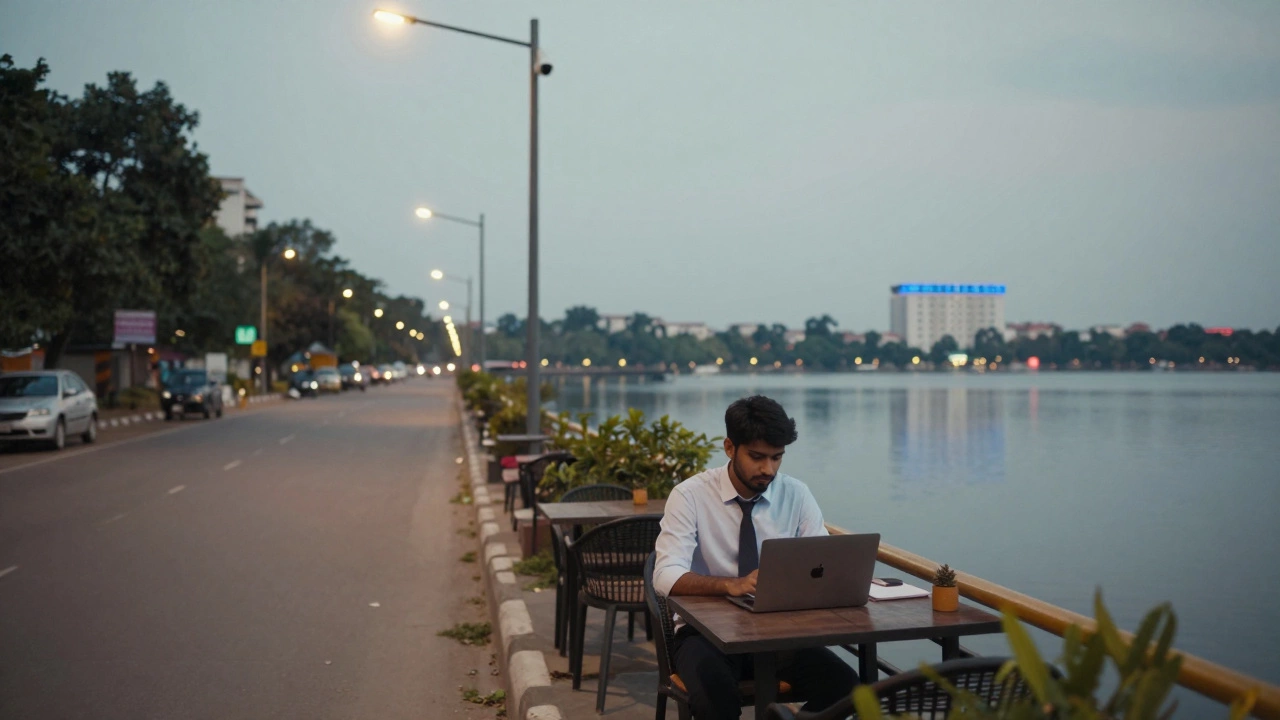
If you’re a digital nomad or freelancer, Hyderabad’s co-working spaces and reliable internet make it ideal. You can work from a café, take a walk by Hussain Sagar Lake, and still have time to cook dinner.
There’s no single ‘best’ city. But if you prioritize health, safety, and daily convenience over nightlife or tourism, these three-Pune, Hyderabad, Chandigarh-are the only ones that truly deliver.
What You Should Do Next
Don’t just pick a city because it’s trending. Visit first. Spend a week in each. Try living like a local: take public transport, buy groceries at the local market, walk to the nearest clinic. See how long you wait for a bus. Check if the water tastes okay. Ask a resident what they’d change about their city.
Use this checklist:
- Check air quality data for the last 6 months (use airvisual.com or aqicn.org)
- Look up water supply reliability on the municipal website
- Compare rent for a 2-bedroom apartment in your target area
- Check hospital ratings on the National Health Stack portal
- Walk for 30 minutes from your potential home-can you reach essentials?
Quality of life isn’t about Instagram views. It’s about how you feel at 7 a.m. on a Monday when the power’s on, the water’s flowing, and you don’t have to cough just to breathe.
Is Pune safer than Delhi for families?
Yes. Pune’s crime rate is 52% lower than Delhi’s, and violent crime against women is 68% lower. Police response time averages 8 minutes in Pune compared to 15 in Delhi. The city also has better street lighting and more community policing.
Which city has the best healthcare in India?
Chandigarh and Hyderabad lead in healthcare access and outcomes. Chandigarh’s PGIMER is ranked #1 for patient satisfaction in North India. Hyderabad’s Apollo Hospitals has the fastest emergency triage times nationwide. Pune’s Deenanath Mangeshkar ranks among the top 5 for cardiac care.
Can I afford to live in Hyderabad on a salary of ₹15 lakh per year?
Absolutely. With a ₹15 lakh salary, you can afford a 2-bedroom apartment in Jubilee Hills (₹28,000/month), cover utilities, groceries, and school fees, and still save 30-40% of your income. The cost of living is 20% lower than Bengaluru and 35% lower than Mumbai.
Is Chandigarh too quiet for young people?
It depends on what you want. Chandigarh has no clubs, no late-night bars, and limited international dining. But it has excellent cafes, weekend markets, hiking trails in the Shivaliks, and a strong arts scene. If you value peace over nightlife, it’s perfect. If you need constant entertainment, look elsewhere.
Which city has the cleanest air in India?
Chandigarh has the cleanest air among major Indian cities, with average PM2.5 levels of 45 µg/m³ in 2025. Pune follows at 58 µg/m³. Hyderabad is at 62 µg/m³. Delhi averages 185 µg/m³-over three times worse than Chandigarh.
Final Thought
The best quality of life isn’t about how many five-star hotels a city has. It’s about whether you can send your kid to school without worrying about smog. Whether you can walk to a pharmacy at 10 p.m. without fear. Whether your water tastes clean and your air doesn’t burn your throat.
Those are the things that make a city home. And in 2025, those things are most consistently found in Pune, Hyderabad, and Chandigarh.