When people ask which state is best for tourism in India, they’re usually not looking for a single answer. They want to know where they’ll get the most out of their trip-whether it’s ancient temples, mountain views, royal palaces, or vibrant street food. The truth? No one state wins across the board. But if you’re planning a trip to North India, a few states stand out for their mix of history, culture, natural beauty, and ease of travel.
Rajasthan: The Jewel of North India Tourism
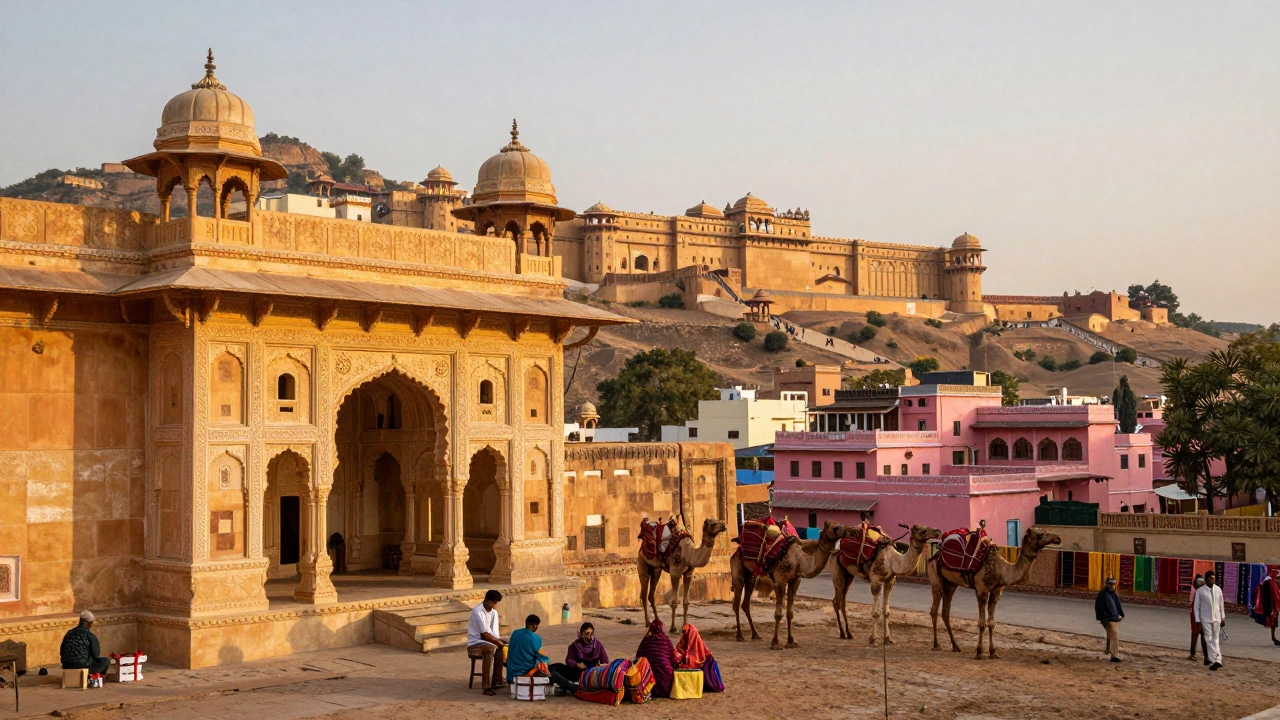
Rajasthan isn’t just popular-it’s iconic. Think golden deserts, forts that climb hills like castles from a fairy tale, and cities painted in bright blues and pinks. Jaipur, the Pink City, draws crowds with its Amber Fort, City Palace, and bustling bazaars. Udaipur’s Lake Pichola and white marble palaces feel like stepping into a Mughal dream. Jaisalmer’s desert campfires under starlit skies and Jodhpur’s blue-hued homes offer experiences you won’t find anywhere else.
What makes Rajasthan work for most travelers? It’s the balance. You can spend a morning exploring a 12th-century fort, lunch on spicy dal baati churma, ride camels at sunset, and sleep in a restored haveli with modern AC. The infrastructure is built for tourists-guided tours, reliable transport, and English-speaking staff are everywhere. Over 12 million foreign tourists visited Rajasthan in 2024, more than any other Indian state.
Uttarakhand: For Nature and Spirituality
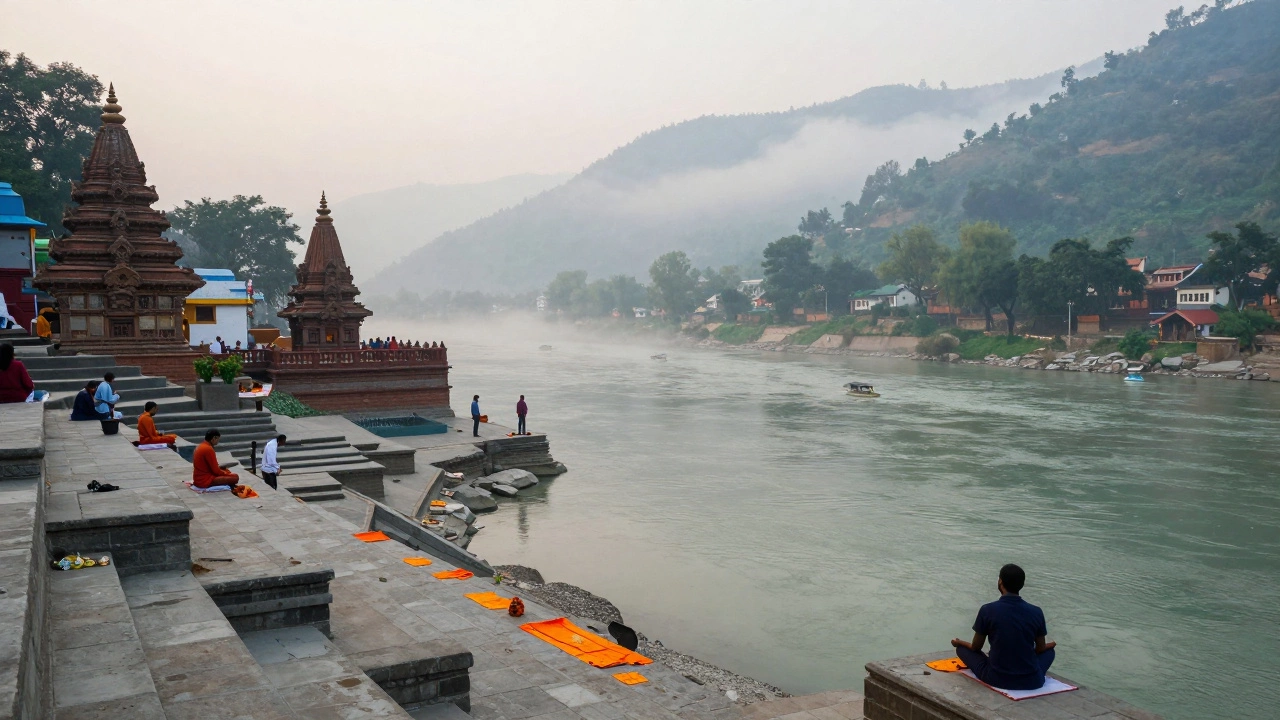
If you want mountains, rivers, and quiet temples, Uttarakhand is your pick. The state holds two of Hinduism’s holiest sites: Haridwar and Rishikesh. Pilgrims come to bathe in the Ganges at Haridwar’s ghats, while yogis and backpackers flock to Rishikesh for meditation and river rafting.
But it’s not all spiritual. The hill stations of Mussoorie and Nainital offer cool breezes and lake views that feel worlds away from Delhi’s heat. Auli’s ski slopes draw winter crowds, and the Valley of Flowers, a UNESCO site, blooms with wildflowers every summer. Trekking routes like Kedarkantha and Dayara Bugyal are popular with adventure seekers.
Unlike Rajasthan, Uttarakhand isn’t about luxury palaces. It’s about raw beauty and peace. The downside? Roads can be narrow and landslides common in monsoon season. If you’re traveling between June and September, plan ahead.
Uttar Pradesh: History on a Grand Scale
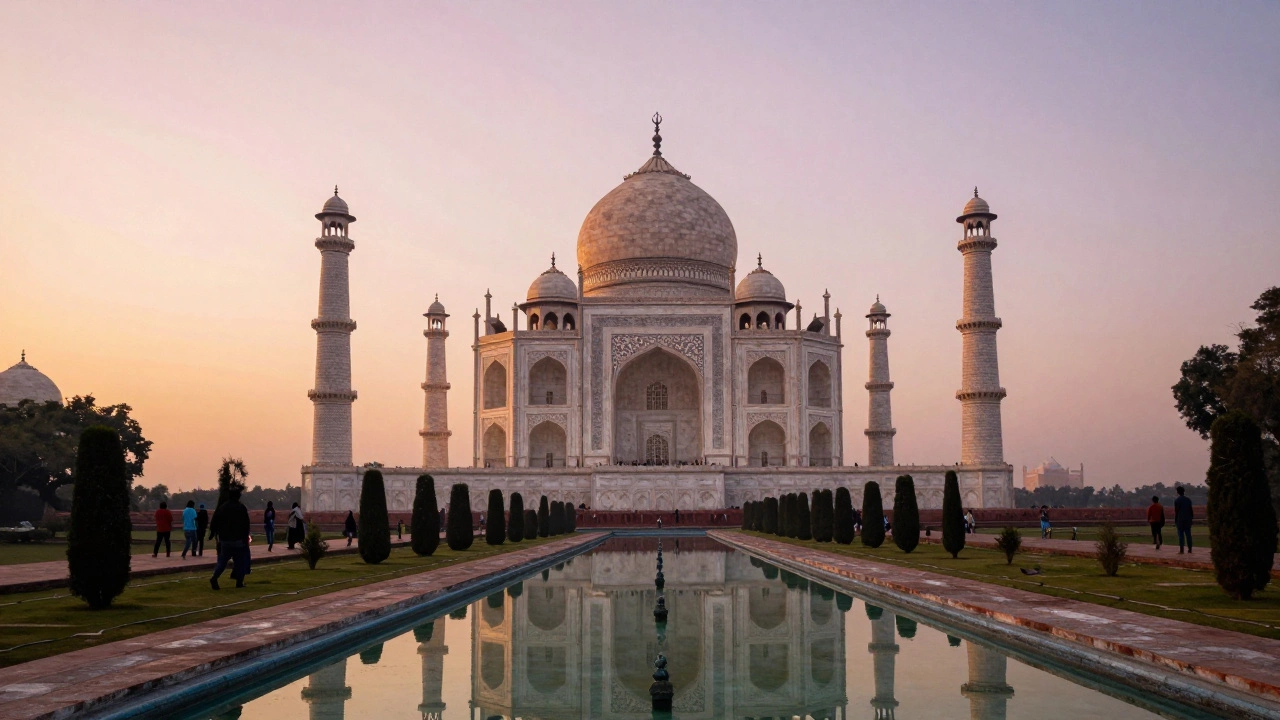
Uttar Pradesh is home to the Taj Mahal-the most photographed building in India. But that’s just the start. Agra Fort, Fatehpur Sikri, and the ancient city of Varanasi make this state a history lover’s dream.
Varanasi, on the banks of the Ganges, is one of the oldest continuously inhabited cities in the world. At dawn, you’ll see hundreds of pilgrims performing rituals along the ghats, while priests chant Vedic hymns. The spiritual energy here is palpable. In contrast, Lucknow offers Mughal architecture, exquisite kebabs, and a slower pace.
What sets Uttar Pradesh apart? Scale. The Taj Mahal alone draws over 7 million visitors a year. But unlike Rajasthan, where everything feels curated for tourists, Uttar Pradesh can feel chaotic. Crowds at the Taj can be overwhelming, and public transport outside major cities is limited. Still, if you want to see India’s most famous monument and feel the pulse of ancient religious traditions, this is the place.
Himachal Pradesh: The Adventure and Escape
Himachal Pradesh is where India meets the Himalayas. Shimla, the old British summer capital, still has colonial bungalows and a toy train that winds through pine forests. Manali is the base for treks to Rohtang Pass and Solang Valley, while Dharamshala is home to the Dalai Lama and a thriving Tibetan community.
For adventure, this state wins. Paragliding in Bir Billing, river rafting in Kullu, and skiing in Solang are all world-class. In winter, the snow-capped peaks turn the region into a postcard. The locals are friendly, English is widely spoken, and the food-momos, thukpa, and local trout-is delicious.
The catch? Himachal is expensive compared to other North Indian states. A basic guesthouse in Shimla costs twice as much as one in Jaipur. And during peak season (April-June, October-November), prices spike and bookings fill up fast. But if you want clean air, mountain views, and outdoor thrills, it’s hard to beat.
Punjab: Culture, Food, and Warmth
Punjab doesn’t always make the top tourist lists, but it should. Amritsar’s Golden Temple is one of the most visited religious sites on Earth, with over 100,000 people walking through its gates every day. The temple serves free meals (langar) to everyone, regardless of religion or background. That’s not a show-it’s daily life.
Then there’s the food. Butter chicken, sarson ka saag, makki di roti, and lassi served in clay cups-Punjab is the culinary heart of North India. The people are loud, proud, and welcoming. Even if you don’t speak Hindi, you’ll be invited to share a meal.
It’s not a place for quiet solitude or mountain views. But if you want to taste real Indian hospitality, feel the energy of a living culture, and eat some of the best food in the country, Punjab delivers.
How to Choose? Match Your Travel Style
So which state is best? It depends on what you’re looking for.
- For history and palaces: Go to Rajasthan. It’s the most complete package for first-time visitors.
- For spiritual depth and nature: Choose Uttarakhand. The mountains and temples create a rare calm.
- For the Taj Mahal and ancient cities: Uttar Pradesh is non-negotiable.
- For adventure and mountain escapes: Himachal Pradesh is your best bet.
- For food, warmth, and culture: Don’t skip Punjab.
Most travelers combine two or three. A common route: Delhi → Agra → Jaipur → Pushkar → Rishikesh. That’s a 10-day trip covering the highlights of four states. You’ll see forts, temples, deserts, and rivers-all in one journey.
When to Go
North India has three main seasons: hot, monsoon, and cool.
- October to March is ideal. Days are sunny, nights are cool, and crowds are manageable outside of December holidays.
- April to June is brutally hot, especially in Rajasthan and Uttar Pradesh. Temperatures hit 45°C (113°F).
- July to September brings heavy rain. Roads in Uttarakhand and Himachal can close. But this is when the Valley of Flowers blooms.
If you want to avoid crowds and enjoy good weather, aim for late October to early December or late February to early April.
What You’ll Miss If You Skip North India
South India has temples and beaches. The Northeast has jungles and tribes. But North India is where India’s identity was shaped-for over a thousand years. The Mughals built their greatest monuments here. The British ruled from here. The freedom movement sparked here.
And today, it’s where you’ll find the most accessible, most varied, and most unforgettable experiences for travelers. You won’t just see India-you’ll feel it.
Is Rajasthan the most tourist-friendly state in India?
Yes, Rajasthan is the most tourist-friendly state in North India. It has well-developed infrastructure, English-speaking guides, a wide range of accommodations from budget hostels to luxury heritage hotels, and attractions that cater to all interests-history, culture, food, and adventure. It’s the go-to destination for first-time visitors to India.
Can I visit the Taj Mahal and Jaipur in the same trip?
Absolutely. The Taj Mahal is in Agra, which is just 2.5 hours by train from Jaipur. Many travelers do a Delhi-Agra-Jaipur circuit in 5-7 days. Trains are reliable, affordable, and safe. You can even take a day trip from Jaipur to Agra if you’re short on time.
Is North India safe for solo travelers?
Yes, North India is generally safe for solo travelers, especially in popular tourist areas like Jaipur, Delhi, Rishikesh, and Manali. However, it’s important to be aware of your surroundings, avoid walking alone at night in unfamiliar areas, and dress modestly. Women travelers may find that staying in guesthouses or boutique hotels with good reviews offers more comfort and security.
Which state has the best food in North India?
Punjab is widely considered to have the best food in North India. Dishes like butter chicken, tandoori roti, sarson ka saag, and fresh lassi are unmatched. But Delhi and Uttar Pradesh also offer incredible street food-chaat in Delhi’s Chandni Chowk and kebabs in Lucknow’s old city are legendary.
Should I hire a guide in North India?
Hiring a guide is highly recommended for historical sites like forts, palaces, and temples. A good guide brings the history to life-without one, you might just see stone walls. Many sites offer official guides at the entrance. Avoid touts who approach you aggressively. Book through your hotel or a reputable agency for better quality and fair pricing.
Final Tip: Don’t Just Pick One State
The real secret? Don’t choose just one. North India isn’t a single destination-it’s a journey. Start in Delhi, head to Agra for the Taj, then to Jaipur for the forts, up to Rishikesh for peace, and end in Amritsar for the Golden Temple. You’ll see deserts, mountains, rivers, and cities-all in one trip. That’s the magic of North India. It doesn’t just show you the past. It lets you live it.