North India Tourism Preference Calculator
Answer these questions to discover which North Indian state best matches your travel preferences. Select all that apply.
If you're planning a trip to North India, you're not just choosing a destination-you're picking a whole experience. From snow-capped mountains to desert forts, ancient temples to bustling bazaars, this region packs more variety than most countries. But when it comes to North India tourism, one state stands out above the rest. Is it Rajasthan with its golden dunes and royal palaces? Or Uttar Pradesh, home to the Taj Mahal and Varanasi’s spiritual chaos? Maybe it’s Himachal Pradesh, where the air is crisp and the trails are endless? Let’s cut through the noise and find out which state truly delivers the most unforgettable travel experience.
Rajasthan: The Jewel of North India
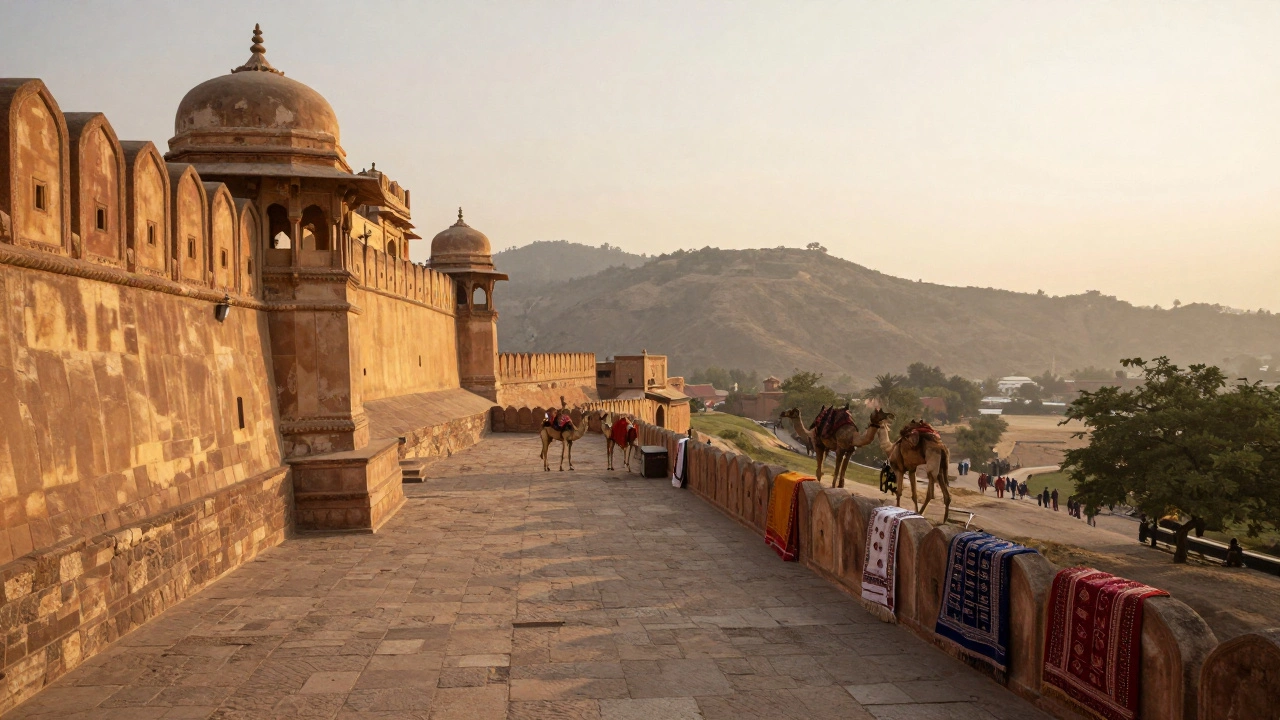
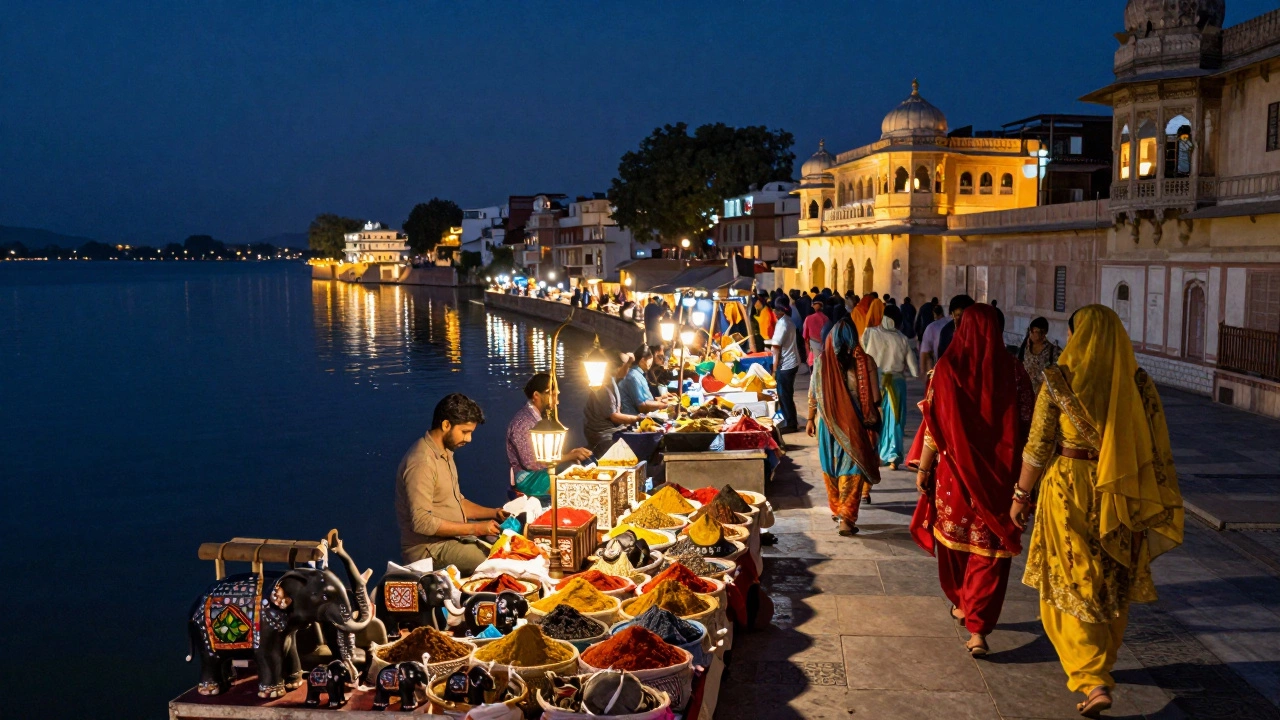
Rajasthan isn’t just a state-it’s a living museum. Think of Jaipur, the Pink City, where palaces glow under the sun and street vendors sell hand-painted miniature elephants. Then there’s Jaisalmer, a desert fortress carved from sandstone, where camel caravans still move like they did centuries ago. Udaipur floats on Lake Pichola, its white marble palaces reflected in still water like a painting. And let’s not forget the forts: Chittorgarh, Mehrangarh, Kumbhalgarh-each one a story of bravery, betrayal, and beauty.
What makes Rajasthan special isn’t just the sights. It’s the culture. Folk music echoes in village squares. Women in bright odhnis weave textiles using techniques passed down for generations. The food? Spicy, rich, and unforgettable-dal baati churma, gatte ki sabzi, and sweet lassi served in clay cups. If you want to feel like you’ve stepped into a royal epic, Rajasthan delivers.
But here’s the catch: it’s busy. Peak season (October to March) means crowds at every major site. And while the desert is magical, summer temperatures can hit 50°C. You need to plan ahead.
Uttar Pradesh: Where History Breathes
If you care about history, Uttar Pradesh is the heart of India’s past. The Taj Mahal in Agra isn’t just a monument-it’s a symbol of love, built with over 20,000 workers and 1,000 elephants. It draws nearly 8 million visitors a year. But Agra isn’t the whole story. Firozabad’s glass bangles, Mathura’s Krishna temples, and the sacred ghats of Varanasi make this state a spiritual powerhouse.
Varanasi is where life and death meet. Every morning, pilgrims bathe in the Ganges. Every evening, funeral pyres glow along the riverbanks. It’s intense, raw, and deeply moving. If you’re looking for a spiritual journey, this is the place. But it’s not for everyone. The noise, the chaos, the smells-it can overwhelm. And while the Taj Mahal is breathtaking, it’s also one of the most photographed places on Earth. You’ll be elbow-to-elbow with tourists.
Uttar Pradesh is perfect if you want depth. But if you’re after peace, relaxation, or easy logistics, it might not be the best fit.
Himachal Pradesh: The Escape to Nature
When you need to get away-from the noise, the heat, the crowds-Himachal Pradesh is the answer. Shimla, with its colonial charm and toy train rides, feels like a step back in time. Manali is the adventure hub: paragliding over the Beas River, trekking to Rohtang Pass, or just sitting by a campfire with mountain views. Dharamshala is quieter, home to the Dalai Lama and Tibetan monasteries where you can sip butter tea in silence.
Unlike Rajasthan or Uttar Pradesh, Himachal doesn’t scream for attention. It whispers. You don’t come here for palaces or pyres. You come for clean air, quiet trails, and the kind of peace that resets your soul. The state has over 1,200 kilometers of trekking routes, from easy walks to multi-day expeditions. And the food? Simple, wholesome, and warm-momos, thukpa, and local trout.
But there’s a downside. Winter brings heavy snow. Roads to Spiti and Kinnaur close. The best time to visit is between March and June, or September and November. And while it’s beautiful, it’s not cheap. Accommodation and transport add up fast.
Punjab: The Hidden Gem
Most travelers skip Punjab. That’s their loss. Amritsar’s Golden Temple is one of the most peaceful places in India. Thousands gather daily to sing hymns, eat free meals (langar), and walk barefoot on marble floors. The temple serves over 100,000 meals every single day-no matter who you are, where you’re from, or what you believe.
Punjab’s culture is loud, joyful, and full of life. Bhangra music, butter chicken, and lassi so thick you need a spoon. The state is also the gateway to the Wagah Border ceremony-a daily flag-lowering ritual that feels like a patriotic parade. And if you’re into history, the Jallianwala Bagh memorial is hauntingly powerful.
Punjab is affordable, safe, and deeply welcoming. But it lacks the iconic landmarks that draw international tourists. It’s not on most bucket lists. That’s why it’s often overlooked.
The Verdict: Rajasthan Wins
So which state is best for tourism in North India? The answer isn’t about one thing-it’s about balance.
Uttar Pradesh has the Taj Mahal, but it’s crowded and overwhelming. Himachal gives you peace, but it’s expensive and seasonal. Punjab is warm and authentic, but it doesn’t have the same global draw.
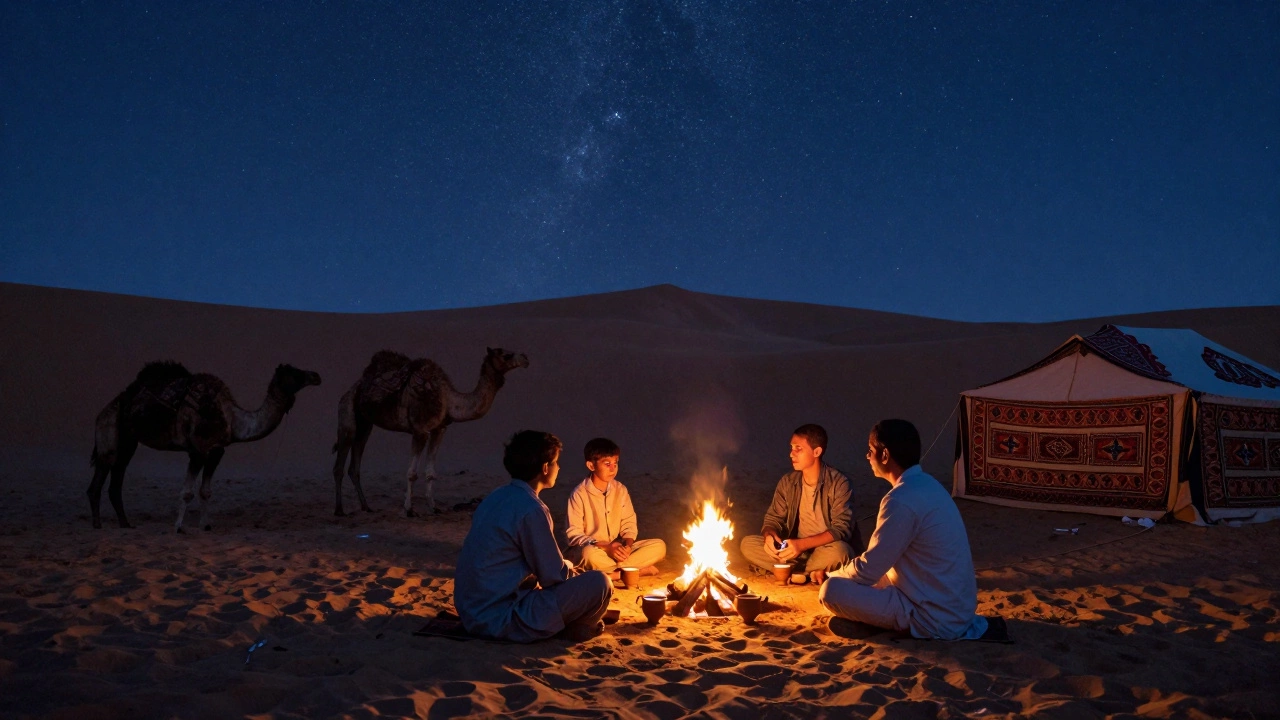
Rajasthan wins because it offers everything: history, culture, adventure, food, and beauty-all in one place. You can ride camels in the Thar Desert, explore marble palaces in Udaipur, shop in Jaipur’s bazaars, and sleep in a restored haveli under starlit skies. The infrastructure is built for tourists: good roads, reliable transport, English-speaking guides, and hotels that range from budget to palace luxury.
And unlike other states, Rajasthan doesn’t ask you to choose between nature and culture. You get both. The desert at sunset, the fort at dawn, the festival in Jodhpur, the silence of a desert camp. It’s immersive. It’s unforgettable. It’s the complete North Indian experience.
That’s not to say the others aren’t worth visiting. But if you only have time for one state in North India, make it Rajasthan. It’s the only one that delivers on every level-without compromise.
Quick Takeaways
- Rajasthan offers the most diverse and immersive experience for first-time visitors to North India.
- Uttar Pradesh is essential for history lovers but can feel overwhelming due to crowds and intensity.
- Himachal Pradesh is ideal for nature lovers and trekkers, but it’s costly and weather-dependent.
- Punjab is underrated, affordable, and deeply cultural-but lacks the iconic landmarks that draw global tourists.
- Rajasthan’s infrastructure, variety, and accessibility make it the top choice for most travelers.
Is Rajasthan safe for solo travelers?
Yes, Rajasthan is one of the safest states in India for solo travelers, especially in tourist areas like Jaipur, Udaipur, and Jodhpur. The local people are generally welcoming, and tourist zones have strong security presence. Women travelers should dress modestly and avoid isolated areas after dark, but most hostels and hotels are very used to international visitors. Just use common sense-you’ll be fine.
What’s the best time to visit Rajasthan for tourism?
The best time is between October and March. The weather is cool and dry, perfect for exploring forts and deserts. November and December are peak months, so book accommodations early. Avoid May to July-temperatures can soar above 45°C. April and September are good shoulder months with fewer crowds and decent weather.
Can I visit the Taj Mahal and Rajasthan in one trip?
Absolutely. Agra (Taj Mahal) is only 3 to 4 hours by train or car from Jaipur. Many travelers combine both in a 5- to 7-day itinerary. You can see the Taj in the morning, then hop on a train to Jaipur by afternoon. It’s one of the most popular routes in North India. You won’t waste time-just add a few extra days to your trip.
Are there budget-friendly options in Rajasthan?
Yes. While luxury heritage hotels are famous, you can find clean guesthouses in Jaipur and Udaipur for under $15 a night. Street food costs less than $2 per meal. Local buses and shared taxis are cheap and reliable. Many homestays in rural areas offer authentic experiences for under $20, including meals. Rajasthan is surprisingly affordable if you avoid tourist traps and stick to local options.
What should I pack for a trip to Rajasthan?
Light, breathable clothing for daytime, a scarf or shawl for temple visits (and to cover shoulders), comfortable walking shoes, sunscreen, sunglasses, and a reusable water bottle. Bring a small daypack for market visits. If you’re visiting in winter (Nov-Feb), pack a light jacket for chilly mornings. Don’t forget a power bank-outlets are hard to find on desert tours.