Wildlife Sanctuary Threat Risk Analyzer
Affects ranger salaries, equipment, and anti-corruption measures.
AI acoustic sensors, thermal drones vs. poacher signal jammers.
Continuous space vs. fragmented patches due to farming/roads.
Global demand for parts/ivory driving organized crime syndicates.
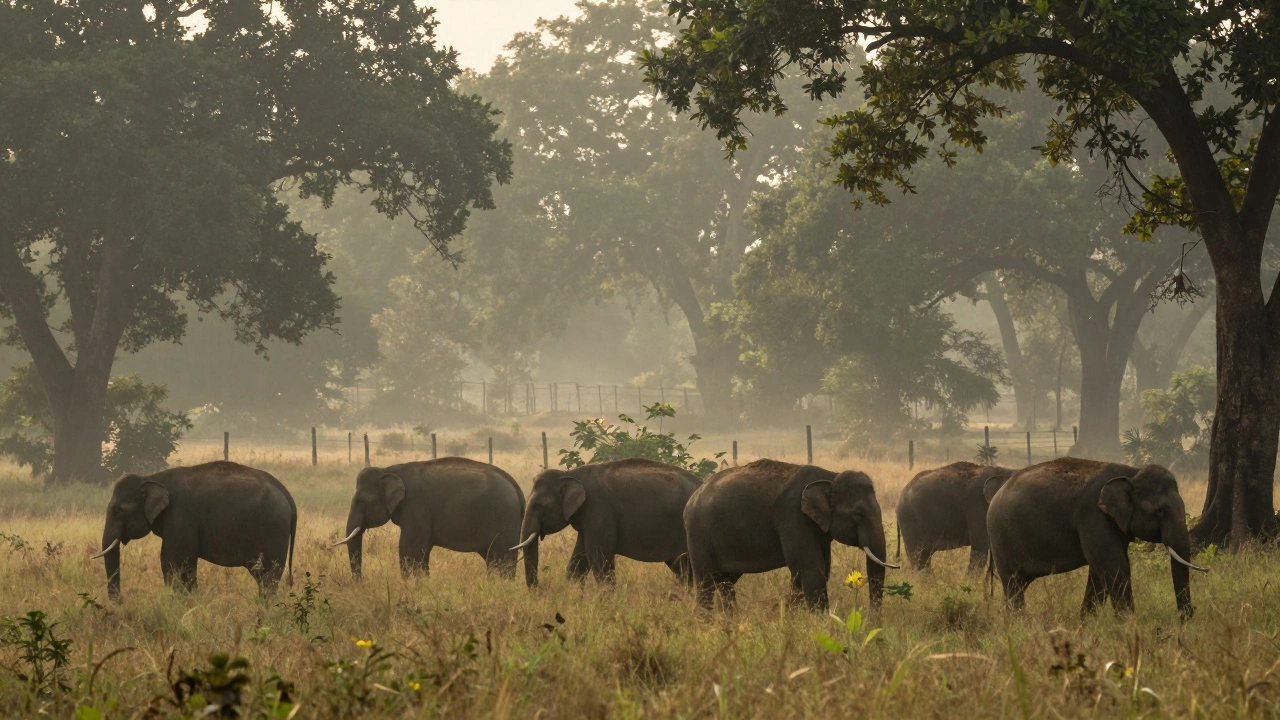
It feels reassuring to hear that an animal lives in a "protected" area. We picture fences, guards, and laws stopping harm. But reality is messier than a brochure suggests. A Wildlife Sanctuaryis a designated reserve where animals are kept under protection, often legally restricted from hunting and habitation isn't always a bubble of safety. By 2026, the role of these zones has shifted. They are frontlines in a war for survival, facing pressures from outside borders and hidden dangers within.
The True Definition of Protection
Many people treat a sanctuary like a prison for nature-locked down and secure. That is rarely the case. Unlike zoos, these spaces cover vast landscapes where wild behavior rules. Some regions allow controlled access for scientific research, while others restrict human entry entirely. The level of security depends heavily on local funding and political stability.
In places like the Serengeti or parts of the Amazon, the legal framework says "no poaching," but enforcement is a different story. If you ask whether an animal is safe here, the answer varies by location. A tiger in a well-funded reserve in South Asia has a much higher chance of reaching old age than a pangolin in a neglected region bordering high-demand markets. The label "sanctuary" guarantees legal protection, but physical safety requires active intervention.
Poaching and Organized Crime
Even inside boundaries, theft of life remains the biggest immediate threat. Criminal syndicates have evolved alongside conservation efforts. In 2025, reports indicated a spike in the use of drones for spotting herds, making traditional ground patrols less effective for Rangersare conservation staff who patrol wildlife areas to prevent poaching and protect biodiversity.
- Border Penetration: Perimeter fencing often leaves gaps that allow armed groups to slip through undetected.
- Insider Threats: Corrupt staff sometimes guide hunters directly to vulnerable animals.
- Tech Warfare: While rangers use thermal cameras, poachers use signal jammers to hide their tracks.
This creates a dangerous game of cat and mouse. In some African parks, elephant mortality rates fluctuated wildly based on political unrest nearby. When government control slips, crime rises instantly. For the animals, this means a sudden shift from safety to imminent danger overnight.
Hidden Dangers Within
Sometimes, the sanctuary itself introduces threats inadvertently. Introducing non-native species for aesthetic reasons or failed rehabilitation programs can disrupt food chains. If you bring in a predator to control rodents, you might accidentally starve a native bird population.
Disease outbreaks also spread easily in concentrated populations. In dense forest patches, viruses move fast between hosts. Without space to migrate away from infected zones, animals cluster around waterholes during droughts, turning those vital spots into infection hotspots. Conservationists call this the "density trap." More animals in one place helps breeding numbers initially, but one bad flu season can wipe out years of recovery progress.
Habitat Fragmentation and the Edge Effect
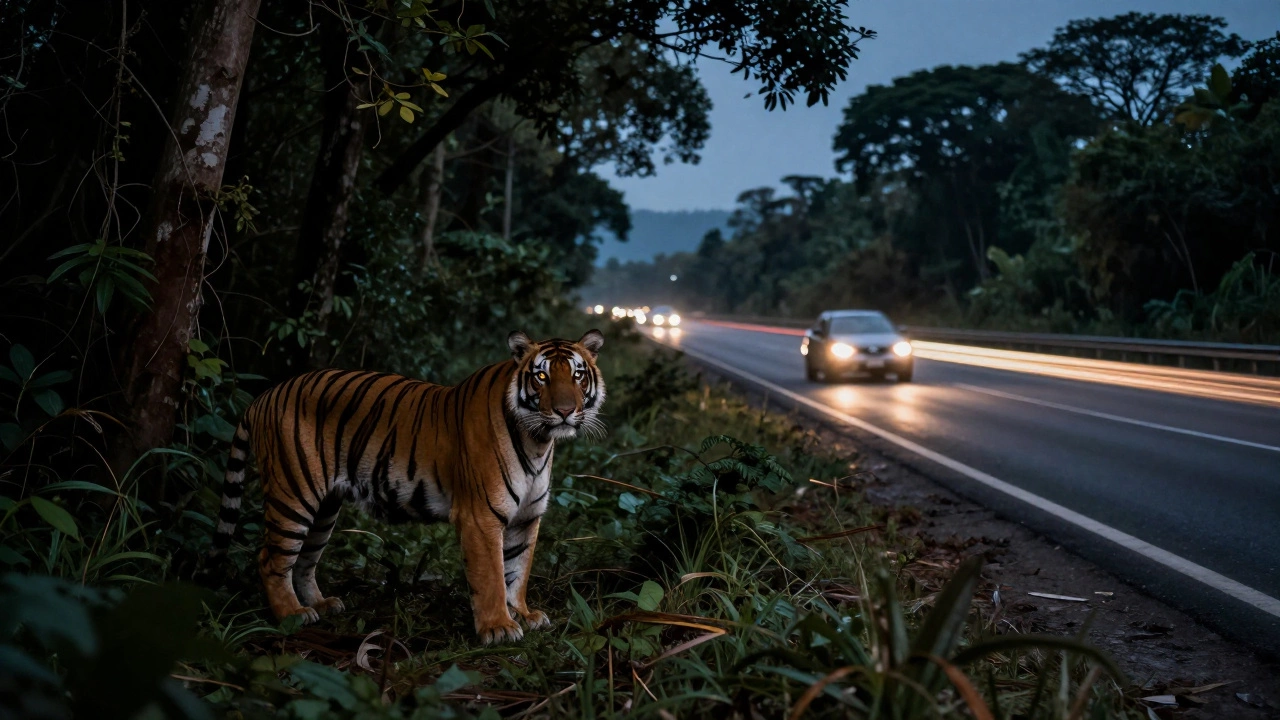
A common misconception is that the fence line is the limit of the territory. Wild creatures don't read maps. Elephants, rhinos, and bears need massive ranges. If the Habitat Fragmentationis the process where large continuous habitats are broken into smaller, isolated patches due to human development occurs outside the boundary, animals still suffer.
| Location | Primary Threat Type | Impact Level |
|---|---|---|
| Deep Core Zone | Human Encroachment | Low to Medium |
| Buffer Zone (Edge) | Farming, Roads | High |
| Migration Corridors | Tunnels, Fences | Critical |
Consider a leopard trying to cross a highway to reach another feeding patch. Even if its home base is safe, the journey kills it. Many modern sanctuaries fail because they are too small to sustain a viable population long-term. In 2026, connectivity plans are the priority. Connecting two separate parks with green corridors matters more than expanding one single park slightly.
Climate Change Impacts
We cannot talk about safety without mentioning weather. Sanctuaries designed twenty years ago are struggling with shifting rainfall patterns. Fire seasons arrive earlier and last longer. Water sources dry up months before expected schedules, causing mass thirst-related deaths.
Biodiversity relies on stability. When temperature averages rise beyond thresholds for cold-adapted species, even perfect anti-poaching records won't save them. A mountain snow leopard loses its prey because the vegetation shifts uphill faster than the leopards can climb. The "threat" here isn't a hunter with a gun; it's a changing ecosystem map.
Biodiversityrefers to the variety of plant and animal life in the world or in a particular habitat metrics show we are seeing rapid declines in edge species-those living right on the rim of sanctuaries. These zones act as transition areas but are also the first to feel the heat stress and drought effects.
The Role of Human Presence
Visitors bring revenue, but they bring risk. Eco-tourism is often pitched as the engine of funding for ranger salaries. Yet, vehicles cause stress, noise drives off breeding pairs, and close contact transmits zoonotic diseases. In New Zealand, managed sanctuaries exclude humans almost entirely to protect sensitive kiwi birds from introduced pathogens brought by tourists.
Responsible tourism means distance. If you visit a sanctuary, you become part of the equation. Your carbon footprint and physical footprint matter. Operators running illegal campsites within the perimeter often ignore regulations, polluting the water systems that elephants drink from downstream.
Success Stories and Modern Tech
It isn't all doom and gloom. Technology is leveling the playing field. AI-powered acoustic sensors now listen for gunshots in remote jungles, alerting patrol teams within minutes. Satellite imagery tracks deforestation in real-time, allowing governments to intervene before land grabs happen.
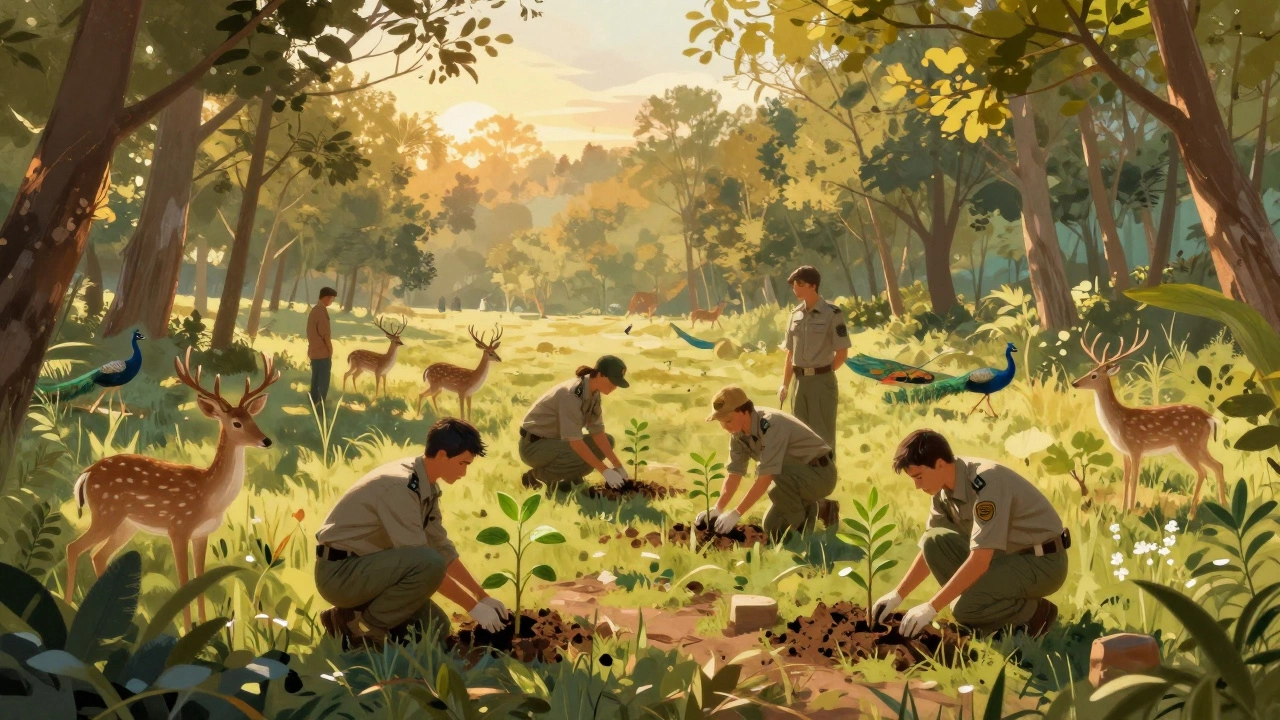
Community involvement has also transformed outcomes. When locals benefit from the park through jobs and ecotourism fees, poaching drops drastically. In several regions across Kenya and Nepal, villages surrounding reserves reported lower incidents because they were paid to protect the animals instead of hunting them. This shift changes the animal's environment from hostile to supportive.
Future Outlook for 2026 and Beyond
As we move through 2026, the conversation has shifted from "protect at all costs" to "manage adaptively." Static fences aren't enough. Dynamic management allows corridors to open seasonally so animals can move naturally. Genetic banks ensure that if a local population crashes, reintroduction is possible.
For the average person wondering about animal safety: The answer is conditional. It depends on the governance, the budget, the geography, and the global climate trends. There are no guarantees, but dedicated stewardship makes a tangible difference every single day.
Are wildlife sanctuaries completely safe for animals?
No, they offer legal protection but cannot eliminate all threats like poaching, disease, or external habitat loss.
What is the biggest threat to animals in protected areas?
While poaching is significant, long-term threats include habitat fragmentation and climate change altering natural resources.
How do rangers protect wildlife in sanctuaries?
Rangers use patrolling, technology like drones, and community engagement to deter illegal activities and monitor animal health.
Can tourists negatively impact animal safety?
Yes, unregulated tourism can cause stress, pollution, and disease transmission, though responsible eco-tourism funds protection efforts.
What does habitat fragmentation mean?
It refers to splitting animal habitats into smaller, isolated patches, often preventing migration and breeding between groups.