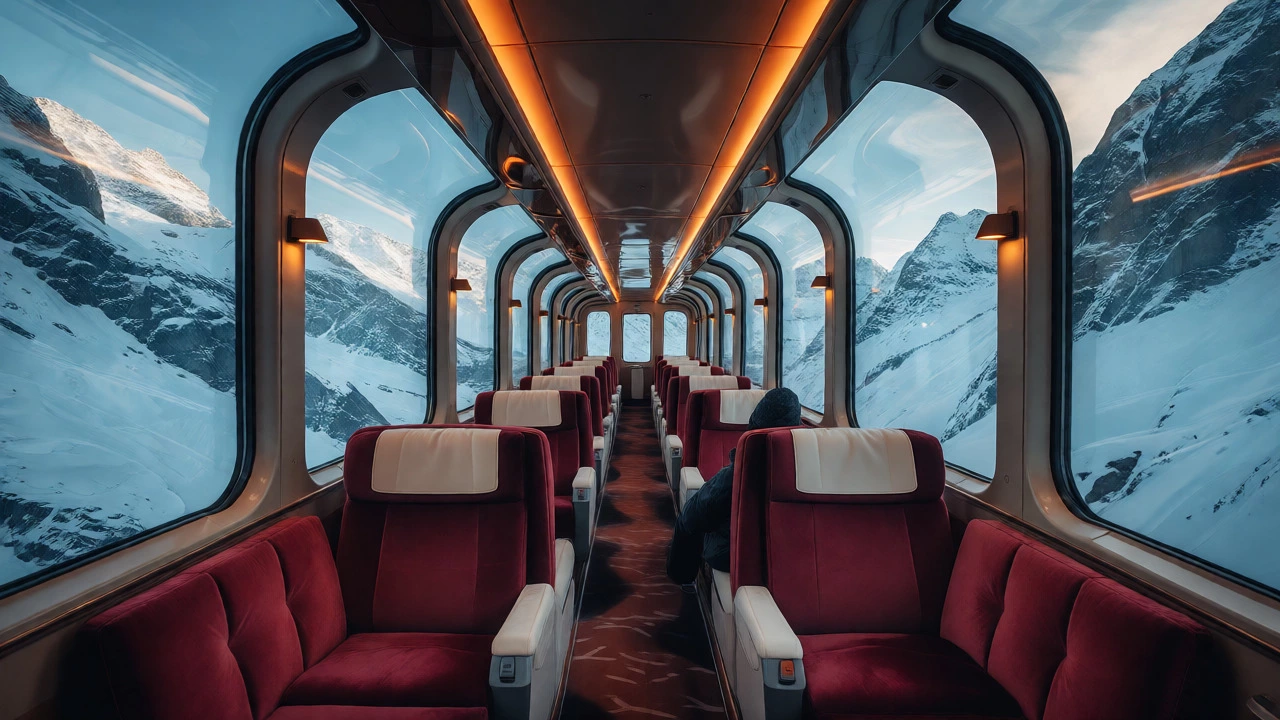
Scenic Train Value Calculator
Not sure if that expensive panoramic ticket is worth it? Answer these questions to get a personalized recommendation.
Trip Details
Priorities & Conditions
Your Verdict
Worth ItWhy?
Pro Tip
You’re standing on a platform in the Swiss Alps or winding through New Zealand’s Southern Alps, looking at a ticket that costs more than a round-trip flight to London. The question hits you hard: are scenic train rides worth it? It’s not just about getting from point A to point B anymore. It’s about whether paying a premium for slow travel actually delivers value, or if it’s just a tourist trap designed to empty your wallet while you stare out a window.
I’ve spent years analyzing travel trends and taking my own trips across continents, from the comfort of Wellington’s coastal views to the rugged tracks of Europe. Here is the blunt truth: scenic train rides are rarely "worth it" if you measure them by speed or cost per mile. But if you judge them by experience, mental clarity, and unique access to landscapes, they often beat flying hands down. Let’s break down exactly when you should book that ticket and when you should stick to the airport shuttle.
The Real Cost of Slow Travel
Let’s look at the numbers first, because money talks. A standard economy flight from Zurich to Milan might cost $150 and take two hours door-to-door. The equivalent scenic train ride, perhaps on the Bernina Express or similar route, can easily cost $300-$400 and take four to five hours. On paper, the train loses. You are paying double for half the speed.
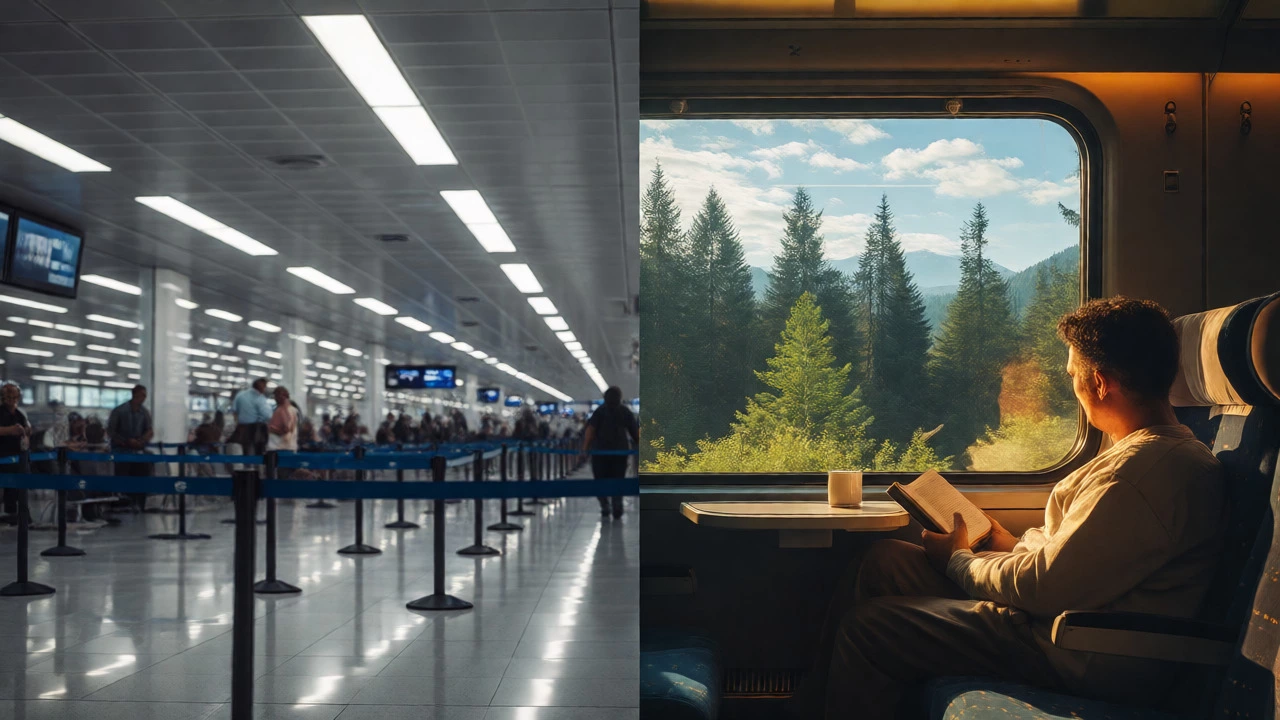
But this calculation ignores hidden costs. Air travel requires arriving two hours early, dealing with security lines, potential delays, and baggage fees. Once you land, you still need ground transport. Trains drop you right in city centers. If you factor in the time saved on logistics and the stress avoided, the gap narrows. For families or groups, the difference shrinks further since children often fly free or discounted, but train seats are fixed per person regardless of age.
| Factor | Economy Flight | Scenic Train (First Class) |
|---|---|---|
| Avg. Base Cost (Short Haul) | $150 - $250 | $300 - $600 |
| Total Door-to-Door Time | 4 - 6 hours | 5 - 8 hours |
| Luggage Allowance | Often extra fee ($50+) | Included, generous limits |
| Work/Productivity Potential | Low (noise, no Wi-Fi stability) | High (stable Wi-Fi, desk space) |
| Carbon Footprint | High | Very Low |
When Scenic Trains Are Absolutely Worth It
There are specific scenarios where the premium price tag pays off in dividends. If you fall into one of these buckets, book the ticket without hesitation.
- The Route Is Only Accessible by Rail: Think of the Glacier Express in Switzerland or the Rocky Mountaineer in Canada. Some valleys and passes have no roads. You literally cannot see these places comfortably from a car. The train provides the only viable vantage point.
- You Value Mental Decompression: Flying triggers anxiety for many. The rhythmic clack of wheels and panoramic windows offer a meditative state. Many travelers report feeling more rested after a long train journey than a short flight followed by hotel check-in chaos.
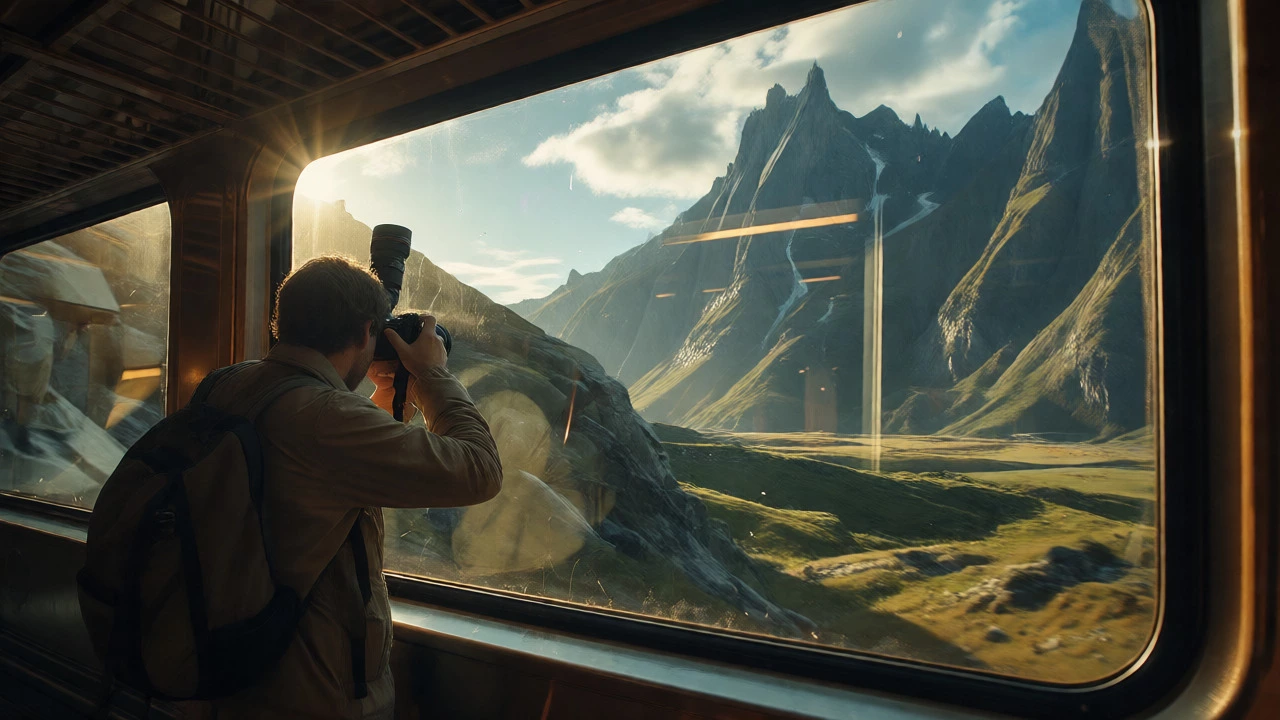
- Photography Enthusiasts: Planes move too fast and are too high up. Cars block your view with dashboard glare and other traffic. Trains allow for stable, eye-level shots of changing landscapes. If you want Instagram-worthy content of alpine peaks or desert canyons, the train is your best studio.
- Family Travel with Young Kids: Kids can walk around, use restrooms freely, and eat snacks whenever they want. There is no seatbelt sign holding you hostage. The freedom reduces parental stress significantly compared to cramped airplane seats.
When You Should Skip the Train
Conversely, there are times when choosing a train is a mistake. Don’t let romantic notions cloud your practical judgment.
If you are traveling solo and trying to maximize sightseeing days in a tight itinerary, trains eat up daylight hours. Spending six hours on a train means losing half a day of exploration. In cities like Tokyo or Paris, where attractions are dense and accessible via metro, the train ride between cities might be efficient, but within regions, buses or rental cars offer more flexibility.
Also, consider the weather. In regions like Norway or Scotland, rain and fog can obscure the very scenery you paid to see. A scenic train in a whiteout is just an expensive bus ride. Always check seasonal visibility forecasts before booking premium panoramic classes.
Decoding the Classes: Standard vs. Panoramic vs. Luxury
Not all scenic train tickets are created equal. Understanding the tiers helps you decide if the upgrade is justified.
Panoramic Class is the sweet spot for most tourists. These cars feature glass roofs or floor-to-ceiling windows. The view is uninterrupted. However, seating is often fixed and non-reclining. If you plan to nap, this might be uncomfortable.
First Class Standard offers wider seats, recline, and sometimes meal service, but smaller windows. You get comfort, but less immersion. This is better for older travelers who prioritize physical ease over visual spectacle.
Ultra-Luxury Suites, like those on the Venice Simplon-Orient-Express, include private cabins, dining cars, and butler service. These are not just transports; they are hotels on rails. Unless you are celebrating a honeymoon or anniversary, the marginal utility gain over First Class is low relative to the exponential cost increase.
The Environmental and Ethical Angle
Sustainability matters more now than ever. If you are conscious of your carbon footprint, trains are the clear winner. European rail networks, particularly in Switzerland and France, run heavily on hydroelectric power. A train journey emits roughly 10% of the CO2 per passenger compared to flying.
For eco-conscious travelers, this ethical satisfaction adds intangible value to the trip. Knowing you arrived guilt-free enhances the enjoyment of pristine natural landscapes. It aligns your actions with your values, which makes the higher price feel less like a penalty and more like a contribution.
How to Maximize Your Scenic Train Experience
If you decide to go, don’t just buy a ticket and hope for the best. Follow these rules to ensure you get your money’s worth.
- Book Early for Window Seats: In panoramic cars, every seat has a view, but in standard cars, aisle seats miss the action. Reserve specific sides based on sun direction and landscape orientation (e.g., left side for certain Alpine passes).
- Bring Noise-Canceling Headphones: Trains are loud. Wind noise at high speeds and track vibrations can cause fatigue. Protect your ears so you can relax.
- Dress in Layers: Train temperatures fluctuate wildly depending on tunnels, open plains, and air conditioning systems. Comfort is key to enjoying the view.
- Limit Screen Time: It sounds obvious, but many people spend the entire ride scrolling social media. Put the phone away. Watch the world pass by. That is what you paid for.
- Check for Construction Updates: Rail companies often perform maintenance during shoulder seasons. Tracks may be replaced, causing detours or slower speeds that ruin the schedule. Check official operator sites three weeks prior.
Top Global Routes to Test the Waters
If you are new to scenic rail, start with proven classics. These routes have high infrastructure quality and guaranteed views.
- Switzerland: Lucerne to Interlaken: Reliable, beautiful, and easy to navigate. Great for beginners.
- New Zealand: TranzAlpine: Crosses the Southern Alps. Dramatic scenery changes from ocean to mountains in a few hours.
- Canada: Vancouver to Whistler: Short, affordable, and stunning forest views. Good entry point for North American rail.
- Norway: Flåm Railway: Steep gradients and waterfalls. Intense and visually spectacular.
Frequently Asked Questions
Is a scenic train ride cheaper than flying?
Generally, no. For short to medium distances, flights are almost always cheaper than scenic train tickets, especially if you book flights in advance. However, trains include luggage and city-center transfers, which can offset some flight costs. The premium you pay is for the experience and convenience, not savings.
Do I need to book panoramic seats far in advance?
Yes, especially for popular routes like the Glacier Express or Rocky Mountaineer. Panoramic cars have limited capacity. Booking 3-6 months ahead ensures you get a seat. Last-minute bookings often force you into standard cars with smaller windows, diminishing the scenic value.
Can I work on a scenic train?
You can, but it depends on the train. Modern European trains offer reliable Wi-Fi and power outlets, making them great mobile offices. Older or remote scenic lines may have spotty connectivity. If you need constant internet, bring a mobile hotspot as backup.
Are luxury train journeys suitable for solo travelers?
Absolutely. Solo travel on trains is safe and sociable. Many operators offer single-occupancy cabins or lower supplements for solo travelers in shared rooms. It’s easier to meet fellow travelers in dining cars than on planes.
What happens if the weather is bad?
Most scenic trains do not refund tickets solely for bad weather unless the route is cancelled due to safety issues like landslides. Fog or rain will obscure views, but the journey continues. Check seasonal averages before booking; winter in some regions guarantees snow (good), while spring might mean mudslides (bad).