Honeymoon Duration Planner
Recommended Stay
0
Nights
Total Days: 0
Est. Total Cost: $0
Why this recommendation?
Fill out the form to see how long you should stay based on travel fatigue, budget, and time off.
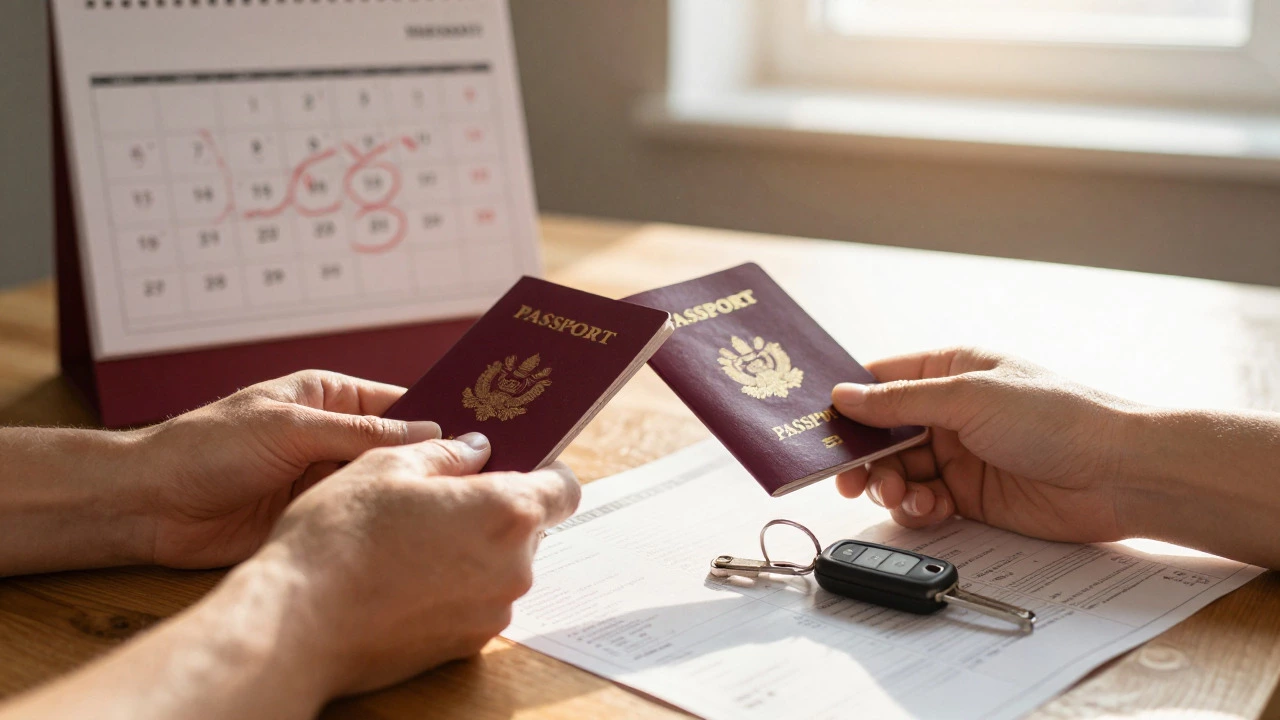
You’ve booked the venue, sent the invites, and finally said "I do." Now comes the part everyone dreams about but rarely plans properly: the honeymoon. You’re staring at a calendar, wondering if seven days is enough or if you need to stretch it to two weeks. It’s a common panic point. If you stay too short, you feel rushed and jet-lagged. If you stay too long, you might run out of things to do or blow your budget before you even unpack your second suitcase.
So, what’s the magic number? There isn’t one universal rule, but data and travel trends give us a pretty clear picture. Most couples aim for somewhere between five and fourteen nights. But here’s the twist: the "right" length depends entirely on where you’re going, how much time you have off work, and what kind of experience you want. Let’s break down the numbers so you can stop guessing and start packing.
The Short Answer: What’s the Statistical Average?
If you look at travel industry reports from major booking platforms like Expedia and The Knot, the sweet spot usually lands around seven to ten nights. This isn’t random. It strikes a balance between getting away from daily life and not taking an indefinite leave of absence from your job. For domestic trips-say, flying from New York to Hawaii or London to Spain-five to seven nights is often plenty. You get a few days to relax, a few days to explore, and still have time to decompress before returning to reality.
For international long-haul flights, the math changes. If you’re spending fifteen hours in the air each way, a three-day trip feels wasteful. Most experts recommend adding two extra nights for every eight hours of flight time. So, if you’re heading to Bali or Fiji, aiming for ten to fourteen nights makes sense. It ensures you aren’t just paying for expensive airfare to spend half the trip adjusting to the time zone.
| Trip Type | Flight Time (One Way) | Recommended Nights | Why? |
|---|---|---|---|
| Domestic / Neighboring Country | < 3 Hours | 4 - 6 Nights | Low fatigue, easy to extend later if needed. |
| Regional International | 3 - 8 Hours | 7 - 9 Nights | Balances relaxation with exploration without excessive jet lag. |
| Long-Haul International | 8+ Hours | 10 - 14 Nights | Absorbs travel fatigue; justifies high airfare costs. |
| Multi-City / Island Hopping | Varies | 12 - 16 Nights | Requires buffer time for transit between locations. |
Why Seven Nights Is Often the Sweet Spot
Seven nights gets a lot of attention because it fits neatly into most PTO (Paid Time Off) allowances. If you take Friday and Monday off, you get nine consecutive days. That’s a solid week plus a weekend. Psychologically, this length allows for a natural arc of the vacation. Days one and two are for arrival and settling in. Days three through five are for active sightseeing or adventure. Days six and seven are for pure relaxation before heading home.
Couples who try to cram everything into three or four nights often report feeling more stressed than when they left. You spend half the time trying to see landmarks and the other half recovering from late-night dinners. Conversely, couples who go for twenty-one days sometimes find themselves bored by day ten unless they have a very specific itinerary. Seven to ten nights gives you room to breathe without losing momentum.
Factors That Should Change Your Plan
Don’t just pick a number because it’s popular. Look at these three variables to adjust your timeline.
Work Culture and PTO Limits
This is the hard constraint. In some countries, like the US, average paid leave is low. If you only have ten days a year, you can’t burn five on the wedding prep and another five on the trip. You might need to compromise on destination rather than duration. However, if you live in Europe or Australia, where statutory leave is higher, you have more flexibility. Check your company policy first. Can you combine public holidays? A cleverly timed trip around Christmas or Thanksgiving can turn a five-day allowance into a twelve-day getaway.
Destination Pace
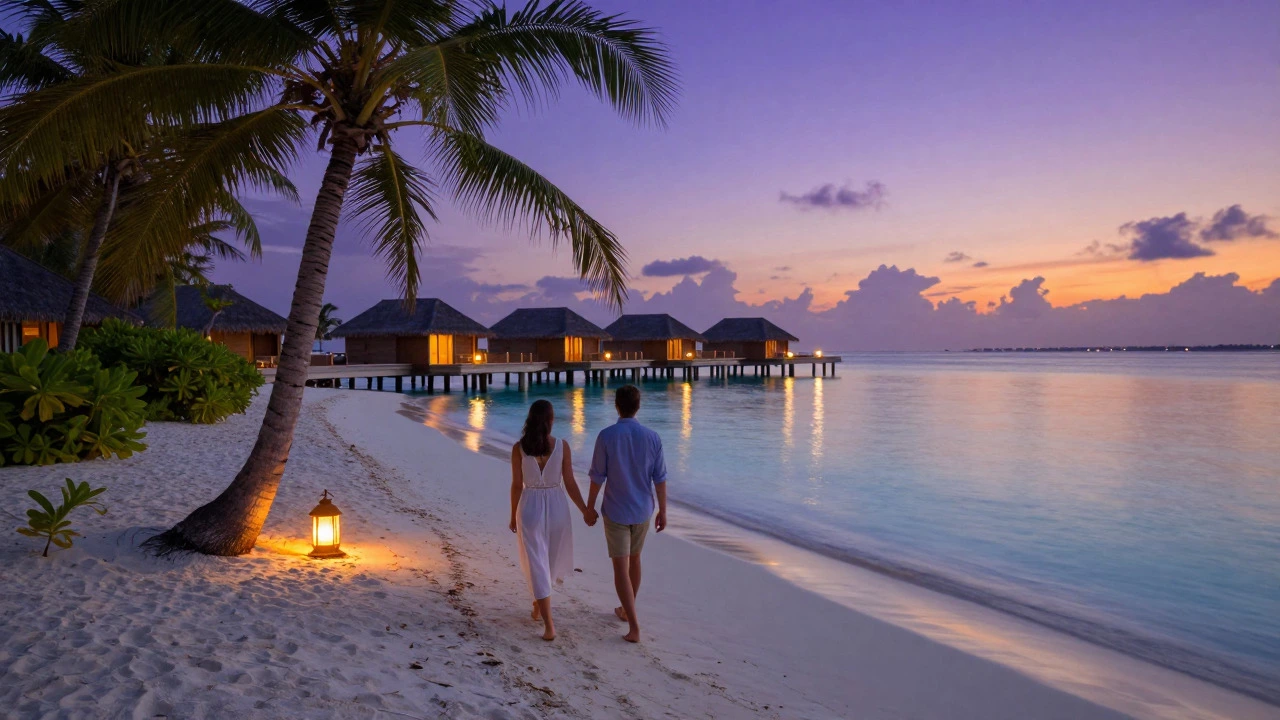
Not all places require the same amount of time. A city break in Paris or Tokyo is intense. You’ll walk miles every day, eat multiple meals out, and visit museums. Ten nights there might be exhausting. On the other hand, a resort-based honeymoon in the Maldives or Bora Bora is slow-paced. You can easily spend two weeks doing nothing but swimming and reading. If your goal is rest, longer is better. If your goal is stimulation, shorter and more focused works well.
Budget Realities
Money talks. Longer trips cost more, obviously. But it’s not just about hotel rates. Think about food, activities, and incidentals. If you’re traveling during peak season, prices skyrocket. Sometimes, extending a trip by two nights in the off-season costs less than staying those two nights in July. Ask yourself: would we rather have five luxurious nights in a high-end villa or ten comfortable nights in a mid-range boutique hotel? There’s no wrong answer, but clarity prevents regret.

Common Mistakes When Choosing Duration
Many couples make the mistake of underestimating travel fatigue. You think, "We’re young, we can handle it." Maybe you can. But after a wedding that likely involved months of stress, your body needs recovery time. Jumping straight onto a plane after the reception often leads to burnout. Consider adding a "buffer night" at home or a nearby location before departing. This small step can make a huge difference in how you enjoy the actual honeymoon.
Another error is over-scheduling. If you plan to visit five cities in seven days, you won’t relax. You’ll be living out of a suitcase. A good rule of thumb: never book more than one major activity per day. Leave gaps. Some of the best honeymoon memories come from unplanned moments-a spontaneous coffee shop discovery or a sunset walk you didn’t expect.
How to Decide: A Quick Checklist
Still stuck? Run through this quick audit:
- Check your bank account: What is your absolute max spend? Divide that by the nightly rate of your desired accommodation to see how many nights you can afford.
- Review your calendar: Count your available PTO days. Add weekends. Subtract one day for travel recovery. This is your realistic cap.
- Assess flight times: If the total round-trip flight time exceeds ten hours, add at least three nights to your baseline.
- Discuss energy levels: Are you both introverts who recharge alone, or extroverts who need constant interaction? Introverts might prefer longer stays in quiet locations; extroverts might want shorter, busier trips.
Remember, the average is just a guideline. The best honeymoon length is the one that leaves you feeling refreshed, not drained. Whether that’s five nights in a cabin in the woods or fourteen nights island-hopping in Greece, trust your gut. And don’t forget to disconnect from work emails. That’s the real luxury.
Is a 3-day honeymoon too short?
It depends on the destination. For a local staycation or a nearby city break, three days can be perfect for a quick reset. However, for any destination requiring significant travel time, three days is generally considered too short. You will likely spend more time traveling than relaxing, and you may return home feeling more tired than when you left.
Should I wait to go on my honeymoon?
Yes, waiting can be beneficial. Many couples now choose to delay their honeymoon by a few months to save money, recover from wedding stress, or catch better weather. This is known as a "delayed honeymoon." It allows you to enjoy the wedding fully without worrying about immediate departure logistics. Just ensure you check your airline ticket validity and hotel cancellation policies.
How does having kids affect honeymoon length?
If you have children from previous relationships or are considering bringing them along, shorter trips (5-7 nights) are often easier to manage logistically. If you are leaving kids behind with grandparents, you might feel guilt-free extending the trip to 10-14 nights. Communication with caregivers is key to ensuring you can relax without checking in constantly.
What is the ideal honeymoon length for a cruise?
Cruises are pre-packaged, so duration is fixed by the itinerary. Typical Caribbean cruises last 7 nights, while Mediterranean or Asian routes often run 10-14 nights. Cruises are excellent for couples who want variety without changing hotels. However, be aware that ship days can feel repetitive if you don't engage in onboard activities or port excursions.
Can I split my honeymoon into two parts?
Absolutely. Many couples do a "mini-moon" immediately after the wedding (2-4 nights) for a quick escape, followed by a larger trip months later. This strategy helps manage budget and work schedules. It also spreads out the joy, giving you something to look forward to long after the wedding dust has settled.