North India Relocation Matchmaker
Adjust the sliders to reflect what matters most to you (0 = Low Priority, 10 = Critical).
Ask ten people where they’d move if they had to pick a spot in North India, and you’ll get ten different answers. One person will swear by the greenery of Dehradun, while another will argue that the hustle of Delhi NCR is worth the chaos. The truth? There is no single "best" city. It depends entirely on what you value more: career growth, air quality, cultural immersion, or your wallet.
If you’re looking to relocate within the next year, you need to look past the tourist brochures. Living somewhere is different from visiting for three days. You deal with water shortages, traffic jams, internet reliability, and the specific vibe of the neighborhood. Here’s a breakdown of the top contenders for 2026, based on real-world factors like infrastructure, job markets, and livability scores.
Chandigarh: The Planned Paradise
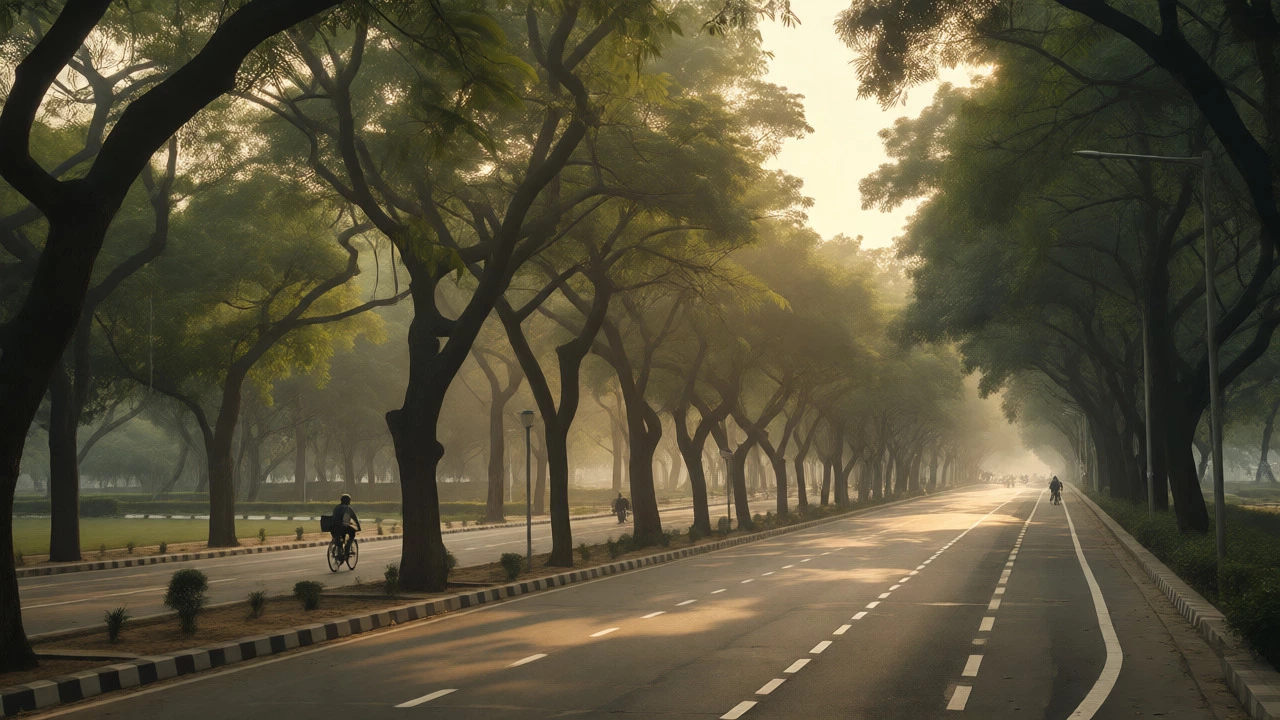
Chandigarh is often called "The City Beautiful," and it earns the title. Designed by Le Corbusier, this union territory serves as the capital of both Punjab and Haryana. If you hate chaotic traffic and love wide, tree-lined avenues, this is your spot. The zoning is strict-residential areas are separate from commercial hubs, which means less noise pollution near homes.
The job market here is stable but not explosive. It’s a hub for government jobs, education, and IT services, particularly in nearby Mohali. However, the real draw is the lifestyle. You can cycle through Sector 17 without dodging reckless scooters. The air quality, while not perfect, is significantly better than Delhi or Ludhiana due to lower industrial density. Housing costs have skyrocketed, though. A decent 2BHK in a good sector can cost upwards of ₹80 lakhs to buy, and rentals are steep for the region. But for families who prioritize safety and green spaces, Chandigarh remains hard to beat.
Jaipur: Culture Meets Connectivity
Jaipur has transformed over the last decade. It’s no longer just a tourist trap; it’s a growing tech and service hub. The establishment of SEZs (Special Economic Zones) has brought companies like Infosys and Wipro to the city, creating thousands of white-collar jobs. This economic shift has improved infrastructure dramatically, with better roads, metro connectivity plans, and modern shopping malls.
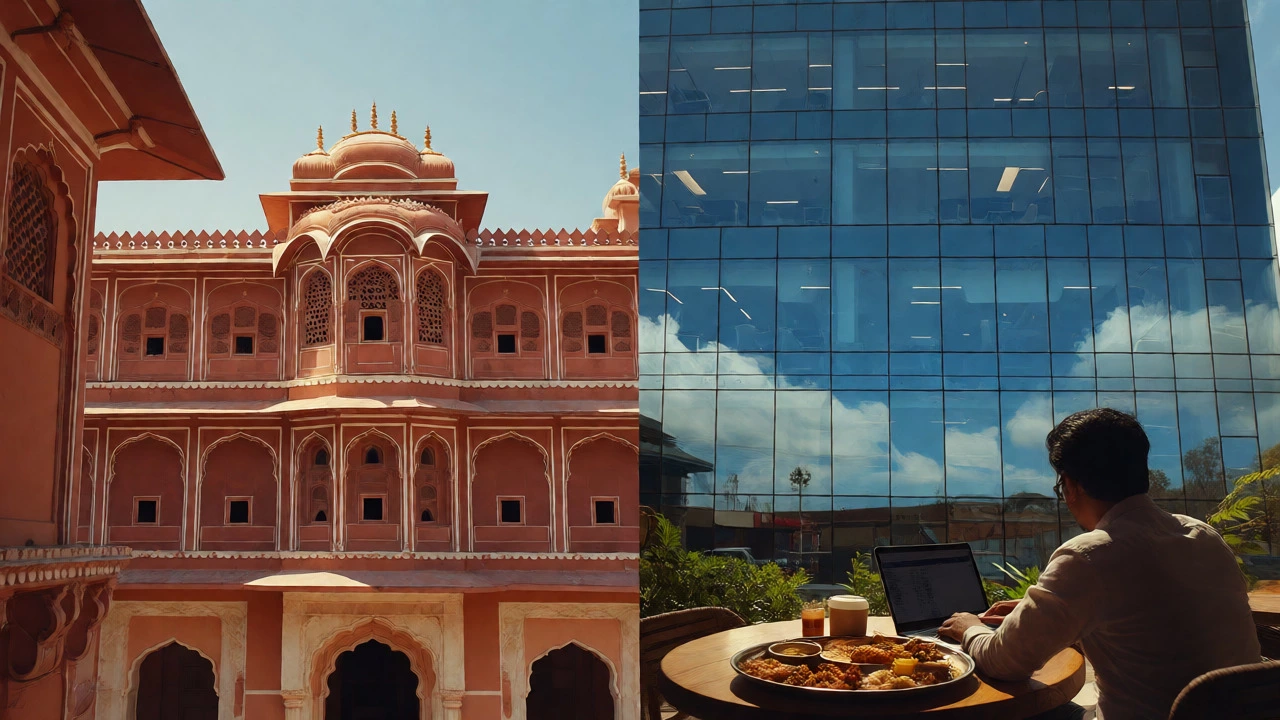
Living in Jaipur offers a unique blend of heritage and modernity. You can have breakfast at a traditional Rajasthani thali place and work remotely from a co-working space in Vaishali Nagar. The cost of living is moderate-rents are about 30-40% cheaper than Chandigarh or Gurgaon. However, summer heat is brutal. Temperatures regularly cross 45°C (113°F), making air conditioning non-negotiable. Water scarcity is also a recurring issue during peak summers, so many residents rely on private tankers or RO systems. If you love history, food, and don’t mind the heat, Jaipur is a vibrant choice.
Dehradun: The Mountain Escape
For those who want mountains without leaving civilization, Dehradun is the go-to. Located in the foothills of the Himalayas, it offers cleaner air and cooler temperatures than the plains. The city has become a major educational hub, home to prestigious institutions like Doon School and IIT Roorkee (nearby). This student population keeps the economy lively and supports a robust rental market.
The downside? Infrastructure lags behind. Roads are narrow, and traffic congestion during tourist season can be frustrating. Internet speeds have improved with fiber optic rollouts, but power cuts still happen occasionally. Job opportunities are limited mostly to education, tourism, and remote work. If you’re a freelancer or digital nomad, Dehradun is incredible. You get mountain views for a fraction of the cost of Shimla or Manali. But if you need a high-paced corporate career, you might find it too slow.
Lucknow: The Emerging Metropolis
Lucknow has seen massive investment recently. The state government’s focus on developing Gomti Nagar as a smart city has changed the landscape. New highways, an international airport expansion, and improved rail links have connected Lucknow to the rest of India better than ever. It’s becoming a serious contender for those priced out of Delhi but wanting similar amenities.
The culture here is distinct-think Adab (etiquette), rich Awadhi cuisine, and a slower pace of life. Cost of living is low. You can rent a spacious apartment for ₹15,000-₹20,000 per month, which would barely cover a studio in South Delhi. Healthcare facilities have improved with new super-specialty hospitals. However, air quality in winter can be poor due to stubble burning in neighboring states. Still, for value-for-money living with improving infrastructure, Lucknow is underrated.
Amritsar: Heritage and Heart
Amritsar is spiritually significant and culturally rich. Home to the Golden Temple, it attracts millions of tourists annually, boosting local businesses. The city is compact, making commute times short. Food is legendary-don’t leave without trying Amritsari Kulcha. The community feel is strong; people know their neighbors, and safety is generally high.
However, the economy relies heavily on tourism and agriculture. Corporate jobs are scarce unless you work remotely. Infrastructure is aging, though renovations around heritage sites are ongoing. Winter fog can delay flights and trains. If you’re retired or working remotely, Amritsar offers a peaceful, meaningful life. For young professionals seeking rapid career growth, it might feel limiting.
Delhi NCR: The Powerhouse
You can’t talk about North India without mentioning Delhi NCR. It’s the center of gravity for politics, business, and media. Job opportunities are unmatched. From startups in Gurugram to MNCs in Noida, the career ceiling is high. Public transport, especially the Metro, is world-class and affordable.
The trade-off? Pollution and congestion. Air Quality Index (AQI) levels in winter often hit hazardous ranges, affecting health. Rent is expensive, especially in central areas. However, suburbs like Dwarka or Greater Noida offer more breathing room. If you thrive on energy, networking, and fast-paced careers, Delhi NCR is essential. Just budget for air purifiers and healthcare.
Comparing Livability Factors
To help you decide, here’s a quick comparison of key metrics relevant to relocation decisions in 2026.
| City | Job Market | Cost of Living | Air Quality | Infrastructure | Best For |
|---|---|---|---|---|---|
| Chandigarh | Moderate | High | Good | Excellent | Families & Retirees |
| Jaipur | Growing | Moderate | Average | Improving | Culture Lovers & Tech Workers |
| Dehradun | Limited | Moderate | Very Good | Average | Remote Workers & Students |
| Lucknow | Emerging | Low | Poor (Winter) | Developing | Budget-Conscious Families |
| Amritsar | Low | Low | Average | Aging | Retirees & Remote Workers |
| Delhi NCR | Excellent | Very High | Poor (Winter) | Excellent | Corporate Professionals |
Practical Tips for Relocating
Before you pack your bags, visit the city during its worst season. Visit Delhi in November when smog is thick. Visit Jaipur in May when it’s scorching. See how you cope. Also, check the water supply status in your target neighborhood. In cities like Jaipur and Lucknow, municipal water is intermittent, so ensure the building has reliable backup tanks.
- Check Internet Stability: If you work remotely, ask locals about fiber availability. Jio Fiber and Airtel Xstream are widespread, but coverage varies by street.
- Evaluate Commute Times: Use apps like Uber or Ola to test travel times during peak hours. Google Maps estimates can be optimistic in Indian traffic.
- Healthcare Access: Identify the nearest reputable hospital. In smaller cities like Amritsar or Dehradun, specialized care might require a trip to Chandigarh or Delhi.
Choosing a city is personal. Prioritize your non-negotiables. If clean air is #1, ignore Delhi. If career growth is #1, ignore Dehradun. Match the city to your current life stage, and you’ll find happiness wherever you land.
Which city in North India has the best air quality?
Dehradun consistently ranks highest for air quality among major North Indian cities due to its proximity to the Himalayas and lower industrial activity. Chandigarh follows closely, benefiting from planned urbanization and fewer factories compared to industrial hubs like Ludhiana or Delhi.
Is Jaipur safer than Delhi for women?
Generally, Jaipur is perceived as safer than Delhi for women, with lower reported crime rates and a more conservative social environment. However, safety varies by locality. Areas like Vaishali Nagar and Mansarovar are well-lit and populated, while outskirts may lack adequate security infrastructure.
What is the cheapest city to live in North India?
Lucknow and Amritsar offer the lowest cost of living among major cities. Rent, food, and transportation costs are significantly lower than in Chandigarh or Delhi NCR. A middle-class family can live comfortably in Lucknow for nearly half the cost required in Gurgaon.
Does Chandigarh have good job opportunities?
Chandigarh has a stable but limited job market compared to metros. It is strong in government sectors, education, and IT services in nearby Mohali. For senior-level corporate roles, many residents commute to Delhi NCR or work remotely. It is ideal for those already employed or self-employed.
How bad is the water crisis in Jaipur?
Water scarcity is a seasonal challenge in Jaipur, particularly during summer months (April-June). Many households rely on private borewells, tanker supplies, or bottled water. New pipeline projects are underway to improve municipal supply, but residents should plan for occasional shortages.