Hiking Destination Matcher
Answer a few questions about your ideal trip to discover which of the world's top hiking destinations suits you best.
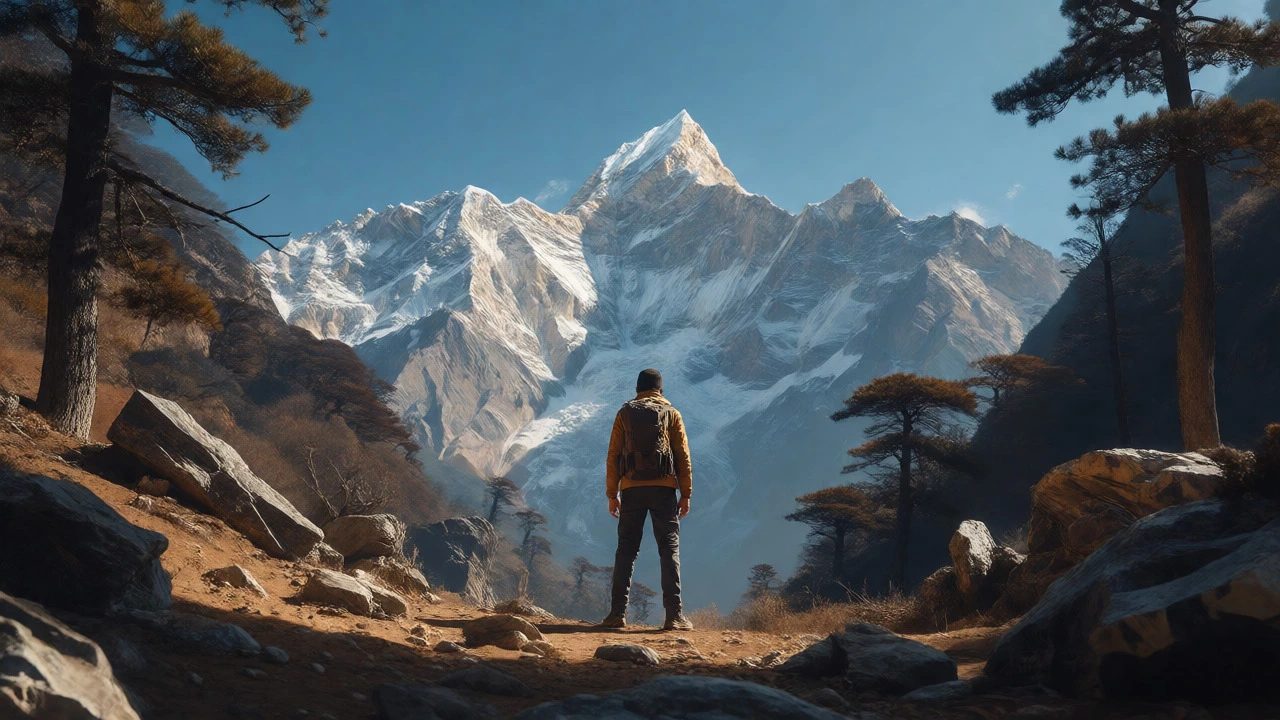
You are standing at the base of a mountain. The air is thin, crisp, and smells like pine needles or dry earth. You have two choices: turn back to the comfort of your hotel, or take that first step up the trail. That feeling? It’s why millions of us lace up our boots every year. But here is the million-dollar question: where should you go? Is it the jagged peaks of Nepal, the well-marked paths of Switzerland, or perhaps the rugged, unpolished gems hiding in India? While global giants dominate search results, the truth is more nuanced. The "best" country depends entirely on what you want from the experience: luxury, solitude, cultural immersion, or pure adrenaline.
Let's cut through the noise. There is no single winner. Instead, there are different winners for different types of hikers. If you are looking for infrastructure and safety, Europe wins. If you want spiritual depth and extreme altitude, the Himalayas (both in Nepal and India) take the crown. If you crave raw wilderness with fewer crowds, New Zealand or Patagonia might be your jam. And if you want value-for-money adventures that don't break the bank but still offer world-class scenery, trekking places India are often overlooked by Western tourists but beloved by seasoned trekkers.
Defining Your Hiking Style
Before you book a flight, ask yourself what kind of hiker you actually are. Are you a weekend warrior who wants a comfortable lodge at the end of the day? Or are you a hardcore backpacker willing to sleep in a tent at 4,000 meters? This distinction changes everything.
Switzerland is arguably the best destination for those who value precision and comfort. The Swiss hiking network spans over 65,000 kilometers. Every trail is marked with yellow signs. You can hike from one village to another, eat fondue, and stay in a clean hotel without ever carrying a heavy pack. It is expensive, yes. A coffee can cost $8. But the reliability is unmatched. You will never get lost. You will never be surprised by a sudden storm without shelter nearby. For beginners or families, this predictability is worth its weight in gold.
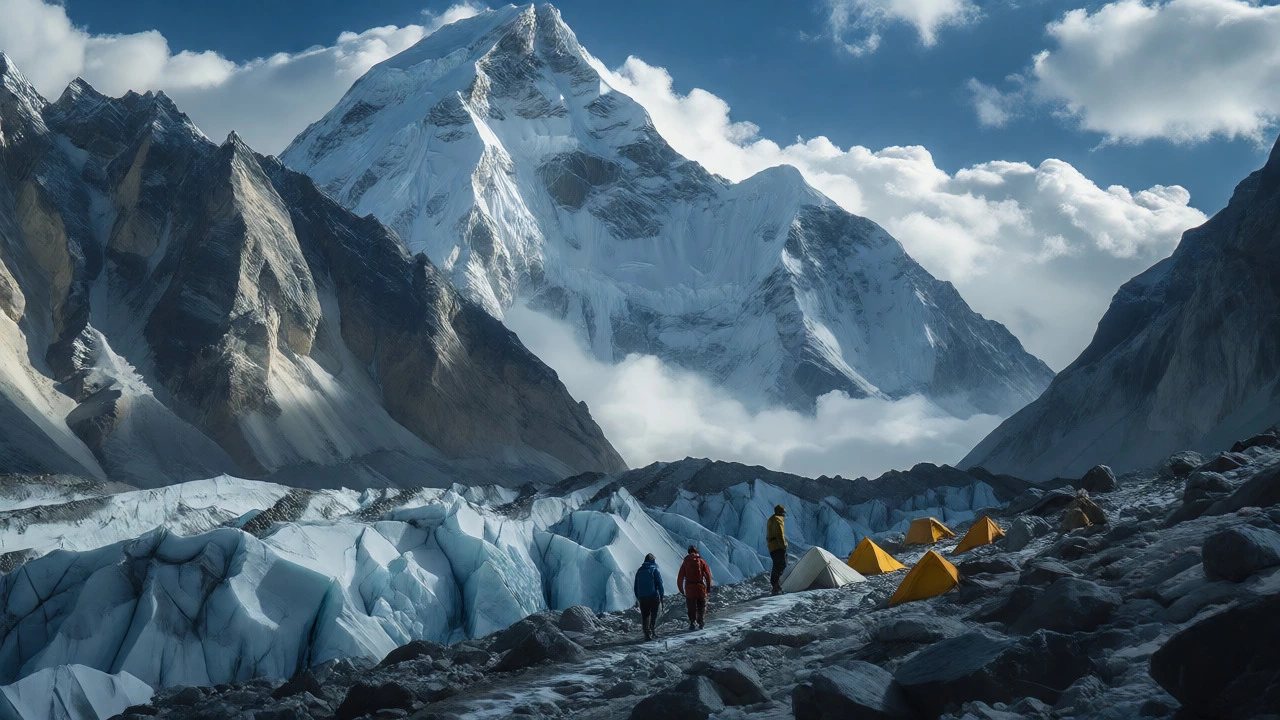
In contrast, consider Nepal. Here, hiking is not just exercise; it is a logistical challenge. The Annapurna Circuit or the Everest Base Camp trek requires permits, guides, and acclimatization days. You are sleeping in teahouses, which are basic but charming. The food is dal bhat-lentils and rice-served repeatedly. Why do people love it? Because the scale of the mountains humbles you. Standing at Kala Patthar, looking up at Everest, feels different than looking at the Matterhorn. One feels massive and indifferent; the other feels picturesque. Nepal offers the former.
The Case for India: Underrated Trekking Powerhouse
Many travelers overlook India because they associate it with chaos, heat, and pollution. But head north, into the Himalayas, and the narrative flips completely. India has some of the most diverse trekking terrains on the planet. From the cold deserts of Ladakh to the lush green valleys of Meghalaya, the variety is staggering.
Why choose India over Nepal or Bhutan? Cost and accessibility. In Nepal, you often need a guide for restricted areas. In many parts of India, especially in Himachal Pradesh and Uttarakhand, you can trek independently with relative ease. Take the Kasol-Kheerganga trek in Himachal Pradesh. It takes two days. You walk through pine forests, cross hot springs, and camp under stars that look close enough to touch. The cost? Maybe $50-$100 total if you DIY. Compare that to a similar duration trek in the Alps, where accommodation alone could cost $300.
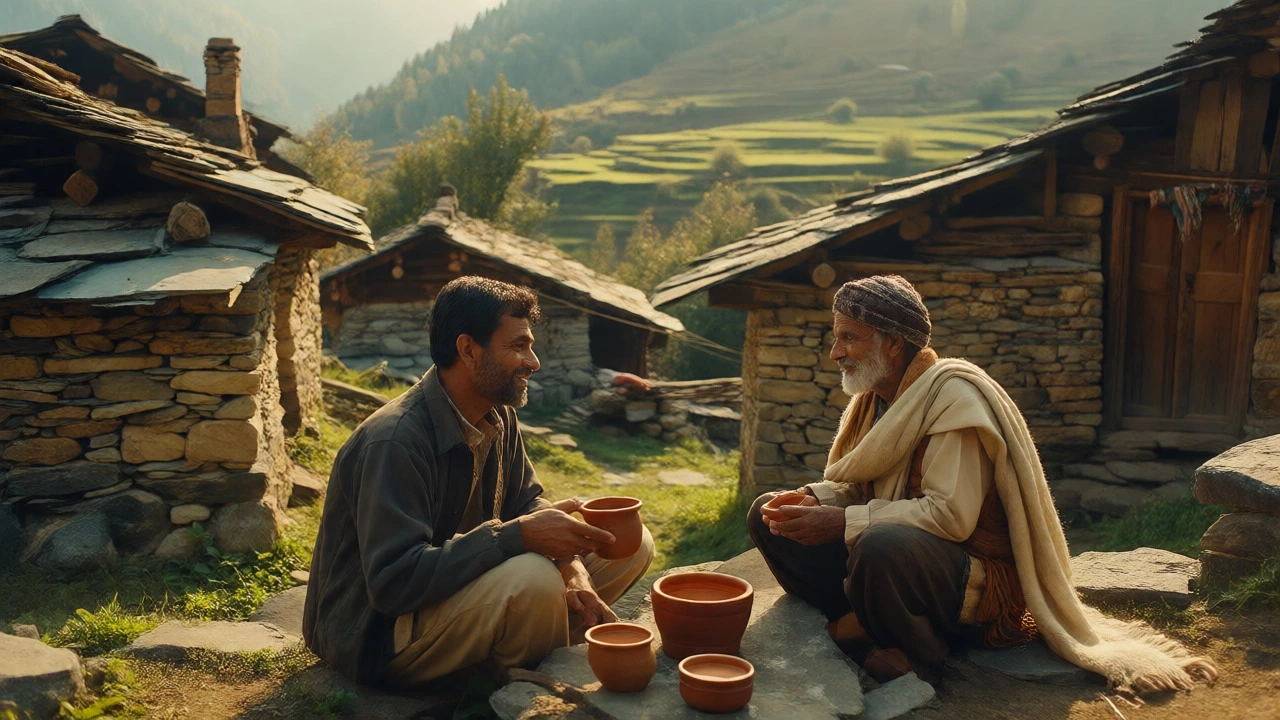
Then there is the cultural aspect. In India, villages are part of the trail. You aren't just walking past scenery; you are walking through lives. You might share tea with a shepherd in Spiti Valley or help a farmer harvest apples in Kinnaur. This human connection adds a layer of richness that sterile, well-managed European parks sometimes lack. Plus, the biodiversity is insane. In the Western Ghats of South India, you are trekking through rainforests older than the Amazon, spotting rare frogs and birds along the way.
Global Heavyweights: Where Else Should You Look?
If budget isn't an issue, New Zealand offers a playground unlike anywhere else. The Great Walks system manages visitor numbers strictly, meaning you rarely feel crowded. The Milford Track is famous for a reason: fiords, waterfalls, and rainforest all in three days. The infrastructure is top-tier. Bookings open months in advance, and they sell out instantly. This scarcity creates a sense of exclusivity. But remember, the weather changes fast. One minute sun, next minute sideways rain. You need gear that works.
For those seeking solitude, Pakistan is the final frontier. The Karakoram Highway leads to trails that few foreigners have seen. The Baltoro Glacier trek rivals anything in the Alps but with zero crowds. However, logistics are tough. You need a local operator, visas can be tricky, and security situations require checking current advisories. But the reward? Seeing Nanga Parbat rise above the clouds with only your team around. It is raw, authentic, and deeply rewarding for experienced trekkers.
| Country | Best For | Difficulty Level | Cost Estimate (7 Days) | Infrastructure |
|---|---|---|---|---|
| Switzerland | Comfort & Safety | Easy to Moderate | $2,000 - $3,500 | Excellent (Trains/Lodges) |
| Nepal | High Altitude Experience | Moderate to Hard | $800 - $1,500 | Good (Teahouses) |
| India | Value & Cultural Diversity | Easy to Extreme | $300 - $800 | Variable (Camping/Guesthouses) |
| New Zealand | Scenery & Wilderness | Moderate | $1,500 - $2,500 | Very Good (Huts/Campsites) |
| Pakistan | Solitude & Raw Nature | Hard | $1,000 - $2,000 | Basic (Camping) |
Practical Tips for Choosing Your Trail
Don't just pick a country based on Instagram photos. Look at the seasonality. The Himalayas, whether in India or Nepal, have strict windows. June to September is monsoon season. Trails become muddy rivers. Landslides are common. October to November is prime time. Clear skies, stable weather. December to February brings snow, making high passes impassable unless you are winter trekking specialists.
Acclimatization is non-negotiable. Many injuries happen because people rush. If you plan to trek above 3,000 meters, spend extra days at intermediate altitudes. Drink water. Lots of it. Dehydration mimics altitude sickness symptoms, confusing your body. In India, carry purification tablets or a filter bottle. Tap water in remote areas isn't always safe, even if locals drink it fine.
Gear matters less than fit. You don't need the most expensive jacket. You need a jacket that fits over your layers. Broken-in boots are critical. Blisters ruin hikes faster than bad weather. Test your gear on shorter walks before committing to a multi-day expedition. And always, always check the latest weather forecast right before starting. Mountain weather is fickle. A sunny morning can turn into a whiteout by noon.
Why Local Knowledge Beats Google Maps
In countries like India, digital maps fail in the mountains. GPS signals drop off cliffs. Trail markers fade. This is where hiring a local guide becomes invaluable, even if you prefer solo hiking. They know which river crossings are safe during the afternoon melt. They know which guesthouse has hot water today versus tomorrow. They speak the dialect when you need to ask for directions in a village that doesn't appear on any app.
Supporting local economies also matters. When you hire a porter or a guide, your money stays in the community. In mass-tourism hubs like Interlaken, much of the profit leaks out to international chains. In rural Himachal or Uttarakhand, your spending feeds a family directly. It feels better, too. The interaction is personal. You aren't a customer number; you are a guest.
So, which country is best? If you want ease, go to Switzerland. If you want epic scale, go to Nepal. If you want adventure, culture, and value, start with India. The mountains don't care about your passport. They only care about your respect for them. Pick your path, pack light, and go.
Is India safe for solo female hikers?
Yes, generally speaking, popular trekking regions in India like Himachal Pradesh and Uttarakhand are considered safe for solo female hikers. Locals are often protective and helpful. However, standard precautions apply: avoid isolated trails after dark, inform someone of your itinerary, and dress modestly to respect local customs. Joining a group trek is recommended for first-time visitors to build confidence.
Do I need a guide for trekking in India?
Not always. Many trails in Himachal and Uttarakhand are well-marked and can be done independently. However, for high-altitude treks in Ladakh or remote areas in Sikkim, a guide is highly recommended for navigation and safety. Additionally, some protected areas require mandatory guides for environmental conservation reasons. Always check specific permit rules for your chosen trail.
What is the best time to trek in the Himalayas?
The primary seasons are spring (March to May) and autumn (September to November). Autumn is preferred for clearer views and stable weather. Spring offers blooming rhododendrons but can have residual snow at higher passes. Avoid the monsoon season (June to August) as trails become slippery and landslides are frequent.
How does hiking in India compare to Nepal in terms of cost?
India is significantly cheaper. Accommodation, food, and transport costs in Indian hill stations are lower than in Nepal's major trekking hubs like Kathmandu or Pokhara. You can complete a week-long trek in India for half the price of a similar trip in Nepal, largely due to differences in tourism infrastructure pricing and permit fees.
Are permits required for all treks in India?
No, not for all. Popular low-to-mid altitude treks in Himachal Pradesh often do not require special permits. However, inner line permits are needed for areas near the border in Ladakh, Sikkim, and Arunachal Pradesh. Always verify current regulations with local authorities or tour operators before booking, as rules change frequently.