Budget Travel Estimator for Indian Travelers
Estimate your total trip cost including flights, visa, and daily expenses for popular budget destinations.
Enter details and click Calculate to see your estimated budget.
You’re standing at the airport, passport in hand, wondering where you can go without selling a kidney. The rupee’s value fluctuates, flight prices spike, and suddenly that "cheap" trip looks expensive. But here’s the truth: some neighbors are so affordable that your daily spend could rival a night out in Mumbai or Delhi. We’re talking about places where a full meal costs less than a coffee in Bangalore and accommodation is cheaper than a hostel bed in Goa.
If you’re based in North India, you have a geographic advantage. Proximity cuts down airfare, which is usually the biggest chunk of any international budget. Let’s break down exactly which countries offer the best bang for your buck, not just on paper, but in real-world spending power as of late 2026.
The Undisputed King of Low-Cost Travel: Nepal
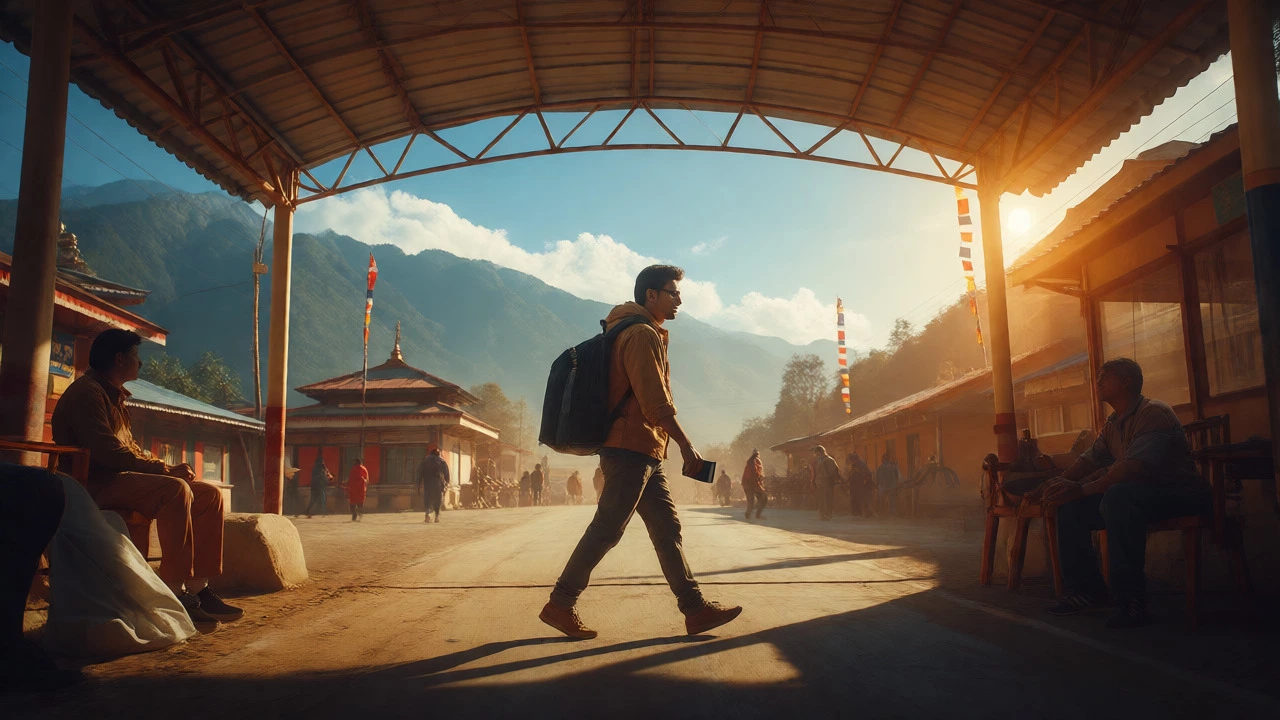
For anyone starting their journey from North India, Nepal is a landlocked nation in South Asia known for its Himalayan landscapes and Buddhist heritage. It isn’t just cheap; it’s practically free if you know how to navigate it. Why? Because there’s no visa fee for Indians. You walk across the border at Sunauli or Raxaul with nothing but your voter ID or passport. No paperwork, no waiting lines, no money exchanged upfront.
Once you’re in Kathmandu or Pokhara, your money stretches incredibly far. A decent hotel room with hot water and Wi-Fi will set you back ₹800-₹1,200 ($10-$15). Street food like momos or dal bhat costs ₹100-₹150. Even if you hire a private guide for a day trek, you’re looking at rates significantly lower than domestic Indian tour packages. The exchange rate favors the INR heavily, meaning every rupee feels like two Nepalese Rupees in purchasing power. Plus, the cultural shock is minimal-same languages, similar foods, familiar temples. It’s the easiest entry point into international travel.
Sri Lanka: Island Paradise on a Shoestring
If mountains aren’t your vibe, look south. Sri Lanka offers an island nation in the Indian Ocean famous for tea plantations, ancient ruins, and pristine beaches. While flights from Chennai or Colombo might seem pricey, ground costs are remarkably low. Since the economic reforms stabilized the currency, tourist infrastructure has boomed while prices remained competitive.
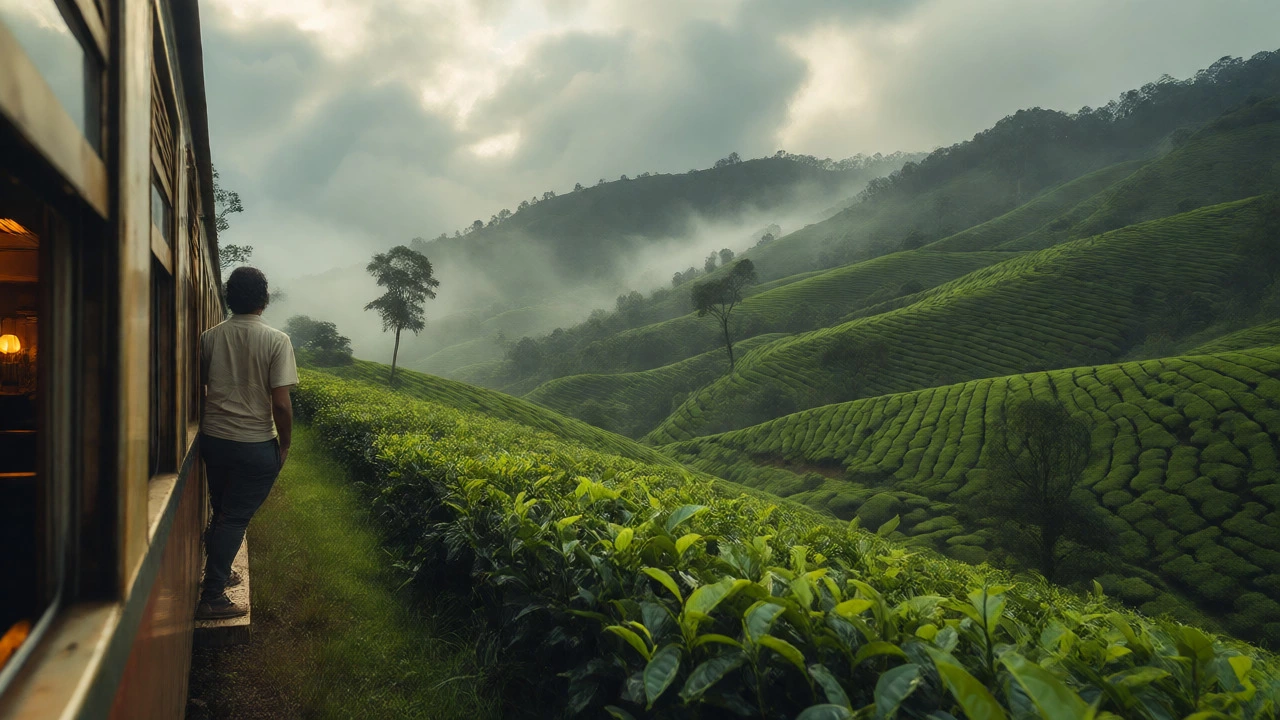
Consider this: A train ride from Kandy to Ella, one of the most scenic routes in the world, costs under $5. Accommodation ranges from ₹1,000 hostels to ₹3,000 boutique guesthouses. Food is spicy, fresh, and cheap. A plate of rice and curry with three vegetables and dhal is ₹150-₹200. Unlike many Western destinations, tipping isn’t mandatory everywhere, keeping your cash flow predictable. The only catch? Ensure you apply for the ETA (Electronic Travel Authorization) beforehand to avoid hassle at the airport. For beach lovers and culture buffs alike, Sri Lanka delivers luxury experiences at backpacker prices.
Thailand: The Classic Budget Backpacker Hub
Yes, Thailand isn’t as dirt-cheap as it was ten years ago. But compared to Europe or even parts of Southeast Asia like Singapore, it remains a bargain. Thailand is a Southeast Asian country known for ornate shrines, vibrant nightlife, and tropical islands. The key to keeping costs low here is location choice. Bangkok and Phuket can drain your wallet fast if you stay in tourist traps. Head north to Chiang Mai or east to Krabi, and prices drop by 40%.
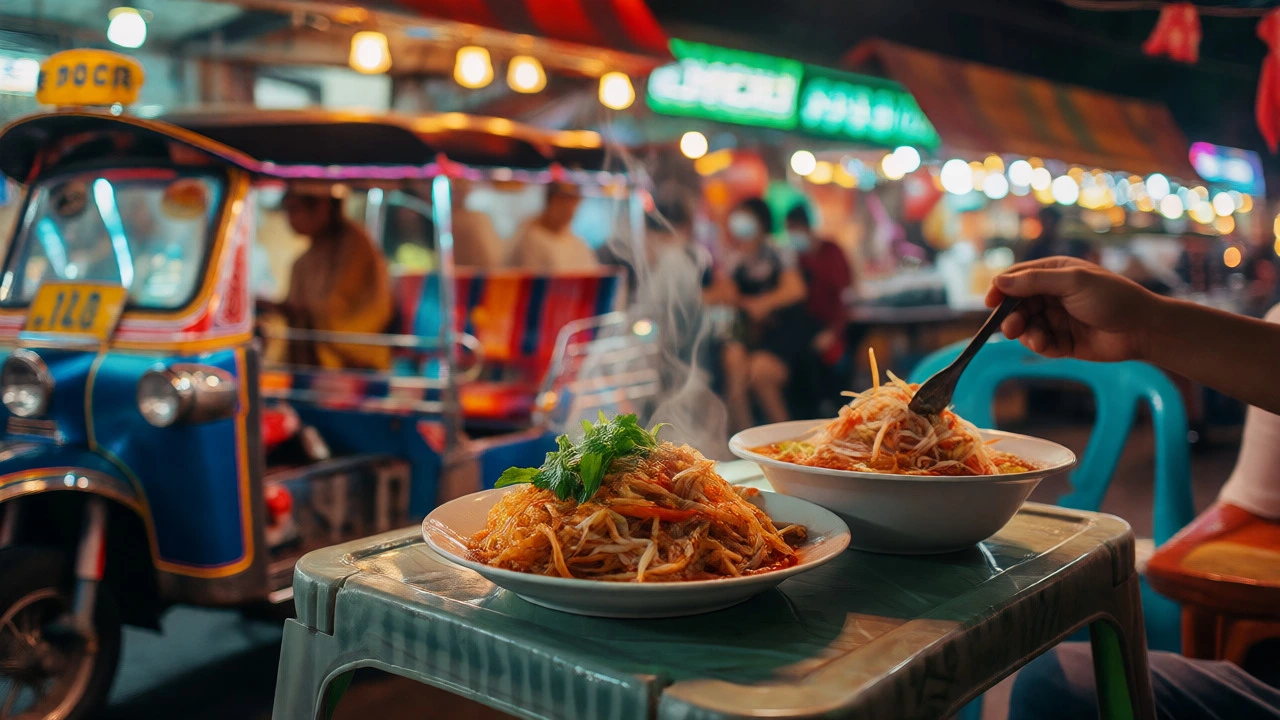
In Chiang Mai, you can find clean, modern apartments on Airbnb for ₹1,500 per night. Street food is king here-pad thai, mango sticky rice, and som tam (papaya salad) all hover around ₹100-₹150. Transportation via Grab (the local Uber equivalent) is affordable. Flights from Kolkata or Chennai to Bangkok often dip below ₹15,000 during off-peak seasons. If you plan ahead, Thailand offers the best mix of comfort, safety, and affordability for first-time international travelers who want more than just borders to cross.
Vietnam: Where Your Money Goes Further
Often overlooked, Vietnam provides a Southeast Asian country stretching along the eastern edge of the Indochinese Peninsula, renowned for its rich history and diverse cuisine. Hanoi and Ho Chi Minh City are incredibly affordable. Coffee culture here is legendary, and a cup of egg coffee costs less than ₹50. Hostels start at ₹400. Meals at local eateries are ₹100-₹200.
However, flights from India to Vietnam are pricier than to Nepal or Sri Lanka. To make it worthwhile, consider a multi-city trip or look for deals via Kuala Lumpur. Once there, the cost of living is so low that a week-long trip can cost less than a weekend in Dubai. The landscape varies from limestone karsts in Ha Long Bay to the bustling streets of Hanoi. It’s safe, clean, and visually stunning. If you’re willing to pay slightly more for the flight, the ground savings make up for it quickly.
| Country | Visa Cost (INR) | Avg. Flight (INR) | Daily Spend (INR)* | Best For |
|---|---|---|---|---|
| Nepal | Free | ₹3,000 - ₹8,000 (Bus/Train) | ₹1,500 - ₹2,500 | Mountains, Spirituality |
| Sri Lanka | ~₹3,000 (ETA) | ₹12,000 - ₹18,000 | ₹2,500 - ₹4,000 | Beaches, Tea Country |
| Thailand | Free (Visa Exempt) | ₹15,000 - ₹25,000 | ₹3,000 - ₹5,000 | Culture, Nightlife, Food |
| Vietnam | ~₹4,500 (E-Visa) | ₹20,000 - ₹30,000 | ₹2,000 - ₹3,500 | History, Scenery, Coffee |
*Daily spend includes mid-range accommodation, meals, and local transport.
Bangladesh: The Hidden Gem Next Door
Most Indians skip Bangladesh, assuming it’s chaotic or unsafe. That’s outdated thinking. Bangladesh is a densely populated country in South Asia with a rich deltaic landscape and vibrant textile industry. For travelers from West Bengal or Northeast India, crossing the border at Benapole-Petrapole is seamless. Visa fees are nominal, often waived for certain categories or easily processed online.
Dhaka offers incredible street food-biriyani, pithas, and jilapi-for pennies. Rickshaw rides are negotiable and fun. The Sundarbans, the largest mangrove forest in the world, shares a border with India. Boat tours here are far cheaper than their Indian counterparts. While infrastructure lags behind Thailand, the raw authenticity and low costs make it a compelling option for adventurous solo travelers. Just keep expectations realistic regarding amenities.
How to Keep Costs Down Regardless of Destination
Picking the right country is half the battle. The other half is how you spend once you’re there. Here are practical tips to stretch your rupee further:
- Avoid Peak Seasons: Traveling in May or September (shoulder seasons) can cut flight costs by 30%. In Nepal, monsoon months offer lush greenery and fewer tourists, though trails may be muddy.
- Eat Local, Not Tourist: In Thailand, a pad thai at a roadside stall is ₹100. At a rooftop bar in Sukhumvit, it’s ₹800. Same dish, different experience. Follow the locals.
- Use Public Transport: Taxis add up fast. In Sri Lanka, trains are scenic and cheap. In Vietnam, buses are comfortable and reliable. Apps like Grab help estimate fair fares.
- Book Flights Early: For destinations like Thailand or Vietnam, booking 2-3 months in advance locks in better rates. Last-minute tickets from India often double in price.
- Carry Cash Wisely: Exchange rates vary. Use ATMs sparingly due to fees. Carry USD or EUR if possible, as they often get better rates than INR in some Southeast Asian countries.
Common Pitfalls to Avoid
Don’t let hidden costs ruin your budget trip. Many travelers forget about insurance. Always buy comprehensive travel insurance-it’s cheap (₹500-₹1,000 for a week) and covers medical emergencies, which can be exorbitant abroad. Also, check connectivity options. Buying a local SIM card upon arrival is usually cheaper than roaming charges. In Nepal, Ncell or Nepal Telecom SIMs are affordable and widely available. In Thailand, AIS or TrueMove offer great data packages for tourists.
Another trap is over-reliance on credit cards. While convenient, foreign transaction fees (2-3%) add up. Use debit cards at ATMs for cash withdrawals, but stick to bank-affiliated ATMs to avoid dynamic currency conversion scams where you get a poor exchange rate.
Frequently Asked Questions
Is Nepal really cheaper than traveling within India?
In many cases, yes. While flights to remote Indian hill stations like Manali or Leh can be expensive, crossing into Nepal via bus or train is very cheap. Daily expenses for food and lodging in Kathmandu or Pokhara are often 20-30% lower than comparable spots in Himachal Pradesh or Uttarakhand, especially when factoring in the lack of visa fees for Indians.
Do I need a visa for Thailand if I am an Indian citizen?
As of recent updates, Indian citizens can enter Thailand visa-free for short stays (typically up to 30 days), depending on current government policies. Always verify the latest regulations before booking, as these rules can change. This waiver saves both time and money compared to applying for e-visas in other countries.
Which country has the cheapest flights from India?
Nepal typically has the cheapest travel options because you can reach it by road or rail from North India, avoiding airfare entirely. Among countries requiring flights, Sri Lanka and Thailand often have competitive fares from major hubs like Delhi, Mumbai, and Chennai, especially during off-peak seasons. Vietnam tends to have higher airfares but lower ground costs.
Is it safe to travel alone to these budget destinations?
Generally, yes. Nepal, Sri Lanka, and Thailand are considered safe for solo travelers, including women. Standard precautions apply: watch your belongings in crowded areas, use registered taxis, and stay aware of your surroundings. Bangladesh requires more caution and local knowledge but is increasingly popular among experienced solo travelers seeking authentic experiences.
What is the best time to visit these countries?
For Nepal, October to November and March to April offer clear mountain views and pleasant weather. Sri Lanka is best visited from December to March for the west and south coasts. Thailand’s cool season runs from November to February, making it ideal for beach trips. Vietnam varies by region, but generally, February to April is good for the north, while November to April suits the south.