India Travel Payment Cost Calculator
Step 1: Enter Your Trip Details
Estimate your daily spending habits to see how much you save by choosing the right payment method.
Step 2: Compare Payment Scenarios
Standard Credit Card (Visa/MC)
High FeesDebit Card (ATM Withdrawals)
Moderate FeesNo-FX Card / UPI App
Best ValueTotal Trip Cost Breakdown
- Base Expenses: $0.00
- Fees (Credit Card): +$0.00
- Fees (ATM Strategy): +$0.00
- Fees (No-FX/UPI): +$0.00
by switching from a standard credit card to a no-foreign-transaction-fee strategy.
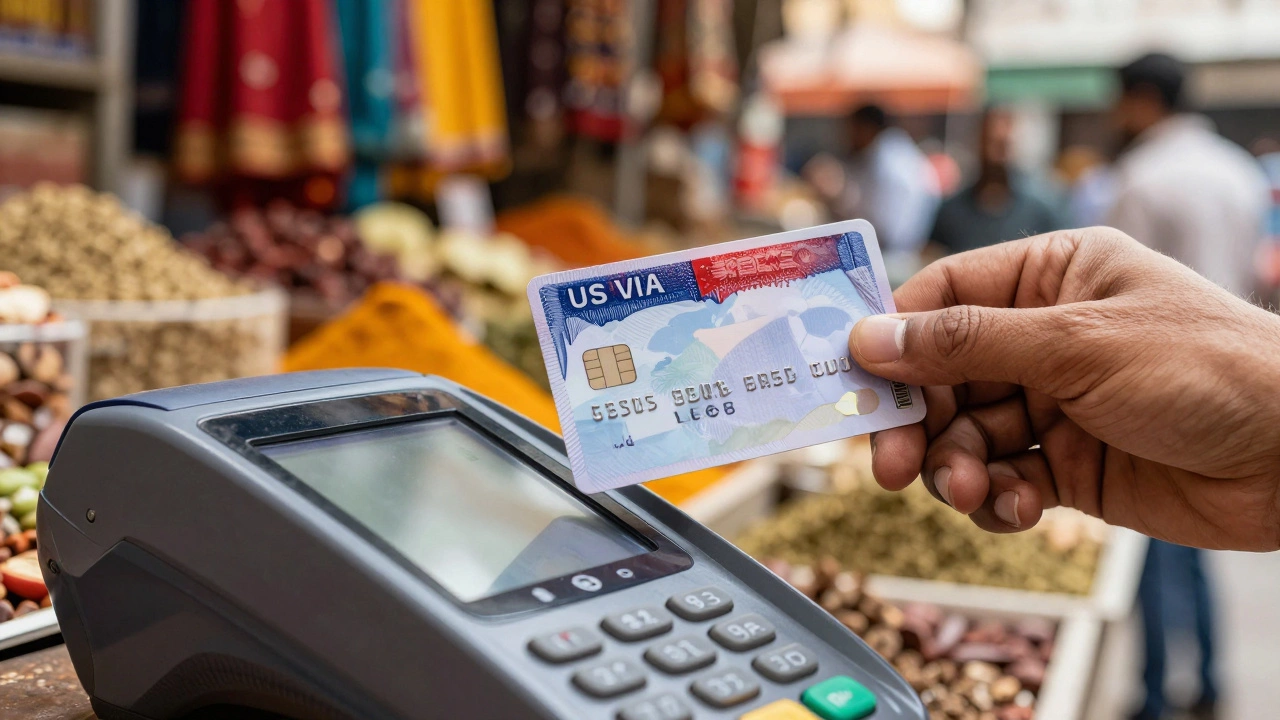
You’ve got your visa sorted, your flights booked, and that dream itinerary of Kerala backwaters or Rajasthan forts mapped out. But there’s one nagging question keeping you up at night: Do US credit cards work in India? The short answer is yes, but the long answer involves a maze of banking protocols, hidden fees, and cultural payment habits that can trip up even seasoned travelers. If you rely solely on plastic from home, you might find yourself staring down a confused shopkeeper in a Delhi market or denied entry to a boutique hotel because they only accept local digital wallets.
India has undergone a massive financial revolution over the last decade. What was once a cash-heavy economy is now a leader in digital transactions. For a visitor from the United States, this shift creates a unique friction point. Your American Express or Discover card might look like valid currency to you, but to an Indian merchant, it might as well be foreign art. Understanding how to navigate this landscape is crucial for budget travel, where every rupee saved on transaction fees goes further toward experiences rather than bank charges.
The Short Answer: Yes, But With Conditions
Major international card networks-specifically Visa and the most widely accepted global payment network in India and Mastercard and the second most popular card brand among Indian merchants-work seamlessly in urban centers and tourist hubs. You will have no trouble using them at five-star hotels, upscale restaurants, large retail chains, and online booking platforms like MakeMyTrip or Airbnb.
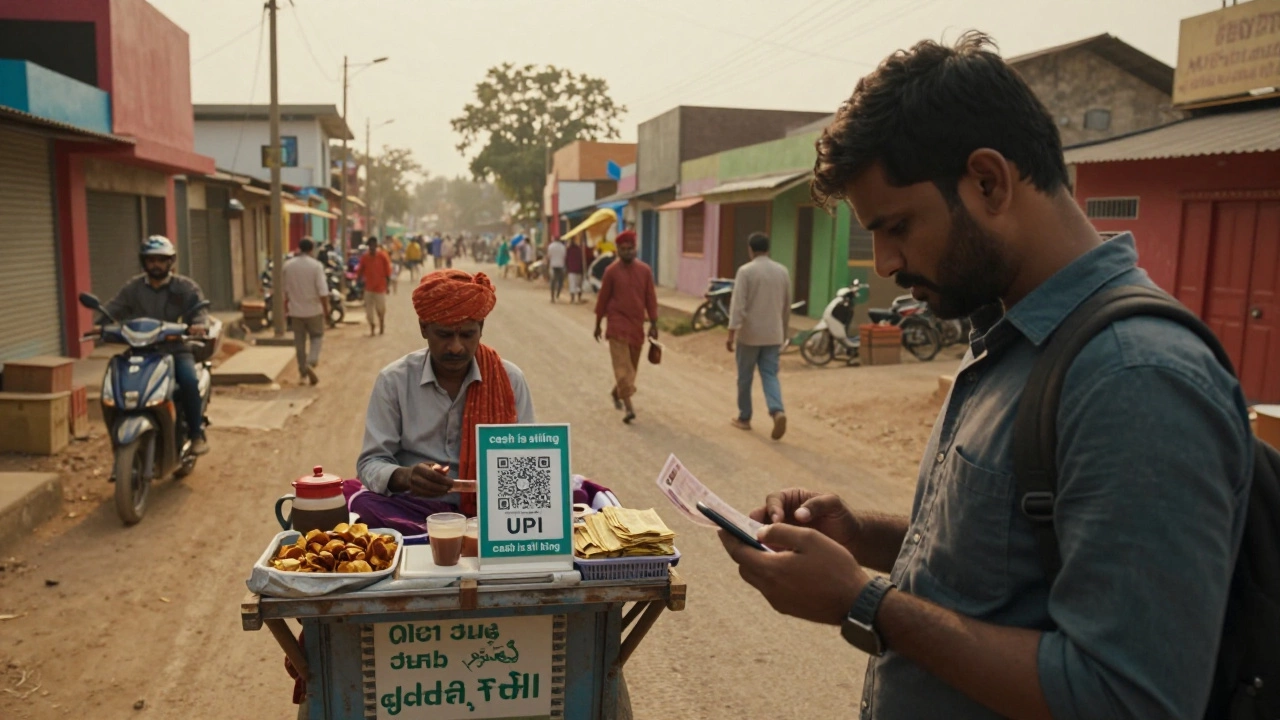
However, acceptance drops significantly as you move away from metropolitan areas like Mumbai, Delhi, Bangalore, and Hyderabad. In smaller towns, rural villages, and local street markets, cash remains king. Even in cities, small vendors often prefer digital transfers via QR codes linked to local banking systems rather than swiping foreign cards due to high merchant discount rates (MDRs). This means while your card *can* work, it won’t work *everywhere*.
The Hidden Costs: Foreign Transaction Fees and Dynamic Currency Conversion
If you’re traveling on a budget, the mere ability to use your card isn’t enough; you need to understand the cost structure. Most standard US credit cards charge a Foreign Transaction Fee and a percentage added to every purchase made outside the US, typically ranging from 1% to 3%. On a $50 meal, that’s $1.50 gone instantly. Over a two-week trip, these fees can add up to $50-$100, which could otherwise buy you several days of accommodation or guided tours.
More dangerous is the trap of Dynamic Currency Conversion (DCC) and a practice where merchants offer to charge you in USD instead of INR to "save" you from conversion hassle. When a terminal asks if you want to pay in USD or INR, always choose INR. If you select USD, the merchant’s bank sets the exchange rate, which is usually terrible compared to what Visa or Mastercard offers. You could lose an additional 3% to 7% on the spot. It feels convenient to see the familiar dollar amount, but it’s actually a financial loss.
| Payment Method | Acceptance Rate | Average Cost/Fee | Best For |
|---|---|---|---|
| Visa/Mastercard (Credit) | High (Urban/Tourist) | 1-3% Foreign Transaction Fee | Hotels, Flights, Large Retail |
| Discover/American Express | Low to Moderate | Varies by Card | Major Chains Only |
| Debit Card (ATM Withdrawal) | Universal (via ATMs) | $2-$5 per withdrawal + 1-3% fee | Cash for daily expenses |
| Cash (INR) | 100% | Exchange rate spread | Street food, Rickshaws, Markets |
| UPI (Tourist Apps) | Growing (Urban) | Minimal/Negligible | Local shops, Restaurants |
Why Discover and Amex Are Problematic
In the US, American Express and a premium credit card network known for rewards but lower global acceptance and Discover and a US-centric card network with limited international infrastructure are household names. In India, they are not. While major hotels and airport duty-free shops may accept Amex, most mid-range businesses do not. Discover is virtually non-existent outside of specific partnerships with international brands like Starbucks or McDonald's in large malls.
Relying on these cards for general spending is a recipe for frustration. I’ve seen travelers stranded trying to pay for a taxi because the driver’s card machine only takes Visa or Mastercard. Always carry a backup Visa or Mastercard if your primary wallet is loaded with Amex or Discover. Better yet, get a dedicated travel card with no foreign transaction fees that operates on the Visa or Mastercard network.
The Cash Reality: Why You Still Need Rupees
Despite the digital boom, cash is still essential in India. Think of it this way: your credit card gets you into the hotel, but cash gets you through the day. You’ll need Indian Rupees (INR) for:
- Tipping guides, drivers, and hotel staff.
- Paying for auto-rickshals and e-rickshals, where drivers rarely carry change for large notes or accept cards.
- Buying snacks from street vendors, chai from roadside stalls, and entry fees to many temples and historical sites.
- Small purchases in local markets where bargaining is part of the culture and transactions are quick and informal.
Withdrawing cash is straightforward. Look for ATMs branded with major banks like State Bank of India (SBI), HDFC Bank, ICICI Bank, or Axis Bank. These machines are more likely to accept foreign cards and dispense cash reliably. Avoid standalone ATMs in remote areas or those without clear branding, as they may have higher limits or technical issues.
Be aware of ATM fees. Your US bank may charge a $2-$5 fee per withdrawal, plus the foreign transaction fee. To minimize costs, withdraw larger amounts less frequently. For example, withdrawing ₹10,000 (approx. $120) once is cheaper than withdrawing ₹1,000 ten times. Also, check if your bank has partnerships with Indian banks to waive ATM fees.
The Game Changer: UPI for Tourists
In 2023 and 2024, India opened its Unified Payments Interface (UPI and India's real-time payment system that allows instant money transfers between bank accounts) to foreigners. This is a significant development for budget travelers. UPI is used everywhere-from buying a samosa to paying for luxury spa treatments. By linking your US credit or debit card to a UPI-enabled app, you can scan QR codes just like locals do.
Apps like PhonePe, Paytm, and Google Pay (GPay) now support foreign cards. However, setup can be tricky. You often need an Indian mobile number to register, which you can get via prepaid SIM cards available at airports. Some apps allow registration with email and international numbers, but verification processes vary. If you can get UPI working, it saves you from carrying cash and avoids card swipe fees entirely. It’s the closest thing to seamless travel in India today.
Safety Tips: Protecting Your Cards Abroad
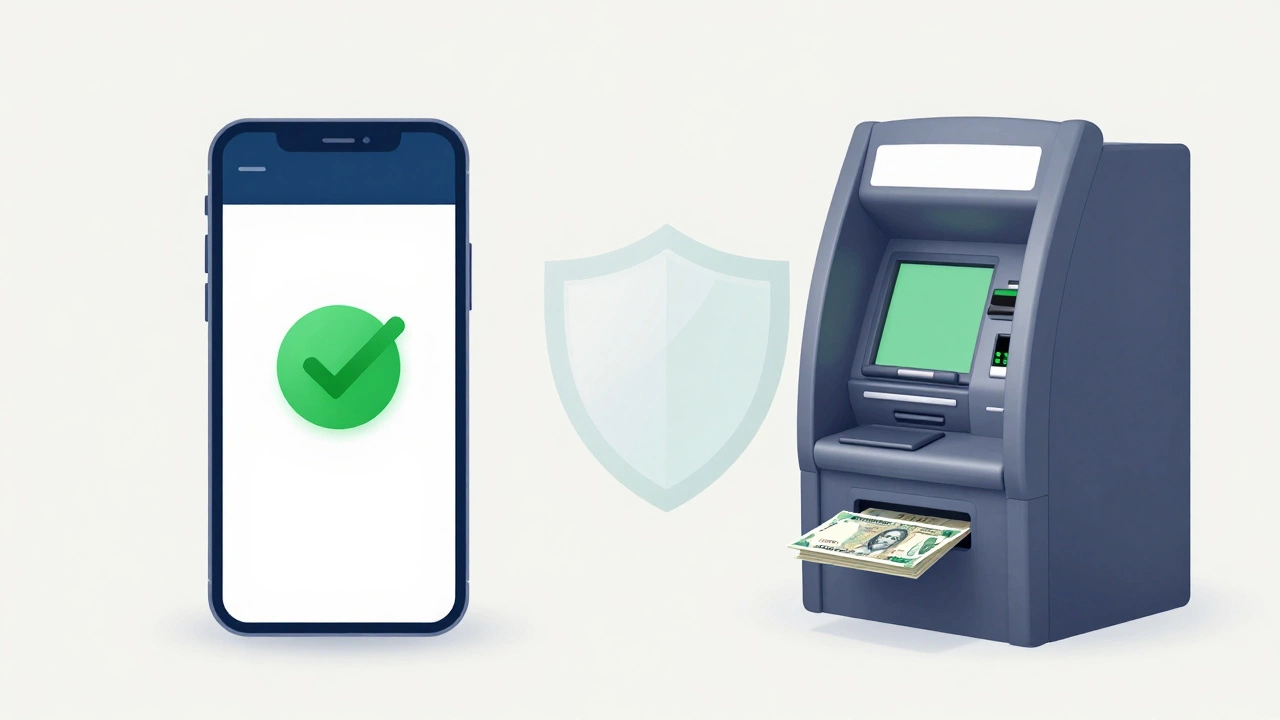
Using cards abroad comes with risks. Skimming devices and fraud are concerns globally, including in India. Here’s how to stay safe:
- Notify Your Bank: Before you leave, tell your bank about your travel dates and destination. This prevents them from flagging your transactions as suspicious and freezing your card.
- Use Chip-and-PIN: India uses chip-and-PIN technology extensively. Ensure your card supports this. Magnetic stripe-only cards are increasingly rejected.
- Keep Cards Separate: Don’t keep all your cards in one wallet. Leave one at home in a safe place. If your main wallet is lost or stolen, you’ll have a backup.
- Monitor Statements: Check your account regularly via your banking app. Report any unauthorized charges immediately.
- Avoid Public Wi-Fi for Banking: Never log into your banking apps or make online purchases using unsecured public Wi-Fi. Use mobile data instead.
Practical Strategy for Budget Travelers
To maximize your budget and minimize stress, adopt a hybrid approach. Start by exchanging a small amount of USD for INR at the airport for immediate transport and tips. Then, use your no-foreign-transaction-fee Visa or Mastercard for major expenses like hotels, flights, and tour bookings. Use your debit card to withdraw cash from reputable ATMs for daily spending. Finally, try setting up UPI for smaller, frequent transactions if you have the time and connectivity to do so.
This strategy ensures you’re never stuck without payment options while keeping costs low. Remember, flexibility is key. Have a plan, but be ready to adapt when technology fails or cash is required. India is a vibrant, complex destination, and mastering its payment systems is just the first step in a rewarding journey.
Can I use Apple Pay or Google Pay in India?
Apple Pay and Google Pay (as contactless NFC payments linked to US cards) have very limited acceptance in India. Most terminals do not support NFC for foreign cards. However, Google Pay India app can be used via UPI if you link your card, which works at millions of QR code scanners. Stick to physical cards or UPI apps for reliability.
What is the best credit card to use in India?
The best card is one with no foreign transaction fees and operates on the Visa or Mastercard network. Examples include Chase Sapphire Preferred, Capital One Venture, or Citi Double Cash. Avoid cards with high FX fees or those on the Discover/Amex networks unless you have a backup.
Should I bring US Dollars to exchange in India?
It’s advisable to bring some crisp, undamaged US Dollar bills for emergency exchange. Exchange counters in major cities offer good rates, but avoid black market exchanges which are illegal and risky. Airports have convenient counters but slightly worse rates. Having cash provides a safety net if your cards fail.
Will my US debit card work at Indian ATMs?
Yes, most US debit cards with Visa or Mastercard logos work at Indian ATMs. Ensure your PIN is numeric (some Indian ATMs don’t accept letters). Be mindful of withdrawal limits and fees from both your US bank and the Indian ATM operator. Withdraw larger amounts to reduce per-transaction costs.
Is it safe to carry large amounts of cash in India?
Carrying excessive cash is not recommended due to theft risk. Carry only what you need for the day. Use hotel safes for extra cash and passports. Split cash into different pockets or bags. Rely on cards and UPI for larger transactions to minimize the amount of physical currency you handle.