India Trek Guide Calculator
Trip Details
Estimation Results
Estimated Cost Breakdown
Based on standard rates from article data.
- Independent Travel (Per Person) $0
- Guided Tour (Per Person) $0
- Total Savings (Going Solo) $0
Why this recommendation?
Enter your trip details and click calculate to see costs and safety advice.
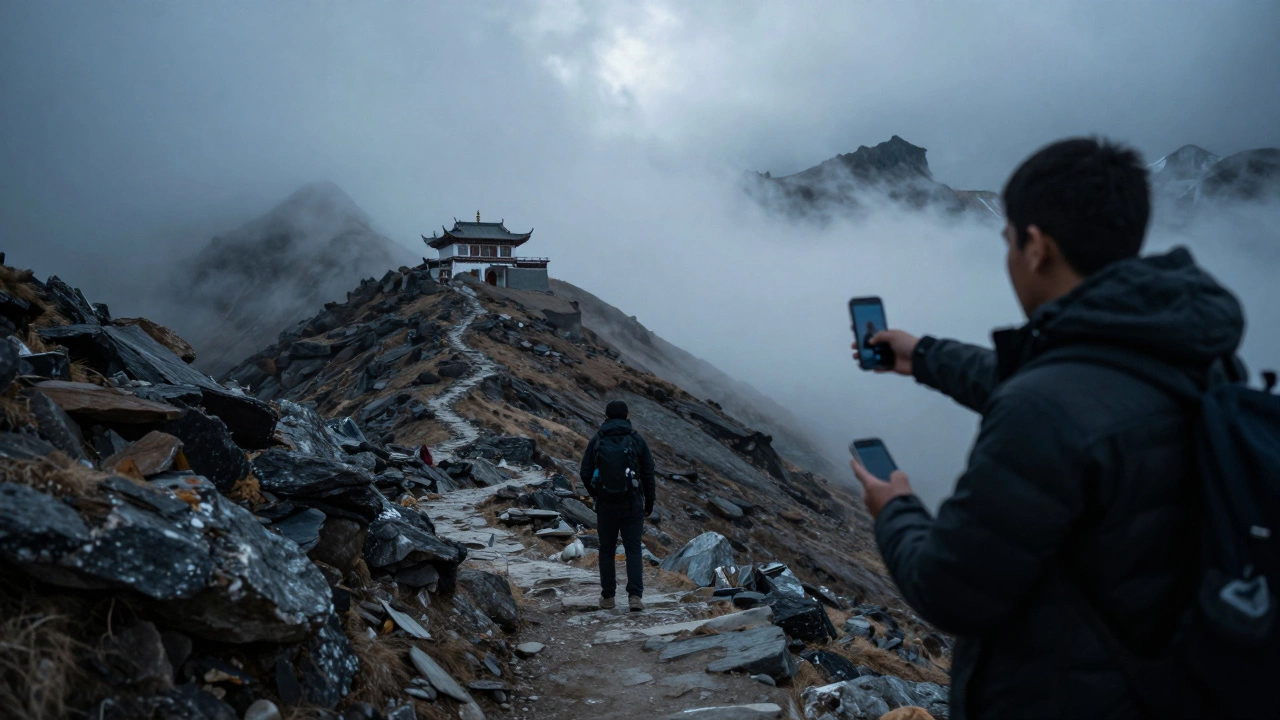
Imagine standing at the base of Tungnath, the world's highest Shiva temple and a gateway to Chandrashila summit. The air is thin, the path is steep, and the clouds are rolling in faster than you expected. Do you trust your map app, or do you follow the local who knows which rock will slip when it rains? This is the core question every hiker faces before booking a flight to the Himalayas or the Western Ghats: Is hiring a guide worth the money, or is it just an unnecessary expense?
The short answer is: it depends entirely on where you go, your experience level, and how much risk you are willing to take. For some trails, a guide is a luxury. For others, it is a matter of survival. Let’s break down exactly when you need one, when you can skip it, and what to look for if you decide to hire help.
When a Guide Is Non-Negotiable
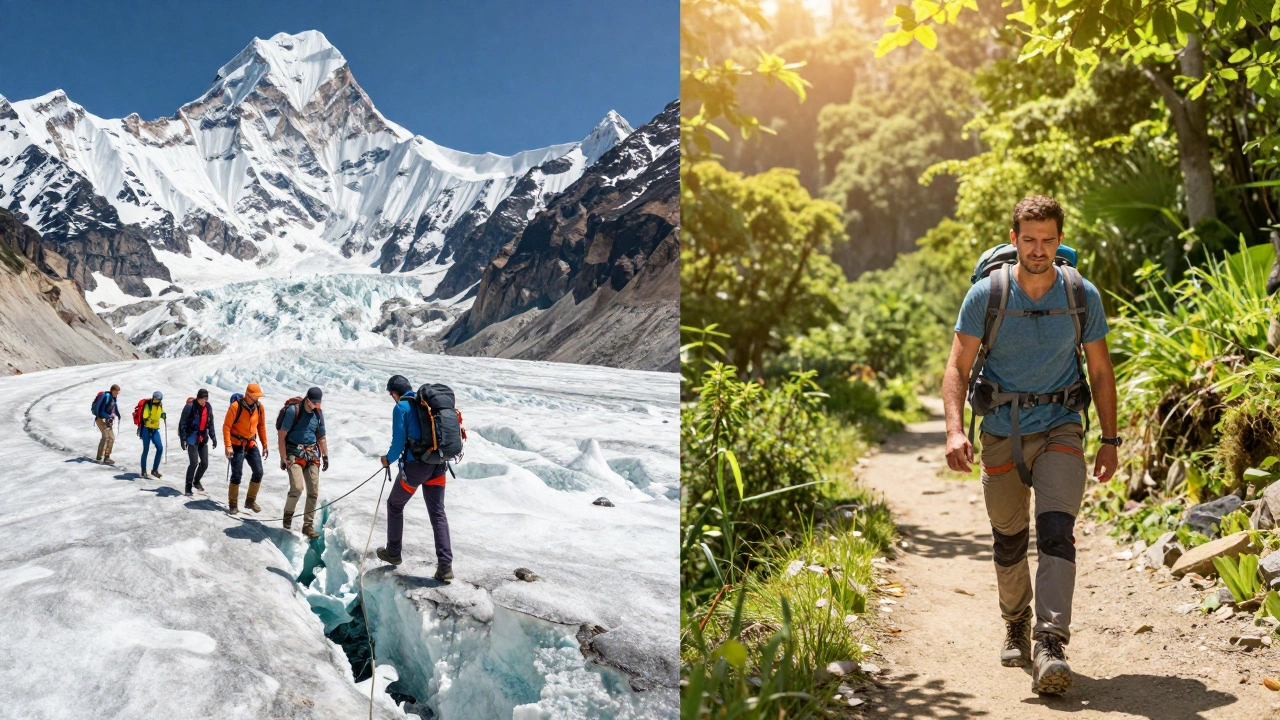
There are specific scenarios in Indian trekking mountaineering and hiking activities across diverse terrains in India. where going alone is not just difficult; it is dangerous. If your itinerary includes high-altitude passes above 4,000 meters (13,000 feet), you should seriously consider professional support. Altitude sickness does not care about your fitness level. It can strike anyone, and recognizing the early symptoms-headache, nausea, confusion-is critical. A trained guide monitors the group’s health and makes the call to descend if conditions worsen.
Consider treks like Stok Kangri a challenging peak in Ladakh requiring technical climbing skills. or Nanda Devi Base Camp a remote and technically demanding trek in Uttarakhand.. These routes involve glacier crossings, loose scree slopes, and unpredictable weather windows. In these environments, a guide provides more than direction; they provide logistics. They arrange permits, coordinate with porters for gear transport, and know the emergency evacuation protocols. Without this network, a minor injury can become a life-threatening situation.
Another area where guides are essential is in protected wildlife zones. Treks near Jim Corbett National Park India's oldest national park known for Bengal tigers. or parts of Dandeli a forest region in Karnataka rich in biodiversity. require strict adherence to safety rules. Straying off marked paths can lead to encounters with wild elephants, leopards, or snakes. Local guides understand animal behavior and seasonal migration patterns, keeping you safe while maximizing your chances of spotting wildlife responsibly.
When You Can Go Solo
Not every trail in India requires a human compass. Many popular routes are well-marked, frequently trafficked, and supported by basic infrastructure. If you are an experienced hiker with good navigation skills, you can confidently tackle moderate treks without a guide. Think of trails like Triund a beginner-friendly day hike near Dharamshala in Himachal Pradesh. or Kudremukh a lush trek in the Western Ghats of Karnataka.. On these paths, you will see other hikers, there are tea stalls along the way, and the terrain is relatively forgiving.
Solo trekking offers freedom. You set your own pace, stop for photos whenever you want, and save significant money. However, "solo" doesn't mean "unprepared." Even on easy trails, you must carry a physical map, a fully charged power bank, and enough water purification tablets. Mobile networks in the mountains are notoriously unreliable. Relying solely on GPS apps is risky because battery drains quickly in cold weather, and signal loss can leave you stranded.
If you choose to go alone, inform someone reliable of your itinerary. Tell them where you are heading, when you expect to return, and what to do if you don’t check in. This simple step has saved countless lives. Additionally, join online communities or forums dedicated to Indian trekking. Recent posts often contain real-time updates on trail conditions, landslides, or permit changes that official websites might miss.
The Hidden Value of Local Knowledge
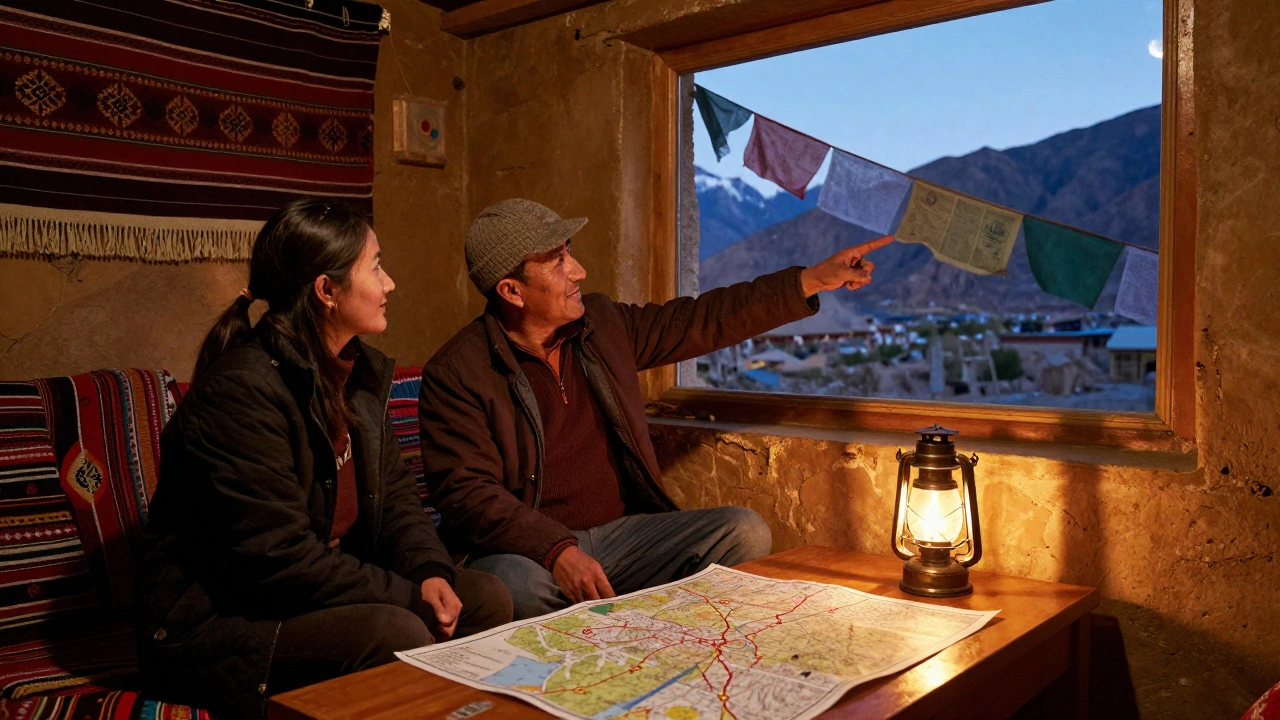
Beyond safety, a guide enriches the experience. India is culturally diverse, and many trekking regions are home to indigenous communities with unique traditions. A local guide from Ladakh a high-altitude desert region in northern India with Tibetan Buddhist culture. can explain the significance of prayer flags, share stories about monasteries, and introduce you to local cuisine that fuels your journey. This cultural context transforms a physical challenge into a meaningful immersion.
Guides also help you navigate bureaucratic hurdles. Permits for areas like Zanskar Valley a remote valley in Ladakh requiring special permission for foreigners. or Spiti Valley a cold desert mountain valley in northern India. can be complex. Regulations change, and border areas often have restricted access. A reputable tour operator or guide handles these paperwork issues, ensuring you don’t face fines or detention at checkpoint stations. They know which forms need stamping and where to submit them.
Moreover, guides support the local economy. Hiring a local ensures that tourism revenue stays within the community rather than leaking out to international agencies. This promotes sustainable tourism and encourages locals to preserve their environment and heritage. When you hire a guide, you are investing in the longevity of the destination itself.
How to Choose the Right Guide
Not all guides are created equal. Some are certified professionals with wilderness first aid training; others are enthusiastic locals with limited formal education. Here is how to distinguish between them:
- Certifications: Look for guides affiliated with recognized bodies like the Himalayan Club an organization promoting mountaineering and trekking in India. or those holding Wilderness First Responder (WFR) certificates. Ask to see their credentials before booking.
- Language Skills: Ensure the guide speaks English fluently if you are not comfortable with Hindi or regional languages. Miscommunication in emergencies can be fatal.
- Group Size: Avoid operators who pack 20+ people into one group. A ratio of 1:8 or better allows for personalized attention and safer pacing.
- Equipment Quality: Check if they provide proper camping gear, warm sleeping bags rated for sub-zero temperatures, and reliable communication devices like satellite phones.
Read recent reviews on platforms like TripAdvisor or specialized trekking forums. Pay attention to comments about safety incidents, food quality, and guide responsiveness. Beware of overly cheap packages. If the price seems too good to be true, it probably cuts corners on safety equipment or porter wages.
Cost Comparison: Guided vs. Independent
| Expense Category | Guided Tour | Independent Travel |
|---|---|---|
| Permits & Fees | Included | $10 - $20 |
| Transportation | Included | $30 - $50 (shared taxis) |
| Accommodation/Camping | Included | $15 - $30 per night |
| Food | Included | $10 - $15 per day |
| Guide/Porter Service | Included | $0 |
| Total Estimated Cost | $250 - $400 | $100 - $180 |
As shown, independent travel is significantly cheaper. However, guided tours offer convenience and peace of mind. You pay for logistics management, risk mitigation, and cultural insight. Decide what matters more to you: budget savings or hassle-free execution.
Seasonal Considerations
Timing plays a huge role in whether you need a guide. During peak seasons (March-May and September-November), trails are crowded, making it easier to find help or follow others. In shoulder seasons (June-August monsoon, December-February winter), trails may be closed due to snow or landslides. Attempting off-season treks without expert guidance is highly discouraged. Monsoon rains trigger mudslides, and winter snow obscures paths, increasing avalanche risks.
For example, the Roopkund Trek a famous trek in Uttarakhand known for its mysterious skeletal lake. is accessible only from May to June and September to November. Trying to reach it in July means navigating slippery, muddy paths with high landslide potential. A guide knows alternative routes or safe waiting points during bad weather.
Final Thoughts on Safety and Preparation
Whether you hire a guide or go solo, preparation is key. Invest in good footwear, layer clothing for temperature swings, and pack a comprehensive first-aid kit. Learn basic Hindi phrases like "help" (madad) and "water" (pani). Respect local customs, dress modestly in villages, and always ask permission before photographing people.
Trekking in India is a rewarding adventure that challenges body and mind. By understanding when professional support is necessary, you ensure that your focus remains on the breathtaking views and personal growth, rather than navigating hazards. Stay curious, stay prepared, and tread lightly.
Is it safe to trek in India alone as a foreigner?
Yes, but with caution. Popular trails like Triund or Hampta Pass are generally safe for solo travelers due to high foot traffic. However, remote or high-altitude treks require guides for safety and permit assistance. Always register your itinerary with local authorities and keep emergency contacts handy.
What is the best time to trek in the Himalayas?
The ideal windows are post-monsoon (September to November) and pre-monsoon (April to June). These periods offer clear skies, stable weather, and accessible trails. Winter treks are possible but require advanced skills and heavy gear, while monsoon season brings landslide risks.
Do I need a visa to trek in restricted areas of India?
Standard tourist visas allow access to most trekking regions. However, areas near borders (like Zanskar, Spiti, or parts of Arunachal Pradesh) require Protected Area Permits (PAP) or Restricted Area Permits (RAP). These are usually arranged by registered tour operators or guides.
How much does a trekking guide cost in India?
Prices vary by region and expertise. A local guide may charge $20-$40 per day, while certified international guides cost $60-$100 daily. Group tours spread these costs among participants, making them more affordable. Porters typically earn $10-$15 per day plus tips.
Can I trek in India during the monsoon season?
Generally no. Monsoon rains (July-August) cause landslides, leech infestations, and obscured trails, especially in the Himalayas. The Western Ghats offer some greenery but still pose slip hazards. Wait until September for safer conditions unless you have extensive off-trail experience.