Street Food Safety Calculator
Select the items you are considering eating to calculate your estimated risk level for "Delhi Belly" (traveler's diarrhea).
Safe to Eat
No items selected.
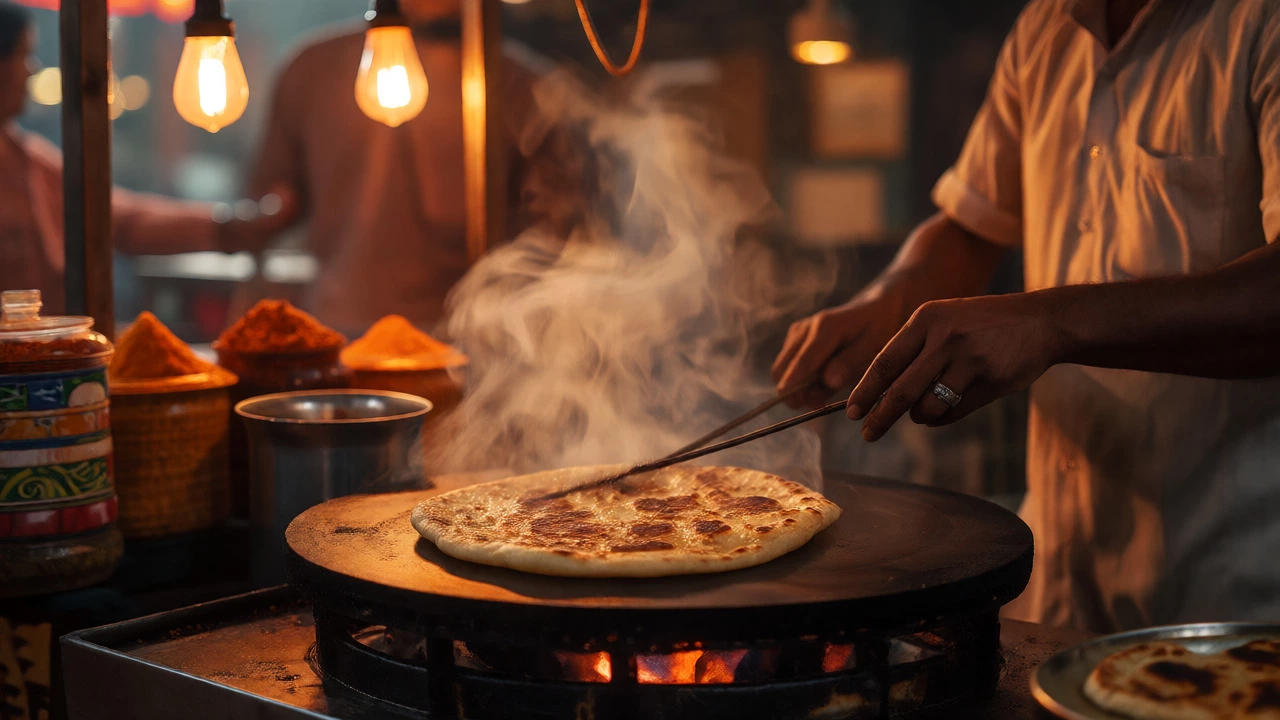
You land in Delhi. The air smells of roasting spices, diesel fumes, and frying oil. Your stomach growls, not just from hunger, but from the sheer anticipation of eating something real. You see a vendor flipping parathas on a blackened griddle, steam rising into the humid air. It looks incredible. It also looks like a gamble. This is the classic dilemma for every backpacker hitting South Asia: how do you eat like a local without spending three days in a bathroom?
Delhi belly is a colloquial term for traveler’s diarrhea or gastrointestinal distress commonly experienced by visitors to India and other developing nations. It isn't a specific disease with a single code in medical textbooks; it's a catch-all phrase for your gut revolting against unfamiliar bacteria. The culprit is usually waterborne pathogens like E. coli, Salmonella, or Giardia, which locals handle effortlessly because their immune systems are trained for them. Yours? Not so much.
The good news is that you don't have to starve yourself or stick to bland hotel buffets to stay safe. With a few smart habits, you can enjoy the vibrant street food scene while keeping your digestive system happy. Here is how to navigate the culinary landscape of India without ending up in a squat toilet.
Understanding the Enemy: Why Does It Happen?
Your gut microbiome is unique to where you live. If you grew up in Wellington, New Zealand, your internal ecosystem is adapted to clean water and regulated food standards. When you suddenly introduce high loads of foreign bacteria through uncooked salads or tap water ice cubes, your body reacts defensively. This reaction often manifests as cramping, bloating, or urgent trips to the restroom.
It is rarely about "dirty" food in the way Westerners imagine. Often, the food is freshly cooked and hygienic by local standards, but the bacterial profile is simply too different for your system to process quickly. However, poor hygiene practices-like using contaminated water to wash produce or leaving cooked food out in heat-do increase the risk significantly. Understanding this distinction helps you make better choices rather than just avoiding everything out of fear.
The Water Rule: Hydration Without the Hazard
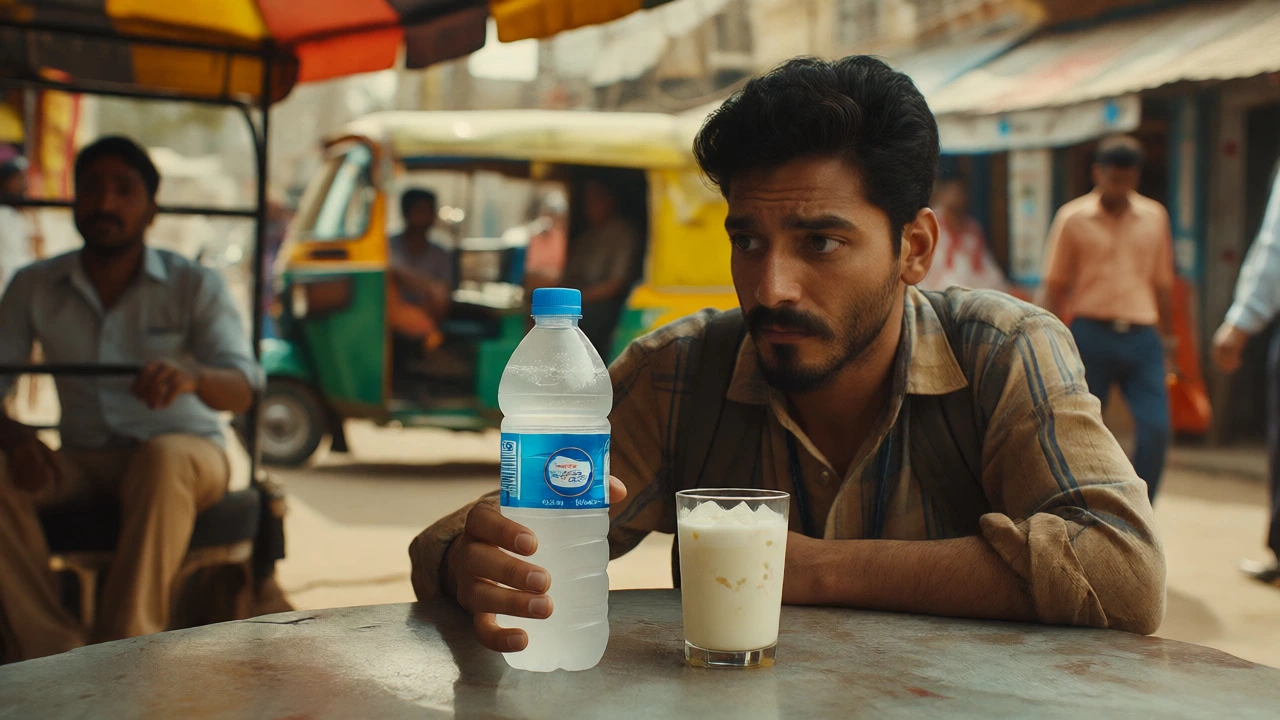
Water is the primary vector for traveler's diarrhea. In many parts of India, tap water is not potable for foreigners. Even if locals drink it after boiling or filtering, your stomach might not be ready for the mineral content or microbial load.
- Stick to sealed bottles: Buy bottled water from reputable brands like Bisleri or Kinley. Always check the seal before opening. If the cap has already been punctured, ask for a new bottle.
- Skip the ice: Unless you are at a high-end hotel or a busy restaurant that explicitly states they use filtered or boiled water for ice, assume the ice cubes are made from tap water. This is a common trap in cocktails and lassis.
- Brush with bottled water: Yes, even brushing your teeth can expose you to enough bacteria to cause issues. Use bottled water or mouthwash instead of the tap.
- Hot drinks are safer: Tea (chai) and coffee are generally safe because the brewing process involves boiling water. Just ensure the milk used was pasteurized or boiled.
Eat Hot, Eat Fresh: The Golden Rule of Street Food
If there is one mantra to tattoo on your brain, it is this: eat only what is cooked in front of you and served piping hot. Heat kills most harmful bacteria. If a samosa has been sitting in a glass case for four hours under a warm bulb, it is a breeding ground for microbes. But if it comes straight out of the fryer, burning your fingers slightly? That is a safer bet.
Look for vendors with high turnover. A stall with a long line of locals is usually a sign of fresh ingredients and rapid consumption. High volume means food doesn't sit around getting stale. Conversely, a quiet stall with trays of pre-cooked curries cooling down is risky. The "danger zone" for bacterial growth is between 4°C and 60°C. Indian street food often sits right in that range if not actively heated.
| Food Item | Risk Level | Why? |
|---|---|---|
| Piping hot Paratha/Samosa | Low | Cooked at high temperatures; immediate consumption. |
| Freshly squeezed Lime Soda | Medium | Acid helps, but water source for dilution matters. |
| Pre-cut Fruit Salad | High | Washed in potentially contaminated water; exposed to flies. |
| Raw Salads/Garnishes | High | Uncooked vegetables carry surface bacteria. |
| Boiled Eggs | Low | Shell protects contents; cooking kills pathogens. |
Produce: Peel It, Cook It, or Leave It
There is an old saying among seasoned travelers: "Peel it, cook it, or leave it." Raw fruits and vegetables are major carriers of parasites and bacteria. Locals eat raw onions and cilantro chutneys daily without issue, but your system might not be equipped to handle the specific strain of bacteria on those leaves.
Avoid raw salads unless you are in a trusted establishment. Be cautious with fruit juices sold on the street. While mango juice sounds delicious, the water mixed into it might not be purified. Stick to whole fruits you can peel yourself, like bananas, oranges, and guavas. If you want cut fruit, buy it from a vendor who cuts it fresh in front of you and serves it immediately, rather than taking pieces from a tray that has been sitting out.
Hygiene Habits That Save Your Gut
You cannot control the environment, but you can control your interaction with it. Carrying hand sanitizer is non-negotiable. Washing hands with soap and water is ideal, but in many public places, water quality is questionable. Alcohol-based sanitizers (at least 60% alcohol) are effective against most bacteria causing stomach bugs.
Also, watch how you handle money. Rupee notes change hands thousands of times a day. They are notoriously dirty. After paying for your snack, sanitize your hands before eating. Do not touch your face, eyes, or mouth until you have cleaned your hands. This simple step prevents transferring pathogens from currency to your mucous membranes.
Building Resilience: Probiotics and Gradual Exposure
Some travelers swear by taking probiotics before and during their trip. While scientific evidence varies, maintaining a healthy gut flora can help buffer against sudden changes. Yogurt (dahi) is a natural probiotic widely available in India. Eating small amounts of fresh, plain yogurt can actually help settle your stomach and introduce beneficial bacteria gradually.
Don't dive headfirst into the spiciest curry on day one. Ease into the local cuisine. Start with milder dishes and observe how your body reacts. If you feel fine after two days, try something bolder. This gradual exposure allows your microbiome to adjust slowly, reducing the shock to your system.
What to Do If You Get Sick
Despite your best efforts, you might still get sick. It happens to almost everyone. Don't panic. The key is hydration. Dehydration is the real danger, not the diarrhea itself.
- ORS (Oral Rehydration Solution): This is the gold standard. Available at any pharmacy in India for pennies, ORS packets mix with water to replace lost electrolytes. Keep several packets in your bag.
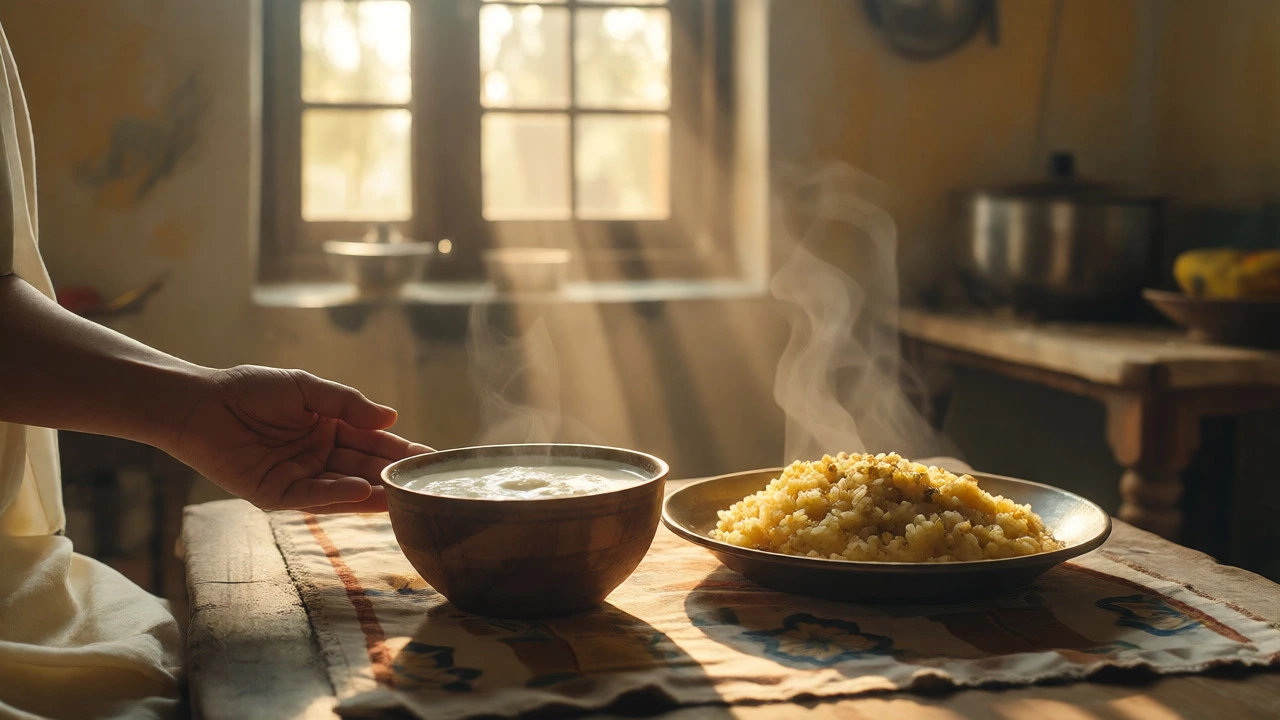
- Bananas and Rice: These are gentle on the stomach and help bind stools. Khichdi (a rice and lentil dish) is the ultimate comfort food for an upset tummy.
- Avoid Anti-diarrheals initially: Medications like Loperamide stop symptoms but keep the bacteria inside your body. Let your system flush it out first, then use meds if you need to travel.
- Seek help if: You see blood in stool, have a high fever, or cannot keep fluids down for more than 24 hours.
Regional Variations and Specific Tips
Not all of India is the same. Coastal areas like Goa or Kerala might have different risks compared to North India. In coastal regions, seafood freshness is critical. Only eat fish that has been thoroughly cooked. Raw shellfish is a big no-go for sensitive stomachs.
In cities like Mumbai or Kolkata, the humidity accelerates bacterial growth. Food spoils faster here than in drier climates like Rajasthan. Adjust your vigilance accordingly. In dry heat, food stays safe longer, but dehydration hits harder. Drink more water than you think you need.
Final Thoughts: Enjoy the Flavor
Don't let fear ruin your experience. The reason people visit India is often the food. The chaos, the color, and the intense flavors are part of the magic. By following these basic rules-bottled water, hot food, peeled fruit, and hand hygiene-you minimize the risk to a manageable level. Most travelers go weeks without a single incident. Trust your instincts, watch the locals, and eat what looks fresh. Your taste buds will thank you, and your stomach will likely forgive you.
Is it safe to eat street food in India?
Yes, it is generally safe if you choose stalls with high turnover and serve food that is cooked fresh and served hot. Avoid raw foods and items that have been sitting out for hours.
Can I drink tea or coffee in India?
Tea and coffee are usually safe because the water is boiled during preparation. Ensure the milk used is pasteurized or boiled, which is standard practice in most establishments.
Should I take antibiotics for Delhi belly?
Antibiotics are not always necessary for mild cases. Most cases resolve with rest and hydration. Consult a doctor if symptoms persist beyond 48 hours or are severe, as self-medicating with antibiotics can lead to resistance.
Is bottled water always safe?
Mostly yes, but check the seal. Some vendors refill empty bottles. Look for reputable brands and ensure the plastic ring at the base of the cap is intact before drinking.
What is ORS and why is it important?
ORS stands for Oral Rehydration Solution. It is a precise mixture of salts and sugars that helps your body absorb water more effectively than plain water, preventing dangerous dehydration caused by diarrhea.