South India Travel Stomach Safety Calculator
You’ve spent weeks planning your trip to the temples of Tamil Nadu or the backwaters of Kerala. You have your itinerary, your accommodation booked, and you’re ready to immerse yourself in the culture. Then, on day two, it happens. The cramps start. Your stomach turns into a knot of regret after that delicious-looking street snack. Suddenly, your grand adventure is reduced to navigating unfamiliar bathrooms and wondering if you’ll ever eat again.
Stomach upset, often called 'Delhi Belly' but prevalent across all of India including the south, is the number one fear for travelers. It doesn’t have to be your reality, though. With a bit of preparation and some common sense, you can enjoy the incredible flavors of Indian cuisine without paying the price later. Here is how to protect your gut while exploring the vibrant streets of South India.
The Golden Rule: Boil It, Cook It, Peel It, or Forget It
This old traveler’s mantra is not just a catchy phrase; it is your primary defense mechanism. When you are in Chennai, Bangalore, or Kochi, your immune system is encountering bacteria and viruses it has never seen before. Even tiny amounts of contamination can cause significant issues.
- Boil it: Water should always be boiled before drinking. If you are unsure about the tap water at your hotel, ask for bottled water or use a portable filter.
- Cook it: Food must be cooked thoroughly. Hot food is generally safe because high temperatures kill most pathogens. Avoid undercooked meats or seafood, especially in coastal areas like Goa or Mangalore.
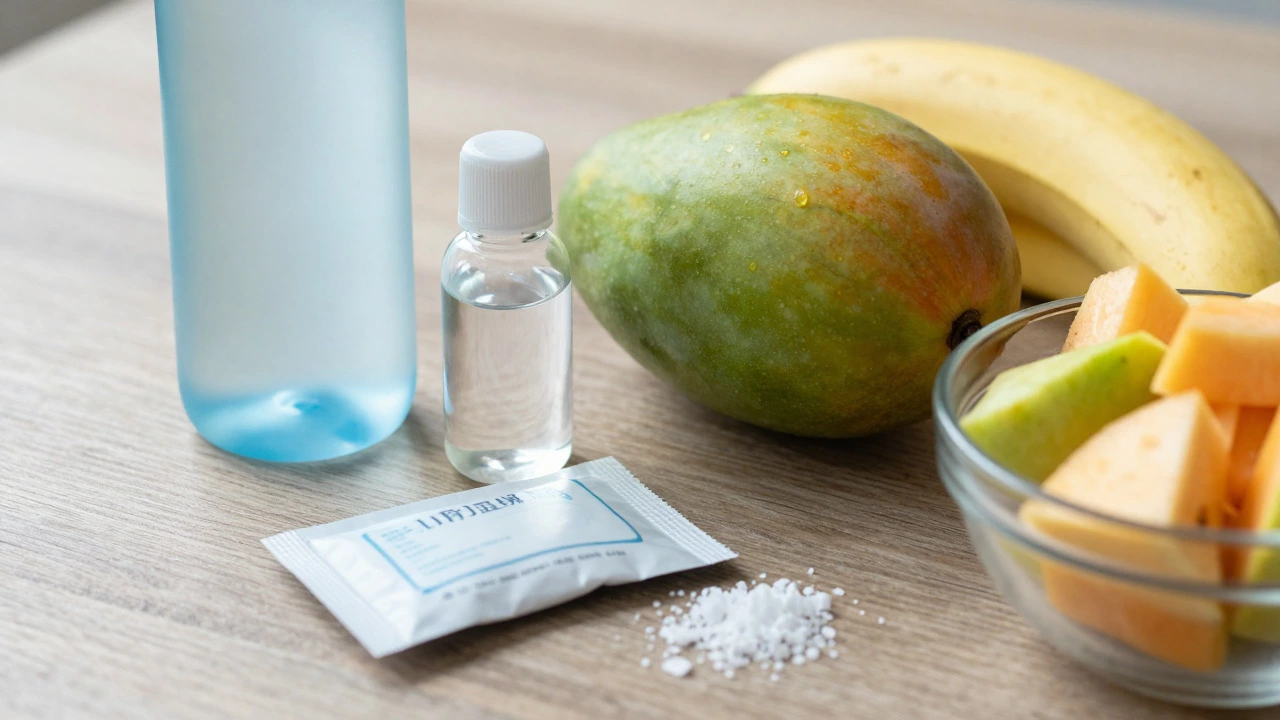
- Peel it: Fruits and vegetables are tricky. If you can peel it yourself (like bananas, oranges, or mangoes), it is usually safe. If it comes pre-cut from a market stall, think twice.
- Forget it: If you are unsure about the source or hygiene, skip it. It is better to miss out on one snack than to spend three days sick.
Navigating Street Food Safely
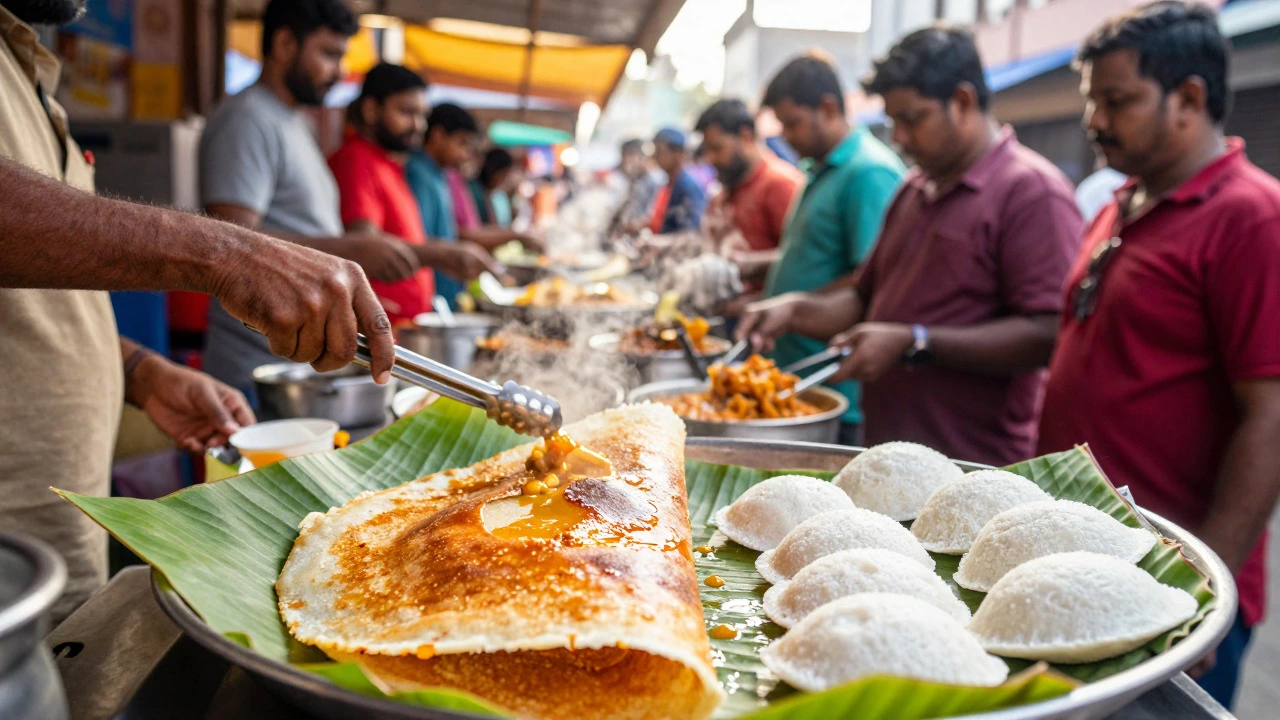
Let’s be honest: half the fun of traveling in India is the street food. From Idli and Dosa in the morning to spicy chaat in the evening, these foods are iconic. You don’t need to avoid them entirely; you just need to be strategic.
Look for stalls with high turnover. If a line of locals is waiting, it means the food is fresh and moves quickly. Stagnant food sitting under a heat lamp is a breeding ground for bacteria. Also, observe the vendor’s hygiene. Are they using tongs? Do they wash their hands? While standards vary, many reputable vendors maintain surprising levels of cleanliness.
Stick to hot, freshly prepared items. A steaming plate of Masala Dosa is far safer than cold salad served at room temperature. In South India, chutneys and sambar are staples. Ensure they are heated through. Raw salads, especially those with leafy greens washed in tap water, are a major risk factor for traveler’s diarrhea.
Water Safety: Beyond Bottled Water
Bottled water is convenient, but it is not foolproof. Counterfeit bottles exist, and caps can be resealed after being filled with tap water. Always check that the seal is intact when you buy a bottle. Better yet, carry a reusable bottle with a built-in filter or UV purification system.
Be cautious with ice. Many bars and cafes add ice to drinks without specifying its source. Unless you know the establishment uses purified water for ice, ask for 'no ice.' This applies to soft drinks, cocktails, and even coffee. Similarly, watch out for toothpaste. Rinse your mouth with bottled water before brushing your teeth to avoid swallowing contaminated tap water.
| Action | Risk Level | Recommendation |
|---|---|---|
| Drinking Tap Water | High | Avoid completely unless boiled |
| Bottled Water (Sealed) | Low | Safest option for drinking |
| Ice Cubes | Medium | Avoid unless confirmed purified |
| Toothbrushing | Medium | Use bottled water to rinse |
| Fruit Juice (Freshly Squeezed) | Medium-High | Avoid unless you peel the fruit yourself |
Hand Hygiene: Your First Line of Defense
In India, eating with your hands is common and culturally significant. However, this direct contact means any germs on your skin go straight into your system. Handwashing is critical. Use soap and warm water whenever possible, especially before meals and after using the restroom.
If soap isn’t available, carry a high-quality hand sanitizer with at least 60% alcohol. Gel sanitizers are less effective against certain parasites, so wash with soap when you can. Don’t forget to clean your nails, where dirt and bacteria can hide. Small habits like avoiding touching your face until you have sanitized your hands can make a huge difference.
Building Your Gut Resilience
Your digestive system needs time to adjust to new environments. Start your trip slowly. For the first two days, stick to bland, familiar foods like rice, toast, or plain yogurt. Gradually introduce spicier and more complex dishes as your body adapts. Probiotics can help too. Taking a probiotic supplement before and during your trip can introduce beneficial bacteria that compete with harmful pathogens.
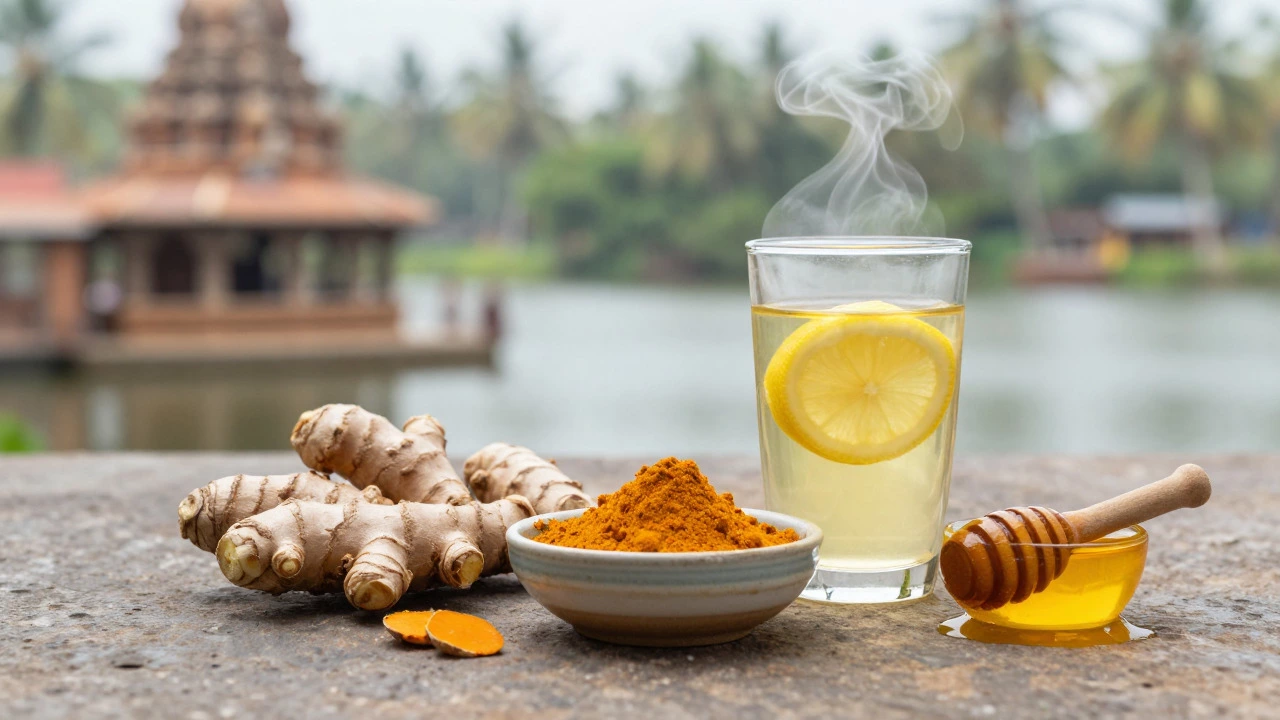
Local remedies also work wonders. Ayurvedic practices have long recognized the importance of gut health. Ginger tea is excellent for nausea and digestion. Turmeric has anti-inflammatory properties that soothe the stomach. Many Indians drink warm water with lemon and honey in the morning to kickstart digestion-consider adopting this habit during your stay.
What to Do If You Get Sick
Despite your best efforts, you might still get sick. Don’t panic. Mild stomach upset is common and usually resolves on its own within 24-48 hours. The key is hydration. Drink oral rehydration solutions (ORS) available at local pharmacies. These packets contain the right balance of salts and sugars to replace what you lose through diarrhea and vomiting.
Avoid anti-diarrheal medications like Imodium unless necessary, as they can trap bacteria in your system. Instead, focus on resting and staying hydrated. If symptoms persist for more than two days, include fever, blood in stool, or severe dehydration, seek medical attention immediately. Hospitals in major cities like Hyderabad and Mumbai have international standards of care.
Dining Out: Choosing Safe Restaurants
When dining at restaurants, look for establishments that cater to both locals and tourists. High-end hotels often have stricter hygiene protocols. Check online reviews specifically mentioning food quality and hygiene. Apps like Zomato or Swiggy sometimes display hygiene ratings for restaurants, which can be a useful indicator.
Ask questions. Don’t be afraid to ask how food is prepared. Most staff will appreciate your interest and reassure you. If a dish looks suspicious or smells off, trust your instincts and send it back. Your health is more important than politeness.
Is tap water safe to drink in South India?
Generally, no. While some metro areas may have improved treatment, tap water in South India is not recommended for drinking by travelers. Always opt for sealed bottled water, boiled water, or filtered water to avoid stomach upsets caused by bacteria like E. coli.
Can I eat street food in Chennai or Bangalore safely?
Yes, if you choose wisely. Stick to hot, freshly cooked items like dosas, idlis, or vadas. Avoid raw salads, chutneys made with unpeeled ingredients, and drinks with ice. Look for busy stalls with high customer turnover to ensure freshness.
What should I pack to prevent traveler's diarrhea?
Pack hand sanitizer with at least 60% alcohol, oral rehydration salts (ORS), probiotics, and a portable water filter or purification tablets. Anti-diarrheal medication can be helpful for emergencies but should not be relied upon as a primary prevention method.
Are fruits safe to eat in India?
Only if you peel them yourself. Bananas, oranges, and papayas are safe choices. Avoid pre-cut fruits sold on the street or in markets, as they may have been washed in contaminated water or handled with unwashed hands.
How long does traveler's diarrhea usually last?
Most cases of mild traveler's diarrhea resolve within 1 to 3 days with proper hydration and rest. If symptoms persist beyond this period, or if you experience high fever or blood in stool, consult a doctor immediately as you may need antibiotics.