Find Your Perfect North India Destination
What type of traveler are you?
Ask ten people which is India's most beautiful place, and you will likely get ten different answers. Some will swear by the snow-capped peaks of the Himalayas, while others will point to the backwaters of Kerala or the deserts of Rajasthan. Beauty is subjective, but there are certain destinations in India that consistently top every traveler’s bucket list because they offer something rare: a perfect blend of natural grandeur, cultural depth, and visual impact.
If you are planning a trip to North India, you are looking at some of the most dramatic landscapes on Earth. From the turquoise waters of mountain lakes to the ancient forts carved into cliffs, this region defines what many consider "beautiful" in a travel context. But how do you choose where to go? Let’s break down the contenders for the title of India’s most beautiful place, focusing on the experiences they offer and why they stand out.
The Dramatic Heights of Leh-Ladakh
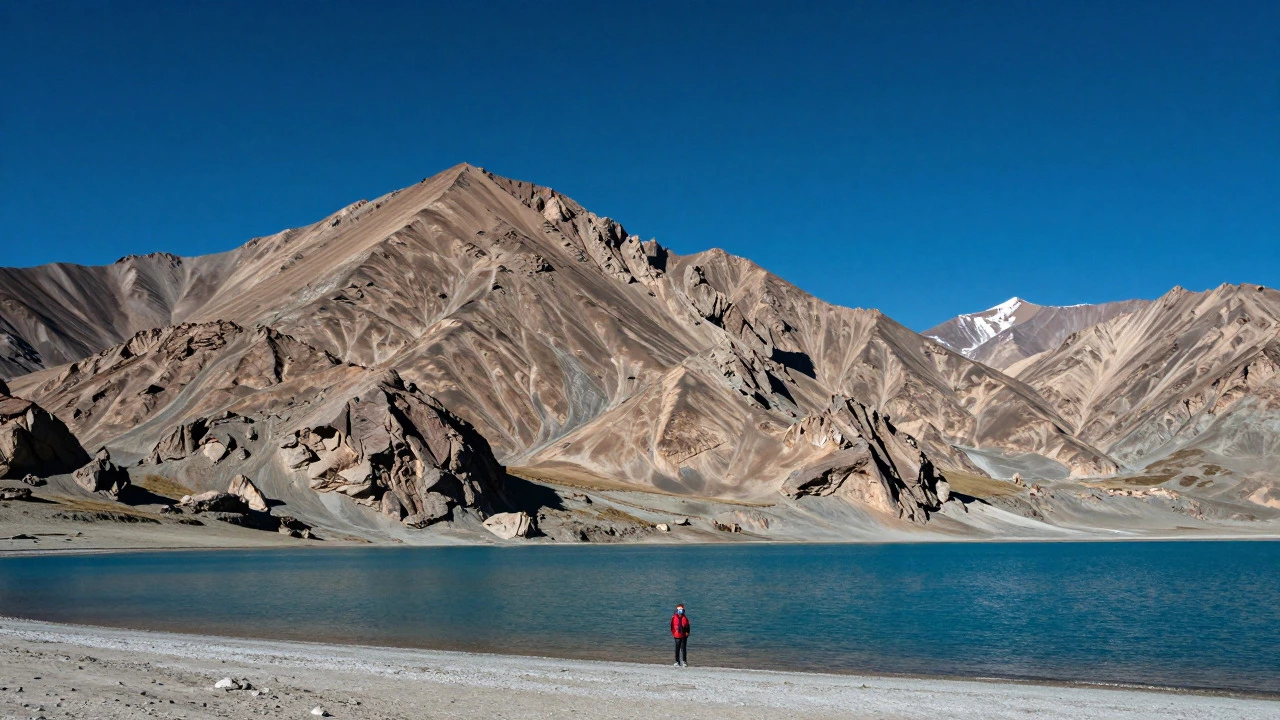
If you want raw, untouched beauty, Leh-Ladakh is hard to beat. This high-altitude desert in the union territory of Ladakh offers a landscape that feels more Martian than earthly. The stark contrast between the deep blue sky, the brown rugged mountains, and the bright turquoise Pangong Lake creates images that look like they belong in a movie poster.
What makes Leh-Ladakh special isn’t just the scenery; it’s the isolation. When you drive along the Srinagar-Leh highway, passing through passes like Khardung La (one of the highest motorable roads in the world), you realize how remote and pristine this place is. The monasteries, such as Hemis Monastery, add a spiritual layer to the physical beauty. However, beauty here comes with a challenge: the altitude. You need to acclimatize properly to avoid sickness, making it a destination for those who appreciate adventure alongside aesthetics.
Spiritual Serenity in Rishikesh
Not all beauty is about towering peaks. Sometimes, it’s about the atmosphere. Rishikesh, often called the Yoga Capital of the World, sits at the foothills of the Garhwal Himalayas. The Ganges River flows through it, creating a serene environment that draws millions of pilgrims and travelers alike.
The beauty of Rishikesh lies in its simplicity and spirituality. Watching the morning Ganga Aarti at Triveni Ghat, where hundreds of oil lamps float down the river, is a mesmerizing experience. The surrounding green hills provide a lush backdrop that contrasts sharply with the arid landscapes of Ladakh. For those seeking peace rather than adrenaline, Rishikesh offers a calming beauty that rejuvenates the mind. It is also a hub for white-water rafting, adding an adventurous edge to its tranquil setting.
Romantic Retreats in Manali
Manali has long been a favorite for honeymooners and nature lovers. Located in the Kullu Valley, it offers a classic European-style alpine experience within India. The town is surrounded by dense pine forests, apple orchards, and snow-covered peaks like Snowden Peak.
What sets Manali apart is its accessibility and variety. You can explore the old town’s narrow lanes, visit the Hadimba Temple nestled in a cedar forest, or take a cable car ride to Solang Valley for paragliding. In winter, it transforms into a snow paradise, while summer brings blooming rhododendrons and clear skies. The nearby Rohtang Pass provides breathtaking views of glaciers, making it a must-visit for anyone wanting to see the majestic side of the Himalayas without venturing too far off the beaten path.
Historical Grandeur in Jaipur
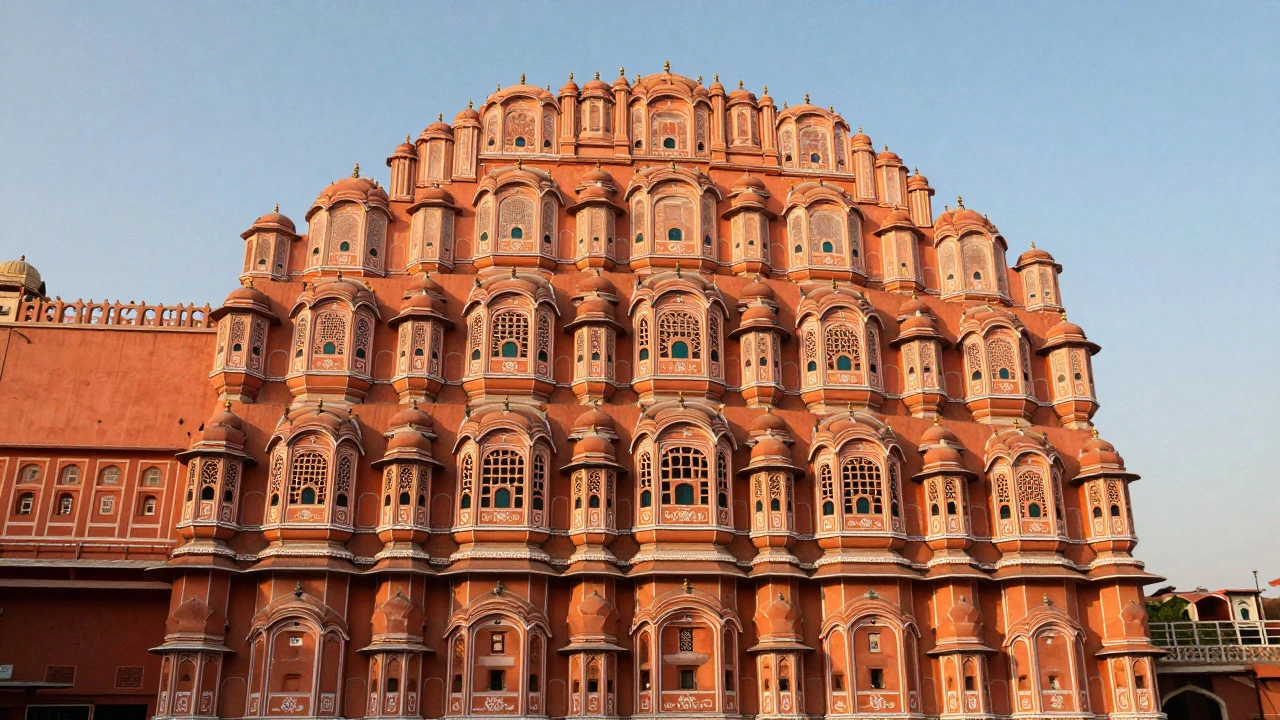
Beauty isn’t only found in nature. Jaipur, the Pink City of Rajasthan, showcases architectural brilliance that rivals any natural wonder. Founded in 1727, Jaipur was one of the first planned cities in India, designed with geometric precision. Its buildings, painted in various shades of pink, create a unique visual identity that is both warm and inviting.
The Hawa Mahal, with its honeycomb-like facade, and the Amber Fort, perched on a hilltop overlooking Maota Lake, are testaments to Rajput architecture. At night, when the forts are illuminated, the city takes on a magical glow. Jaipur combines history, culture, and artistry, offering a different kind of beauty-one crafted by human hands over centuries. It’s a place where every street corner tells a story, making it ideal for those who appreciate heritage and design.
Mystical Charm of Varanasi
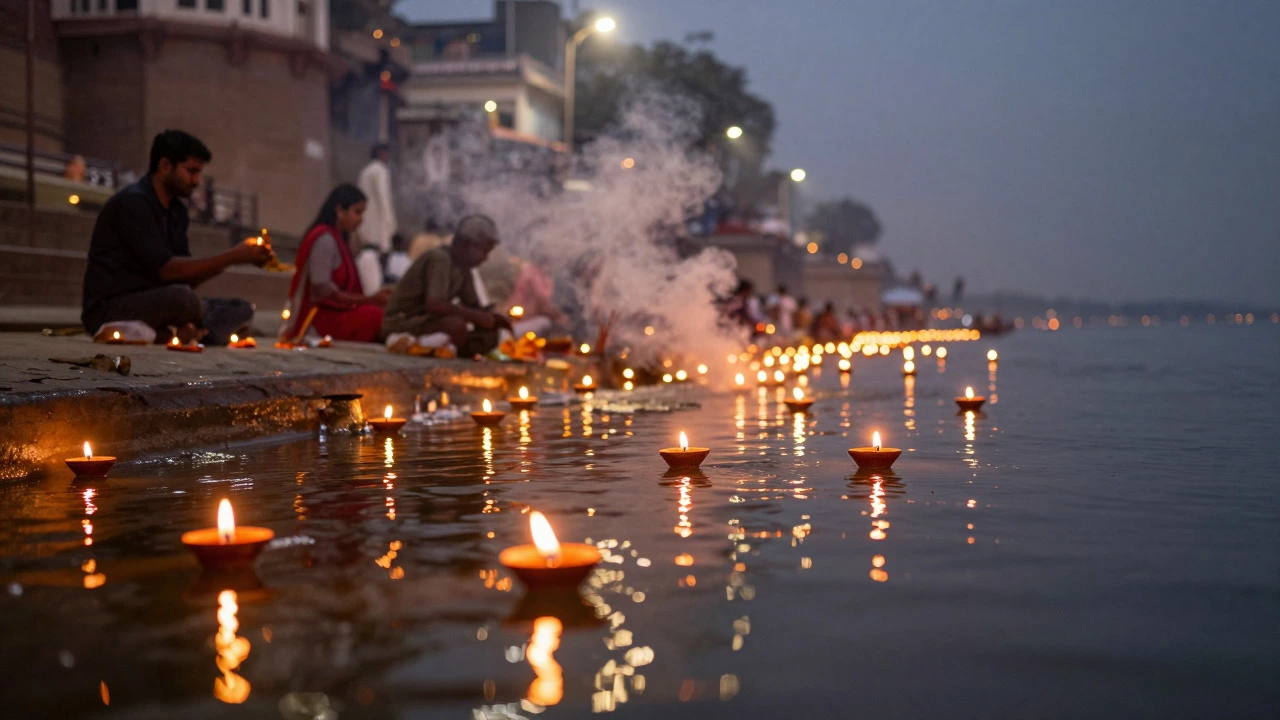
No discussion about India’s beauty is complete without mentioning Varanasi. One of the oldest continuously inhabited cities in the world, Varanasi holds a mystical allure that is difficult to describe but easy to feel. The ghats along the Ganges River are the heart of the city, where life and death coexist in a profound dance.
The evening Ganga Aarti at Dashashwamedh Ghat is a spectacle of fire, sound, and devotion. The sight of thousands of diyas (oil lamps) floating on the river, accompanied by chants and bells, is deeply moving. While Varanasi can be chaotic and intense, its spiritual energy and historical significance make it a uniquely beautiful destination. It challenges your perceptions and leaves a lasting impression, making it a place you won’t forget.
Comparison of Top Destinations
| Destination | Key Feature | Best Time to Visit | Ideal For |
|---|---|---|---|
| Leh-Ladakh | High-altitude deserts & lakes | May - September | Adventure seekers, photographers |
| Rishikesh | Spirituality & yoga | October - March | Wellness enthusiasts, rafters |
| Manali | Alpine scenery & snow | December - February (snow), April - June (green) | Couples, families, trekkers |
| Jaipur | Architecture & heritage | October - March | History buffs, shoppers |
| Varanasi | Cultural & spiritual depth | November - February | Pilgrims, introspective travelers |
How to Choose Your Perfect Destination
Choosing the "most beautiful" place depends on what resonates with you personally. If you crave adventure and stark landscapes, head to Leh-Ladakh. If you seek peace and spiritual renewal, Rishikesh or Varanasi might be your match. For romantic getaways and snowy views, Manali is unbeatable. And if you love history and architecture, Jaipur offers endless wonders.
Consider the season as well. North India can be extremely cold in winter, with some areas like Leh becoming inaccessible due to snow. Summer months (March to June) are generally pleasant in most parts, except for the plains which can get very hot. Monsoon season (July to September) brings lush greenery but also landslides in hilly regions, so plan accordingly.
Another factor is your travel style. Are you comfortable with basic accommodations and rough roads, or do you prefer luxury resorts and smooth highways? Places like Manali and Jaipur have well-developed tourism infrastructure, while Leh-Ladakh requires more preparation and resilience.
Tips for First-Time Visitors
- Acclimatize properly: If visiting high-altitude areas like Leh or Manali, spend at least two days resting to adjust to the thin air.
- Respect local customs: In places like Varanasi and Rishikesh, dress modestly and ask permission before taking photos of people.
- Book in advance: Popular destinations fill up quickly during peak seasons. Secure your flights, hotels, and permits early.
- Hire local guides: They can provide insights into history and culture that you might miss otherwise, enhancing your experience.
- Stay hydrated: The climate varies greatly across North India, but dehydration is a common issue, especially in dry regions like Ladakh.
Why North India Stands Out
While India has diverse beauty across all its regions, North India offers a concentrated mix of extremes-high mountains, vast deserts, ancient cities, and sacred rivers. This diversity allows you to experience multiple facets of beauty in a single trip. Whether you are drawn to the silence of a monastery in Ladakh, the chaos of a ghat in Varanasi, or the elegance of a fort in Jaipur, North India delivers unforgettable visuals and emotions.
Ultimately, the most beautiful place in India is the one that speaks to your soul. Each destination has its own charm, and the best way to discover it is to visit with an open mind and heart. So, pack your bags, choose your adventure, and let India’s beauty captivate you.
Which is the most beautiful place in India for first-time visitors?
For first-time visitors, Jaipur or Manali are excellent choices. Jaipur offers easy access, rich history, and comfortable infrastructure, while Manali provides stunning natural beauty with good tourist facilities. Both are well-connected and cater to a wide range of travelers.
Is Leh-Ladakh safe for tourists?
Yes, Leh-Ladakh is generally safe for tourists, but it requires careful planning. The high altitude can cause health issues if not acclimatized properly. Ensure you have inner line permits for restricted areas and hire reliable transport services familiar with mountain roads.
What is the best time to visit North India?
The best time to visit most of North India is from October to March when the weather is cool and pleasant. However, for hill stations like Manali and Leh, May to September is ideal as the roads are open and temperatures are moderate.
Can I visit Varanasi if I am not religious?
Absolutely. Varanasi is a cultural and historical treasure that appeals to everyone. Its ghats, temples, and streets offer a deep dive into Indian traditions, philosophy, and daily life, making it fascinating even for non-religious travelers.
How many days should I spend in each destination?
Aim for at least 2-3 days in Jaipur to explore its forts and markets. Spend 3-4 days in Manali to enjoy trekking and relaxation. Leh-Ladakh requires 5-7 days to cover major sights comfortably. Varanasi can be experienced in 2 days, focusing on the ghats and key temples.