India Beach Destination Finder
Not sure where to go? Select the "vibe" you are looking for to find your ideal coastal escape.
Recommended Destination
Select a visual vibe above to discover your perfect spot!
The Untouched Paradise of the Andaman and Nicobar Islands
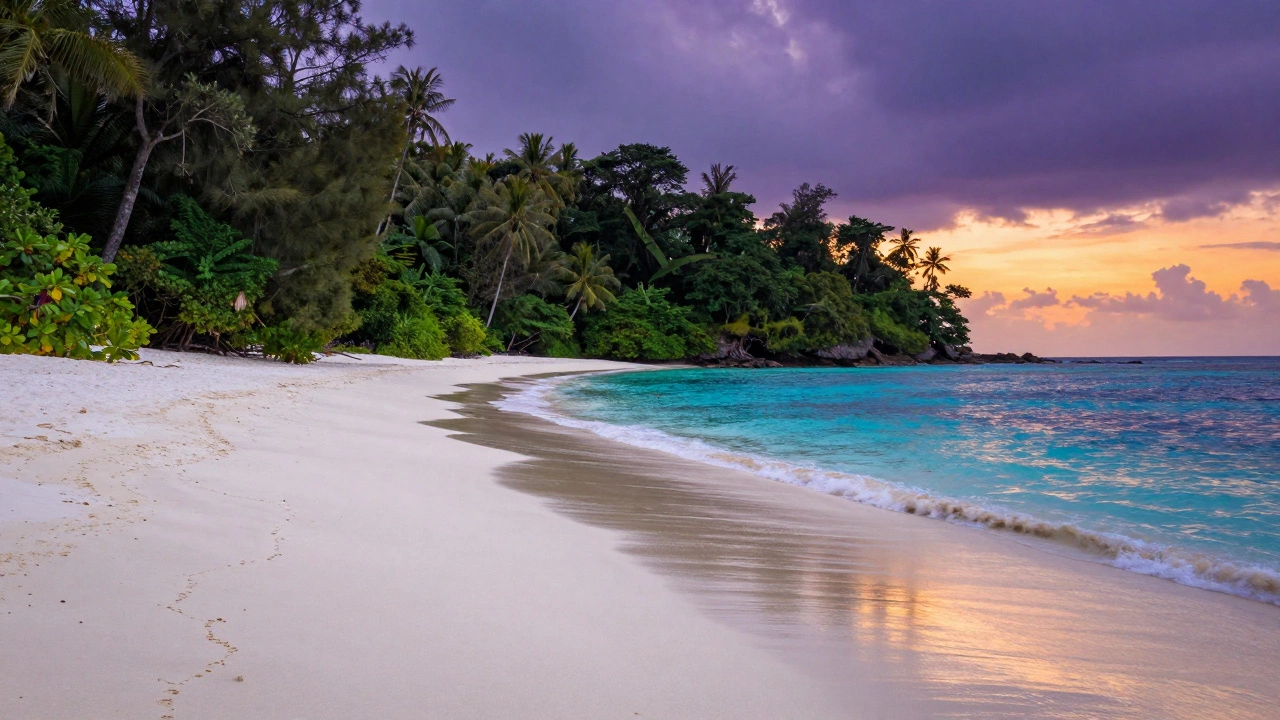
If your idea of beauty involves water so clear you can see a starfish on the ocean floor from ten feet up, the Andaman Islands are your best bet. Specifically, Radhanagar Beach on Havelock Island consistently ranks as one of the best beaches in Asia. It is not just about the sand; it is the contrast. You have a wall of ancient, deep-green tropical forest meeting a crescent of blindingly white sand, which then fades into a gradient of turquoise and deep indigo. Walking here feels like stepping into a postcard. The sand is incredibly fine, which is a result of the crushed coral and shells common in the Bay of Bengal. Unlike the crowded city beaches, the scale here is massive. You can walk for an hour and still feel like the only person on the planet. If you want to see the real magic, head to the water's edge during a sunset; the sky turns a bruised purple and orange, reflecting off the wet sand like a giant mirror.The Contrasting Charms of Goa
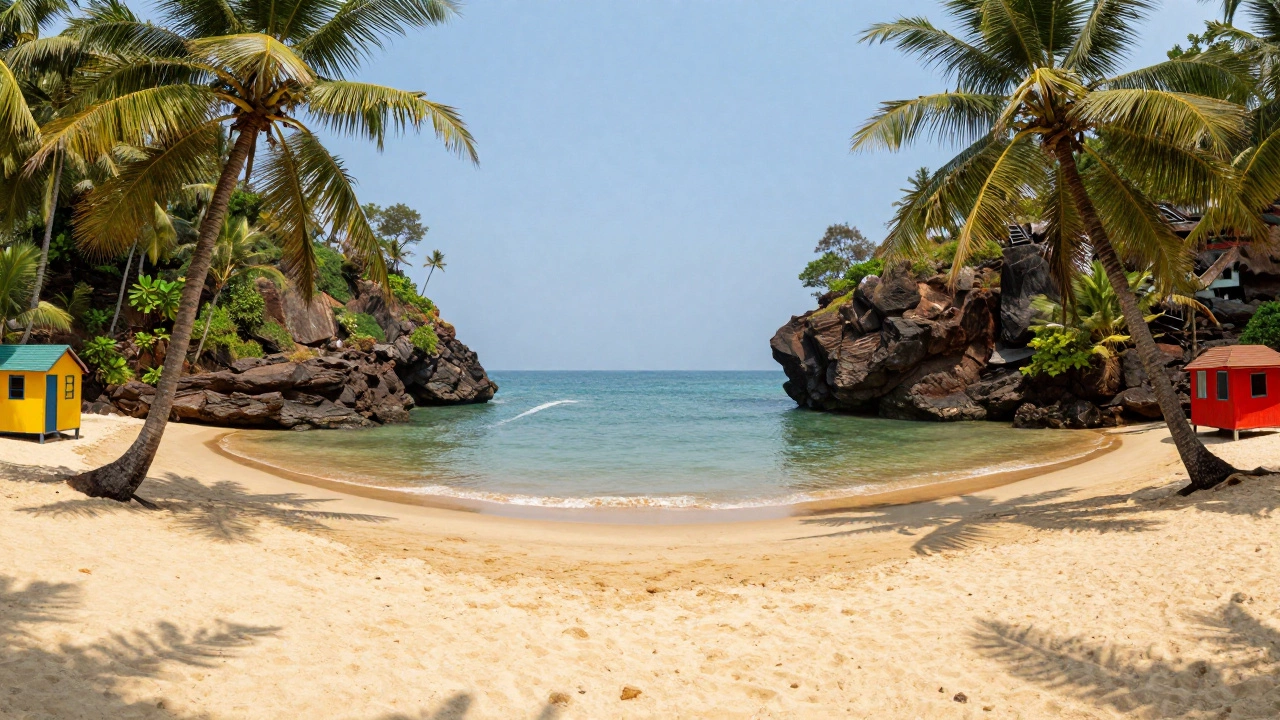
Goa is often the first name that pops up, but the "prettiest" parts of Goa depend entirely on where you look. Most people stick to the north, where the energy is high, but for pure visual bliss, you have to head south. Palolem Beach is a perfect example. It is a curved bay protected by two rocky headlands, creating a natural lagoon effect. The water is calm, the crescent shape is symmetrical, and the colorful beach huts tucked under coconut palms add a human touch to the natural beauty. Then there is the wilder side. If you drive further south toward Cabo de Rama, you find cliffs that drop sharply into the sea. This is a different kind of pretty-rugged, dramatic, and raw. You get the salt spray in your face and a panoramic view of the coastline that makes you feel tiny. It is a stark contrast to the manicured lawns of the luxury resorts in Calangute or Baga.| Region | Visual Vibe | Best For | Crowd Level |
|---|---|---|---|
| Andaman Islands | Turquoise & Pristine | Nature Lovers | Low to Medium |
| South Goa | Golden & Tropical | Relaxation | Medium |
| Kerala Coast | Lush & Emerald | Wellness/Peace | Low |
The Emerald Elegance of Kerala
Kerala doesn't do "white sand" as much as it does "lush greenery." The beauty here is about the marriage of water and land. Varkala is probably the most visually striking spot on the Arabian Sea coast because of its unique geology. It is one of the few places in India where high cliffs overlook the ocean. Standing on top of those red cliffs, looking down at the shimmering water while the wind whips through the palms, is a spiritual experience. But if you want something more serene, the backwaters meeting the sea in places like Marari are where the real magic happens. It is a soft beauty. You have endless rows of coconut trees, traditional houseboats drifting by, and a coastline that feels like a quiet whisper rather than a shout. It is the kind of place where the colors are muted-soft greens, pale yellows, and a gentle blue-creating a calming palette that is visually refreshing.Hidden Gems: The East Coast Secrets
While the west coast gets most of the glory, the east coast has some understated gems. Pondicherry offers a unique aesthetic blend. You have the colonial charm of the French Quarter with its bright yellow walls and bougainvillea spilling over fences, leading straight into the blue of the ocean. The promenade here is one of the most photogenic walkways in the country. Further south, in Tamil Nadu, you find places like Dhanushkodi. This is a "ghost town" at the tip of the peninsula where the Bay of Bengal and the Indian Ocean meet. The beauty here is haunting. You have a narrow strip of land with ruins of old buildings, surrounded by water of two different shades of blue. It is a stark, minimalist landscape that proves beauty isn't always about lushness; sometimes it is about the raw power of isolation.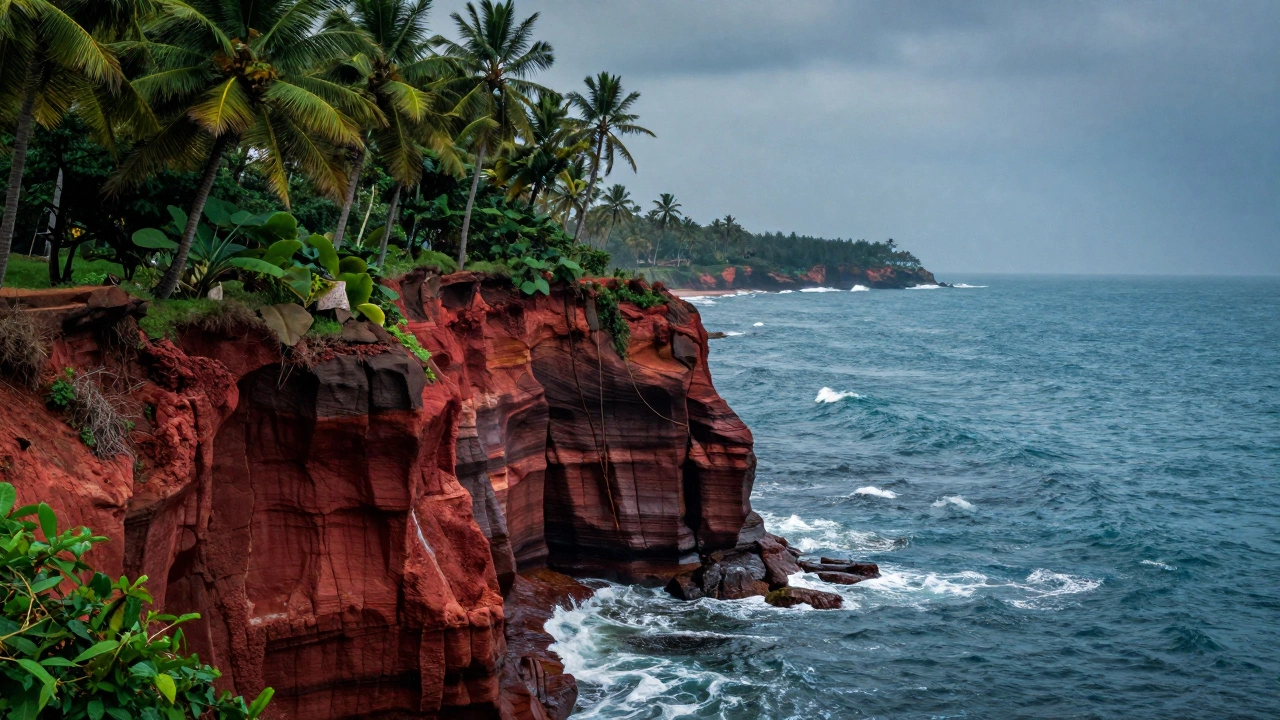
How to Experience the Beauty Without the Stress
Finding the prettiest place is one thing; actually enjoying it is another. If you visit during the peak winter months (November to February), you will see the coast at its most vibrant, but you will also see thousands of other people trying to take the same photo. To really see the "pretty" side of these places, try visiting during the shoulder seasons-late September or early March. The crowds thin out, and the landscapes are often more vivid after the monsoon rains. For those seeking luxury, the rise of luxury beach resorts in places like the Andamans or South Goa has made it possible to wake up literally on the sand. However, the most authentic beauty usually lies just outside the resort gates. Rent a scooter, drive away from the main road, and look for the unmarked paths that lead to the shore. That is where you find the untouched stretches of sand and the private coves that don't make it onto the main tourist maps.Common Pitfalls to Avoid
One big mistake travelers make is expecting every beach in India to look like a postcard. Some stretches are rocky, some are muddy, and some are heavily urbanized. If you go to a beach in North Goa expecting the seclusion of Havelock Island, you will be disappointed. The key is to match your expectation of "beauty" with the specific geography of the region. Another issue is timing. A beach that looks like a paradise in January can look like a chaotic mess during the height of the monsoon in July, with gray skies and churning brown water. Always check the seasonal weather patterns before booking. The "prettiest" place on Earth is only pretty if the weather is cooperating.Which is the cleanest beach in India?
Radhanagar Beach on Havelock Island in the Andamans is widely considered the cleanest and most pristine. Because of its remote location and strict environmental regulations, it maintains a level of purity that is rare on the mainland.
Is it safe to swim at these beaches?
Generally, yes, but always check with locals. In places like Varkala, the currents can be strong, and in certain parts of Goa, jellyfish can be an issue during specific months. Always look for designated swimming zones or flags.
When is the best time to visit Indian beaches?
The window between November and February is ideal. The weather is cool, the skies are clear, and the humidity is manageable. If you prefer fewer crowds, try visiting in October or March.
Are the Andaman Islands expensive to visit?
It can be. Because everything must be shipped in, food and accommodation can be pricier than on the mainland. Additionally, permits and ferry costs between islands add to the budget. It is helpful to plan your logistics well in advance.
Do I need a permit to visit the Andamans?
Foreign nationals usually need a Restricted Area Permit (RAP), though this is often granted on arrival at the airport for most tourists. Indian citizens do not need a permit for the main islands, but some tribal reserves remain strictly off-limits.