India Travel Budget Estimator
Estimate your costs for a trip to India. Adjust the settings below to see how different choices impact your wallet.
Cost Breakdown (Per Day)
Select options and click calculate to see your estimated budget.
You land in Chennai or Mumbai, step out of the airport, and your wallet suddenly feels heavier than you expected. But wait-did it get heavier because things are expensive, or because you just exchanged currency and haven't figured out the local rhythm yet? The question "Is India cheap to travel to?" is one of the most common queries from travelers planning their first trip. The short answer is yes, but with a massive asterisk. It depends entirely on where you sleep, what you eat, and how fast you move.
For a traveler coming from New Zealand or Europe, India offers a purchasing power parity that can feel almost magical. However, calling it "cheap" without context is misleading. You can spend $30 a day or $300 a day. Both are valid ways to experience the country. This guide breaks down the real costs for 2026, focusing on practical numbers rather than vague generalizations. We will look at accommodation, food, transport, and the hidden costs that often surprise first-timers, particularly if you are heading to South India, which tends to be slightly more expensive and organized than some northern regions.
The Reality of Daily Costs
Let's cut through the noise. If you are backpacking, you might think $20 a day is enough. In major cities like Delhi or Bangalore, that figure is tight but doable if you stay in dorms and eat street food. For a mid-range traveler who wants air conditioning, private rooms, and reliable Wi-Fi, expect to spend between $40 and $70 USD per day. This covers a decent hotel (₹2,500-₹5,000), three meals (₹800-₹1,500), and local transport (₹300-₹600).
Why does the range vary so much? Location matters. Kerala, known for its high literacy rates and strong social infrastructure, often has higher baseline prices for services compared to rural Rajasthan. In Kerala, a simple homestay might cost ₹1,200 ($14) per night, whereas a similar setup in a smaller town in Uttar Pradesh could be ₹600 ($7). Always check the specific state you are visiting. The exchange rate fluctuates, but as of late 2026, ₹83-₹85 INR equals $1 USD. Keep this ratio in mind when bargaining.
| Travel Style | Accommodation | Food & Drink | Transport | Activities | Total/Day |
|---|---|---|---|---|---|
| Backpacker | $8 - $15 | $5 - $10 | $5 - $10 | $5 - $10 | $23 - $45 |
| Mid-Range | $25 - $50 | $15 - $25 | $15 - $30 | $20 - $40 | $75 - $145 |
| Luxury | $100+ | $40+ | $50+ | $100+ | $290+ |
Where Your Money Goes: Accommodation and Food
Accommodation is usually the biggest variable. In 2026, platforms like Airbnb and Booking.com have saturated the market, but local guesthouses still offer better value. A clean, safe room with hot water and AC in a city like Hyderabad or Coimbatore rarely exceeds $30. If you go below $15, you risk losing AC or dealing with inconsistent hot water. In hill stations like Ooty or Munnar, prices spike during weekends and holidays. Weekday stays can be 40% cheaper.
Food is where India truly shines for budget travelers. A plate of dosas in a local eatery costs ₹80-₹120 ($1-$1.50). A thali meal, which includes rice, lentils, vegetables, and bread, ranges from ₹150 to ₹300 ($2-$4). Even in upscale restaurants, main courses rarely exceed ₹800 ($10). Alcohol, however, is a different story. Taxes on beer and spirits are high in states like Kerala and Tamil Nadu. A pint of local lager might cost ₹200-₹300 ($2.50-$3.50), while imported wine can hit ₹1,500+ ($18). If you drink heavily, your budget needs a significant adjustment.
Getting Around: Trains vs. Flights vs. Rideshares
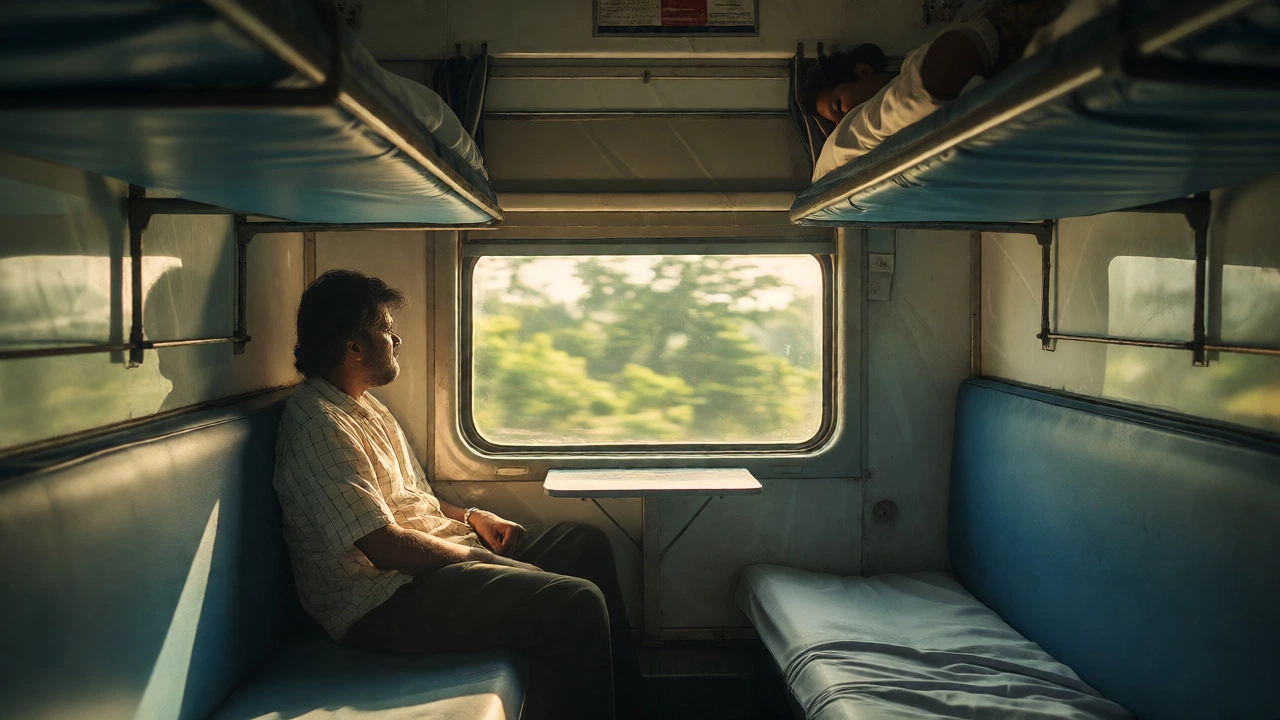
Transportation costs depend on distance and speed. Indian Railways remains the backbone of long-distance travel. Sleeper class tickets are incredibly cheap-a 10-hour journey might cost $5. Air-conditioned classes (AC 3-tier) cost $15-$25 for the same route. Book early; popular routes sell out weeks in advance. Use apps like IRCTC Connect or MakeMyTrip to secure seats.
For shorter distances, domestic flights have become competitive. IndiGo and SpiceJet frequently run sales where a flight from Chennai to Bengaluru costs under $40 if booked two months ahead. However, factor in baggage fees and airport transfers. Ride-sharing apps like Ola and Uber dominate urban mobility. They are transparent and fixed-price, which saves you from haggling with auto-rickshaw drivers. A 30-minute ride in Bangalore typically costs ₹150-₹250 ($2-$3). Note that surge pricing applies during rain or peak hours, sometimes doubling the fare.
The Hidden Costs That Catch Travelers Off Guard
It’s not just about the sticker price. Several hidden costs inflate budgets. First, entry fees for heritage sites. Foreigners pay significantly more than locals. The Taj Mahal entry fee for foreigners is ₹1,100 ($13), while Indians pay ₹50. Similar disparities exist for forts and museums. If you plan to visit five major monuments, add $50-$70 to your total budget just for tickets.
Second, tipping culture. While not mandatory, it is expected in hotels and restaurants. Tipping 10% at sit-down restaurants and ₹50-₹100 ($0.60-$1.20) for housekeeping or porters adds up. Third, internet and SIM cards. A tourist SIM with unlimited data for 28 days costs around ₹500-₹700 ($6-$8). Buy it upon arrival at an official store to avoid scams. Fourth, health precautions. If you plan to trek in the Western Ghats or visit rural areas, consider travel insurance that covers medical evacuation. This isn't a daily cost but a critical safety net.

Regional Differences: Why South India Might Cost More
Since you are interested in South India travel, note that this region generally has higher labor costs and stricter regulations than parts of North India. Kerala, for instance, has high minimum wages, which translates to pricier services. Houseboats in Alleppey start at ₹15,000 ($180) per night for a basic model, though shared options exist. Homestays in Wayanad or Kumarakom average ₹2,500 ($30) per night.
Tamil Nadu and Karnataka offer better value for money. Chennai has affordable dining and lodging due to its industrial economy. Bengaluru, despite being a tech hub, has diverse accommodation options ranging from hostels at $10 to luxury hotels at $150. Andhra Pradesh and Telangana are often overlooked but provide excellent value, with lower hotel rates and less tourist-driven inflation.
How to Stretch Your Rupees Further
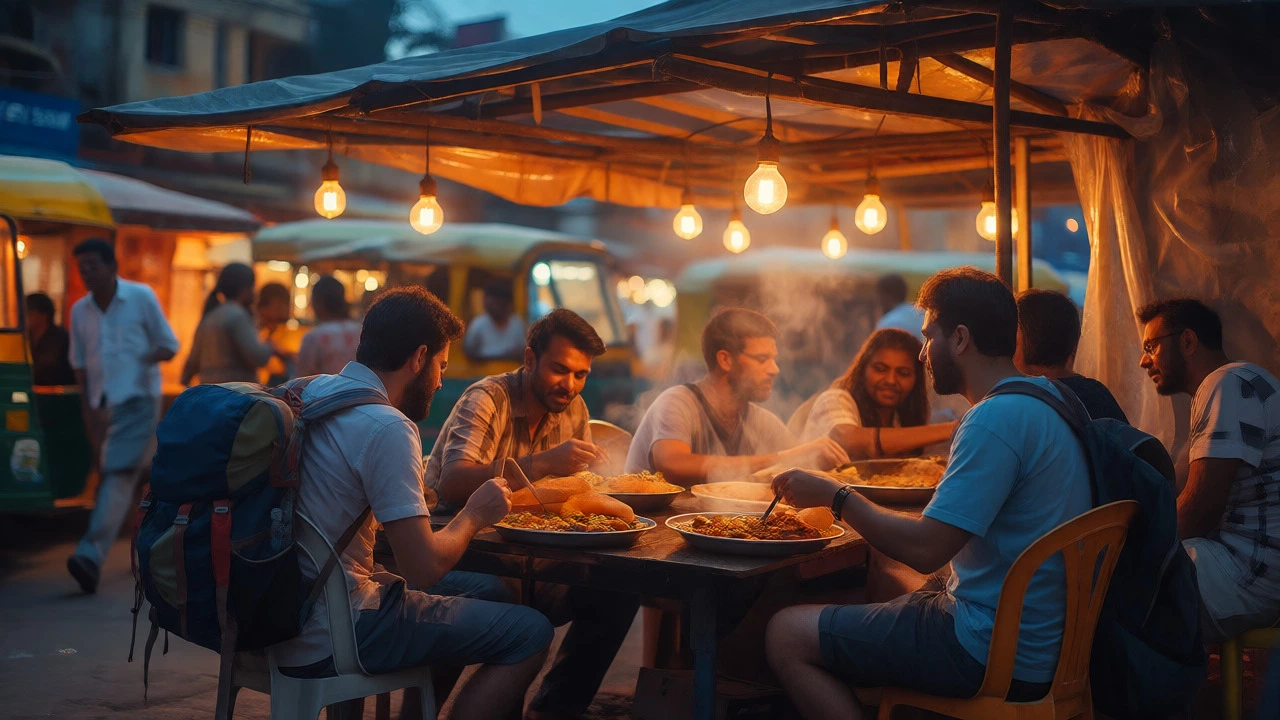
If you want to keep costs low without sacrificing comfort, follow these rules. Eat where locals eat. Look for places with plastic chairs and handwritten menus. Avoid restaurants near tourist hubs unless they have high ratings on Zomato or Swiggy. Use public transport whenever possible. Metro systems in Delhi, Bangalore, and Hyderabad are clean, efficient, and cost under $1 per ride.
Bargain respectfully. In markets, starting at 50% of the asking price is standard. Once you agree on a price, stick to it. Don't haggle over trivial amounts like ₹10 ($0.12); it wastes time and annoys vendors. Finally, travel off-season. May to June is scorching hot, but July brings monsoon rains that cool things down and drop hotel prices by 30%. September to October sees a return of tourists, so book early.
Is India safe for solo female travelers?
Yes, but with caution. Major cities like Mumbai, Bangalore, and Kochi are relatively safe. Stick to well-lit areas, use reputable ride-sharing apps, and dress modestly to blend in. Avoid walking alone at night in unfamiliar neighborhoods. Many women travel solo successfully by staying in hostels with good reviews and connecting with other travelers.
Do I need to carry cash in India?
Digital payments via UPI (Unified Payments Interface) are ubiquitous, even for small transactions like buying tea. Apps like PhonePe and Google Pay work for most vendors. However, carry small denomination cash (₹100, ₹50, ₹20 notes) for rickshaws, tips, and rural areas where digital acceptance may be limited. ATMs are widely available, but notify your bank before traveling to avoid card blocks.
What is the best time to visit South India?
October to March is ideal. The weather is dry and pleasant, perfect for sightseeing. Monsoon season (June to September) brings lush greenery but heavy rains, which can disrupt travel plans. Summer (April to June) is extremely hot, especially in inland cities like Chennai and Hyderabad, making outdoor activities uncomfortable.
Are credit cards widely accepted?
Credit cards are accepted in hotels, large restaurants, and malls in cities. However, many smaller shops, street vendors, and local transport prefer cash or UPI. Visa and Mastercard are most widely accepted. American Express is less common. Always ask if there is a surcharge for card payments, as some merchants add 2-3%.
How much should I tip in India?
Tipping is customary but not strictly enforced. In restaurants, 10% of the bill is standard if service charge isn't already included. For tour guides and drivers, ₹200-₹500 ($2.50-$6) per day is appreciated. Hotel bellboys expect ₹50-₹100 ($0.60-$1.20) per bag. Housekeeping staff appreciate ₹100-₹200 ($1.20-$2.50) per night left in the room.