Northeast India Safety & Permit Planner
What is your citizenship status?
This determines which permits you'll need for different states.
Indian Citizen
I hold Indian citizenship and passport
Foreign National
I am visiting India on a tourist visa
Which states are you planning to visit?
Select all states that interest you for your May 2026 trip.
Tell us about your travel plans
This helps us provide personalized safety recommendations.
Your Personalized Northeast India Plan
There is a lingering myth that Northeast India is unsafe for tourists. For decades, headlines about insurgency and border tensions painted this region as a no-go zone. But if you are planning a trip in May 2026, the reality on the ground is vastly different. The short answer is: yes, it is safe. In fact, states like Meghalaya, Assam, and Nagaland have some of the lowest crime rates against tourists in the entire country.
However, "safe" does not mean "effortless." The region has unique logistical hurdles, strict permit regimes, and weather patterns that can catch the unprepared traveler off guard. This guide breaks down the actual risks, the bureaucratic steps you must take, and how to navigate the terrain safely in 2026.
The Security Situation in 2026
Let’s address the elephant in the room first: political violence. The era of widespread insurgency in the Northeast has largely receded. Most armed groups have signed peace accords with the central government over the last fifteen years. Today, the primary security presence you will see is the Indian Army and paramilitary forces stationed near the borders of China and Myanmar. These troops are there for national defense, not because local towns are dangerous.
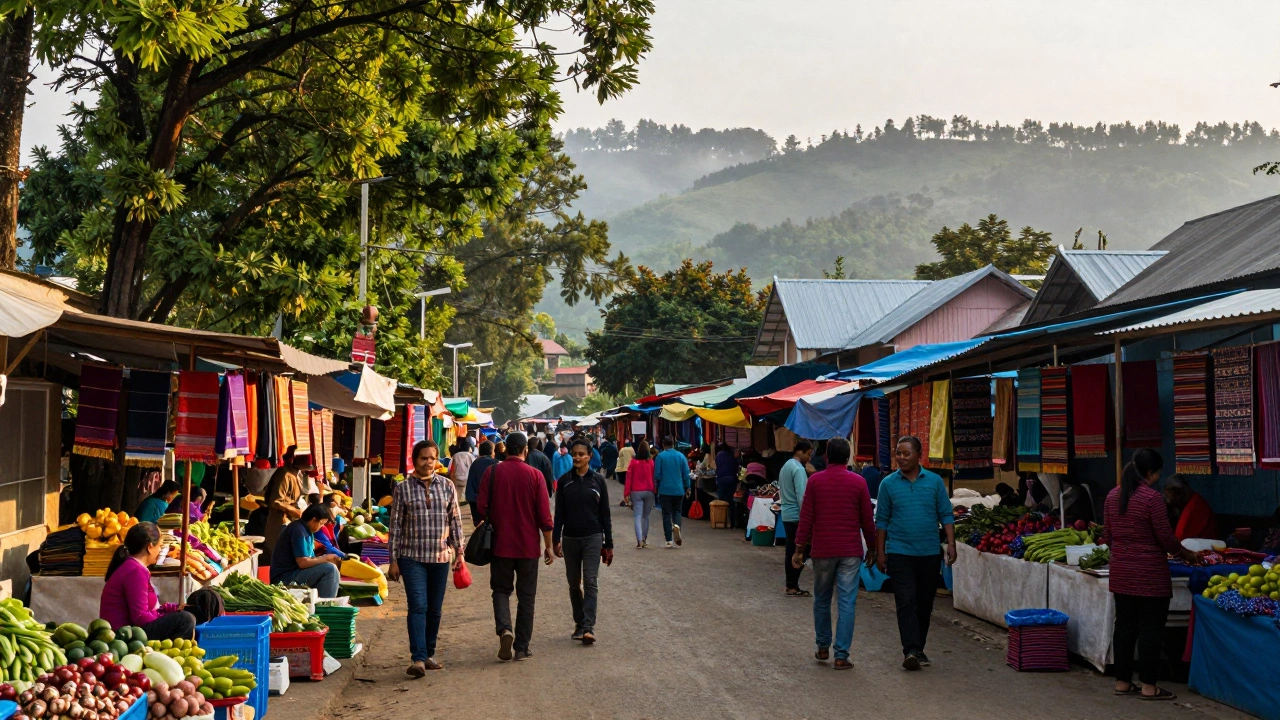
In major tourist hubs like Shillong, Guwahati, and Kohima, life moves at a normal pace. You can walk through markets, eat at street stalls, and stay in guesthouses without fear. Violent crime against foreigners or domestic tourists is extremely rare. The locals are famously hospitable; in many villages, your safety is guaranteed by the community itself.
That said, vigilance is still required. Petty theft can occur in crowded areas like the ISKCON Temple complex in Guwahati or the busy bazaars of Shillong. Keep your valuables secure, just as you would in any major city worldwide. Avoid displaying expensive jewelry or large amounts of cash unnecessarily.
Weather Risks: The May Monsoon Factor
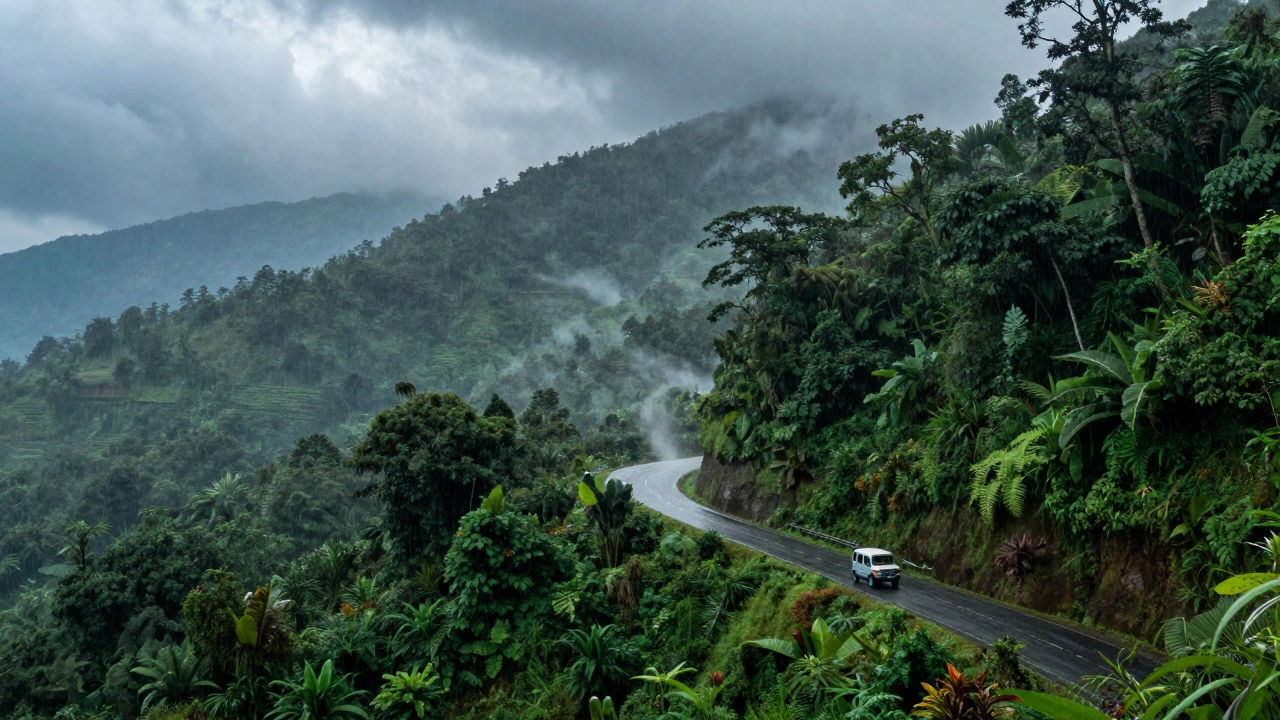
If there is one thing that poses a more immediate threat to your safety than political unrest, it is the weather. May marks the beginning of the monsoon season in the Northeast. While this brings lush greenery and dramatic landscapes, it also introduces significant hazards.
- Landslides: The hilly terrain of Meghalaya and Manipur is prone to landslides during heavy rains. Roads can become impassable overnight. Always check local road conditions before embarking on long drives.
- Flooding: Plains areas in Assam often experience seasonal flooding. While major tourist sites usually remain accessible, some remote villages may be cut off.
- Flight Cancellations: Air travel to Bagdogra Airport (the gateway to Darjeeling and Sikkim) or Lukshai Airport in Mizoram can be disrupted by poor visibility. Always build buffer days into your itinerary.
To mitigate these risks, carry waterproof gear, avoid hiking on slippery trails after rain, and keep an eye on local news updates. The beauty of the wet Northeast is undeniable, but respect the power of the elements.
Navigating Permit Regulations
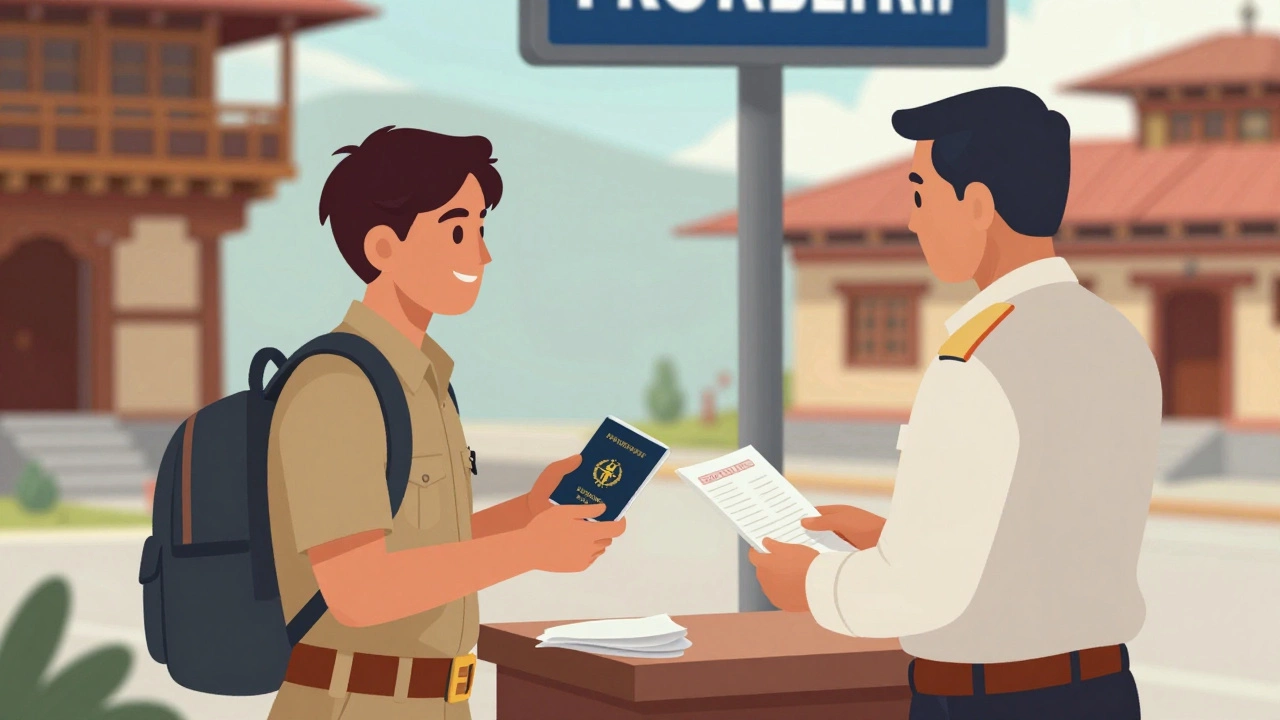
Bureaucracy is the biggest hurdle for travelers in the Northeast. Several states require special permits for Indian and foreign nationals due to their proximity to international borders. Failing to obtain these documents can lead to fines or detention, which feels like a safety issue even though it is purely administrative.
| State | Indian Citizens | Foreign Nationals | Notes |
|---|---|---|---|
| Arunachal Pradesh | Protected Area Permit (PAP) | Restricted Area Permit (RAP) | Mandatory for all districts. Apply via online portal or through registered agents. |
| Sikkim | No permit needed | Inner Line Permit (ILP) | ILP available at airport or entry points. Required for most districts except Gangtok. |
| Nagaland | No permit needed | Protected Area Permit (PAP) | Required for most districts. Exemptions apply for certain heritage zones. |
| Mizoram | No permit needed | Protected Area Permit (PAP) | Apply in advance through authorized agencies. |
| Assam | No permit needed | No permit needed | Open to all visitors. No restrictions. |
| Meghalaya | No permit needed | No permit needed | Open to all visitors. No restrictions. |
For Arunachal Pradesh, the process is strict. You must apply at least 7-10 days before your visit. Foreigners cannot enter independently; they must be part of a registered tour group. This rule is enforced to maintain border security. Ignoring it will result in immediate deportation from the state.
In Sikkim, foreign tourists need an Inner Line Permit. This is easier to obtain-you can get it at the Pakyong Airport or the land entry point at Nathula. Keep your passport handy at all times, as checkpoints are frequent.
Health and Medical Preparedness
Medical infrastructure in the Northeast has improved significantly, but it is not on par with metropolitan cities like Mumbai or Delhi. If you have chronic health conditions, bring an adequate supply of medication. For minor ailments, local pharmacies in Shillong and Guwahati are well-stocked.
Key health considerations include:
- Dengue and Malaria: These mosquito-borne diseases are present in lowland areas of Assam and Manipur. Use repellent containing DEET, wear long sleeves in the evenings, and sleep under nets if staying in rural accommodations.
- Water Safety: Do not drink tap water anywhere in the Northeast. Stick to bottled or filtered water. Even brushing your teeth with bottled water is recommended for those with sensitive stomachs.
- Altitude Sickness: If you plan to trek in higher regions like Tawang or parts of Sikkim, acclimatize properly. Symptoms like headache and nausea can be mistaken for other illnesses.
Carry a basic first-aid kit including antiseptics, bandages, oral rehydration salts, and painkillers. Know the location of the nearest hospital in each town you visit. In remote areas, evacuation by helicopter may be necessary in case of serious injury, so consider travel insurance that covers medical evacuation.
Cultural Sensitivity and Local Etiquette
Safety also involves respecting local customs. The Northeast is home to diverse tribal communities with distinct traditions. Misunderstanding these norms can lead to awkward situations or, in rare cases, conflict.
In Nagaland and Mizoram, alcohol consumption is restricted in many public places and religious venues. Drinking in public can be seen as disrespectful and may attract negative attention. Always ask permission before taking photos of people, especially in villages. Some communities believe that photography steals their soul or bad luck.
Dress modestly when visiting churches and temples. The Northeast has a strong Christian influence alongside indigenous beliefs. Showing shoulders or wearing revealing clothing in sacred spaces is frowned upon. Engage with locals politely; curiosity is welcome, but intrusive questions about politics or border issues should be avoided.
Transportation Safety Tips
Road conditions in the Northeast vary widely. National highways are generally well-maintained, but district roads can be narrow, winding, and poorly lit. If you are driving yourself, exercise extreme caution, especially at night. Hire experienced local drivers who know the terrain.
Public transport includes shared jeeps and buses. These vehicles are affordable but often overcrowded. Ensure seatbelts are worn if available, and avoid traveling on steep mountain roads during heavy rain. Private cabs are safer and more comfortable, though more expensive.
Air travel is convenient for reaching major hubs like Guwahati and Imphal. However, smaller airports like Dibrugarh or Tezpur may have limited flight options. Book flights in advance and confirm schedules closer to your travel date, as weather disruptions are common.
Emergency Contacts and Resources
Before you travel, save these emergency numbers in your phone:
- All India Emergency Number: 112 (Police, Ambulance, Fire)
- Tourist Helpline: 1363 (Available in most states)
- Local Police Station: Note the number of the nearest station in each area you visit.
- Your Country’s Embassy: If you are a foreign national, register with your embassy’s website for updates and assistance.
Keep digital copies of your passport, visa, and permit documents. Share your itinerary with a trusted friend or family member back home. Check in regularly so someone knows your whereabouts.
Final Verdict: Is It Worth the Trip?
Yes, absolutely. The Northeast offers unparalleled natural beauty, rich cultural heritage, and warm hospitality. With proper planning, respect for local laws, and awareness of weather conditions, your trip can be both safe and unforgettable. The risks are manageable, and the rewards are immense. Pack smart, stay informed, and embrace the adventure.
Is it safe for solo female travelers in Northeast India?
Yes, it is generally safe. Women travelers report feeling secure in cities like Shillong and Guwahati. However, exercise standard precautions: avoid isolated areas at night, dress modestly, and inform your accommodation staff of your plans. Local communities are respectful, but vigilance is always wise.
Do I need a visa for Arunachal Pradesh?
Indian citizens need a Protected Area Permit (PAP). Foreign nationals require a Restricted Area Permit (RAP) and must travel with a registered tour operator. Regular Indian visas do not grant access to Arunachal Pradesh.
What is the best time to visit Northeast India?
The ideal time is between October and April. May marks the start of the monsoon, bringing heavy rains and landslide risks. Winter months offer clear skies and pleasant temperatures, perfect for trekking and sightseeing.
Can I drive myself in Northeast India?
It is possible but not recommended for inexperienced drivers. Roads are narrow, winding, and often lack signage. Hiring a local driver ensures safer navigation and better knowledge of hidden attractions. Self-driving is feasible only on major national highways.
Are there ATMs in remote areas?
ATMs are available in major towns like Shillong, Guwahati, and Kohima. However, remote villages and trekking routes may have none. Carry sufficient cash in small denominations before heading into rural areas. Digital payments are increasingly accepted but not universal.