India Trekking Trip Planner
Select a popular destination below to instantly generate your recommended travel window and crowd management tips.
Mussoorie & Dehradun
Easy-ModerateRegion: Uttarakhand
Visitors: 3 Million+
Darjeeling & Kalimpong
EasyRegion: West Bengal
Visitors: 2.5 Million+
Munnar
EasyRegion: Kerala
Visitors: 4 Million+
McLeod Ganj (Dharamshala)
ModerateRegion: Himachal Pradesh
Visitors: 1.5 Million+
Coorg
ModerateRegion: Karnataka
Visitors: 2 Million+
Manali & Solang Valley
ChallengingRegion: Himachal Pradesh
Focus: Serious Adventure
Select a destination to view details
Recommended Travel Window
--
Crowd Strategy
--
Safety Note
--
- Difficulty --
- Annual Footfall --
- Best For --
Who actually holds the crown for the most visited tourist location? If you look at global numbers, it’s usually a theme park or a major city center. But when we talk about trekking places india, the answer shifts dramatically. It isn’t just about foot traffic; it’s about where millions of people go to breathe, climb, and connect with nature. For many travelers, the "most visited" spot is the one that offers the perfect mix of accessibility, scenery, and adventure.
In India, tourism is massive. The country sees over 10 million international visitors annually, plus hundreds of millions of domestic tourists. When you narrow this down to trekking and outdoor exploration, a few names rise to the top. These aren't just hidden gems known only to hardcore hikers. They are established hubs that draw crowds from Mumbai to Manchester. Understanding which locations dominate the charts helps you plan your trip better, avoid peak crowds, and find the right balance between popularity and peace.
The Heavyweights: Most Visited Destinations in India
If we define "visited" by total footfall, the Taj Mahal in Agra is often cited as the single most visited monument in India. However, for those seeking trekking and mountain experiences, the landscape changes. The Himalayas and the Western Ghats act as magnets for adventurers. Here are the top contenders that consistently rank highest in visitor numbers among outdoor enthusiasts.
| Location | Region | Avg. Annual Visitors (Est.) | Trekking Difficulty | Best Time to Visit |
|---|---|---|---|---|
| Mussoorie & Dehradun Region | Uttarakhand | 3 Million+ | Easy to Moderate | March - June, Sept - Nov |
| Darjeeling & Kalimpong | West Bengal | 2.5 Million+ | Easy | Oct - Dec, March - May |
| Munnar | Kerala | 4 Million+ | Easy | Aug - Oct, Jan - Feb |
| McLeod Ganj (Dharamshala) | Himachal Pradesh | 1.5 Million+ | Moderate | March - June, Sept - Nov |
| Coorg | Karnataka | 2 Million+ | Moderate | Sept - March |
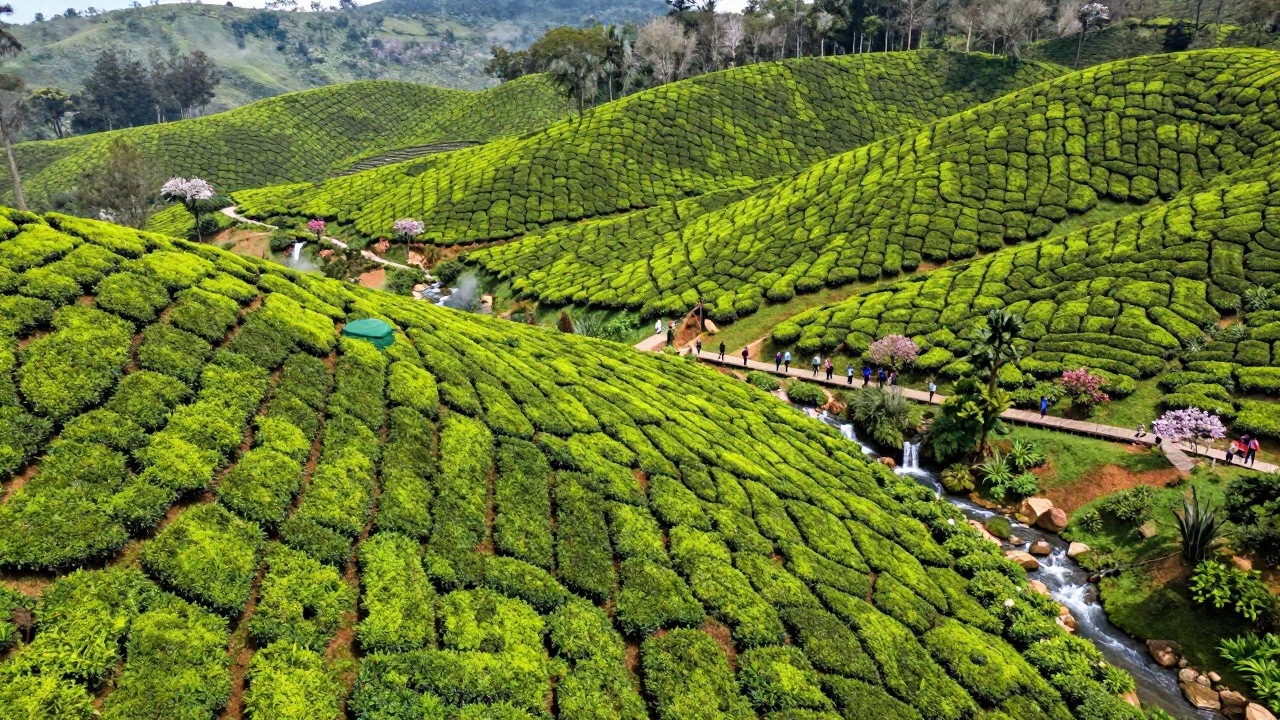
Mussoorie is known as the Queen of the Hills and serves as a gateway to numerous treks like the Tiger Falls and Lal Tibba. Its proximity to Delhi makes it a weekend favorite for millions. Similarly, Munnar is a hill station in Kerala famous for tea plantations and easy nature walks that attract huge crowds. While these aren't extreme trekking bases like Leh or Spiti, they represent the highest volume of visitors engaging with mountain terrain.
Why Do These Places Draw Millions?
You might wonder why certain spots become more popular than others. It comes down to three factors: accessibility, infrastructure, and reputation.
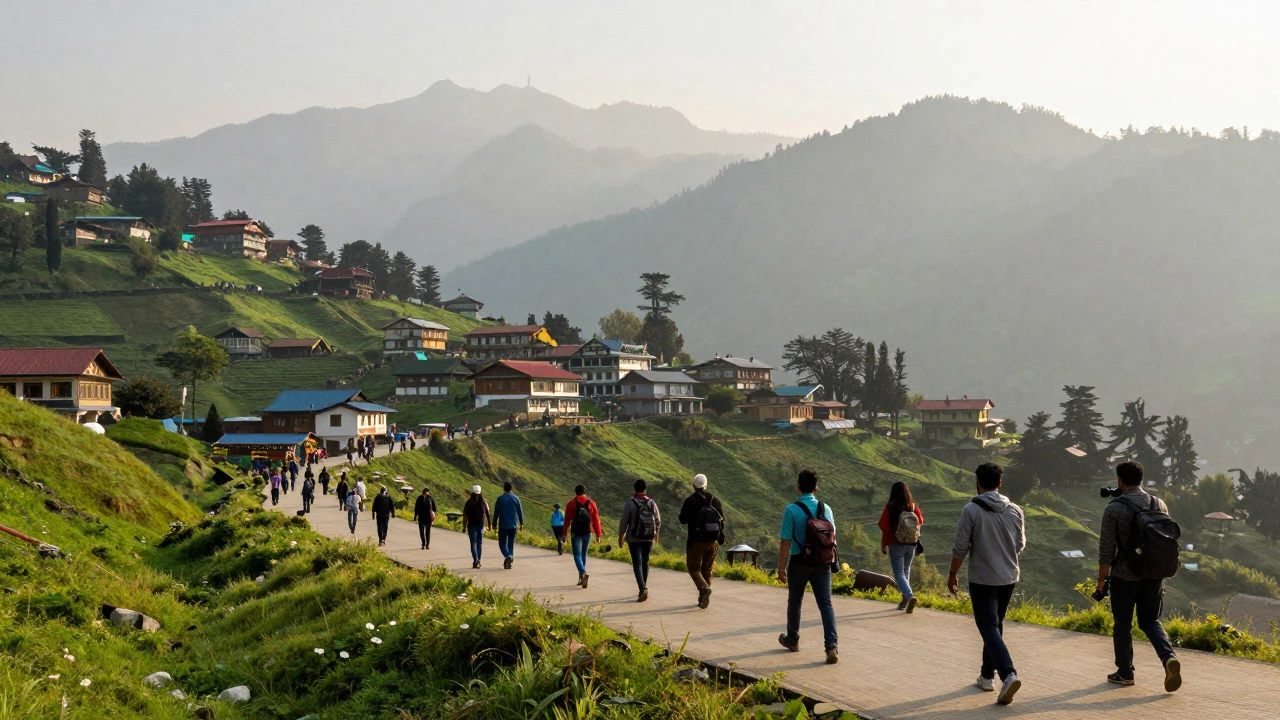
First, access matters. Darjeeling is connected by the iconic Darjeeling Himalayan Railway, a UNESCO World Heritage site, making it easily reachable for families and casual tourists. You don’t need a helicopter or a week-long permit to get there. This lowers the barrier to entry. Second, infrastructure plays a huge role. Towns like McLeod Ganj have hotels, cafes, and gear shops ready for you. You can walk out of your hotel and start a hike up Triund without carrying everything on your back. Third, word-of-mouth. Once a place gets featured in movies, blogs, or social media reels, it becomes a bucket-list item. The viral nature of Instagram has turned remote trails into crowded hotspots overnight.
Top Trekking Hubs for Serious Adventurers
If you’re looking beyond the casual hill stations and want actual trekking destinations that are both popular and challenging, here are the key areas. These places see fewer total tourists than Munnar but have the highest concentration of dedicated trekkers.
- Manali and Solang Valley: Located in Himachal Pradesh, Manali is a gateway to the Hampta Pass and Beas Kund treks. It’s bustling, commercialized, but undeniably central to North Indian trekking culture.
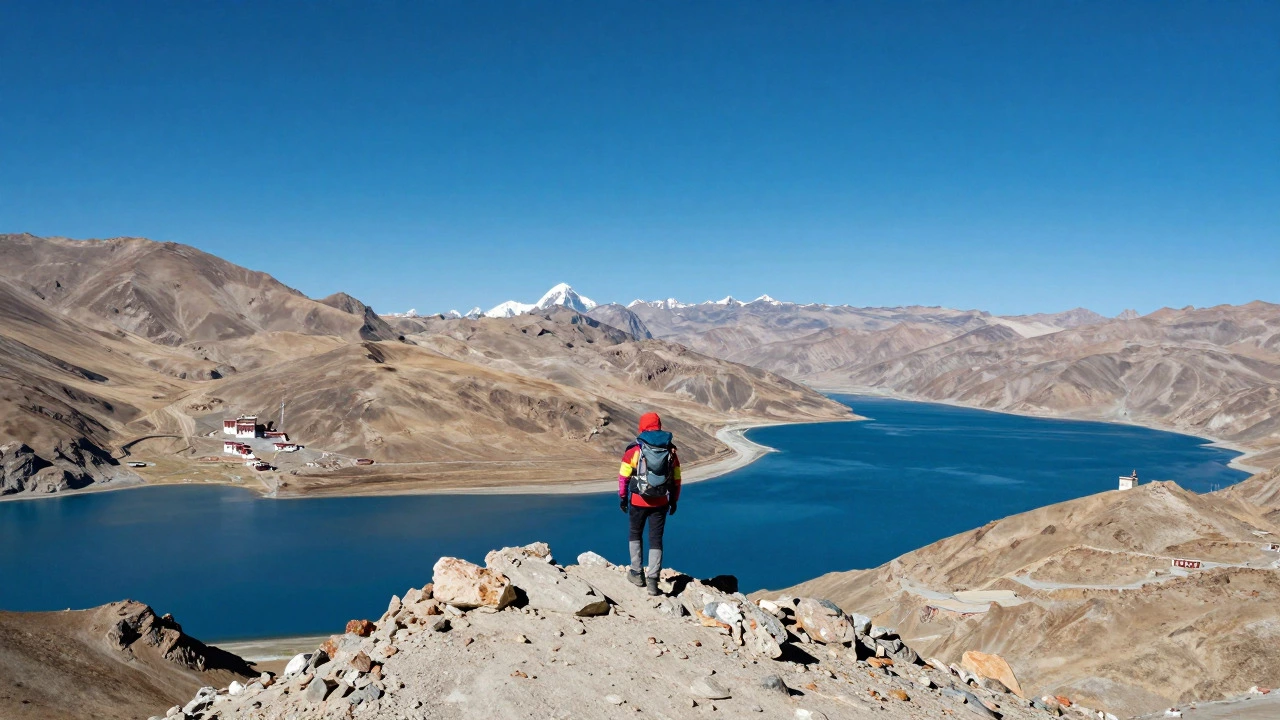
- Leh-Ladakh: For high-altitude trekking, nothing beats Ladakh. The Markha Valley Trek and Chang La Pass attract thousands every summer. The stark beauty and spiritual vibe make it a unique draw.
- Uttarakhand’s Garhwal Region: Home to Kedarnath and Badrinath, this region sees millions of pilgrims who also engage in moderate trekking. The Yamunotri and Gangotri treks are physically demanding but deeply cultural.
- Western Ghats (Mahabaleshwar & Igatpuri): Maharashtra’s ghats offer lush green trails. Igatpuri is famous for the Ghatprabheshwar trek, while Mahabaleshwar draws crowds for its strawberry farms and viewpoints.
Navigating the Crowds: Tips for Popular Spots
Visiting the most popular places means dealing with crowds. Here’s how to manage it:
- Go Early: Start your trek at dawn. Not only will you beat the heat, but you’ll also enjoy the trail before the day-trippers arrive.
- Choose Shoulder Seasons: Avoid peak holidays like Diwali, Christmas, and summer breaks. September and October often offer clear skies and thinner crowds.
- Explore Side Trails: Most popular hubs have lesser-known paths nearby. In Mussoorie, instead of just visiting Camel’s Back Road, try the trek to Kempty Falls via the forest route.
- Book in Advance: Accommodation in places like McLeod Ganj and Leh fills up months ahead during peak season. Don’t risk showing up empty-handed.
Sustainable Tourism: Protecting the Trails
With so many visitors, environmental impact is a real concern. Plastic waste on trails like Triund and Roopkund has become a significant issue. As a responsible traveler, you must pack out what you pack in. Many local organizations now organize cleanup drives. Joining them not only helps the environment but also connects you with the community.
Also, respect local customs. In regions like Ladakh and Uttarakhand, religious sites are often integrated into trekking routes. Dress modestly and ask permission before photographing people or sacred objects. Sustainable tourism ensures these places remain open and beautiful for future generations.
Planning Your Trip: Logistics and Safety
Before heading to any of these popular spots, check the weather conditions. Mountain weather can change rapidly. Carry appropriate gear, including sturdy footwear, warm layers, and a first-aid kit. Acclimatization is crucial, especially in high-altitude areas like Leh or above 10,000 feet in Uttarakhand. Rushing up can lead to altitude sickness, which is dangerous if not managed properly.
Connectivity varies. While towns like Manali and Mussoorie have decent mobile networks, remote trails may have no signal. Download offline maps and inform someone about your itinerary. Hiring a local guide is highly recommended for difficult treks. They know the terrain, shortcuts, and emergency protocols.
Conclusion: Finding Your Perfect Spot
The "most visited" title depends on what you’re looking for. If you want convenience and views, head to Munnar or Mussoorie. If you seek challenge and solitude, aim for the higher passes in Himachal or Ladakh. Each destination offers a unique experience, shaped by its geography and culture. By understanding the dynamics of these popular spots, you can plan a trip that balances adventure with comfort. Remember, the goal isn’t just to visit the most popular place, but to find the place that resonates with you.
What is the single most visited tourist attraction in India?
The Taj Mahal in Agra is generally considered the most visited tourist attraction in India, receiving millions of visitors annually from around the world.
Which is the most popular trekking destination in India?
For serious trekking, the Manali region in Himachal Pradesh and the Leh-Ladakh area are among the most popular due to their diverse trail options and established infrastructure.
When is the best time to visit trekking places in India?
The ideal time is typically from March to June (spring/summer) and September to November (autumn). Monsoon season (July-August) is risky due to landslides, and winter can be too cold for high-altitude treks.
Are the most visited trekking spots safe for beginners?
Many popular spots like Triund (near Dharamshala) and Munnar nature walks are beginner-friendly. However, always assess your fitness level and consider hiring a guide for unfamiliar trails.
How do I avoid crowds at popular Indian tourist locations?
Visit during shoulder seasons (late autumn or early spring), start your hikes early in the morning, and explore less-known side trails near main attractions.