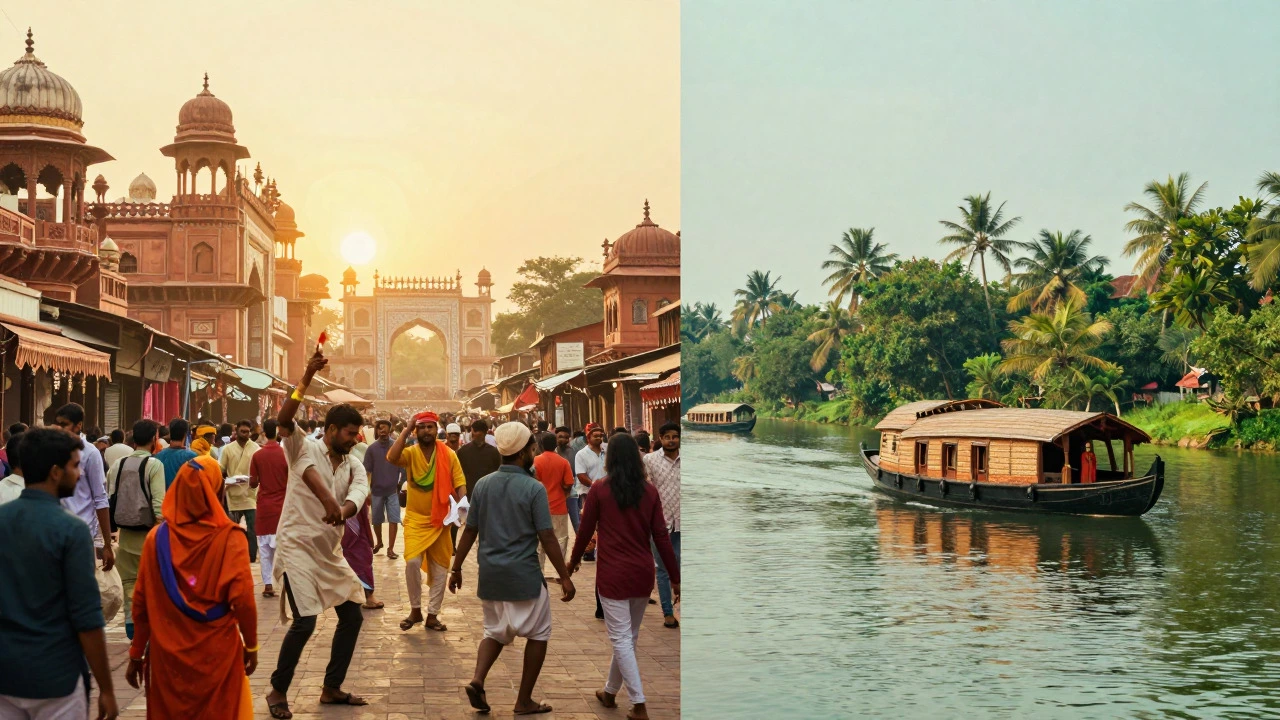
North vs South India: Safety & Experience Simulator
Configure Your Trip
North India
High EnergySouth India
Calm & ReservedPlease select a region to begin
Click on either North or South India to see a detailed safety breakdown, risk analysis, and personalized tips.
Is one side of the country actually safer than the other? If you’ve been scrolling through travel forums lately, you’ve probably seen heated debates about whether to pack your bags for Kerala or Delhi. The short answer is: it’s complicated. Both regions are generally safe for tourists, but they offer very different experiences, challenges, and types of risks. As someone who has spent years navigating both sides of this massive subcontinent, I can tell you that "safety" isn’t just about crime rates-it’s about cultural awareness, infrastructure, and knowing what to expect.
The idea that one half of India is dangerous while the other is a paradise is a myth. However, there are distinct differences in how tourism operates, how locals interact with visitors, and where the common pitfalls lie. Understanding these nuances will help you travel smarter, not harder. Let’s break down the reality of traveling in North and South India so you can make an informed decision based on your personal comfort level and travel style.
Understanding the Cultural Divide
Before we talk about locks and keys, we need to talk about culture. The divide between North India is a region characterized by Indo-Aryan languages, diverse climates ranging from Himalayan snow to desert heat, and a history heavily influenced by Mughal and British colonial rule and South India is a region defined by Dravidian languages, tropical climate, ancient temple architecture, and a strong focus on classical arts and agriculture is deep-rooted. This affects everything from how people speak to how they view outsiders.
In the North, particularly in states like Uttar Pradesh, Rajasthan, and Punjab, the culture is often more extroverted and high-energy. People might be more likely to stop you on the street, ask questions, or try to sell you something. For some travelers, this feels welcoming; for others, it feels intrusive. In the South, including Tamil Nadu, Kerala, Karnataka, and Andhra Pradesh, the pace is generally slower, and social interactions tend to be more reserved initially but deeply respectful once trust is established.
This cultural difference directly impacts perceived safety. If you’re a solo female traveler or someone who values quiet observation, you might find the South less overwhelming. If you thrive on constant interaction and don’t mind haggling or being approached frequently, the North offers a vibrant, albeit intense, experience.
Crime Statistics and Common Scams
Let’s look at the hard data. According to recent reports from the National Crime Records Bureau (NCRB), metro cities in both regions have their share of petty crimes. Pickpocketing, bag snatching, and taxi scams are universal issues in major hubs like Delhi, Mumbai, Bangalore, and Chennai. However, violent crime against tourists remains statistically low across the entire country.
| Risk Type | North India | South India |
|---|---|---|
| Petty Theft (Pickpocketing) | High in Delhi, Jaipur, Varanasi crowded areas | Moderate in Bangalore, Chennai metros |
| Taxi/Auto Rikshaw Scams | Very Common (Meter refusal, inflated fares) | Common but apps like Uber/Ola are widely used |
| Harassment of Solo Women | Higher incidence of staring/commentary | Lower incidence, generally more respectful |
| Fraudulent Guides/Monks | Prevalent near heritage sites (Taj Mahal, Golden Temple) | Less common, mostly limited to specific tourist traps |
| Food Hygiene Issues | Variable; street food requires caution | Generally higher hygiene standards in coastal areas |
One major issue in the North, especially around iconic landmarks like the Taj Mahal or the Red Fort, is the prevalence of fake guides and touts. They may claim the monument is closed or lead you to overpriced shops. In the South, scams are less aggressive. You’re more likely to encounter honest confusion than malicious intent. That said, always use registered app-based cabs rather than hailing random autos on the street, regardless of which region you visit.
Safety for Solo Female Travelers
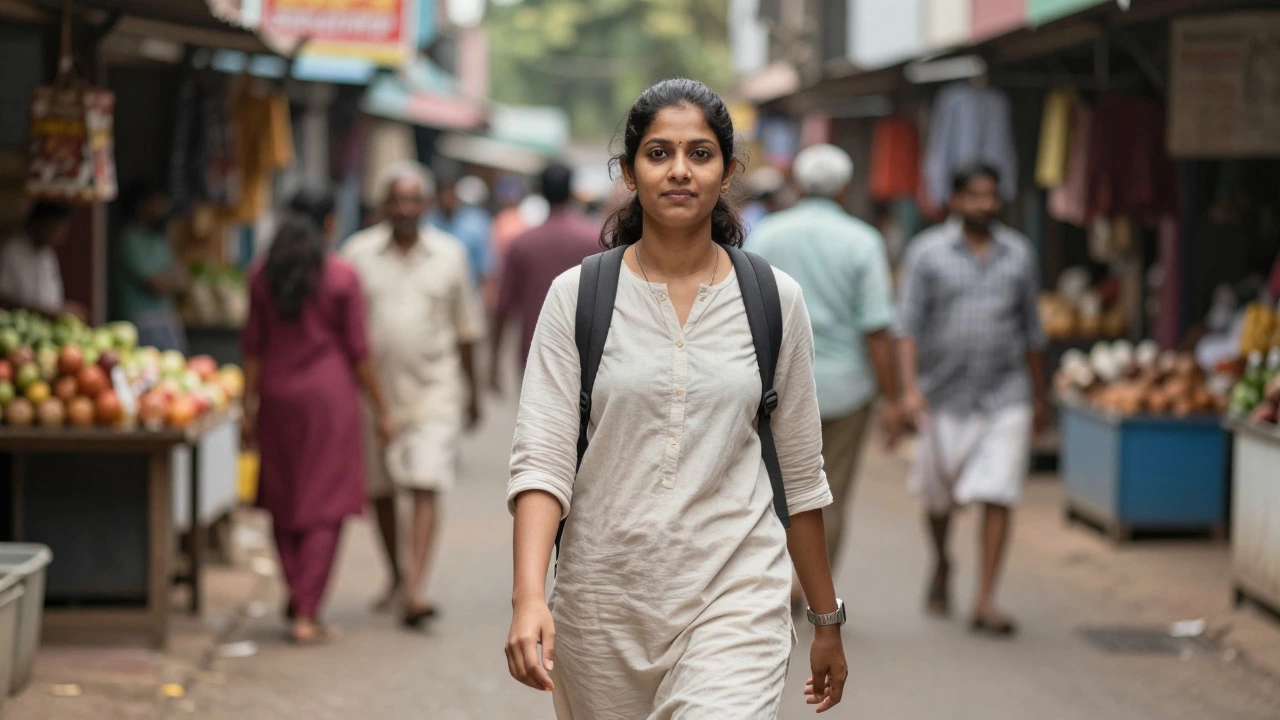
This is often the biggest concern for many travelers. While no place in the world is 100% free from risk, South India is frequently cited as the safest destination for solo women in the country. States like Kerala and Tamil Nadu have a higher literacy rate, stronger gender equality norms in daily life, and a cultural expectation of respecting women in public spaces.
In contrast, North India can feel more challenging. The "male gaze"-staring, catcalling, or persistent questioning-is more common in places like Delhi and parts of Rajasthan. It rarely escalates to physical danger if you dress modestly and stay aware, but it can be mentally exhausting. Many female travelers report feeling much more relaxed walking alone in Kochi or Madurai compared to Old Delhi.
However, context matters. A woman traveling in a luxury resort in Goa (West) or a hill station like Manali (North) might feel perfectly safe due to the controlled environment. Conversely, taking late-night public transport in any major Indian city, North or South, requires caution. The key is preparation: research your accommodation, avoid isolated areas after dark, and trust your instincts.
Health and Infrastructure Safety
Safety isn’t just about criminals; it’s also about health and infrastructure. Here, the South often has an edge. The healthcare system in states like Kerala and Tamil Nadu is among the best in the developing world, with clean hospitals and accessible pharmacies. In the North, medical facilities vary wildly between urban centers like Chandigarh and rural areas.
Water quality is another factor. "Delhi Belly" is a real thing, caused by bacterial contamination in water and food. While this risk exists everywhere, the South’s cooler, wetter climate means food spoils faster, leading to stricter (though not perfect) hygiene practices in local eateries. In the arid North, dehydration and heatstroke are significant risks during summer months (April-June). If you’re visiting in peak summer, the South’s coastal breeze might feel safer for your body than the scorching plains of the North.
Transportation safety is improving nationwide. Trains in India are generally safe, though overcrowding can be an issue. AC classes are recommended for first-time travelers. In the South, state-run buses are cleaner, more punctual, and safer than in many Northern states. Road conditions in the Himalayas (North) pose unique risks like landslides and altitude sickness, which require careful planning.
Regional Breakdown: Where Should You Go?
To give you a clearer picture, let’s look at specific destinations. Your choice should depend on what kind of trip you want, balanced against your comfort zone.
- Kerala (South): Often called "God’s Own Country," it’s incredibly safe, lush, and slow-paced. Ideal for backwater cruises, Ayurveda retreats, and nature lovers. Very low crime rate.
- Tamil Nadu (South): Home to Chettinad mansions and massive temples. The people are proud and polite. Chennai is a bustling metro but feels orderly. Great for history buffs.
- Rajasthan (North): The land of kings. Beautiful palaces and forts, but expect aggressive touting in Jodhpur and Jaipur. Dress conservatively and negotiate firmly.
- Uttarakhand (North): Spiritual hub with Haridwar and Rishikesh. Safe for yoga and meditation, but watch out for river currents if you’re rafting. Cold winters require proper gear.
- Goa (West, but culturally mixed): Beach party capital. Generally safe, but petty theft increases in nightlife areas. Not part of the North/South debate but worth noting for beach seekers.
If you’re new to India, starting in the South is often the smoother entry point. It allows you to adjust to the chaos without feeling overwhelmed. Once you’ve built your confidence, tackling the North becomes an exciting adventure rather than a stressful ordeal.
Practical Tips for Staying Safe Anywhere
Regardless of where you go, these universal rules apply:
- Dress Modestly: Cover shoulders and knees. This reduces unwanted attention and shows respect for local customs, especially near religious sites.
- Use App-Based Transport: Uber and Ola work well in most cities. They provide a record of your ride and fixed prices, eliminating meter disputes.
- Keep Copies of Documents: Scan your passport and visa. Store them in the cloud and carry photocopies. Leave originals in a hotel safe.
- Stay Connected: Buy a local SIM card (Airtel or Jio) upon arrival. Having internet access lets you navigate, call for help, and show maps to drivers.
- Avoid Night Travel: Try to reach your destination before sunset. Roads are poorly lit, and navigation becomes difficult.
- Trust Local Advice: Ask your hotel staff about safe areas to eat and walk. They know the neighborhood dynamics better than any guidebook.
Remember, millions of tourists visit India every year without incident. The key is vigilance, not fear. By understanding the regional differences, you can tailor your itinerary to match your comfort level. Whether you choose the spiritual heights of the North or the serene beaches of the South, India rewards those who approach it with open eyes and a cautious heart.
Is South India safer than North India for tourists?
Yes, generally speaking, South India is considered safer and less overwhelming for first-time tourists, especially solo female travelers. The culture is more reserved, harassment is less common, and healthcare infrastructure is superior. However, North India is still safe if you take standard precautions like using app-based taxis and avoiding isolated areas at night.
Which part of India is safest for solo female travelers?
Kerala and Tamil Nadu in South India are widely regarded as the safest regions for solo women. Places like Kochi, Alleppey, and Madurai have low crime rates and respectful local attitudes. Goa is also popular and relatively safe, though it has a party atmosphere that requires extra vigilance.
What are the most common scams in North India?
The most common scams involve fake tour guides claiming monuments are closed, auto-rickshaw drivers refusing to use meters, and shopkeepers inflating prices significantly for foreigners. Always verify information independently and insist on using app-based cabs or negotiated fixed fares.
Is it safe to drink tap water in India?
No, tap water is not safe to drink anywhere in India. Always buy sealed bottled water or use a portable water filter/purification tablets. Avoid ice cubes in drinks unless you’re sure they were made from purified water. This applies equally to both North and South India.
Can I travel to the Himalayas safely?
Yes, but with preparation. The Himalayan regions in North India (like Himachal Pradesh and Uttarakhand) are safe for trekking and sightseeing, but you must be aware of altitude sickness, weather changes, and road conditions. Hire local guides for treks and avoid traveling during monsoon season (July-September) due to landslide risks.