Palolem Beach Trip Planner
There is a specific title that circulates through travel blogs and guidebooks across the subcontinent. You might have seen it on a postcard or heard it from a seasoned traveler. The question is simple but loaded with expectation: Which is the queen of beaches in India? The answer isn't Mumbai’s chaotic Chowpatty, nor is it the historic Fort Kochi in Kerala. The crown belongs to Palolem Beach, located in the southern tip of Goa.
This designation isn't just poetic fluff. It reflects a combination of geography, water quality, and atmosphere that few other Indian shores can match. While Goa is famous for its party scene, Palolem offers a different kind of royalty-one defined by tranquility, natural beauty, and a crescent shape that feels almost designed for relaxation rather than revelry.
The Geography of Royalty
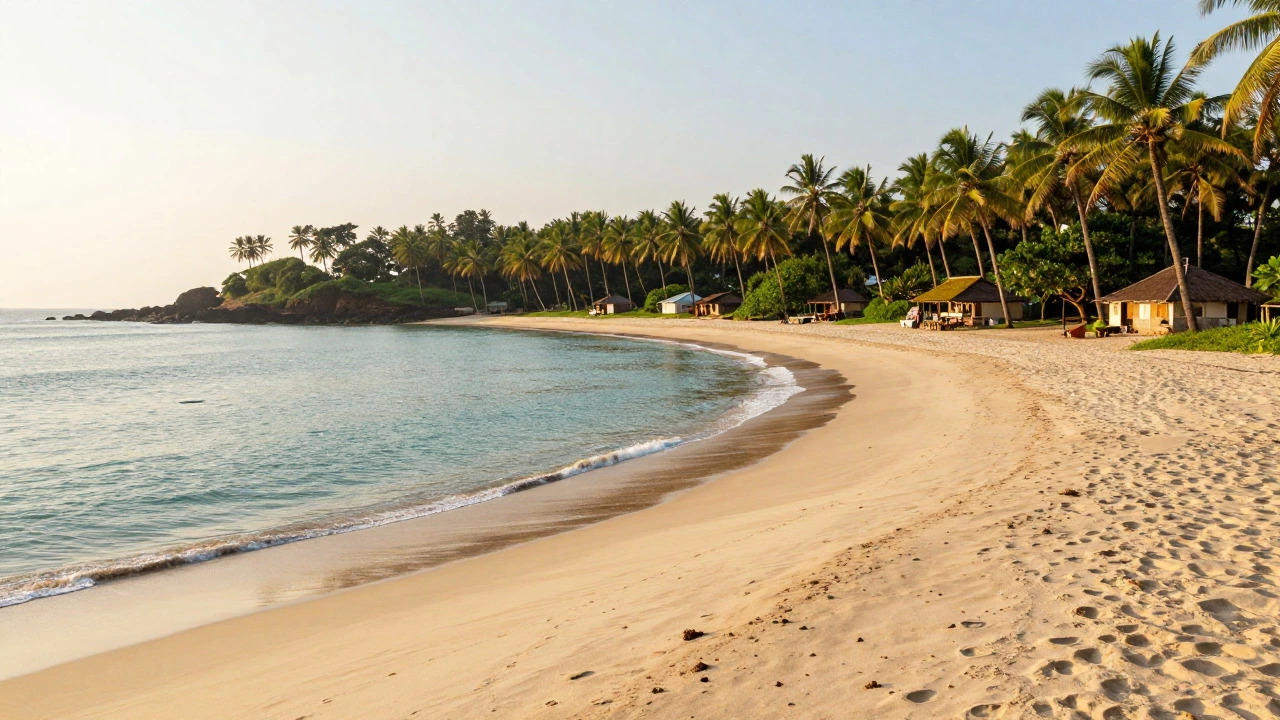
To understand why Palolem earns this title, you have to look at its physical layout. Unlike many beaches that run straight along the coast, Palolem curves inward like a perfect horseshoe. This shape creates a natural lagoon effect. The waters here are generally calmer than those on the northern stretches of Goa, such as Baga or Calangute. The sediment composition also plays a role; the sand is finer and lighter in color compared to the darker, coarser sands found in some parts of Karnataka or Andhra Pradesh.
| Beach Name | Location | Vibe | Water Condition |
|---|---|---|---|
| Palolem Beach | South Goa, India | Tranquil, Romantic | Calm, Clear |
| Rajiv Gandhi Beach | Kovalam, Kerala | Lively, Touristy | Moderate Waves |
| Varkala Cliff | Varkala, Kerala | Dramatic, Spiritual | Strong Currents |
| Baga Beach | North Goa, India | Party, Energetic | Choppy, Busy |
The calmness of the water makes Palolem ideal for activities that require stability, such as kayaking, canoeing, and even snorkeling during certain seasons. In contrast, beaches like Varkala in Kerala offer dramatic red cliffs but come with stronger currents that make swimming less accessible for casual visitors. Palolem strikes a balance between scenic grandeur and accessibility.
Why Not Other Famous Shores?
India has an extensive coastline stretching over 7,500 kilometers. Many beaches have strong claims to fame. Rajiv Gandhi Beach in Kovalam, Kerala, is often cited as a top contender. It features a distinctive lighthouse and a vibrant promenade. However, it suffers from higher commercial density and occasional pollution issues due to heavy tourist footfall. It feels more like a public park with ocean access than a secluded paradise.
Then there is Marina Beach in Chennai. It holds the Guinness World Record for being the second-longest urban beach in the world. Yet, calling it the "queen" would be a stretch for most travelers seeking leisure. It is crowded, often littered, and lacks the pristine aesthetic associated with luxury beach destinations. It serves a local recreational purpose rather than offering the escape tourists crave.
Puri Beach in Odisha is another major player. It is deeply tied to religious festivals and cultural heritage. The sand is black volcanic rock-derived, which looks striking but doesn't provide the warm, golden glow that defines tropical luxury. Palolem’s aesthetic aligns better with the global image of a dream vacation spot.
The Experience at Palolem
Visiting Palolem feels different because the infrastructure supports a slower pace. You won’t find massive concrete hotels towering directly over the sand. Instead, accommodation consists largely of cottages, huts, and small resorts nestled in coconut groves behind the beach. This zoning choice preserves the visual harmony of the landscape. When you walk down to the shore, the view is unobstructed by high-rises.
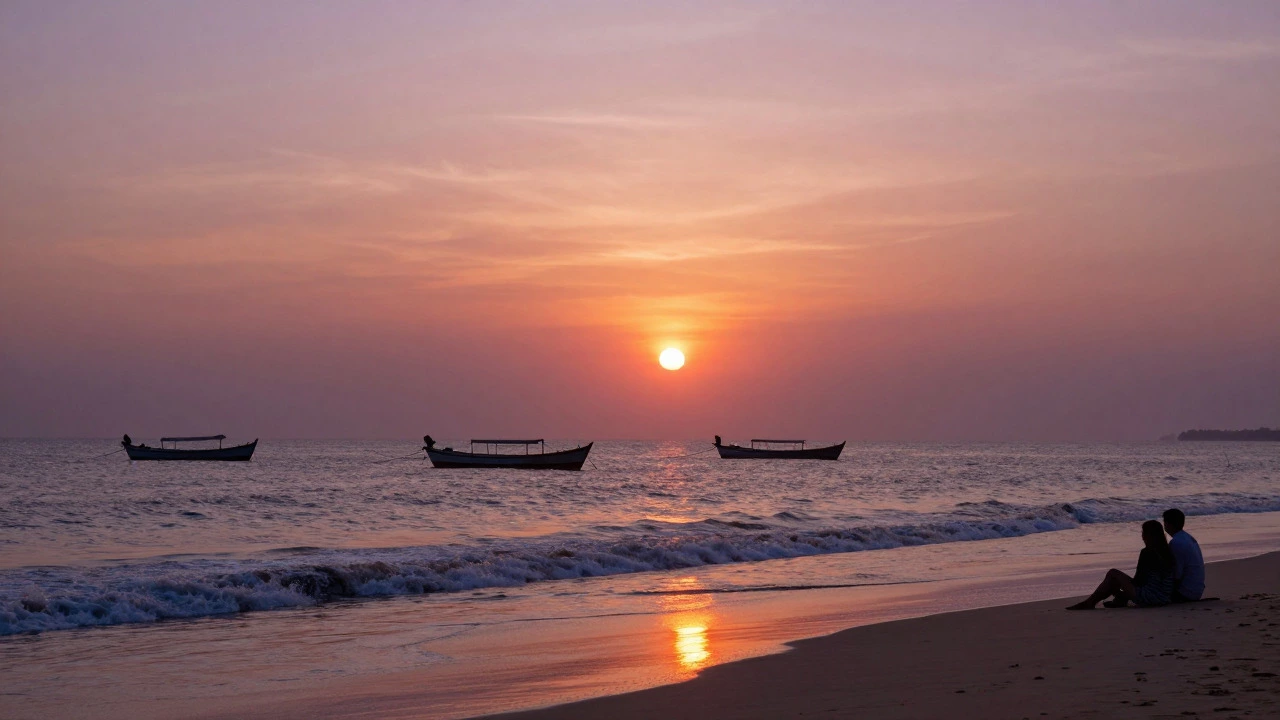
The sunset at Palolem is legendary. Because the beach faces west, the sun dips directly into the Arabian Sea. Locals and visitors alike gather on the sand or on small fishing boats to watch the sky turn shades of orange, pink, and purple. This daily spectacle reinforces the romantic reputation of the area. It is a place where couples go for honeymoons and solo travelers go to reset their mental clocks.
Food culture here is distinct too. While North Goa is known for its shacks serving fried fish and cocktails, South Goa, including Palolem, offers slightly more refined dining options alongside traditional Goan cuisine. You can enjoy vindaloo, xacuti, and bebinca (a layered dessert) while listening to the gentle lap of waves rather than loud music.
Best Time to Visit
Timing matters significantly when chasing the "queen" status. The monsoon season, from June to September, transforms the landscape. The rains bring lush greenery and empty beaches, but the sea becomes rough and dangerous for swimming. Hotels often close during this period. If you want the classic postcard experience, aim for November to February. These months offer clear skies, moderate temperatures ranging from 25°C to 30°C, and calm seas.
March to May brings intense heat. While the beach remains beautiful, the midday sun can be overpowering. Early mornings and late evenings are the only comfortable times to be on the sand during these peak summer months. For the best balance of weather and crowd levels, late October or early January provides optimal conditions.
How to Get There
Accessing Palolem requires a bit of planning since it is not connected by rail directly. The nearest airport is Dabolim Airport in Vasco da Gama, which is about an hour and a half drive away. Alternatively, Madgaon Railway Station serves as a key entry point for train travelers coming from Mumbai, Bangalore, or Delhi. From either location, you can hire a taxi or take a shared jeep to Palolem. The road journey itself is scenic, winding through paddy fields and cashew orchards before opening up to the coastal view.
If you are already in North Goa, traveling south takes approximately three to four hours depending on traffic. Renting a scooter is a popular option for adventurous travelers, allowing you to stop at smaller beaches like Agonda and Colva along the way. This route turns the journey into part of the vacation experience.
Sustainability Concerns
No discussion about India’s premier beaches is complete without addressing environmental challenges. Palolem has faced pressure from overtourism in recent years. Plastic waste management remains a persistent issue. Local authorities and NGOs have initiated cleanup drives, but individual responsibility plays a huge role. Travelers are encouraged to carry reusable bottles and avoid single-use plastics.
Another concern is the erosion of the shoreline due to changing weather patterns and construction nearby. Protecting the mangroves that border the backwaters of Palolem is crucial for maintaining the ecosystem health. Supporting eco-friendly resorts that use solar power and rainwater harvesting helps sustain the very qualities that make Palolem the queen of beaches.
Alternatives Worth Considering
While Palolem holds the crown, other beaches deserve attention depending on your preferences. If you prefer adventure over relaxation, Gokarna in Karnataka offers Trekking trails leading to hidden coves like Kudle Beach. For those interested in wildlife combined with beach time, the Coromandel Coast near Puducherry offers a mix of French colonial charm and serene shores.
Havelock Island in the Andaman Islands is arguably more pristine than Palolem, with crystal-clear waters suitable for diving. However, it requires significant travel logistics, including flights and ferries. For mainland convenience with high-quality aesthetics, Palolem remains the most accessible luxury option.
Is Palolem Beach safe for swimming?
Yes, Palolem is generally safe for swimming due to its calm waters and lack of strong rip currents. However, always check for warning flags posted by lifeguards, especially after heavy rains or during unusual weather patterns. Avoid swimming at night.
What is the best month to visit Palolem?
The best time to visit is between November and February. During these months, the weather is cool and pleasant, and the sea is calm. December and January are peak tourist seasons, so expect higher prices and more crowds.
Are there ATMs near Palolem Beach?
There are limited ATM facilities within the immediate beach area. It is advisable to carry sufficient cash or withdraw money from larger towns like Canacona or Margao before heading to the beach. Most hotels and restaurants accept digital payments via UPI.
Can I stay overnight on the beach?
Camping is allowed in designated areas with prior permission from local authorities. Several resorts offer tent accommodations that provide a beachfront experience with amenities. Wild camping without permission may result in fines.
Is Palolem Beach crowded?
Compared to North Goa beaches like Baga or Calangute, Palolem is much quieter. However, it does get busy during weekends and holiday periods. For solitude, visit on weekdays or explore the eastern end of the beach where fewer people congregate.