Key Highlights for Thrill Seekers
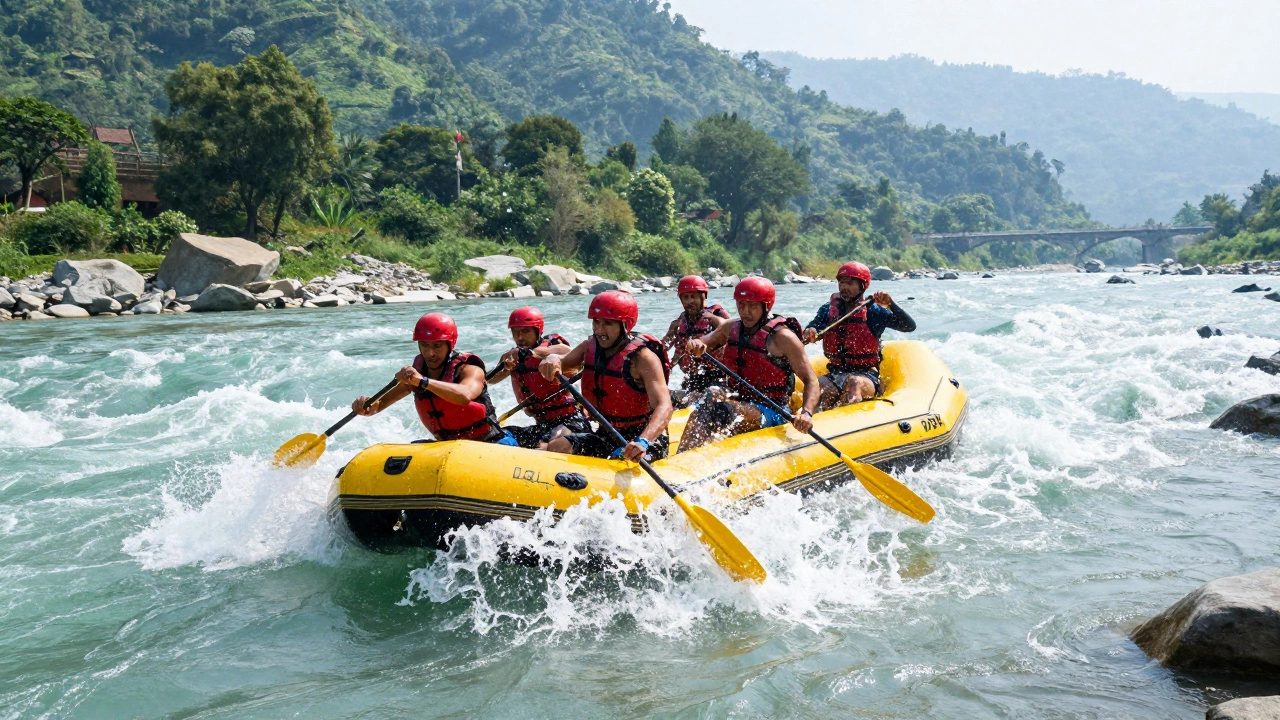
- White Water Rafting: The gold standard of Rishikesh adventures, featuring Grade III and IV rapids.
- Bungee Jumping: India's highest fixed bungee platform offering a 270-foot drop.
- Trekking: Access to hidden waterfalls and peaks like Kunjapuri.
- Camping: Riverside stays that put you right in the heart of nature.
Conquering the Ganges: The Rafting Experience
You can't talk about adventure sports india without mentioning the Ganges River is a sacred river in India that provides the perfect gradient for world-class white water rafting . Rafting here isn't just a float trip; it's a battle against the current. Most trips start from Shivpuri and end near the city center, covering stretches like the 'Marine Drive' and 'Golf Course' rapids. These aren't just names; they are specific technical challenges where the water narrows and speeds up, forcing you to paddle in perfect sync with your team to avoid flipping the boat.
For those who want a real challenge, the long-distance runs from Kaudiaala provide a more rugged experience. You'll find that the river's temperature stays chilly even in the summer, which makes the rush of cold water against your face during a rapid hit feel even more intense. Professional guides are mandatory here, as the river's behavior can change rapidly based on the rainfall in the mountains.
Taking the Leap: Bungee Jumping in the Wild
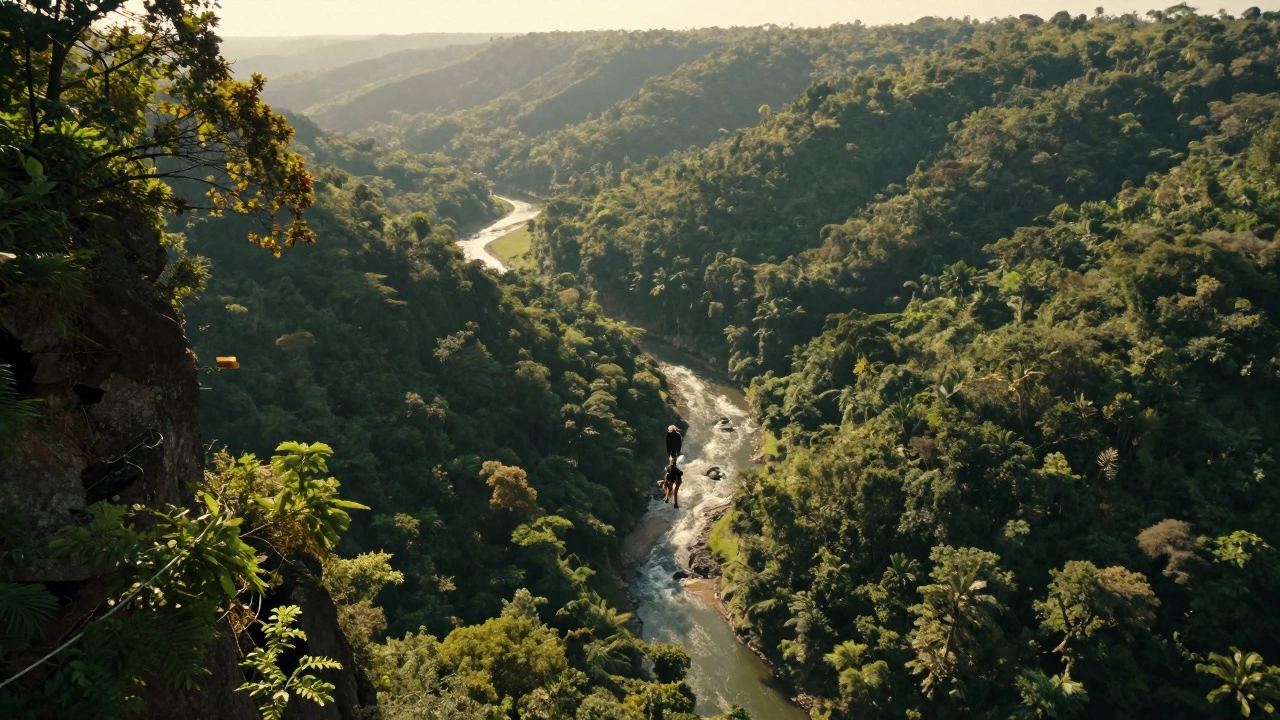
While rafting is about the flow, Bungee Jumping is an extreme sport where the jumper leaps from a stationary object and is accelerated towards the earth by gravity in Rishikesh is about the fall. The jump site, located in the forests of Mohan Chatti, features a platform that stands 270 feet above a river bed. It is one of the few places in Asia that meets international safety standards for this specific activity.
The psychological hurdle is the hardest part. Standing on the edge, looking down at the greenery and the rushing water, your brain tells you to stop. But once you jump, the feeling of weightlessness lasts for a few seconds before the cord snaps you back up. It's a visceral experience that transforms your perspective on fear. Most operators use high-grade elastic cords and dual-redundant harnesses, ensuring that the only thing you have to worry about is the scream leaving your throat.
Beyond the Water: Trekking and Camping
If you prefer your adrenaline on land, the surrounding Himalayas are the highest mountain range in the world, providing the rugged terrain necessary for high-altitude trekking offer endless possibilities. A popular route is the trek to Kunjapuri Temple, which sits at an altitude of about 7,000 feet. The climb is steep, but the payoff is a panoramic view of the snow-capped peaks of Badrinath and Kedarnath during sunrise. It's a physical challenge that ends in a spiritual reward.
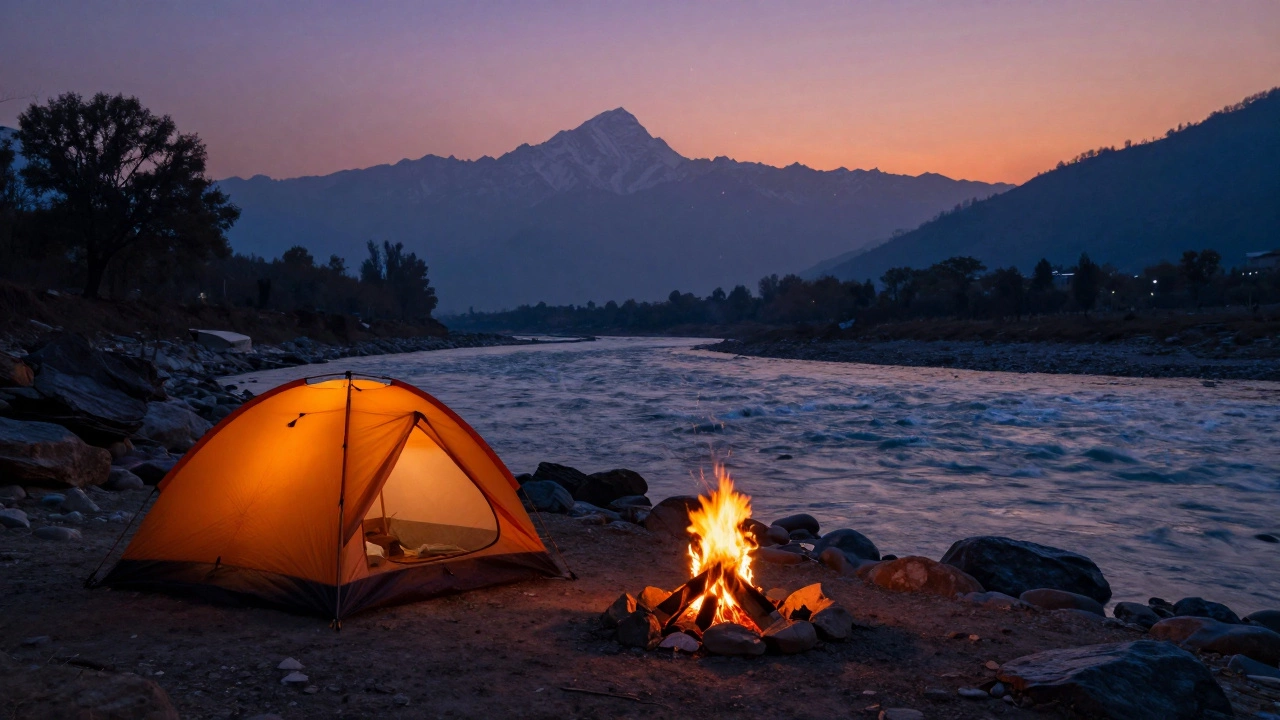
Camping in Rishikesh has evolved from simple tents to "glamping." However, the real adventure lies in the wilderness camps located away from the main town. Sleeping in a tent beside the roaring sound of the river, with nothing but a campfire to keep you warm, connects you to the wild in a way a hotel never could. Many of these camps integrate other activities like zip-lining over the river or rock climbing on the limestone cliffs of the valley.
| Activity | Intensity Level | Best Time | Primary Appeal |
|---|---|---|---|
| White Water Rafting | High | Sept to May | Teamwork & Adrenaline |
| Bungee Jumping | Extreme | Year-round | Overcoming Fear |
| Himalayan Trekking | Medium to High | March to June | Nature & Landscapes |
| River Camping | Low to Medium | Oct to March | Relaxation & Wilderness |
Essential Tips for Your Adventure Trip
Planning a trip to the city of adventure requires more than just a suitcase. First, your gear matters. For rafting, wear quick-dry clothing; cotton is your enemy as it gets heavy and cold when wet. For trekking, a pair of broken-in hiking boots will save you from blisters that could ruin your entire trip. Most people make the mistake of buying new shoes the day before they arrive-don't do that.
Timing is also critical. During the monsoon season (July to August), the Ganges River becomes too dangerous for rafting, and most activities are shut down for safety. The ideal window is from September to November or March to May. Also, keep in mind that Rishikesh is a holy city. While the adventure zones are wild, the main town is conservative. Respect the local culture by dressing modestly when you aren't in your gear.
Comparing Rishikesh to Other Adventure Hubs
How does Rishikesh stack up against other spots? If you look at Manali is a high-altitude Himalayan resort town known for skiing and paragliding , the vibe is different. Manali is all about the snow and altitude. Rishikesh, however, offers a unique blend of water and land activities that you can't find in one place elsewhere in India. While Goa has water sports, they are mostly motorized and beach-based, whereas Rishikesh is about raw, natural forces.
The accessibility also gives Rishikesh an edge. You can take a short drive from Delhi or a quick flight to Dehradun. This makes it the go-to spot for weekend warriors who want a concentrated dose of adrenaline without spending a week in transit. It's this combination of accessibility, variety, and the raw power of the river that secures its spot as India's adventure capital.
Is white water rafting in Rishikesh safe for beginners?
Yes, it is generally safe for beginners. Licensed operators provide a comprehensive safety briefing, life jackets, and helmets. Most beginners start with the easier stretches, but the guides are trained to handle the Grade III and IV rapids. As long as you follow the guide's instructions and have basic swimming knowledge (or use the provided gear), it's a manageable thrill.
When is the best time to visit Rishikesh for adventure sports?
The best time is from September to mid-June. Specifically, the window between March and May is perfect for rafting and trekking as the weather is pleasant. Avoid the monsoon months (July and August) because the river levels rise dangerously, and most adventure activities are legally suspended for safety reasons.
Do I need a license or special permit for bungee jumping?
No, you don't need a license. However, you must meet certain physical criteria, such as weight limits (usually between 50kg and 110kg) and health clearances (no severe heart issues or spinal injuries). You'll be required to sign a waiver and undergo a safety check by the professionals on site.
Which is the highest bungee jump in India?
The bungee jump in Rishikesh, operated by Jumpin Heights, is recognized as one of the highest in India, with a drop of approximately 270 feet. It is highly regulated and uses international safety standards to ensure a secure experience.
Can I do adventure activities and yoga in the same trip?
Absolutely. This is the magic of Rishikesh. You can spend your morning white water rafting or trekking and your evening in a meditation session at a local ashram. The city is designed for this balance, and many hostels and resorts offer packages that combine thrill and wellness.
Final Checklist for Your Trip
- Documents: Carry a valid government ID for camp registration.
- Clothing: Quick-dry tees, trekking pants, and a lightweight jacket.
- Footwear: Sturdy hiking boots and a pair of sandals for the river.
- Health: Check with a doctor if you have a history of back or heart problems before bungee jumping.
- Cash: While UPI is common, carry some cash for remote camping areas with poor network.