SEARCH
Cash in India: Your Guide to Money Management on the Road
When talking about Cash in India, the practical side of using Indian money while you travel, work, or live there, most people wonder how to get it, keep it safe, and stretch it far enough to enjoy the trip. Also called Rupee cash handling, this topic links directly to the everyday reality of paying for food, transport, and souvenirs.
First, the Indian currency, the Indian Rupee, the official monetary unit of India, symbolized by ₹, comes in notes ranging from 10 ₹ to 2,000 ₹ and coins from 1 ₹ to 10 ₹. Knowing the denominations helps you avoid confusion at markets and calculate change quickly. Most travelers start with a small stash of lower‑value notes for street food or bus tickets, then swap for higher notes as they settle in.
Finding cash is easier than you think. The country’s banking network includes more than 30,000 ATMs, automated teller machines that dispense Indian Rupee 24/7 in cities and many towns. Major banks like State Bank of India, HDFC, and ICICI place ATMs near malls, railway stations, and tourist hubs. A quick Google Maps search or an app like Paytm can pinpoint the nearest machine, saving you time and the awkwardness of wandering in search of cash.
Exchange rates matter a lot when you first land. The exchange rate, the price of one currency expressed in another, changes daily based on market forces determines how far your foreign dollars stretch. For most visitors, airport counters offer poor rates, while local banks and authorized money changers in city centers give better value. Keep an eye on apps like XE or the RBI website to spot a good moment to convert large sums.
Key Money Tips for Moving Around Seamlessly
Digital payments have exploded across India, and you’ll hear about digital wallets, apps that let you pay using your phone instead of cash, such as PhonePe, Google Pay, and Paytm everywhere from upscale restaurants to neighborhood kirana stores. While you can rely on them for big purchases, keep some cash on hand for places that still prefer notes, especially in smaller towns or rural areas.
Safety is another angle. Carrying large amounts of cash can attract unwanted attention, so split your money across bags, a hidden pouch, and a hotel safe. When you withdraw from an ATM, choose locations inside banks or well‑lit areas to avoid skimming devices. If you spot a suspicious machine, walk away and report it to the bank.
Budget planning becomes simpler when you track daily cash flow. Start by estimating expenses for meals, transport, and entry fees. For example, a typical street‑food snack costs 30–50 ₹, while a metro ride in Delhi is around 20 ₹ per trip. Multiply those figures by the number of days you plan to stay, then add a 10% buffer for unexpected costs. This method mirrors the advice in our "Why Is a Trip to India So Expensive? Explained" article, which breaks down major cost drivers.
If you’re traveling for an extended period, consider a multi‑currency travel card. These cards let you preload rupees at a favorable rate and use them like a debit card at ATMs and POS terminals, combining the convenience of cash with the security of a card.
Finally, remember that cash is more than a transaction tool—it reflects the local culture. Paying with exact change at a roadside dhaba often earns a smile and a faster service. So, while you explore India’s rich heritage, keep cash in India handy, stay aware of exchange fluctuations, and mix in digital options for a smooth experience.
Below you’ll find a curated list of articles that dive deeper into budgeting, currency exchange, and practical tips for handling money across the subcontinent. Each piece offers real‑world examples and actionable advice, so you can plan confidently and enjoy every moment of your journey.
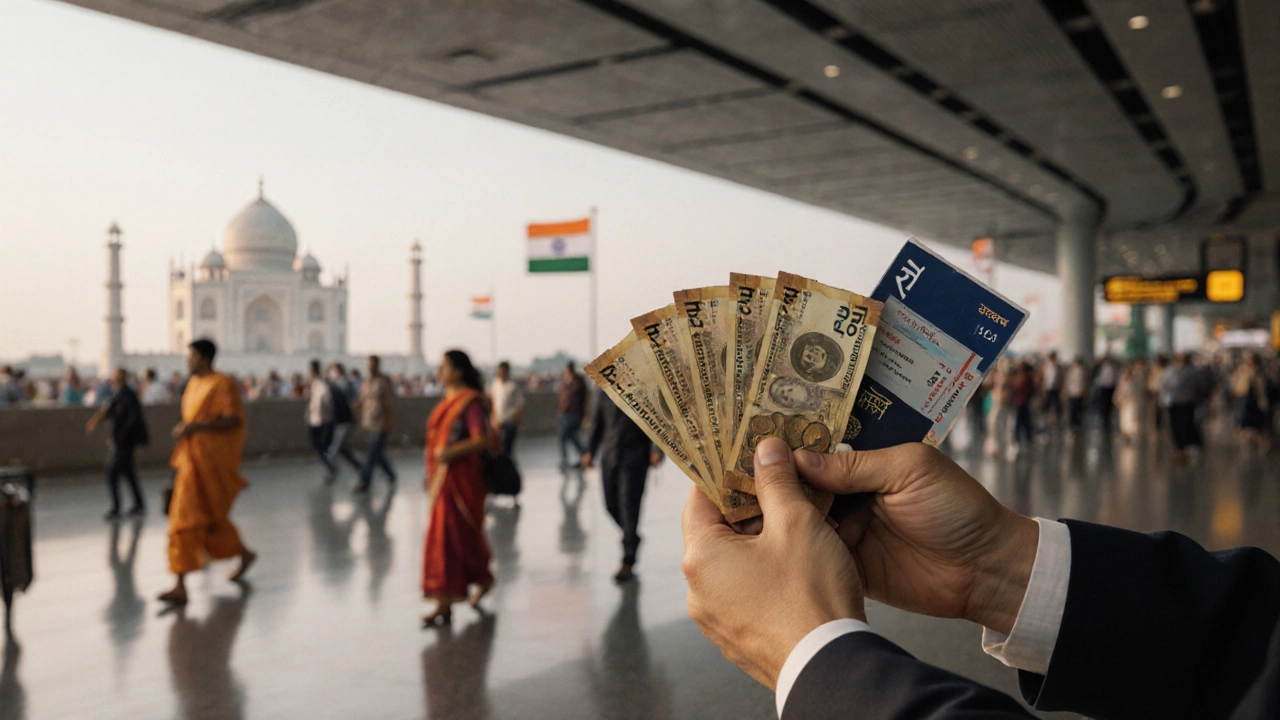
Do I Need Cash in India? A Practical Guide for Travelers
Discover whether you need cash in India, where it matters, digital alternatives, ATM tips, and a practical checklist for safe, hassle‑free travel.
Continue reading