SEARCH
Himalayan Trek: Best Trails, Tips, and What You Need to Know
When you think of a Himalayan trek, a challenging, high-altitude walking journey through the world’s tallest mountain range, often undertaken for adventure, spiritual growth, or physical endurance. Also known as mountain trekking in the Indian Himalayas, it’s not just a hike—it’s a test of grit, altitude adaptation, and respect for nature. Unlike casual walks in the hills, a true Himalayan trek demands preparation, the right gear, and an understanding of how thin air affects your body. This isn’t about checking a box. It’s about walking through valleys where prayer flags flutter, glaciers whisper, and villages have never seen a tourist bus.
Many people confuse a Himalayan trek, a multi-day walking journey through high-altitude terrain in the Indian Himalayas, often involving camping or lodge stays. Also known as mountain trekking in the Indian Himalayas, it’s not just a hike—it’s a test of grit, altitude adaptation, and respect for nature. with a simple hill walk. A real Himalayan trek means sleeping at 3,500 meters or higher, crossing icy streams, and dealing with sudden weather shifts. The most popular routes—like the Everest Base Camp trek, a world-famous trekking route in Nepal that ends at the foot of Mount Everest, often accessed via Lukla airport and passing through Sherpa villages. Also known as EBC trek, it’s a bucket-list journey for serious trekkers—are well-trodden for a reason. But India has its own gems: the Valley of Flowers, Roopkund, and the Markha Valley in Ladakh. Each offers different challenges. Some are spiritual. Others are raw, remote, and physically brutal.
Cost matters. A Himalayan trek, a challenging, high-altitude walking journey through the world’s tallest mountain range, often undertaken for adventure, spiritual growth, or physical endurance. Also known as mountain trekking in the Indian Himalayas, it’s not just a hike—it’s a test of grit, altitude adaptation, and respect for nature. doesn’t have to break the bank, but cheap deals often mean hidden fees, poor guides, or unsafe gear. Permits, porters, food, and oxygen can add up fast. You’ll find guides who charge ₹15,000 for a week, and others who charge ₹60,000. The difference? Experience, safety, and how much they actually care if you make it back. And don’t forget acclimatization. Rushing leads to altitude sickness. Slow is safe. Safe is smart.
What you’ll find below are real stories from people who’ve walked these trails. Not the Instagram highlights. The muddy boots. The missed flights. The tea shared with strangers who became friends. You’ll see what gear actually works, which routes are overrated, and how to pick a trek that matches your fitness—not your fantasy. Whether you’re eyeing a short Himalayan trek in Himachal or dreaming of the high passes of Ladakh, the posts here cut through the noise. No fluff. Just what you need to know before you lace up your boots.
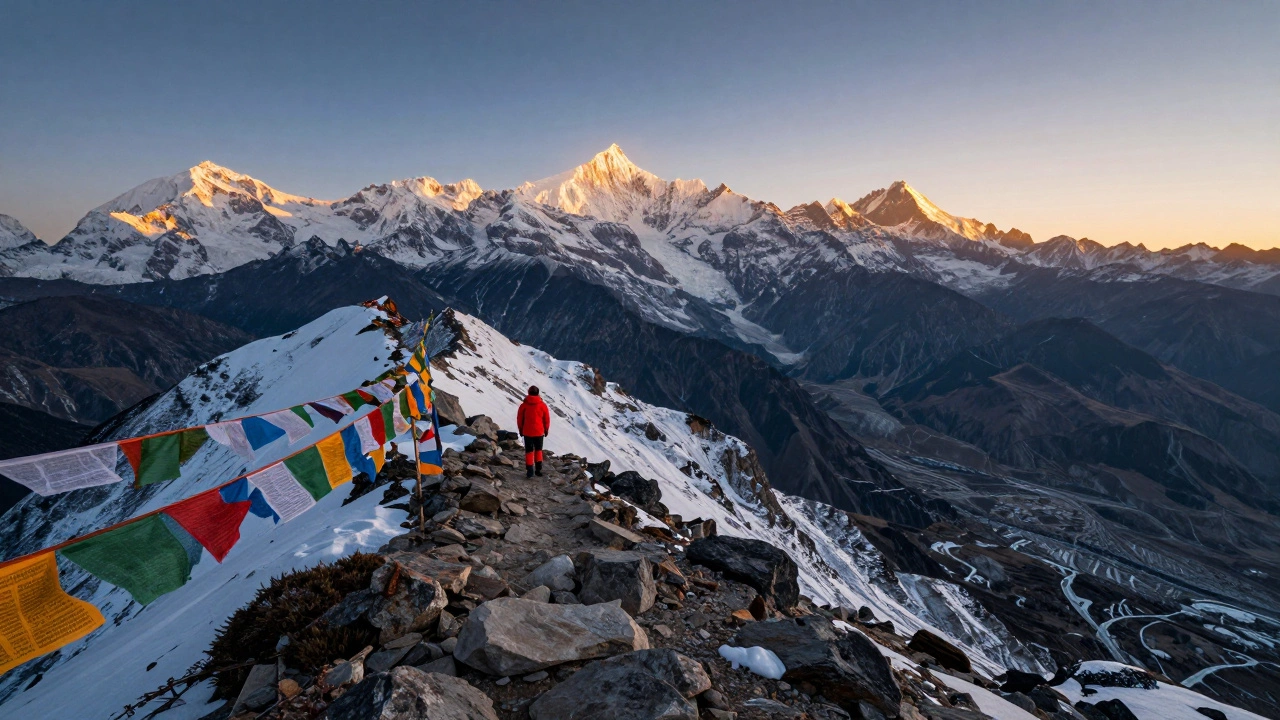
Which is the longest walking trail in India? Complete guide to the Himalayan Trek
The Himalayan Trek is India's longest walking trail, stretching over 1,700 km from Uttarakhand to Arunachal Pradesh. This guide covers the route, permits, costs, best time to go, and what you really need to know before attempting it.
Continue reading