SEARCH
Skydive Safety: What You Need to Know Before Jumping from 15,000 Feet
When you think of skydive safety, the set of practices, equipment standards, and training protocols that ensure a safe freefall and landing during skydiving. Also known as parachuting safety, it’s not just about the parachute—it’s about every decision leading up to that jump. Most people assume it’s all about the gear, but the real difference between a thrilling experience and a dangerous one comes down to training, operator reputation, and knowing when to say no.
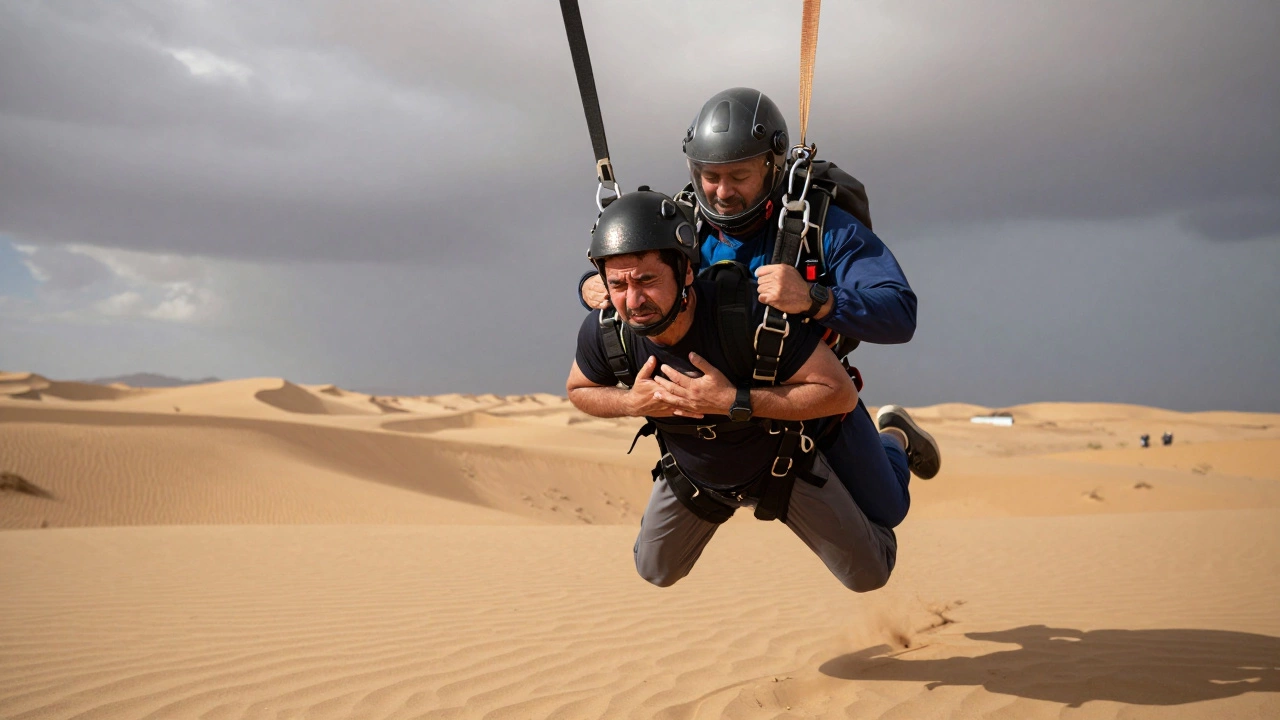
tandem skydiving, a type of skydive where a student is harnessed to a certified instructor. Also known as paired jump, it’s the most common way beginners experience freefall in India. If you’re doing a tandem jump, your life literally depends on the instructor’s experience. Look for operators who use USPA or FAI-certified instructors, not just someone who completed a three-day course. Ask how many jumps they’ve done—500 is the bare minimum. Anything less, and you’re gambling. The gear matters too. Modern rigs have automatic activation devices (AADs) that deploy the parachute if you’re not pulling it manually. That’s not a bonus—it’s standard. Make sure your operator uses gear that’s been inspected within the last 180 days. Don’t be shy to ask for proof.
skydiving gear, the full set of equipment used in skydiving, including main and reserve parachutes, harnesses, altimeters, and AADs. It’s not just a jumpsuit and a chute. A good rig has two parachutes: a main and a reserve. The reserve is packed by a certified rigger and checked every 180 days. Your altimeter should be audible—so you know when to pull even if you’re spinning. And yes, helmets are non-negotiable. Even if you’re doing a tandem jump, you’re still falling at 120 miles per hour. A head injury at landing can ruin your whole trip. Weather is another silent killer. Wind over 15 mph? Cloud cover below 3,000 feet? Cancel. No reputable operator will push you out in bad conditions. If they do, walk away. Skydiving isn’t a race. It’s a precision sport.
What you won’t find in most brochures is how often people skip the pre-jump briefing. That 20-minute talk isn’t fluff. It’s your lifeline. You need to know how to arch your body, how to signal for help mid-air, and what to do if you start spinning. Most injuries happen because people panic and forget the basics. Don’t be one of them. Listen. Ask questions. Repeat the steps out loud. And never, ever jump if you’re hungover, sick, or stressed. Your body needs to be in sync with your mind.
India’s skydiving spots—like Pondicherry, Mysore, and Goa—have grown fast. But not every drop zone keeps up. Stick to operators who are transparent about their training, gear, and safety records. If they won’t show you their logbooks, don’t jump. There are plenty of places that do. Skydive safety isn’t about luck. It’s about choosing wisely, asking hard questions, and trusting your gut. What you find below are real stories, tips, and lessons from people who’ve done it right—and those who didn’t. Let them guide you.
Who Should Not Skydive? Safety Rules for Adventure Sports in India
Not everyone should skydive. Learn who should avoid this extreme sport in India due to health risks like heart conditions, pregnancy, epilepsy, and poor fitness. Safety comes before thrills.
Continue reading