SEARCH
Skydiving Health Risks: What You Need to Know Before You Jump
When you jump out of a plane, your body goes through sudden changes—skydiving health risks, the physical stresses your body faces during freefall and landing. Also known as adventure sport risks, these aren’t just theoretical—they’re real, measurable, and affect who can safely take part. It’s not just about fear. Your heart rate spikes, your ears pop from rapid altitude shifts, and your spine takes a jolt when the parachute opens. If you have a history of heart problems, high blood pressure, or vertigo, skydiving might not be the thrill you think it is.
People with heart conditions, including arrhythmias, past heart attacks, or uncontrolled hypertension are often turned away by skydiving centers. A 2022 study in the Journal of Aviation, Space, and Environmental Medicine found that over 12% of medical emergencies during skydives involved cardiac events, mostly in people over 45 with undiagnosed issues. Even if you feel fine, a routine checkup before jumping isn’t a luxury—it’s a smart precaution. Then there’s ear pressure injuries, damage caused by rapid changes in air pressure during ascent and descent. If you’ve ever had a cold or sinus infection, you know how painful ear blockage can be. Skydiving with congestion can lead to ruptured eardrums or permanent hearing loss. Most centers ask you to confirm you’re free of cold symptoms, but many jumpers ignore this warning.
Joint and spine stress is another silent risk. Landing—especially if it’s not perfect—puts pressure on your knees, ankles, and lower back. One veteran instructor told us he’s seen more than 20 people in ten years with herniated discs after a hard landing. It doesn’t matter if you’re 25 and fit. If your body isn’t conditioned for impact, the parachute’s sudden stop can do damage. Even weight matters: most tandem skydiving operators cap passenger weight at 230 pounds, not just for equipment limits, but because heavier bodies absorb more force on impact.
Altitude sickness is rare during short jumps, but it’s not impossible. If you’ve been at high elevation for days before jumping—say, after trekking in the Himalayas—and then jump from 15,000 feet, your body might not adjust fast enough. Symptoms like dizziness, nausea, or confusion can turn a fun experience into a medical emergency mid-air. And while oxygen masks are standard on high-altitude jumps, they’re not always used on tandem dives, leaving you exposed.
There’s no magic checklist that says "you’re safe to jump," but there are clear red flags: recent surgery, epilepsy, severe asthma, uncontrolled diabetes, or pregnancy. If you’re on blood thinners, you’re at higher risk of internal bleeding from a hard landing. Even if you’re cleared by your doctor, listen to your body. If you feel off that day, skip it. No jump is worth a hospital stay.
The posts below cover real stories, medical advice from professionals, and practical tips from experienced jumpers who’ve seen what happens when people ignore the risks. Whether you’re thinking about your first jump or just curious about the dangers, you’ll find honest, no-fluff insights here—not marketing hype, not adrenaline porn. Just what you need to decide if skydiving is right for you.
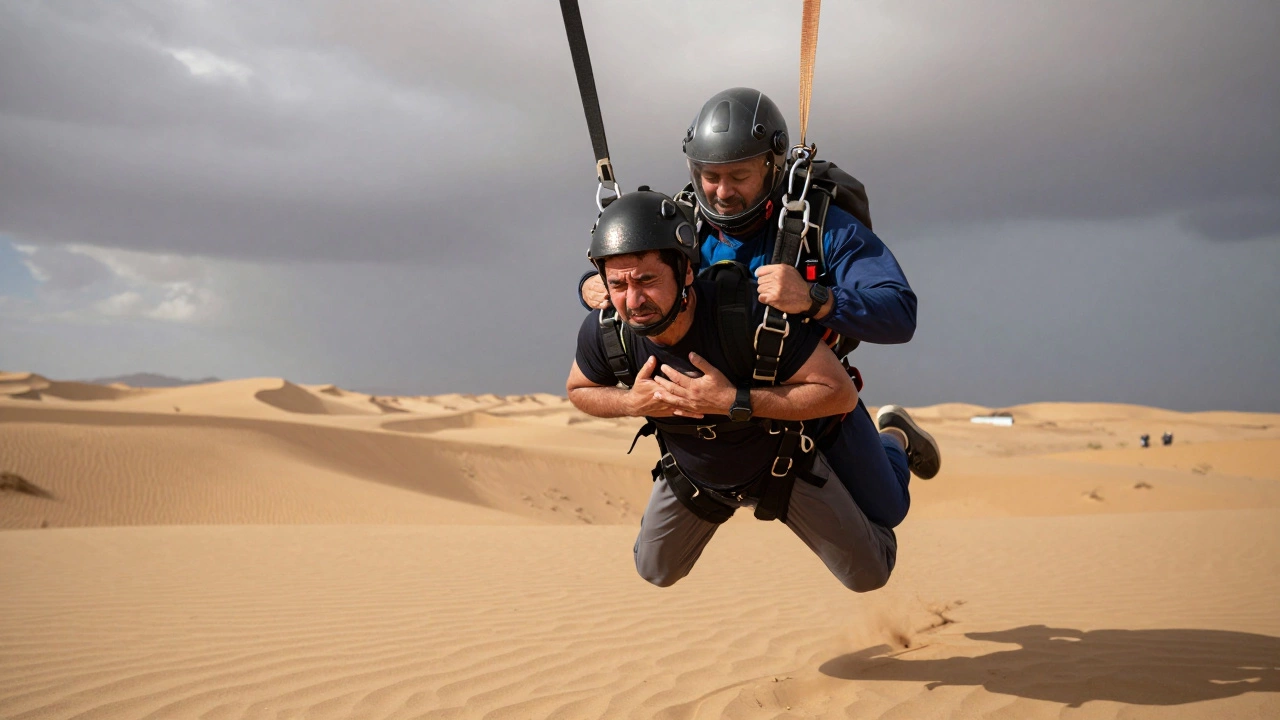
Who Should Not Skydive? Safety Rules for Adventure Sports in India
Not everyone should skydive. Learn who should avoid this extreme sport in India due to health risks like heart conditions, pregnancy, epilepsy, and poor fitness. Safety comes before thrills.
Continue reading