SEARCH
Skydiving Restrictions in India: What You Need to Know Before You Jump
When you think of skydiving restrictions in India, the official rules and safety guidelines that govern parachute jumps across the country. Also known as skydiving regulations, it’s not just about who can jump—it’s about where, when, and how you’re allowed to do it safely. Unlike countries with dozens of drop zones, India keeps skydiving tight. Only a handful of places are legally cleared for tandem jumps, and even those have strict windows for operation. The Directorate General of Civil Aviation (DGCA), India’s civil aviation authority that sets and enforces all air safety rules, including skydiving. controls everything from instructor certifications to equipment standards. If you’re planning a jump, you’re not just signing a waiver—you’re entering a system that’s been built around safety, not spectacle.
Most people assume skydiving in India is like in the U.S. or Europe—open, easy, and everywhere. It’s not. You can’t just show up at a field and leap. The only approved locations are in Pune, a major hub for skydiving in India, with licensed operators and consistent weather patterns., Agra, known for its clear skies and proximity to the Taj Mahal, offering unique aerial views., and a few seasonal sites in Karnataka, where high-altitude drop zones operate under strict seasonal permits.. Even then, jumps are canceled if wind exceeds 15 km/h or if clouds drop below 3,000 feet. The age limit, the minimum and maximum age for skydiving under Indian law. is 18 to 65, and you need a signed medical form from a registered doctor. No exceptions. No last-minute waivers. And no jumping if you’ve had surgery in the last six months, are pregnant, or have heart conditions. These aren’t suggestions—they’re enforced by law.
Permits aren’t just paperwork. Every jump operator must hold a DGCA-issued license, and each tandem instructor must have over 500 verified jumps and pass annual re-certification. Gear is checked before every flight—not just once a season. If you’re booking through a tour operator, ask for their DGCA license number. If they can’t show it, walk away. The cost, the typical price range for a tandem skydive in India. runs between ₹25,000 and ₹35,000, depending on location and altitude. That’s not cheap, but it includes insurance, gear, training, and video. No hidden fees. No upsells. What you see is what you pay. And yes, you’ll need to bring your ID—no passport, no jump. This isn’t about bureaucracy. It’s about making sure the person next to you in the plane has been vetted, trained, and cleared to keep you alive.
There’s no romanticized version of skydiving here. It’s not a party. It’s not a trend. It’s a controlled, regulated activity that’s been kept this way because people have died when rules were ignored. The few places that do it right have built their reputation on safety, not speed or spectacle. If you’re serious about jumping, you’ll respect the system. You’ll show up on time, listen to your instructor, and accept that weather might cancel your jump—even if you flew across the country for it. That’s the reality of skydiving in India. And if you do it right, it’s one of the most unforgettable things you’ll ever do.
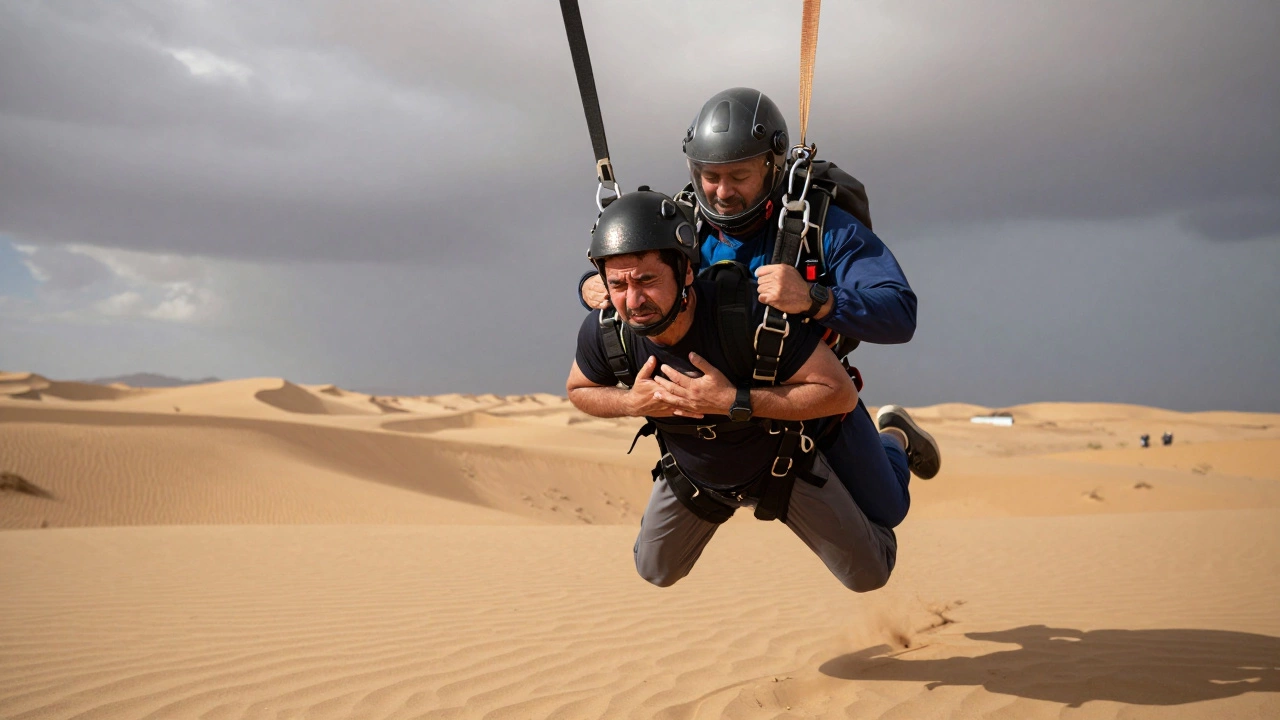
Who Should Not Skydive? Safety Rules for Adventure Sports in India
Not everyone should skydive. Learn who should avoid this extreme sport in India due to health risks like heart conditions, pregnancy, epilepsy, and poor fitness. Safety comes before thrills.
Continue reading