SEARCH
South India Travel Itinerary: Best Routes, Cities, and Hidden Gems
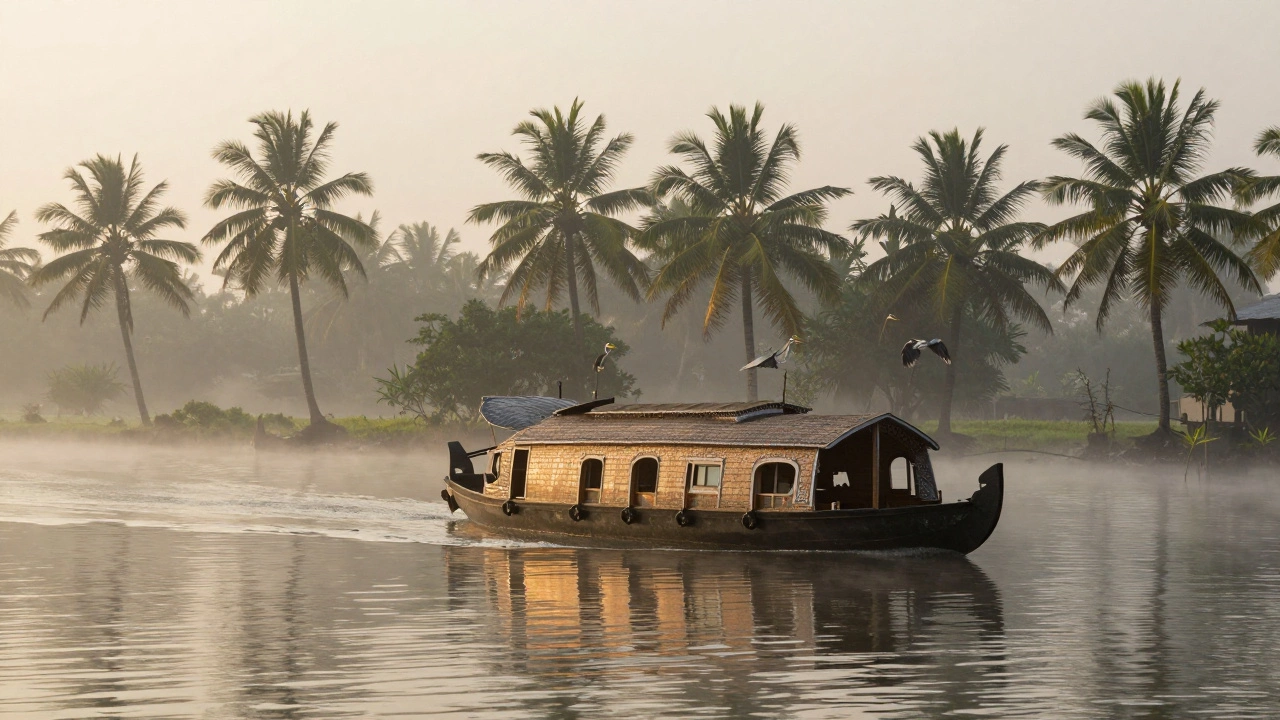
When you think of a South India travel itinerary, a carefully planned route through the cultural and natural heart of southern India, often including temples, backwaters, and coastal escapes. Also known as southern India trip plan, it’s not just about ticking off landmarks—it’s about moving at the rhythm of the region, where temple bells echo before sunrise and houseboats glide through silent backwaters at dusk. Unlike the fast-paced chaos of North India, South India moves slower, deeper, and with more soul. This is where you’ll find ancient Dravidian architecture standing beside misty hill stations, where coconut trees line beaches that feel untouched, and where food isn’t just eaten—it’s experienced.
A good South India travel itinerary, a carefully planned route through the cultural and natural heart of southern India, often including temples, backwaters, and coastal escapes. Also known as southern India trip plan, it’s not just about ticking off landmarks—it’s about moving at the rhythm of the region, where temple bells echo before sunrise and houseboats glide through silent backwaters at dusk. isn’t just about picking cities. It’s about balancing places. You need Kerala backwaters, a network of lagoons, lakes, and canals in Kerala, famous for serene houseboat rides and lush green landscapes. Also known as Kerala waterways, they offer the quietest, most immersive way to experience rural India. alongside Tamil Nadu temples, massive, intricately carved stone temples from the Chola and Pandya dynasties, especially in Madurai, Thanjavur, and Kanchipuram. Also known as South Indian temple complexes, they’re living religious centers, not museum pieces.. Then there’s Karnataka beaches, coastal stretches like Gokarna and Karwar, quieter than Goa but just as beautiful, with golden sand and minimal crowds. Also known as Karnataka coastline, they’re where you unwind after days of temple hopping.. And don’t forget hill stations like Ooty and Coonoor—cool, misty escapes that feel worlds away from the heat below.
Most first-timers spend 10 to 14 days here. That’s enough to hit the highlights without rushing. Start in Mysore for palaces and silk, then head to Hampi for rock formations and ruins. Move to Kochi for spice markets and colonial charm. Take a slow boat through the backwaters of Alleppey. End in Kovalam or Varkala for sunset yoga on the beach. Skip the crowds by avoiding December to February if you can—this is peak season, and prices jump. Instead, aim for October or March. You’ll get better deals, fewer people, and the same beauty.
What you’ll find below isn’t just a list of places. It’s a collection of real, tested routes—some for couples seeking peace, others for solo travelers who want culture, and a few for families who need balance. You’ll see how to stretch a budget, where to eat like a local, and why some beaches are better at sunrise than noon. These aren’t generic suggestions. They’re the routes that actually work, written by people who’ve been there, gotten lost, and found the best spots anyway.
How to Plan a South India Trip: A Practical Guide for First-Timers
Plan your perfect South India trip with this practical guide covering the best time to go, where to stay, what to eat, how to get around, and essential tips to avoid common mistakes. No fluff-just real advice for first-timers.
Continue reading