SEARCH
Trans-Himalayan Trail: Trekking Routes, Culture, and Hidden Peaks of India's High Mountains
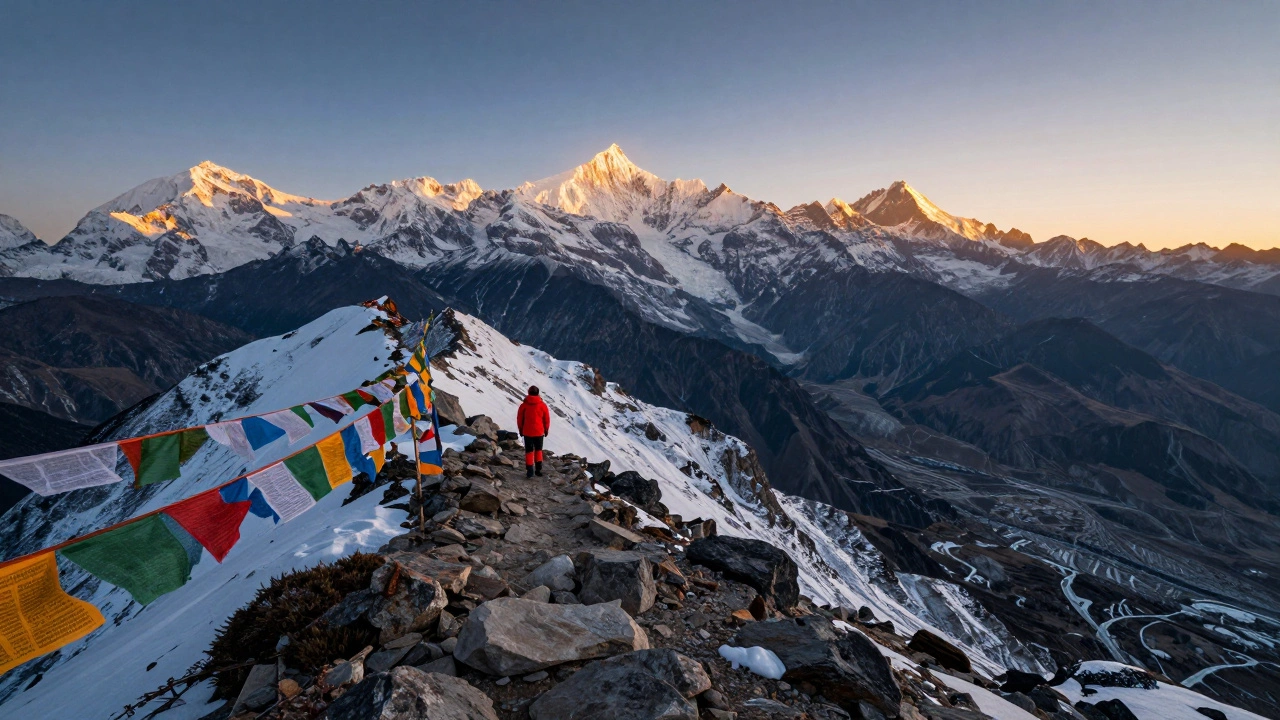
When you hear trans-Himalayan trail, a network of ancient footpaths crossing the high, dry plateaus north of the main Himalayan range. Also known as Trans-Himalayan trekking route, it runs through Ladakh, Spiti, and parts of Uttarakhand—places where the air is thin, villages are isolated, and Buddhist monasteries cling to cliffs like afterthoughts of the earth. This isn’t just a hike. It’s a passage through one of the last untouched cultural zones on Earth, where prayer flags whisper in winds that haven’t changed in centuries.
The trans-Himalayan trail, a high-altitude corridor linking remote Buddhist communities. Also known as Trans-Himalayan cultural corridor, it connects places like Keylong, Kibber, and Tso Moriri—villages where people still carry water from melting glaciers and trade salt for grain using donkeys. Unlike the crowded routes to Everest Base Camp or Annapurna, these trails see fewer than 5,000 trekkers a year. You won’t find Wi-Fi here. You’ll find monks chanting at dawn, nomads herding yaks, and skies so clear you can count the stars without a telescope. This trail doesn’t reward fitness alone—it rewards patience, quiet observation, and respect for land that doesn’t welcome tourists.
What makes this trail different? It’s not about summiting peaks. It’s about walking through living history. The Ladakh region, a high-altitude desert in northern India known for its Buddhist heritage and rugged terrain. Also known as Little Tibet, it’s where the trail begins for most, with routes like the Markha Valley and Chadar Trek cutting through frozen rivers in winter. The Spiti Valley offers a quieter alternative, with mud-brick monasteries like Tabo and Dhankar that predate the 10th century. And then there’s the Tso Moriri Lake, a high-altitude saltwater lake surrounded by snow-capped peaks and wild asses that look like they stepped out of a myth. These aren’t just destinations. They’re chapters in a story written by wind, ice, and generations of people who chose to live where the world ends.
If you’ve read about India’s beaches or temple cities, you’ve seen half the picture. The trans-Himalayan trail is the other half—the silent, snow-laced, sun-baked side of India that doesn’t shout for attention. You won’t find luxury resorts here. You’ll find home-stays run by families who’ve lived here for centuries. You won’t see crowds. You’ll see silence so deep it becomes a kind of sound. And you won’t just visit this place—you’ll carry it with you, long after your boots are clean.
Below, you’ll find real stories from people who’ve walked these trails, tips on when to go, what to pack, and how to prepare for altitude without turning your trip into a medical emergency. No fluff. Just what you need to know before you step onto the trail.
Which is the longest walking trail in India? Complete guide to the Himalayan Trek
The Himalayan Trek is India's longest walking trail, stretching over 1,700 km from Uttarakhand to Arunachal Pradesh. This guide covers the route, permits, costs, best time to go, and what you really need to know before attempting it.
Continue reading