SEARCH
Who Can't Skydive? Medical Limits and Safety Rules for Skydiving in India
When you think of skydiving, you picture freedom, adrenaline, and breathtaking views—but not everyone is cleared to jump. skydiving, a high-altitude activity involving freefall from an aircraft before deploying a parachute. Also known as parachuting, it’s not just about courage—it’s about physical readiness. In India, where skydiving is growing in popularity at spots like Pondicherry, Mysore, and Goa, operators follow strict safety guidelines based on global standards. These aren’t arbitrary rules—they’re backed by medical data and real-world incidents.
People with heart conditions, including uncontrolled hypertension, arrhythmias, or past heart surgeries are typically barred from jumping. The sudden drop in air pressure and spike in adrenaline can trigger dangerous stress on the cardiovascular system. Similarly, those with severe asthma, especially if they rely on inhalers or have had recent flare-ups, are often turned away—the thin air at altitude can make breathing impossible without proper acclimatization. Even unhealed fractures, recent surgeries, or pregnancy are automatic disqualifiers. Some clinics in Delhi and Mumbai even require a doctor’s clearance form before you book a jump.
Age matters too. While there’s no legal upper limit, most operators in India won’t let anyone over 65 jump without a detailed medical review. Weight limits are firm—usually capped at 100 kg (220 lbs)—because harnesses and parachutes are engineered for specific load ranges. If you’re overweight, the risk of injury during landing increases, and gear failure becomes more likely. Even if you’re fit, recent ear or sinus infections can block pressure equalization during descent, leading to eardrum damage. And yes, if you’ve had a concussion in the last six months, you’re not cleared. These aren’t just precautions—they’re lifesavers.
It’s not about saying no—it’s about knowing when to say not yet. Many people assume skydiving is for the young and fearless, but the truth is, it’s for the medically cleared. India’s skydiving scene is still young, and safety standards are catching up with demand. That’s why operators are stricter here than in places like the U.S. or Australia. If you’re wondering whether you qualify, talk to your doctor first. Don’t rely on a friend’s story or a YouTube video. Real skydiving centers in India ask for proof—not permission.
Below, you’ll find real stories and practical guides from travelers who’ve navigated these limits—some got cleared after medical checks, others found alternatives like indoor skydiving or tandem jumps with extra precautions. Whether you’re planning your first jump or just curious why someone couldn’t do it, these posts give you the facts, not the fluff.
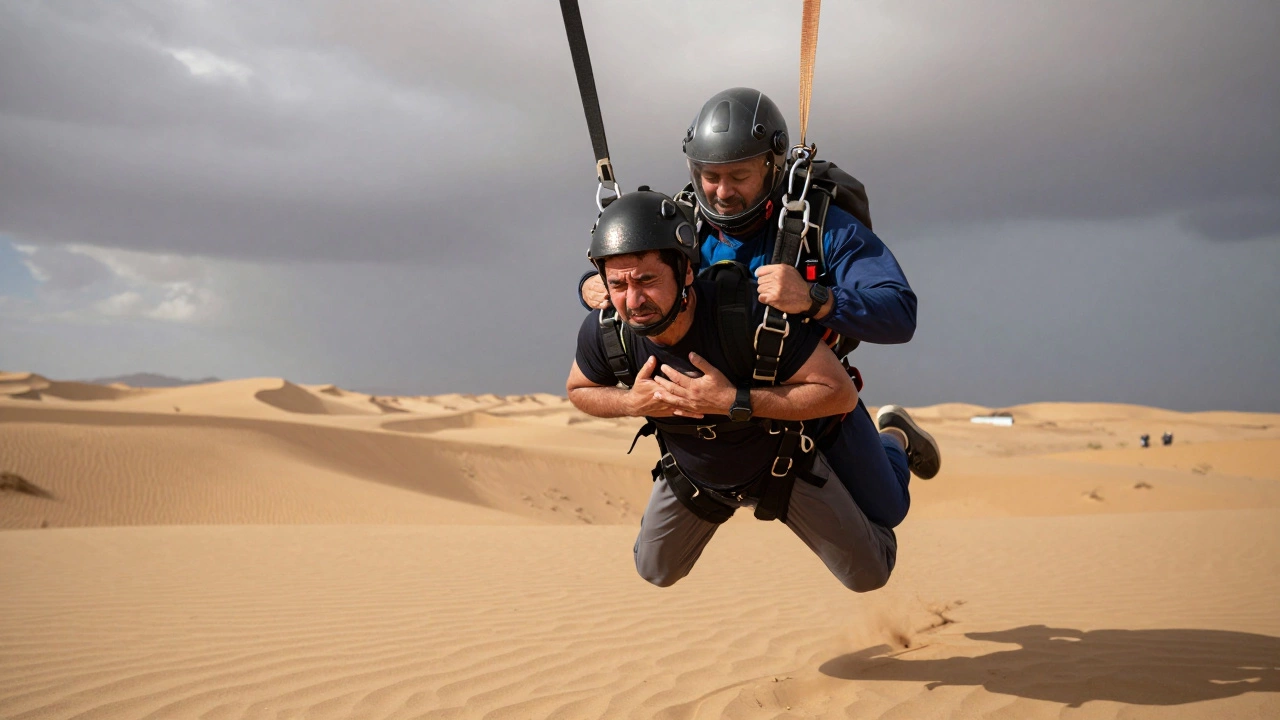
Who Should Not Skydive? Safety Rules for Adventure Sports in India
Not everyone should skydive. Learn who should avoid this extreme sport in India due to health risks like heart conditions, pregnancy, epilepsy, and poor fitness. Safety comes before thrills.
Continue reading