Temple Etiquette Readiness Checklist
Are You Ready for Your Visit?
Check off the following items to ensure you are respecting local traditions and temple rules.
You stand at the entrance of an ancient Hindu temple in Varanasi. The air smells of sandalwood and jasmine. Devotees are chanting softly. You step forward, ready to explore this architectural marvel, but then you notice something. People are removing their shoes. Others are covering their shoulders. A security guard gently stops someone from taking a photo near the main deity. If you’re not careful, you might accidentally offend locals or miss out on the spiritual experience entirely.
India is home to thousands of temples, each with its own history, architecture, and rituals. While most visitors come for the beauty and culture, respecting local customs is just as important as seeing the sights. Knowing what not to do in temples can make your trip smoother, more respectful, and even more rewarding. Let’s break down the key things to avoid so you can visit with confidence.
Dress Code Mistakes That Stand Out
One of the biggest mistakes tourists make is dressing inappropriately. Temples are sacred spaces, and how you dress matters. In many parts of India, especially in South India, modest clothing is expected. This means covering your shoulders and knees. Sleeveless tops, short shorts, and mini-skirts are usually frowned upon.
In some temples, like the Meenakshi Amman Temple in Madurai, you may even be asked to wear a dhoti or saree if your clothes aren’t considered modest enough. Don’t worry-most temples provide these garments for free or rent them at a small cost. But it’s better to come prepared. Pack light cotton shirts, long pants, or skirts that cover your knees. It keeps you cool and shows respect.
If you’re visiting during summer, choose breathable fabrics like linen or cotton. Avoid synthetic materials that trap heat. And remember, jewelry isn’t required, but keeping accessories minimal helps you blend in with devotees who often dress simply.
Photography Rules You Should Know
Another common mistake is assuming you can take photos everywhere. Many temples have strict no-photo zones, especially around the main deity (murti). Flash photography is almost always banned because it can damage old paintings or disturb worshippers. Some temples don’t allow any photography inside the sanctum sanctorum-the innermost part where the idol resides.
Before snapping a picture, look for signs asking visitors to turn off cameras. If there’s no sign, ask a priest or staff member. They’ll let you know what’s allowed. Outside the temple complex, you’re usually fine to photograph the architecture, carvings, and surroundings. Just be mindful of people praying. Always ask permission before including strangers in your shots.
Pro tip: Carry a compact camera instead of a large DSLR. Big lenses can feel intrusive and draw unwanted attention. A smartphone works well for quick snaps without drawing too much focus.
Shoes and Footwear Etiquette
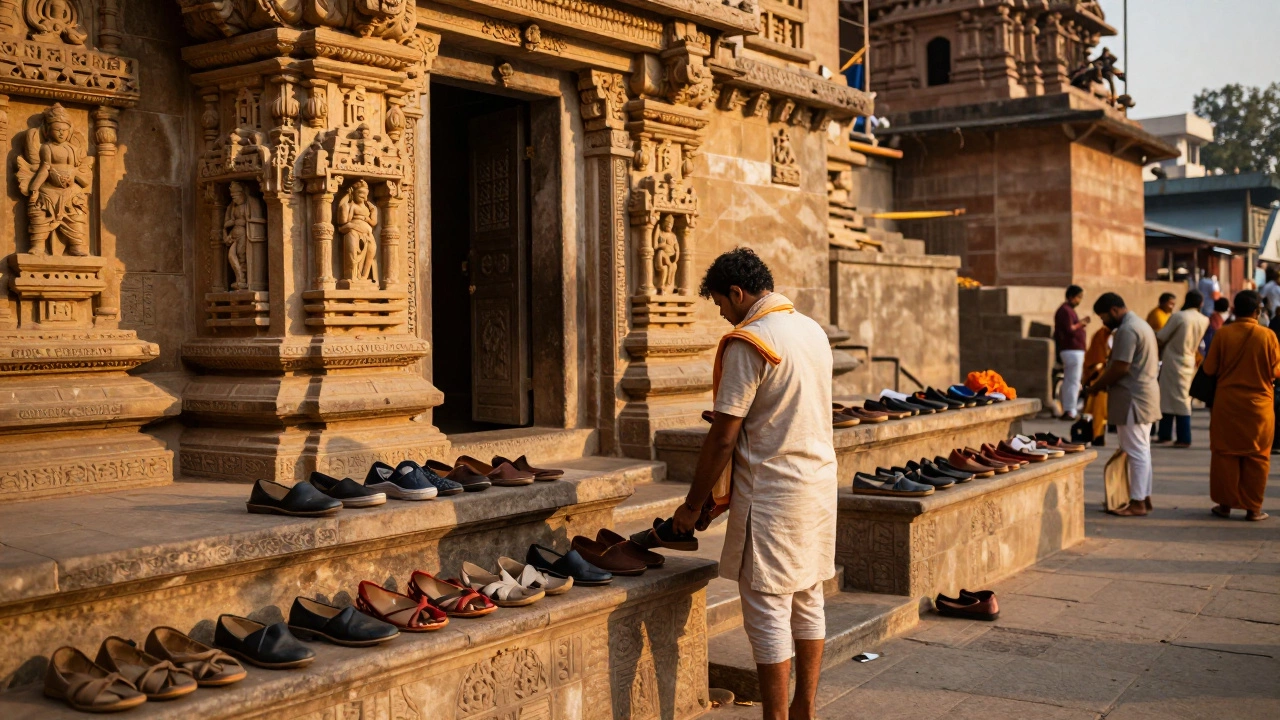
Leaving your shoes outside is one of the first things you’ll learn when entering a temple. Most Hindu temples require visitors to remove footwear before stepping onto the temple floor. This tradition dates back centuries and symbolizes purity and humility.
When you arrive, look for shoe racks or designated areas near the entrance. Slip off your shoes and place them neatly. Some temples offer lockers or paid storage services. If you’re wearing socks, keep them on-they’re acceptable in most places. However, avoid open-toed sandals if possible, as they can get dirty quickly.
Once inside, walk barefoot or in clean socks. Be aware that floors can be hot during the day, especially in southern states like Tamil Nadu and Kerala. Bring flip-flops to carry your shoes and wear them once you leave the temple area.
Behavior Inside the Temple Complex
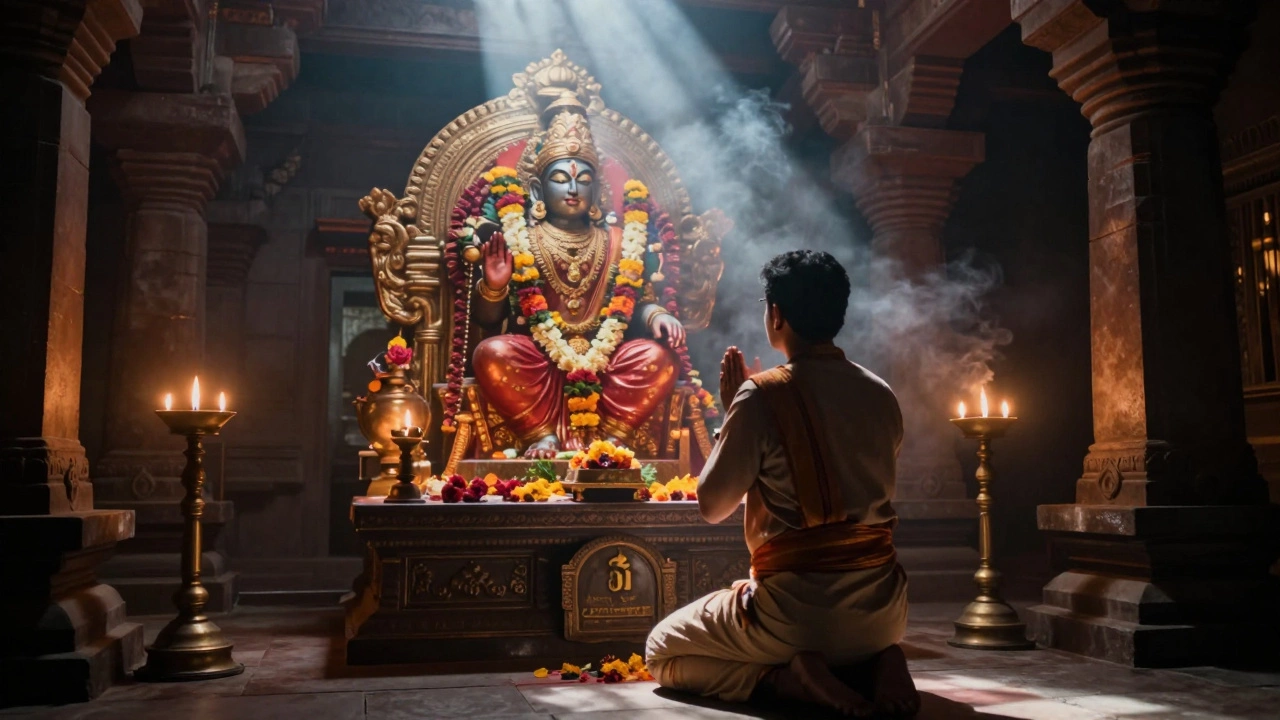
Temples are active places of worship, not museums. Visitors often forget this and behave casually, which can disrupt others’ prayers. Loud talking, laughing, or running around is discouraged. Keep your voice low and move slowly through the corridors.
Don’t point your feet toward the deity or altar. In Indian culture, pointing feet at something sacred is seen as disrespectful. Sit cross-legged or kneel when offered space. If you’re unsure how to sit, watch what others do-it’s easier than it sounds.
Also, avoid touching statues or idols unless invited to do so by a priest. These objects are treated with deep reverence, and physical contact without guidance can be offensive. Instead, observe quietly and absorb the atmosphere.
Food and Drink Restrictions
Eating or drinking inside the temple premises is generally prohibited. Even sipping water or chewing gum can be seen as disrespectful. Before entering, finish any snacks or beverages. Once inside, keep your hands free for prayer or offerings.
Some temples serve prasadam-blessed food given to devotees after rituals. Accepting prasadam is welcome, but only eat what’s provided within the temple grounds. Never bring outside food into the sanctuary. If you’re hungry, wait until you’ve left the temple area before eating again.
Hydration is still important, though. Carry a reusable bottle and refill it outside the temple. Stay hydrated, especially if you’re exploring multiple sites in one day.
Gifts and Offerings Done Right
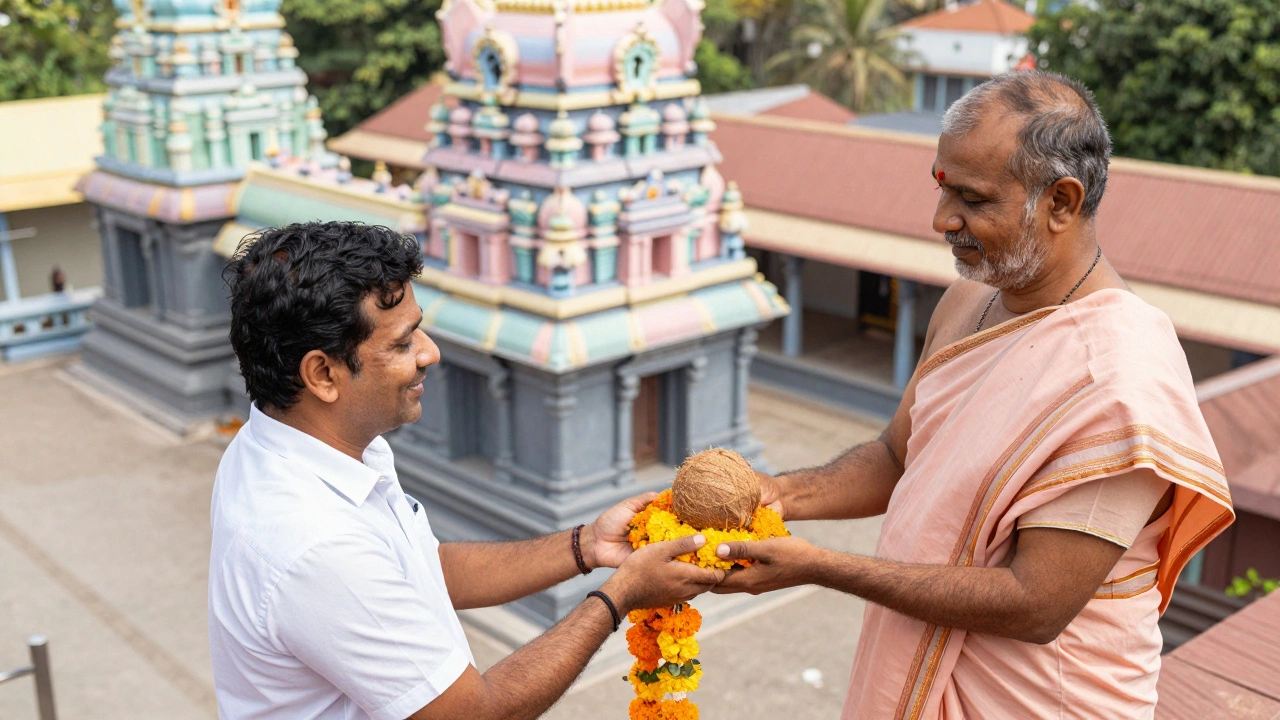
Making offerings is a meaningful way to connect with temple traditions. Flowers, fruits, coins, and incense sticks are commonly accepted. But here’s the catch: not all temples accept cash donations directly from tourists. Some prefer digital payments or specific donation boxes managed by trusted volunteers.
If you want to give money, check with temple staff first. They’ll guide you on proper procedures. Also, avoid giving personal items like jewelry or electronics as gifts. Stick to traditional offerings that align with local practices.
Flowers should be fresh and unwilted. Wilting flowers are sometimes viewed negatively, so pick vibrant blooms if you plan to offer them. Fruits like bananas, apples, and coconuts are popular choices. Coconuts are particularly symbolic-they represent breaking ego and surrendering to the divine.
Respecting Local Customs Beyond Dress
Beyond clothing and behavior, there are subtle customs worth knowing. For example, women in certain regions may be restricted from entering specific shrines during menstruation. While modern attitudes vary, it’s best to follow local guidelines rather than challenge them publicly.
Menstrual restrictions apply mainly to older-generation priests and conservative communities. Younger generations tend to be more flexible. Still, showing sensitivity goes a long way. If you’re unsure, ask discreetly or follow the lead of other female visitors.
Additionally, avoid discussing politics, religion, or controversial topics while inside the temple. Focus on appreciation and learning. Ask questions respectfully, preferably after leaving the main prayer hall.
| Action | Do | Don't |
|---|---|---|
| Dress | Cover shoulders & knees | Wear sleeveless tops or shorts |
| Footwear | Remove shoes at entrance | Walk barefoot in socks only if clean |
| Photography | Ask permission before shooting | Take flash photos near deities |
| Offerings | Give flowers, fruits, or coins | Bring outside food or drinks |
| Behavior | Speak softly, sit respectfully | Point feet at altars or run around |
Final Thoughts on Being a Thoughtful Visitor
Visiting temples in India is more than sightseeing-it’s an opportunity to engage with living traditions. By avoiding common pitfalls, you show respect for local beliefs and enhance your own experience. Remember, every gesture counts. Whether it’s removing your shoes, lowering your voice, or choosing appropriate attire, small actions create big impressions.
Next time you plan a temple tour, think ahead. Pack wisely, research basic customs, and stay curious. You’ll find that thoughtful travel opens doors-not just to beautiful buildings, but to deeper connections with the people and cultures you meet along the way.
Can I wear jeans to a temple in India?
Yes, you can wear jeans as long as they cover your knees. Avoid ripped or overly tight styles. Pair them with a modest top that covers your shoulders.
Is it okay to take selfies in temples?
Selfies are generally fine outside the temple complex. Inside, stick to non-flash photography and avoid posing near sacred areas. Ask permission if unsure.
What happens if I forget to remove my shoes?
Temple staff will politely remind you to take them off. There’s no penalty, but doing so immediately shows awareness and respect.
Are vegetarian meals available near temples?
Most temples serve vegetarian prasadam. Nearby eateries also cater to vegetarians due to religious dietary preferences. Non-veg options are rare close to temple entrances.
How early should I arrive for morning rituals?
Arrive 15-30 minutes before sunrise for major festivals or daily pujas. Popular temples fill up fast, especially during peak seasons like Diwali or Navratri.