Find Your Perfect Adventure Destination in India
Not sure where to go? Select your preferred thrill below to get a personalized recommendation based on the ultimate adventure guide.
India is not just a land of ancient temples and bustling markets. It is a playground for adrenaline junkies who crave the rush of free-falling from the sky or diving into crystal-clear waters. But if you ask ten different travelers where to go, you’ll get ten different answers. That’s because "best" depends entirely on what kind of thrill you are chasing.
Are you looking to conquer snow-capped peaks? Do you want to surf massive waves? Or maybe you prefer the quiet intensity of white-water rafting through narrow gorges? The geography of India is so diverse that it offers world-class conditions for almost every major adventure sport. This guide cuts through the noise to help you pinpoint the exact location that matches your risk appetite and skill level.
The Sky-High Rush: Paragliding and Hang Gliding
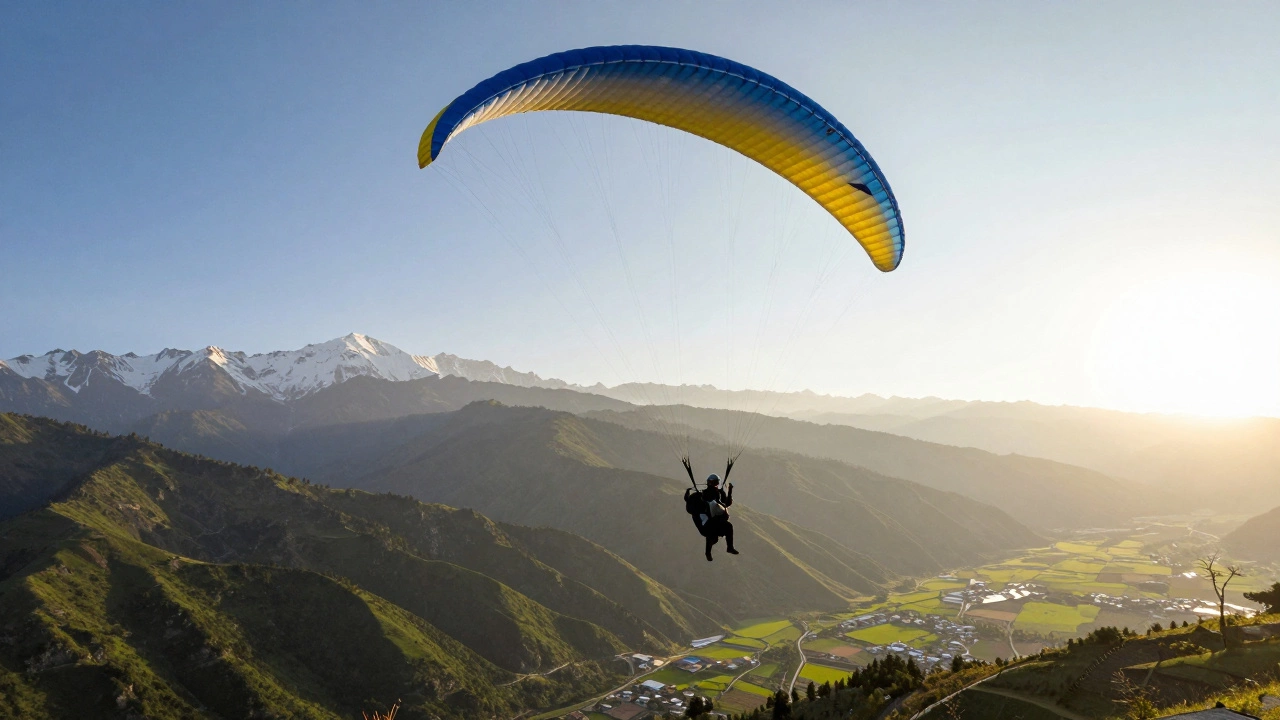
If you have ever dreamed of flying like a bird, Bir Billing in Himachal Pradesh is non-negotiable. Located at an altitude of over 8,000 feet, this village sits right next to the world’s highest paragliding site. The thermal currents here are consistent and powerful, allowing tandem flights to last up to forty minutes. You aren’t just gliding; you are soaring above the Dhauladhar mountain range with views that stretch all the way to the plains of Punjab.
While Bir Billing is the heavyweight champion, don’t overlook Auli in Uttarakhand. Auli is famous for skiing in winter, but in the summer months, it transforms into a hang-gliding hotspot. The slopes provide perfect takeoff points, and the backdrop of Nanda Devi gives you a sense of scale that few other places can match. For beginners, Bir Billing offers more structured training schools and certified instructors, making it safer for your first jump. Auli, however, offers a more rugged, less crowded experience for those who already know their way around a harness.
| Location | Primary Activity | Best Season | Skill Level | Key Feature |
|---|---|---|---|---|
| Bir Billing | Paragliding | March - June, Sept - Nov | Beginner to Expert | World-record altitudes, high traffic |
| Auli | Hang Gliding | April - June | Intermediate | Mountain slope takeoffs, scenic views |
| Coorg | Paragliding | Oct - Feb | Beginner | Lush green valleys, cooler climate |
Deep Blue: Scuba Diving and Snorkeling
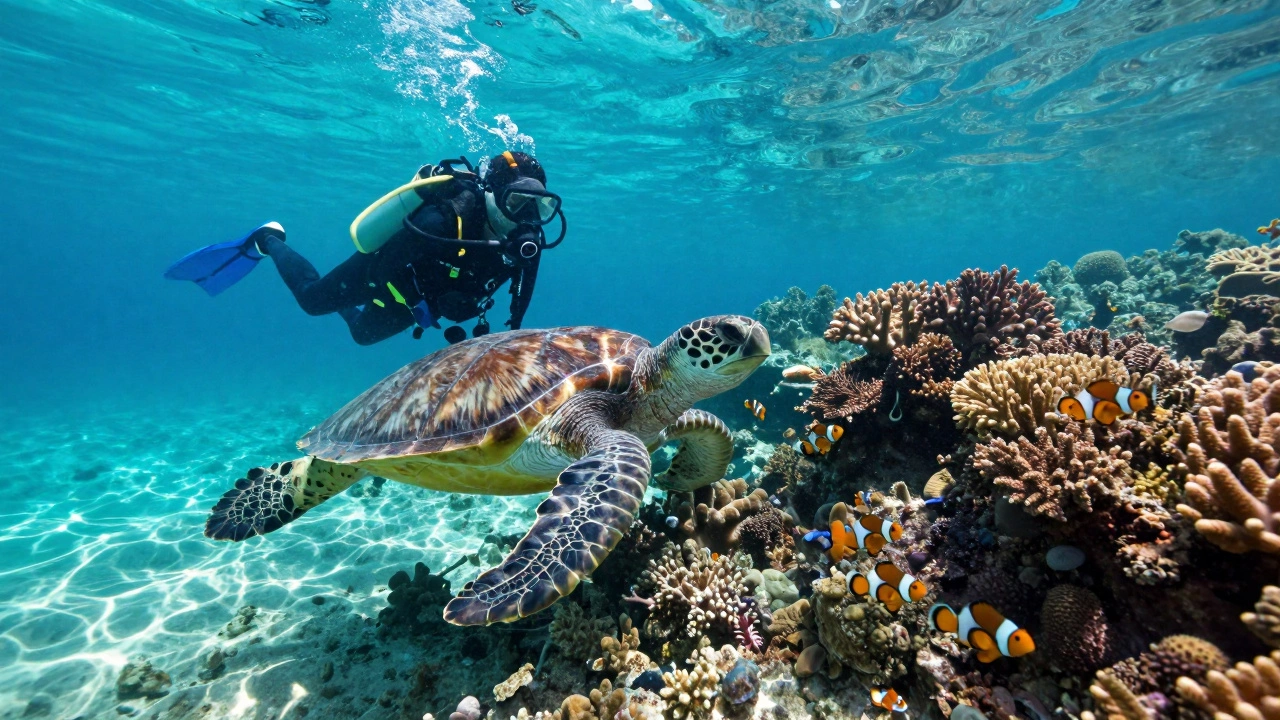
When people think of India, they rarely think of underwater adventures. That changes the moment you reach the Andaman and Nicobar Islands. Specifically, Havelock Island (Swaraj Dweep) and Neil Island offer some of the cleanest coral reefs in the Indian Ocean. The visibility here can exceed thirty meters, which is exceptional for tropical waters. You will swim alongside sea turtles, clownfish, and even reef sharks without feeling threatened.
For a different flavor of diving, head to Lakshadweep. Unlike the volcanic origins of the Andamans, Lakshadweep consists of coral atolls. The water is shallower but incredibly vibrant with marine life. It is less developed than the Andamans, meaning fewer crowds and a more pristine environment. However, access is stricter; you need prior permission from the government, which adds a layer of planning complexity. If you value ease of access and established dive centers, stick with the Andamans. If you prioritize exclusivity and raw nature, Lakshadweep is worth the bureaucratic hassle.
The Mountain Challenge: Trekking and Mountaineering
Trekking in India ranges from easy day hikes to expedition-level climbs. For most adventure seekers, the sweet spot lies in the Himalayas, particularly in Uttarakhand and Himachal Pradesh. The Valley of Flowers National Park is a UNESCO World Heritage Site that offers a moderate trek through alpine meadows bursting with color during the monsoon season. It is physically demanding due to the altitude but technically straightforward.
If you want something harder, look at the Hampta Pass trek in Himachal. This route takes you from the lush green valleys of Kullu to the arid, desert-like landscapes of Lahaul-Spiti in just four days. The contrast in terrain is shocking and beautiful. For those with mountaineering experience, Stok Kangri in Ladakh offers a summit above 20,000 feet. It requires acclimatization and proper gear, but the view from the top-looking down on the Zanskar River-is a reward that stays with you forever.
River Rapids: White-Water Rafting and Kayaking
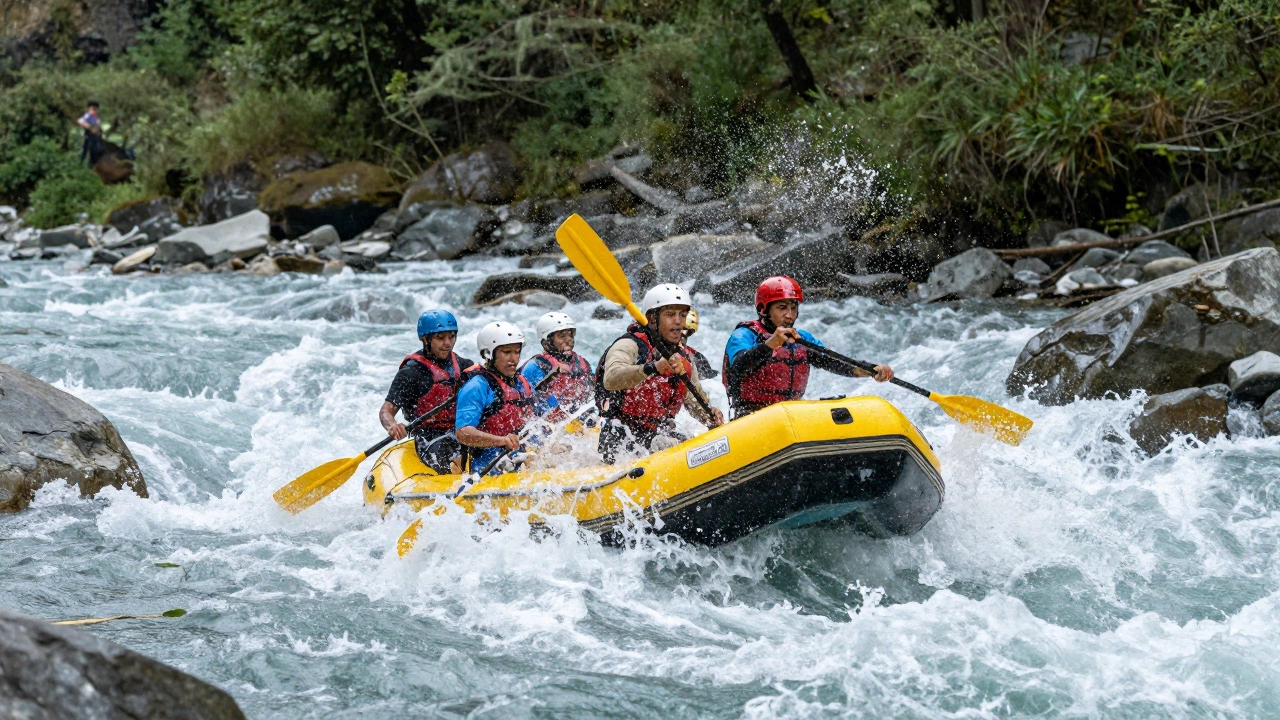
Rafting is about teamwork as much as it is about adrenaline. The Beas River near Manali in Himachal Pradesh is the most popular rafting destination in India. It offers Grade II to Grade IV rapids, which means it is exciting enough to feel dangerous but safe enough for beginners with a good guide. The stretch between Kullu and Manali provides continuous action with splashes that will soak you to the bone.
For a more intense experience, try the Zanskar River in Ladakh. Known as the "River of Death," it is one of the most challenging rafting routes in the world. The water is icy cold, coming directly from glaciers, and the rapids are unpredictable. This is not for tourists looking for a fun weekend activity; it is for seasoned adventurers who understand the risks. Alternatively, the Kali River in Rishikesh offers a balanced mix of culture and adventure. After your rafting session, you can visit the yoga ashrams nearby, combining physical exertion with spiritual calm.
Windsurfing and Water Sports
Mumbai might be known for its traffic, but its backwaters in Alibaug and Murud-Janjira are becoming hubs for windsurfing and kitesurfing. The wind patterns along the Konkan coast are consistent, especially during the winter months. Unlike the ocean, these semi-enclosed bays offer calmer waters that are easier to learn on. You don’t need to be a professional athlete to enjoy this; basic swimming skills and a willingness to fall off the board multiple times are usually enough.
Goa, traditionally a party destination, has evolved into a serious water sports center. Beyond the typical jet-ski rides, you can find kiteboarding schools in North Goa that offer certified courses. The advantage of Goa is infrastructure. You can book a lesson, eat at a great restaurant, and stay in a boutique hotel all within the same town. In places like Ladakh or the Andamans, logistics can be a struggle. If you want adventure wrapped in comfort, Goa is your best bet.
Desert Adventures: Camping and Jeep Safaris
Adventure isn’t always about speed or height. Sometimes it is about endurance and silence. The Thar Desert in Rajasthan offers unique experiences like camel safaris and overnight camping under the stars. Pushkar and Jaisalmer are the gateways to these trips. Imagine sleeping in a tent while listening to folk music played on traditional instruments, with temperatures dropping significantly after sunset. It is a stark contrast to the humid heat of the day.
For a more mechanical thrill, rent a jeep for a safari in the Ranthambore National Park or the Gir Forest. While this is often categorized as wildlife tourism, driving through rugged terrain in search of tigers or lions requires focus and patience. The roads inside these reserves are unpaved and rough, turning a simple drive into an off-roading challenge. Just remember to follow park rules strictly; your safety and the animals’ well-being depend on it.
How to Choose Your Destination
Selecting the right place depends on three factors: time of year, fitness level, and budget. The Himalayas are best visited between April and June or September and November. Monsoons bring landslides, and winters bring extreme cold and closed passes. The Andamans are ideal from November to May; the southwest monsoon makes sea travel difficult and dangerous. Rajasthan is pleasant in winter but unbearable in summer.
Consider your fitness honestly. Trekking in Ladakh requires cardiovascular strength and the ability to handle high-altitude sickness. Rafting in Manali needs core strength and coordination. If you are new to adventure sports, start with guided tours in established locations like Bir Billing or Rishikesh. They have robust safety protocols and experienced staff. As you gain confidence, you can explore more remote areas like Spiti Valley or the deeper parts of the Andaman archipelago.
Budget-wise, Goa and Kerala offer affordable options with plenty of mid-range accommodations. Ladakh and the Andamans tend to be more expensive due to transportation costs and limited supply. Always factor in insurance. Many standard travel policies exclude high-risk activities like paragliding or scuba diving. Check your policy details before you book your trip.
Safety First: Essential Tips
Never underestimate the power of nature. Weather in the mountains can change in minutes. Carry extra layers, even in summer. In water sports, always wear a life jacket and listen to your instructor’s commands. Do not attempt any activity if you are unsure about your physical condition or if the equipment looks worn out. Reputable operators maintain their gear rigorously. If you notice frayed ropes or cracked helmets, walk away.
Respect local regulations. Some areas are protected ecologically or militarily. Permits are required for certain treks and islands. Ignoring these rules can lead to fines or expulsion. Hire local guides who know the terrain. They not only enhance your experience by sharing stories and insights but also ensure you stay on safe paths. Their knowledge can save lives in emergencies.
What is the best time for adventure sports in India?
The general best time is October to March for most regions. However, specific activities vary. Paragliding in Bir Billing is best from March to June. Scuba diving in the Andamans is ideal from November to May. Avoid the monsoon season (July-August) for trekking and rafting due to landslide and flood risks.
Is paragliding in Bir Billing safe for beginners?
Yes, Bir Billing is one of the safest places for tandem paragliding. Certified instructors fly with you, controlling the entire flight. Ensure the operator is affiliated with recognized bodies like the Federation of Indian Paragliding Associations (FIPA). Always check reviews and verify instructor credentials before booking.
Do I need certification for scuba diving in India?
For introductory dives, no certification is needed; you just need a briefing. However, for independent diving, you should get PADI or NAUI certified. Most dive centers in Havelock Island and Lakshadweep offer open-water certification courses that take three to four days. This allows you to dive anywhere in the world afterward.
Which place is best for white-water rafting?
Rishikesh on the Ganges and Manali on the Beas River are the top choices for beginners and intermediates. They offer Grades II to IV rapids. For experts seeking extreme challenges, the Zanskar River in Ladakh offers Grade V+ rapids but requires significant experience and proper equipment.
Can I do adventure sports in India during the monsoon?
Generally, no. Monsoons make trekking trails slippery and prone to landslides. River levels rise dangerously, closing rafting operations. Sea travel in the Andamans becomes hazardous. The only exception might be indoor rock climbing gyms in cities like Mumbai or Bangalore, but outdoor activities are largely suspended.