India Travel Profile Matcher
Answer three quick questions to discover which part of India aligns best with your travel style.
You’ve seen the photos. The golden spires of the Taj Mahal reflecting in a still pool, the chaotic vibrancy of a Mumbai street market, or the serene silence of a Himalayan monastery. But pictures don’t capture the smell of incense, the taste of spicy chai, or the overwhelming warmth of an Indian host. If you’re wondering what actually pulls millions of travelers to this subcontinent every year, it’s not just one thing. It’s a collision of sensory extremes that few other places on Earth can replicate.
The Spiritual Pull: Beyond Religion
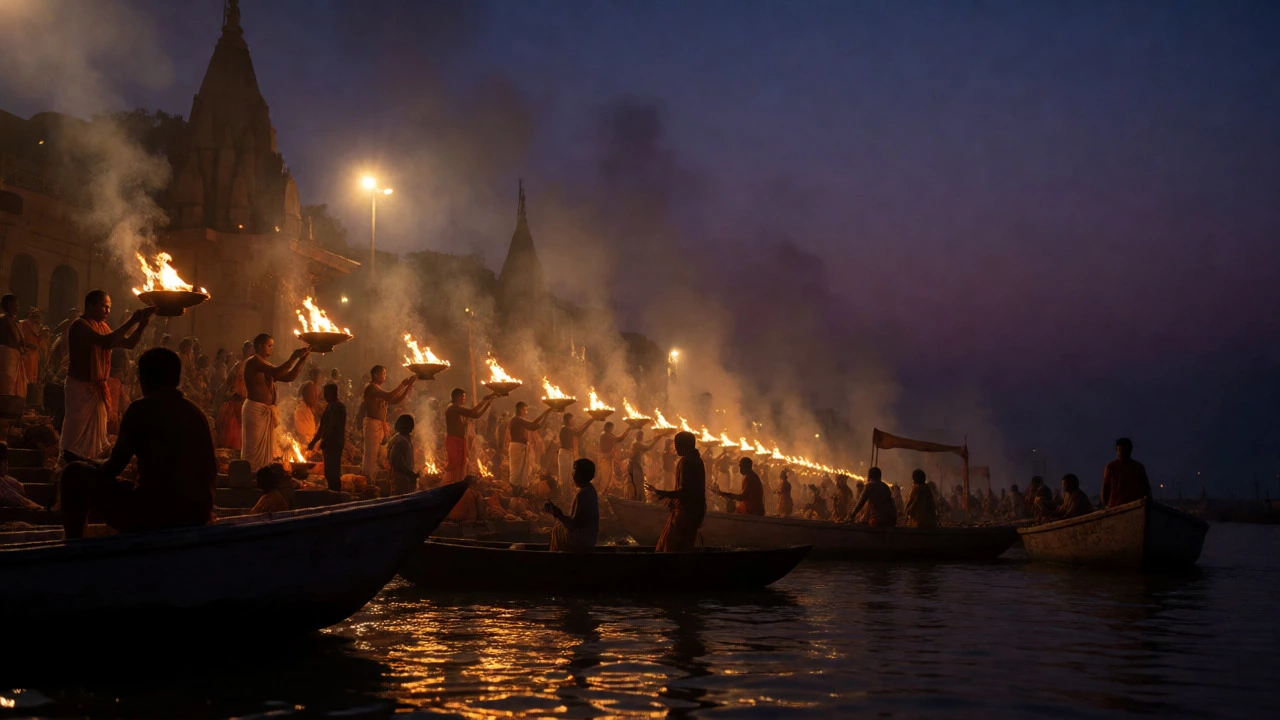
For many, India is synonymous with spirituality. This isn’t just about visiting temples; it’s about witnessing living faith. In Varanasi, one of the oldest continuously inhabited cities in the world, the Ganges River isn’t just water-it’s a deity. Watching the evening Ganga Aarti ceremony, where priests wave fire lamps while chanting mantras, creates a trance-like atmosphere that stays with you long after you leave. You don’t have to be Hindu to feel the power of it.
Northern India offers more than just Varanasi. Rishikesh, known as the "Yoga Capital of the World," attracts people looking to reset their minds and bodies. Here, you can join morning yoga sessions by the river before breakfast, something that has become a staple for digital nomads and wellness seekers alike. Further south, the town of Tiruvannamalai draws thousands for its connection to Ramana Maharshi, offering silent meditation circles that require no prior experience. These aren’t tourist traps designed for quick cash grabs; they are authentic practices embedded in daily life.
- Varanasi: Witnessing cremation ghats and the Ganga Aarti.
- Rishikesh: Yoga retreats and Ayurvedic treatments.
- Amritsar: Visiting the Golden Temple and experiencing community kitchens (Langar).
- Dharamshala: Tibetan Buddhist culture and Dalai Lama teachings.
Culinary Chaos: Eating Your Way Through Regions
If there is one universal language in India, it’s food. And it’s not monolithic. The stereotype of "curry" does a massive disservice to the culinary landscape. In Kerala, coconut milk and black pepper define the flavor profile. In Punjab, it’s butter, cream, and tandoori heat. In Bengal, mustard oil rules the kitchen. Food tours have exploded in popularity because eating at random restaurants can be risky for unprepared stomachs, but guided tastings let you sample safely.
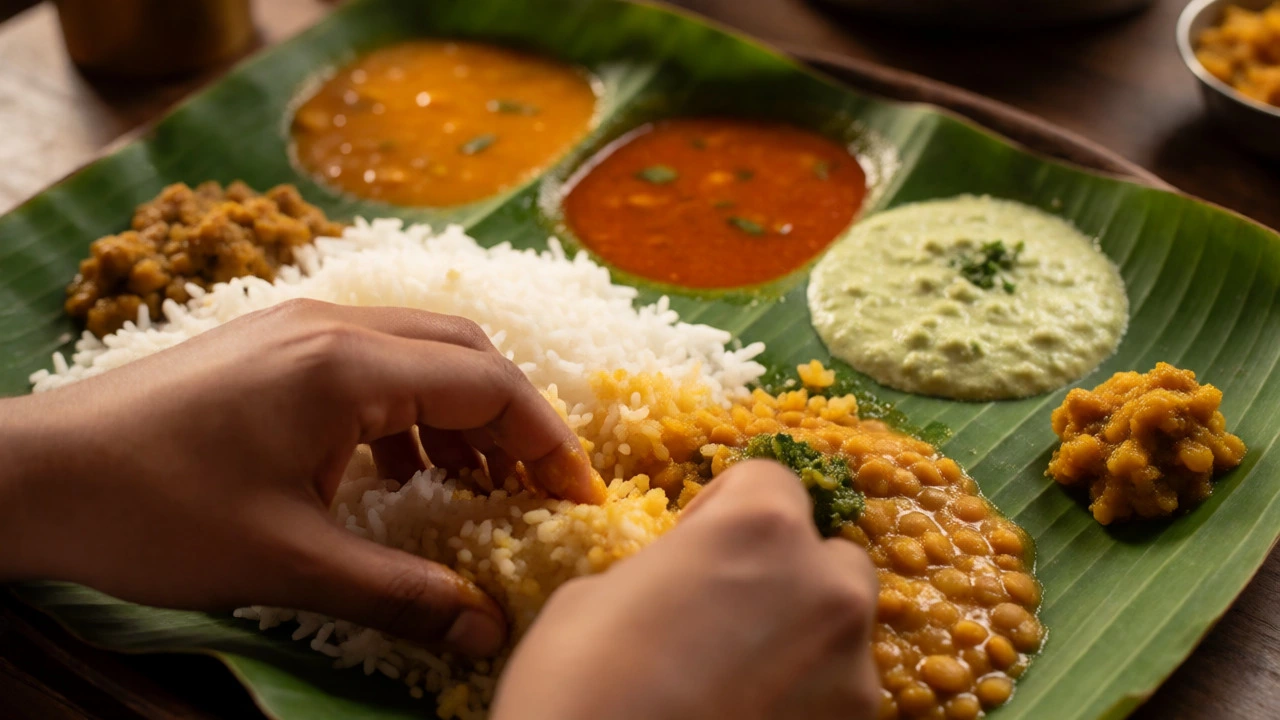
Consider the difference between a thali in Jaipur versus one in Chennai. A Rajasthani thali might feature dal baati churma-hard wheat rolls baked in clay ovens, served with ghee and lentils. Meanwhile, a South Indian thali centers around rice, sambar, and rasam, often eaten with your hands to better mix the textures. Street food is another major draw. Sampling vada pav in Mumbai or chaat in Delhi isn’t just snacking; it’s participating in a centuries-old tradition of street commerce. Just remember the golden rule: eat where the locals queue up, and avoid raw salads if you’re sensitive to water quality.
| Region | Signature Dish | Key Ingredients | Best City to Try |
|---|---|---|---|
| North India | Butter Chicken | Tomato, cream, spices | Delhi |
| South India | Masala Dosa | Fermented rice batter, potato filling | Bengaluru |
| East India | Hyderabadi Biryani | Basmati rice, saffron, meat | Hyderabad |
| West India | Pav Bhaji | Mashed vegetables, buttered buns | Mumbai |
Architectural Marvels: Stone That Tells Stories
India holds 42 UNESCO World Heritage Sites, more than any other country in Asia. But these aren’t dusty museums behind glass ropes. They are active parts of the landscape. The forts of Rajasthan, like Amber Fort in Jaipur, were built into hillsides using red sandstone and marble. Walking through them, you can trace the military strategies of Mughal emperors who ruled from the 16th to the 19th century.
Down south, the temple complexes of Tamil Nadu offer a different aesthetic. The Meenakshi Temple in Madurai is covered in colorful sculptures depicting gods, demons, and mythical creatures. Unlike the stark white marble of the north, these structures are vibrant, almost cartoonish in their detail, yet deeply sacred. Climbing the gopurams (tower gates) gives you a bird’s-eye view of the city’s layout, which has remained largely unchanged for centuries. For history buffs, these sites provide a tangible link to dynasties that shaped modern South Asia.
Wildlife Encounters: Tigers and Elephants
People often forget that India is one of the best places on Earth for wildlife safaris. Jim Corbett National Park, established in 1936, is the oldest national park in India and a prime spot for spotting the elusive Royal Bengal Tiger. Seeing a tiger in the wild is rare luck, but even without a sighting, the ecosystem is breathtaking. The park supports over 50 species of mammals, including elephants, leopards, and sloth bears.
In Kerala, Periyar Wildlife Sanctuary offers boat safaris across a lake formed by a dam. From the safety of the boat, you can watch herds of Asian elephants descend to the water’s edge to drink. It’s peaceful, scenic, and far less intense than a jeep safari in dense forest. For birdwatchers, Bharatpur Bird Sanctuary in Rajasthan hosts migratory birds from Siberia and Central Asia during winter months. Flamingos, pelicans, and cranes turn the wetlands into a pink and white spectacle.
Festivals: When Culture Becomes Celebration
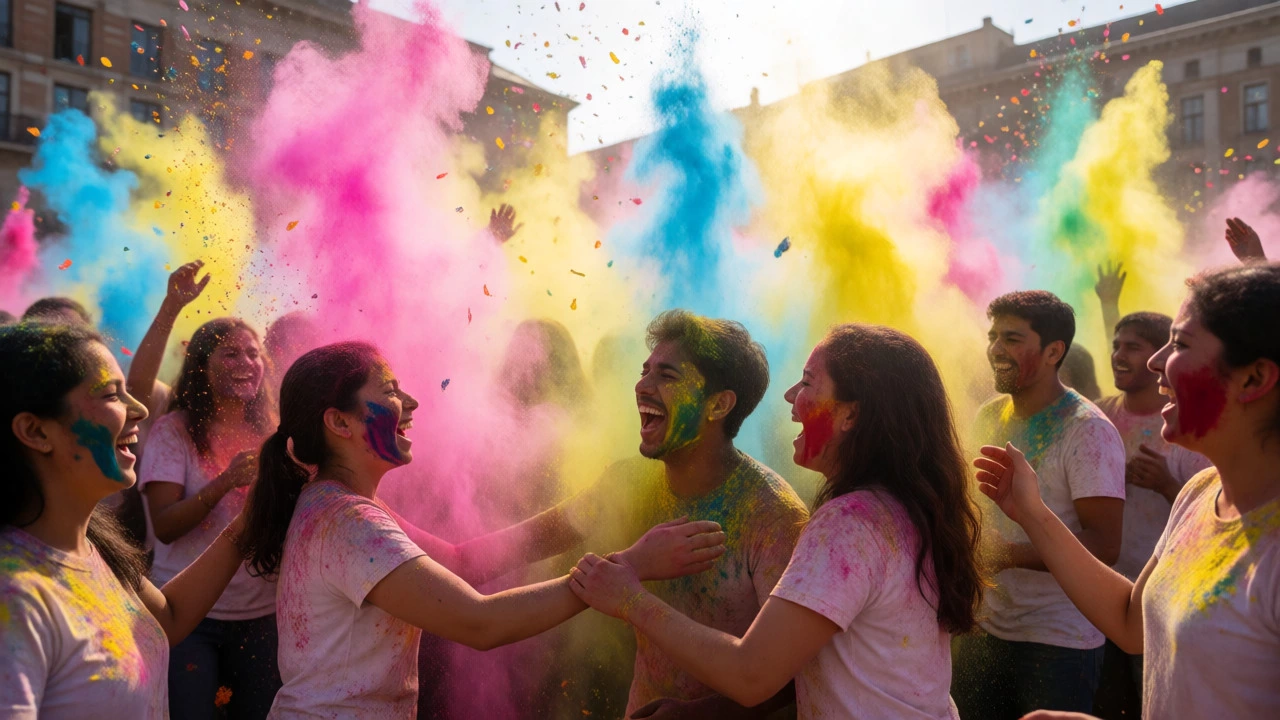
Timing your trip around a festival changes everything. Diwali, the Festival of Lights, transforms entire cities into glowing canvases. Homes light oil lamps, fireworks explode overhead, and shops stay open late selling sweets and new clothes. Holi, the Festival of Colors, is pure chaos in the best way possible. Strangers smear colored powder on each other, music blasts from speakers, and social barriers dissolve for a day.
Not all festivals are religious. Pushkar Camel Fair in Rajasthan combines livestock trading with religious pilgrimage. Thousands of camels are decorated with jewelry and painted horns, parading through the desert. It’s a photographer’s dream and a cultural immersion that feels straight out of a storybook. Planning your itinerary around these dates requires early booking, as hotels fill up months in advance, but the payoff is unmatched access to local traditions.
Ayurveda and Wellness Retreats
Wellness tourism is booming, and India is its birthplace. Ayurveda, a traditional medicine system dating back 3,000 years, focuses on balancing body, mind, and spirit. Kerala is the hub for authentic Ayurvedic treatments. Unlike spa massages in the West, Ayurvedic therapy involves warm herbal oils poured over specific body parts according to your dosha (body type). Treatments can last 7 to 21 days, requiring a strict diet and lifestyle change.
These retreats aren’t just for healing ailments; they’re popular for stress relief among urban professionals. Many centers offer packages that include yoga, meditation, and organic vegetarian meals. The holistic approach appeals to travelers seeking a detox from digital overload. While costs vary, a week-long treatment in Kerala can range from $500 to $2,000 depending on the luxury level of the resort.
Is India safe for solo female travelers?
Yes, but it requires awareness. Major tourist circuits like Rajasthan and Kerala are generally safe. Stick to reputable accommodations, use ride-sharing apps instead of hailing random taxis, and dress modestly to respect local norms. Avoid walking alone late at night in unfamiliar areas.
Do I need vaccinations before traveling to India?
Consult your doctor, but common recommendations include Hepatitis A and B, Typhoid, and Tetanus. Depending on your itinerary, Japanese Encephalitis or Rabies vaccines might be suggested. Always carry a basic medical kit and bottled water.
What is the best time of year to visit India?
October to March is ideal for most regions, offering cooler, dry weather. Northern India gets very cold in December and January, so pack layers. Summer (April-June) is extremely hot, especially in the plains, making it suitable only for hill stations like Shimla or Manali.
How do I handle bargaining in markets?
Bargaining is expected in street markets but not in malls or fixed-price stores. Start by offering 50-60% of the initial price. Stay friendly and willing to walk away if the price doesn’t drop. Small talk helps build rapport and often leads to better deals.
Is English widely spoken in India?
Yes, English is an official language and widely used in business, education, and tourism. In major cities and tourist hubs, you’ll rarely face a language barrier. In rural areas, Hindi or regional languages dominate, but gestures and basic phrases go a long way.