South India Travel Planner
Create Your Personalized South India Itinerary
Answer a few questions to get tailored recommendations for your South India trip.
When you think of India, you might picture the Taj Mahal or the busy streets of Delhi. But if you head south, the vibe shifts completely. The air smells like spices and coconut, the temples tower higher, and the food tastes like nothing you have had before. South India is a diverse region comprising six states and one union territory known for its distinct culture, Dravidian architecture, and tropical landscapes. It is not just a place on a map; it is a collection of experiences that define the subcontinent’s southern identity.
Many travelers ask what makes this region stand out from the rest of the country. It is not just one thing. It is the way the history is carved into stone, the way the food is prepared with ghee and curry leaves, and the way the ocean meets the land. Whether you are planning a trip or just curious about the geography, understanding these key pillars helps you see why millions flock here every year.
The Unique South Indian Cuisine
You cannot talk about this region without starting with the food. It is arguably the most famous aspect for anyone who has visited. Unlike the wheat-based diets of the north, South Indian cuisine is a culinary tradition centered on rice, lentils, coconut, and spicy chutneys. The staple diet revolves around rice, which grows abundantly in the fertile deltas of the Kaveri and Godavari rivers.
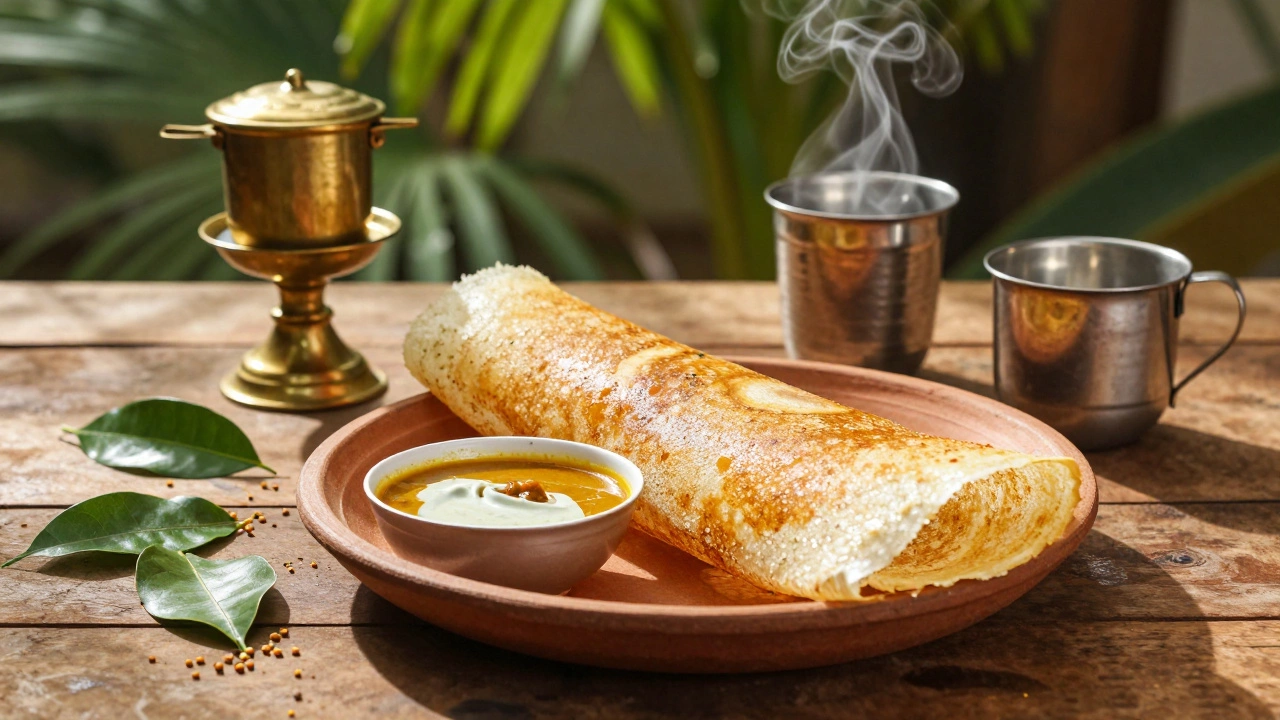
Breakfast here is an event. You will find Dosa is a crispy fermented crepe made from rice and black gram batter, often served with sambar and chutney. It is a staple across the region, but the texture varies from state to state. In Kerala, you might eat Appam, a bowl-shaped pancake made from fermented rice batter and coconut milk. It pairs perfectly with stew. Then there is the coffee. South Indian filter coffee is strong, sweet, and frothy. It is brewed using a traditional brass filter and served in a steel tumbler and davara. The aroma alone can wake you up faster than any alarm clock.
Spices are the soul of the cooking. The Malabar Coast was historically a hub for the spice trade. Pepper, cardamom, and cinnamon are not just ingredients; they are part of the local economy and heritage. A meal is rarely complete without a side of coconut chutney or a spicy pickle. The use of curry leaves, mustard seeds, and asafoetida in tempering (tadka) gives the dishes a distinct flavor profile that is hard to replicate elsewhere.
Dravidian Temple Architecture
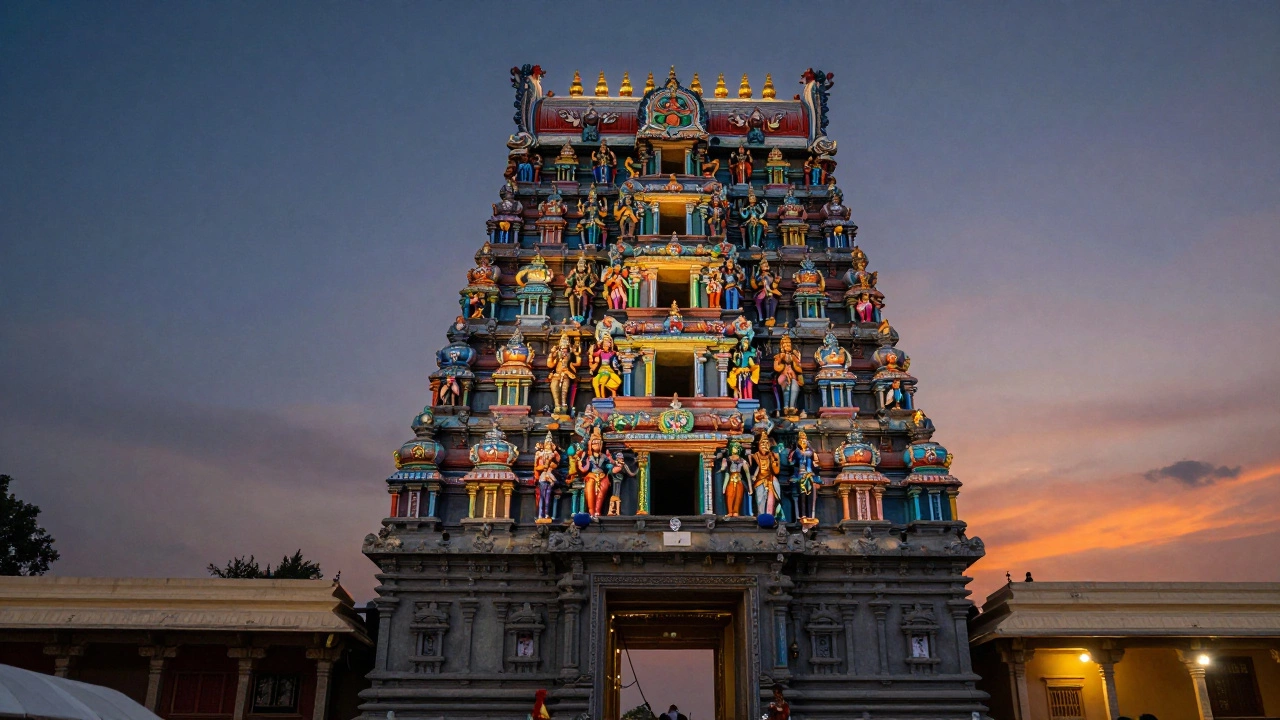
Walk through any major city in this region, and you will see towering structures that dominate the skyline. Dravidian architecture is a style of temple construction characterized by pyramidal towers called gopurams and intricate stone carvings. This style is exclusive to the southern part of the country and dates back over a thousand years.
The Meenakshi Temple in Madurai is a historic Hindu temple dedicated to the goddess Meenakshi, known for its colorful gopurams and daily rituals. It is a masterpiece of this architectural style. The towers are covered in thousands of brightly painted sculptures depicting gods, demons, and mythical creatures. It is not just a place of worship; it is an open-air museum of stone art.
In Tamil Nadu, the Brihadeeswarar Temple in Thanjavur is a UNESCO World Heritage site built in the 11th century by the Chola dynasty, famous for its massive vimana tower. The main tower is made of granite and stands over 66 meters tall. The sheer engineering skill required to lift the massive stone blocks to that height is still studied by engineers today. These temples are often surrounded by marketplaces and host grand festivals that draw thousands of devotees.
Backwaters and Coastal Beauty
While the temples are man-made wonders, the natural landscape is equally stunning. Kerala Backwaters are a network of brackish lagoons, lakes, and canals parallel to the Arabian Sea coast, popular for houseboat tourism. Located in the state of Kerala, this system is one of the largest in the world. It offers a slow-paced way to travel, allowing you to see villages, paddy fields, and coconut groves from the water.
Houseboats, known as Kettuvallams, are the traditional way to explore these waters. They are made from natural materials like coconut wood and bamboo. You can spend days floating through the canals, eating fresh fish curry, and watching the sunset reflect on the calm water. It is a stark contrast to the bustling city life found in Bangalore or Chennai.
The beaches here are also world-class. Varkala Beach in Kerala is a scenic beach located on a laterite cliff, offering views of the Arabian Sea and a popular spot for yoga and relaxation. Unlike the sandy beaches of Goa, Varkala has cliffs that rise above the water. This gives you a unique vantage point to watch the waves crash below. The Maldives are often compared to Kerala, but the backwaters offer a freshwater experience that is entirely different from the ocean.
Classical Arts and Dance Forms
Culture in this region is not just about history; it is alive and performing every day. Bharatanatyam is a classical Indian dance form originating in Tamil Nadu, characterized by precise footwork and expressive hand gestures. It is one of the oldest dance forms in India, with roots tracing back to ancient temple traditions. You can see performances in temples, cultural centers, and even on television.
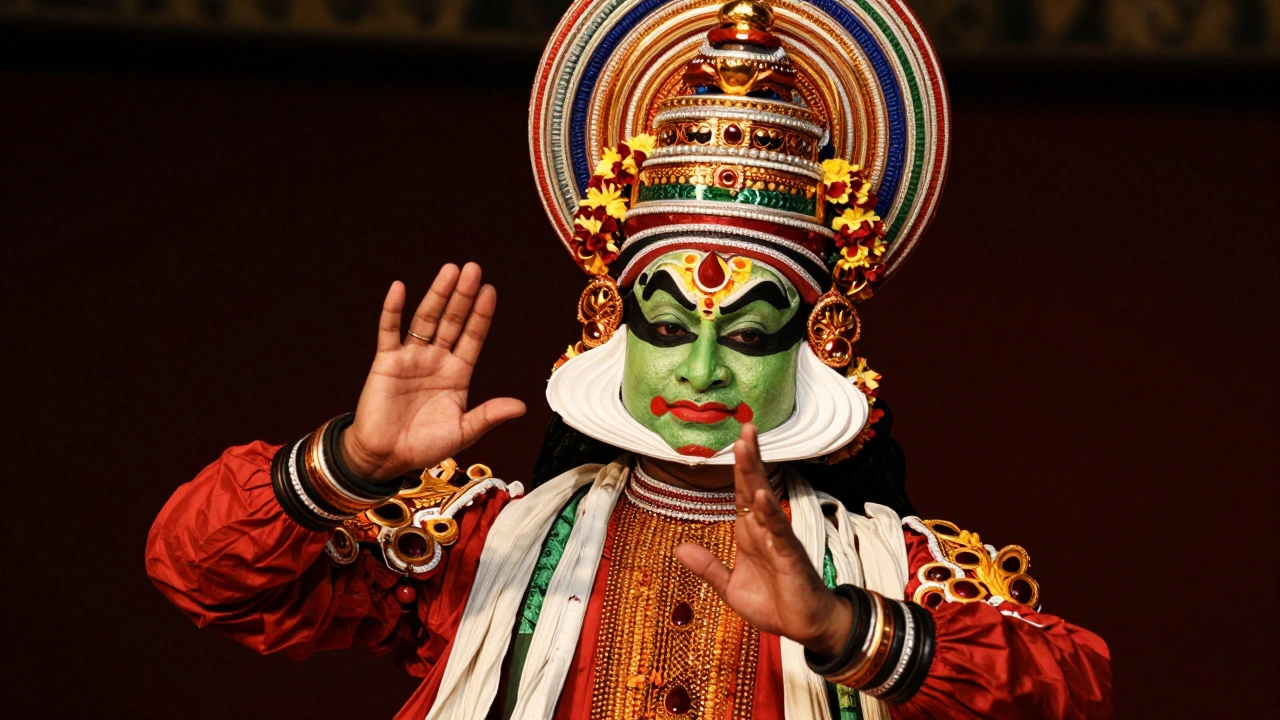
In Kerala, you have Kathakali is a classical dance-drama from Kerala known for its elaborate makeup, colorful costumes, and storytelling through facial expressions. The makeup alone takes hours to apply. The performers wear heavy masks and costumes to portray characters from epics like the Mahabharata and Ramayana. The story is told without words, using only gestures and expressions. It is a hypnotic experience for any audience.
Music is equally rich. Carnatic music is the classical tradition of the south. It is devotional in nature and often performed in concerts at temples or music academies. The instruments used include the Veena, Mridangam, and Flute. The complexity of the ragas and talas (rhythmic cycles) is immense. Local festivals often feature these performances, making culture accessible to everyone, not just the elite.
Historical Sites and Heritage
History here is not just in books; it is in the ruins you can walk through. Hampi is the ruins of the Vijayanagara Empire capital in Karnataka, a UNESCO World Heritage site known for its boulder-strewn landscape and ancient temples. It was once one of the richest and largest cities in the world. Now, it is a quiet place where you can cycle through stone ruins and see elephants wandering freely.
The Vijayanagara Empire was a South Indian kingdom that ruled from the 14th to the 17th century, leaving behind a legacy of art, architecture, and administration. The Vittala Temple in Hampi is famous for its stone chariot and musical pillars. When you strike the pillars, they produce musical notes. It shows the scientific knowledge the artisans possessed centuries ago.
In Karnataka, the Badami Cave Temples are a group of rock-cut cave temples from the 6th century, dedicated to Hindu and Jain deities, carved into red sandstone cliffs. These caves show the transition from early rock-cut architecture to structural temples. The paintings inside are vibrant and well-preserved, offering a glimpse into the artistic style of that era.
Wildlife and Nature Conservation
The region is not just about cities and temples. It is also home to some of the best wildlife sanctuaries in India. Western Ghats is a mountain range running parallel to the western coast of India, recognized as a biodiversity hotspot with high levels of endemism. This mountain range acts as a barrier that influences the climate and supports diverse ecosystems.
Periyar National Park in Kerala is a wildlife sanctuary known for its population of Indian elephants, tigers, and diverse bird species, situated around a freshwater lake. You can take a boat ride on the lake to spot animals coming to drink water. The dense forest cover makes it a prime location for trekking and nature walks.
In Karnataka, Nagarhole National Park is a tiger reserve and wildlife sanctuary known for its high density of tigers, leopards, and elephants in a dry deciduous forest. The landscape here is different from the lush green of Kerala. It is drier and more open, making wildlife sightings easier. The region is also home to the Nilgiri Tahr, an endangered mountain goat found only in the Western Ghats.
Festivals and Celebrations
Life here is punctuated by festivals that are vibrant and deeply rooted in tradition. Onam is a harvest festival celebrated in Kerala with flower carpets, boat races, and traditional feasts, marking the homecoming of the mythical King Mahabali. It happens in August or September. The entire state comes alive with decorations. The Onam Sadya is a feast served on a banana leaf with over 20 dishes.
Pongal is a four-day harvest festival celebrated in Tamil Nadu, dedicated to the Sun God, involving the cooking of rice in a new pot. It is usually in January. Families clean their homes and decorate them with Kolam, which are intricate patterns made from rice flour outside the house. It is a time of gratitude for the harvest.
These festivals are not just religious; they are social events. Neighbors come together, music is played, and traditional games are organized. It is the best time to experience the local hospitality. You will be invited to eat, dance, and celebrate. It breaks down barriers between strangers.
Comparison of Key South Indian States
To help you understand the differences, here is a quick look at the major states and what they are known for.
| State | Capital | Key Attraction | Specialty Food |
|---|---|---|---|
| Kerala | Thiruvananthapuram | Backwaters | Appam & Stew |
| Tamil Nadu | Chennai | Meenakshi Temple | Filter Coffee |
| Karnataka | Bengaluru | Hampi Ruins | Bisi Bele Bath |
| Andhra Pradesh | Amaravati | Araku Valley | Gongura Pachadi |
Why Visit Now?
The region is constantly evolving. Infrastructure is improving, making travel easier. Highways connect the major cities, and domestic flights are frequent. However, the core culture remains intact. You can find modern cafes in Bangalore while still seeing traditional weavers in Kanchipuram.
The climate is generally warm, but the hill stations offer a cool escape. Munnar in Kerala and Ooty in Tamil Nadu are popular for their tea plantations and misty weather. If you visit between October and March, the weather is pleasant for sightseeing. The monsoon season brings lush greenery but can disrupt travel plans.
South India is more than a destination; it is a feeling. It is the sound of temple bells, the smell of frying dosas, and the sight of elephants in the wild. It offers a depth of experience that many other places cannot match. Whether you are a history buff, a foodie, or a nature lover, there is something here for you.
What is the best time to visit South India?
The best time to visit is between October and March when the weather is cooler and drier. This period avoids the heavy monsoon rains and the intense summer heat.
Which state in South India is best for first-time visitors?
Kerala is often recommended for first-timers due to its English proficiency, tourism infrastructure, and diverse attractions like beaches and backwaters.
Is South India safe for solo travelers?
Yes, South India is generally considered safe for solo travelers. The locals are friendly, and the states have lower crime rates compared to some other parts of the country.
What languages are spoken in South India?
Each state has its own language: Tamil, Telugu, Kannada, Malayalam, and Tulu. However, English is widely spoken in cities and tourist areas.
How do I travel between cities in South India?
You can travel by train, bus, or flight. The rail network is extensive, and buses are affordable and frequent. Flights are best for covering long distances quickly.