India Trip Budget Calculator (2026)
Estimated Budget
COST BREAKDOWN
Exchange rate approx. 85-90 INR per USD.
How much does it actually cost to visit India? If you’ve looked at travel forums recently, you might have seen numbers ranging from $15 a day to $300 a day. Both can be true, but they describe two completely different experiences. The truth is that India offers some of the most affordable travel options in the world, provided you know where to look and how to spend your money wisely.
For most independent travelers, a comfortable yet budget-conscious trip in India costs between $40 and $70 per person per day. This covers decent hostels or guesthouses, local transport, street food mixed with restaurant meals, and entry fees to major attractions. If you’re willing to rough it a bit more-sleeping in dorms and eating exclusively on the street-you can drop this to around $25-$30. Conversely, if you prefer private rooms, AC trains, and sit-down dinners, expect to pay closer to $80-$100 daily.
Breaking Down Your Daily Expenses
To give you a realistic picture, let’s break down exactly where your money goes each day. Prices vary significantly between cities like Mumbai and Delhi versus smaller towns in Rajasthan or Kerala, so these averages reflect a mix of popular tourist destinations.
| Expense Category | Budget Option ($) | Moderate Option ($) | Notes |
|---|---|---|---|
| Accommodation | $5 - $10 | $15 - $25 | Dorm beds vs. private fan/AC rooms |
| Food & Drink | $5 - $8 | $10 - $15 | Street food/local cafes vs. mid-range restaurants |
| Local Transport | $2 - $5 | $5 - $10 | Buses/auto-rickshaws vs. Uber/Ola/taxis |
| Attractions & Entry Fees | $2 - $5 | $5 - $10 | Temples/parks vs. forts/museums with foreigner rates |
| Miscellaneous (SIM, tips, water) | $2 - $3 | $5 - $8 | Prepaid SIM cards, bottled water, small gifts |
Accommodation: Where You Sleep Matters Most
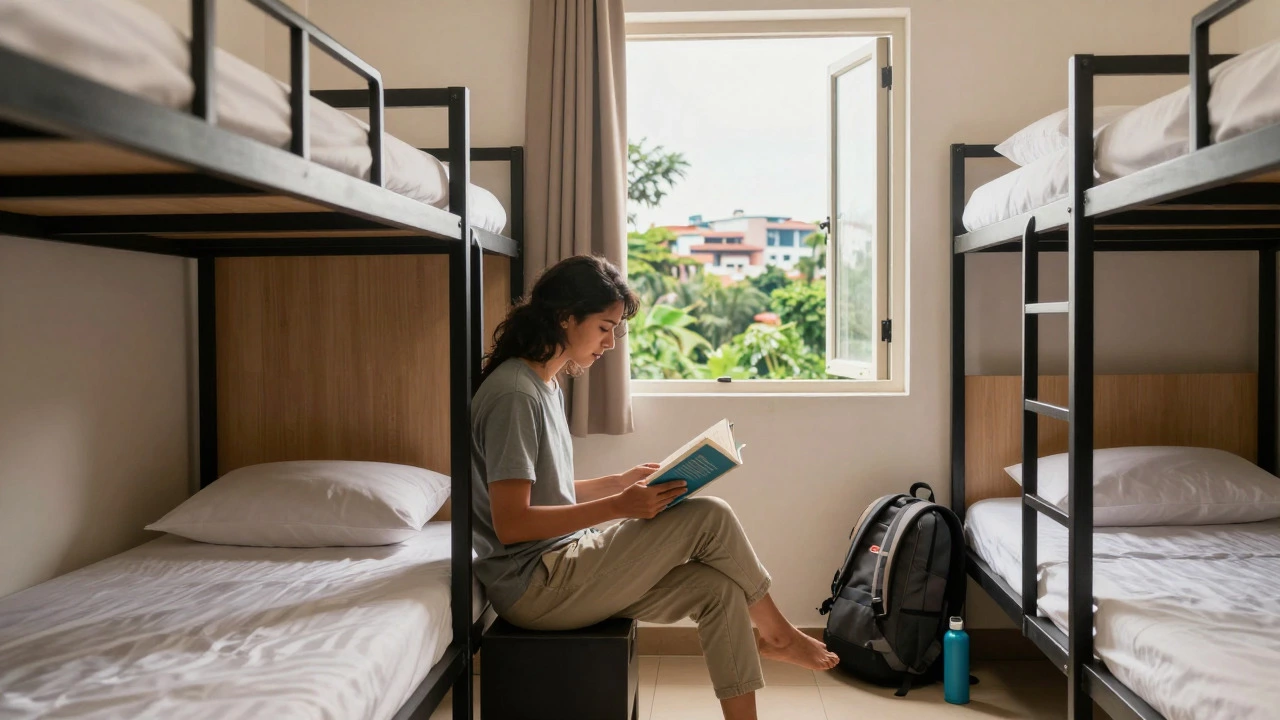
Your biggest variable expense will likely be accommodation. In major hubs like Delhi, Mumbai, and Jaipur, you can find clean, safe hostel dorm beds for as low as $5 to $7 per night. These places often include free Wi-Fi, lockers, and sometimes breakfast. However, prices spike during peak seasons (October to March) and festivals like Diwali.
If you prefer privacy, basic guesthouses or budget hotels with a fan (no air conditioning) start around $12-$15. Adding air conditioning usually doubles the price. For example, a private room with AC in Varanasi might cost $20, while the same setup in Goa could easily hit $40+ during winter months. Always check reviews for hygiene and safety, especially for solo female travelers.
Food: Eating Well Without Breaking the Bank
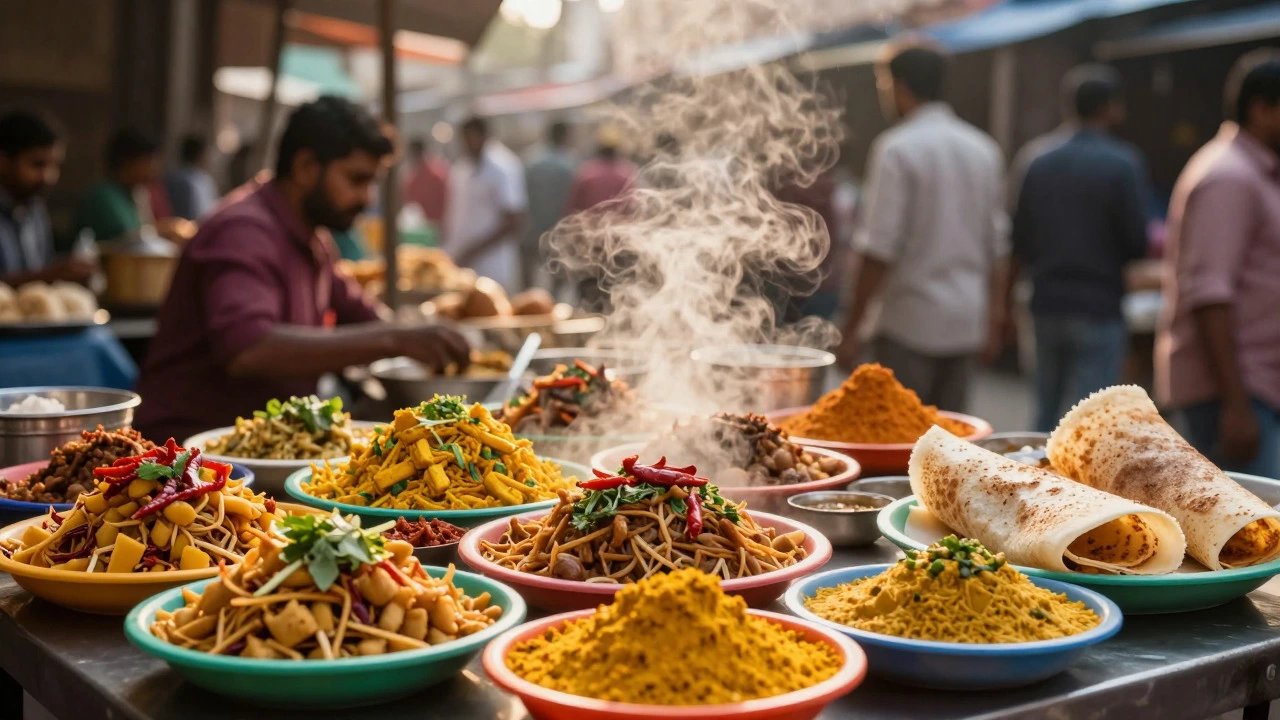
One of the joys of traveling in India is the incredible variety of affordable food. Street food is not just cheap; it’s delicious. A plate of chaat (savory snacks), a bowl of dal (lentils), or a dosa (rice crepe) typically costs between $0.50 and $1.50. You can eat three hearty meals a day for under $5 if you stick to local eateries and street vendors.
However, caution is key. Stick to busy stalls where food is cooked fresh in front of you. Avoid ice cubes unless you’re sure they’re made from filtered water. If you want to dine in cleaner environments, mid-range Indian restaurants charge $3-$5 per main course. Thali meals (a set menu with rice, bread, lentils, vegetables, and dessert) are a great value option, offering a full meal for $4-$6.
Drinks also add up quickly. Bottled water costs about $0.20-$0.50, which is essential for health reasons. Local beers range from $2 to $4, while imported drinks can cost $8+. Tea and coffee at local shops are incredibly cheap, often under $0.50.
Transportation: Getting Around Efficiently
India has an extensive public transport network that keeps costs low. Long-distance travel via overnight buses is very affordable, with sleeper buses costing $10-$20 for journeys that take 8-12 hours. Trains are the backbone of Indian travel. Second Sitting (non-AC) tickets are extremely cheap, often under $5 for long distances, but they can be crowded. Third AC (3A) is a sweet spot for comfort and price, costing $15-$30 for overnight trips.
Within cities, auto-rickshaws are convenient but require negotiation. Always agree on a price before getting in, or use apps like Uber or Ola for fixed fares. Metro systems in Delhi, Mumbai, Bangalore, and Kolkata are efficient, clean, and cost-effective, with rides ranging from $0.20 to $1 depending on distance.
Hidden Costs and Unexpected Expenses
While daily costs are low, there are hidden expenses that can catch travelers off guard. First, entrance fees for historical sites charged to foreigners are significantly higher than for locals. For instance, entering the Taj Mahal costs around $17 for foreign tourists, plus additional fees for cameras or phones. Museums and forts often have similar pricing structures.
Tipping is customary in India. While not mandatory, leaving 10% at restaurants or rounding up taxi fares is appreciated. Small tips for hotel housekeeping or porters are also expected. Additionally, buying souvenirs, spices, or handicrafts can quickly inflate your budget. Bargaining is essential in markets, but fixed-price stores offer transparency.
Healthcare costs are generally low, but carrying travel insurance is wise. Minor medical issues like stomach bugs can occur, and having coverage ensures you don’t face unexpected bills. Also, consider the cost of a local SIM card. Providers like Jio or Airtel offer affordable data plans, crucial for navigation and communication.
Regional Variations: North vs. South vs. West
Costs aren’t uniform across India. Northern states like Rajasthan and Uttar Pradesh tend to be cheaper for accommodation and food compared to southern states like Kerala or western destinations like Goa. Kerala, known for its backwaters and lush landscapes, has higher living costs, reflecting its development level. Goa, being a prime beach destination, sees inflated prices during peak season (November to February).
In contrast, regions like Himachal Pradesh or Uttarakhand offer affordable trekking and hill station stays, though remote locations may require pricier private transport. Understanding these regional differences helps you allocate your budget more effectively.
Money Management Tips for Travelers
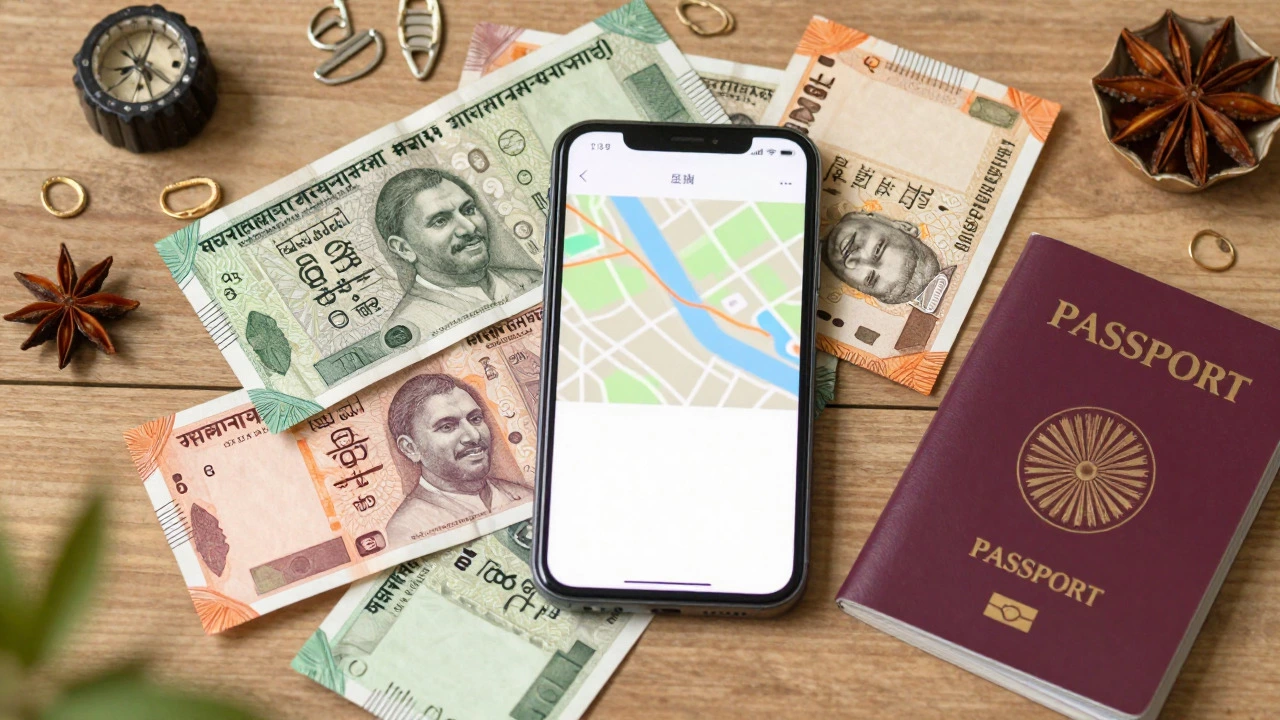
Exchange rates fluctuate, so monitor them before your trip. As of 2026, the exchange rate is approximately 85-90 Indian Rupees (INR) to 1 USD. Carrying a mix of cash and cards is ideal. ATMs are widely available in cities but scarce in rural areas. Withdraw larger amounts less frequently to minimize fees.
Credit cards are accepted in hotels, upscale restaurants, and larger stores, but cash remains king for street vendors, small shops, and local transport. Notify your bank before traveling to avoid blocked transactions. Digital payments via UPI (Unified Payments Interface) are growing, but as a foreigner, setting up international wallets can be tricky. Stick to cash for simplicity.
Planning Your Itinerary Based on Budget
Your itinerary heavily influences your total cost. Sticking to one region reduces inter-city transport expenses. For example, exploring Rajasthan’s Golden Triangle (Delhi-Agra-Jaipur) minimizes travel time and cost. Adding distant locations like Ladakh or Andaman Islands increases flights or long train journeys, boosting your budget.
Slowing down also saves money. Instead of rushing through five cities in two weeks, spend more time in fewer places. This reduces packing/unpacking stress and allows you to negotiate better rates for longer stays. Many guesthouses offer discounts for weekly bookings.
Is $50 a day enough for India?
Yes, $50 a day is sufficient for a comfortable budget experience. It covers decent accommodation, good meals, local transport, and entry fees. You won’t be splurging, but you’ll enjoy a rich cultural experience without financial stress.
What is the cheapest month to visit India?
The monsoon season (July to September) offers the lowest prices due to reduced tourism. However, heavy rains can disrupt travel plans. The shoulder seasons (April-May and October-November) provide a balance of moderate weather and reasonable prices.
Do I need travel insurance for India?
Absolutely. Medical emergencies, trip cancellations, or lost luggage can happen anywhere. Insurance provides peace of mind and financial protection against unforeseen events, making it a non-negotiable part of your budget.
Can I get by with just credit cards in India?
Not really. While urban centers accept cards, rural areas, street vendors, and local transport rely on cash. Carry sufficient INR for daily expenses to avoid inconvenience.
How much should I budget for internal flights?
Domestic flights in India can be surprisingly affordable if booked in advance. Expect to pay $50-$100 for short-haul flights within India. Booking 2-3 months ahead secures the best deals.