India Monsoon Budget Calculator
Trip Configuration
You Could Save Up To: $0
Peak Season Cost (Nov-Feb)
Monsoon Cost (Jul-Aug)
Breakdown Details
- Avg. Daily Rate (Peak): $0
- Avg. Daily Rate (Monsoon): $0
- Total Nights: 0
- Discount Percentage: 0%
*Estimates based on average market rates for mid-range accommodations. Actual prices may vary by specific property and booking time. Excludes flights and food.
Most travelers assume that visiting India during the cool winter months of November or December guarantees a perfect experience. And it does-perfect weather, clear skies, and comfortable temperatures. But there’s a catch: everyone else thinks so too. Flights skyrocket, hotels double their rates, and popular spots like Kerala backwaters or Rajasthan forts become crowded playgrounds for tourists who aren’t watching their wallets.
If your goal is to stretch every dollar (or rupee) as far as possible, you need to rethink the calendar. The cheapest month to go to India isn’t when the weather is ideal; it’s when the demand drops. For most of the country, that window falls squarely in July, right in the middle of the monsoon season. Yes, it rains. But if you know where to go and how to plan, you can save up to 40-50% on accommodation and flights compared to peak season.
The Monsoon Trade-Off: Why July Wins for Budget Travelers
To understand why July is the sweet spot for cheap travel, you have to look at supply and demand. During the monsoon (June through September), large parts of northern and central India receive heavy rainfall. This deters the mass market of tourists who prefer dry conditions for sightseeing. As a result, hotel occupancy rates drop significantly. Hotels, especially mid-range and luxury properties, slash prices to attract guests. Airlines follow suit with discounted fares on routes that typically see high volume in winter.
However, "cheap" comes with conditions. You won’t be trekking in the Himalayas or exploring the deserts of Rajasthan comfortably. But India is vast. While the north gets wet, other regions offer unique experiences that are actually enhanced by the rain. The key is shifting your destination strategy based on the weather patterns.
| Destination | Peak Season (Nov-Feb) | Off-Peak/Monsoon (Jul-Aug) | Savings Potential |
|---|---|---|---|
| Kerala (Backwaters) | $150 - $300 | $80 - $150 | ~40% |
| Rajasthan (Jaipur) | $100 - $250 | $50 - $120 | ~50% |
| Ladakh (Leh) | $200+ (Limited access) | Closed/Risky | N/A |
| Tamil Nadu (Temples) | $80 - $180 | $40 - $90 | ~45% |
Where to Go When It’s Cheap (And Not Miserable)
Just because it’s the cheapest month doesn’t mean you should sit in your hotel room waiting for the rain to stop. Certain regions thrive during the monsoon. Here are the best places to visit in July to maximize value while minimizing discomfort.
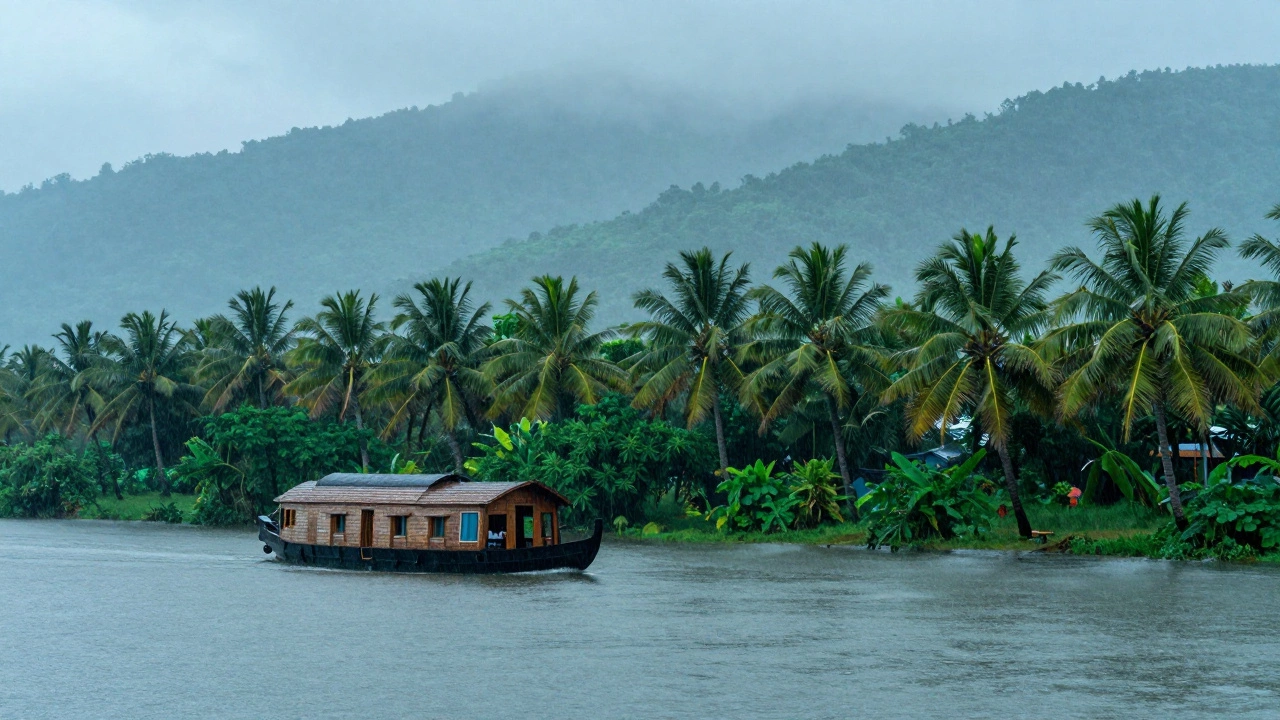
Kerala is often called "God's Own Country," and during the monsoon, it lives up to that name. The lush greenery intensifies, waterfalls swell, and the backwaters become a serene, misty paradise. Houseboat rentals drop in price significantly. Instead of the crowded houseboats of Alleppey, consider staying in smaller villages like Varkala or Munnar. The tea gardens in Munnar are at their most vibrant green, and the air is crisp. It’s not just cheap; it’s visually stunning.
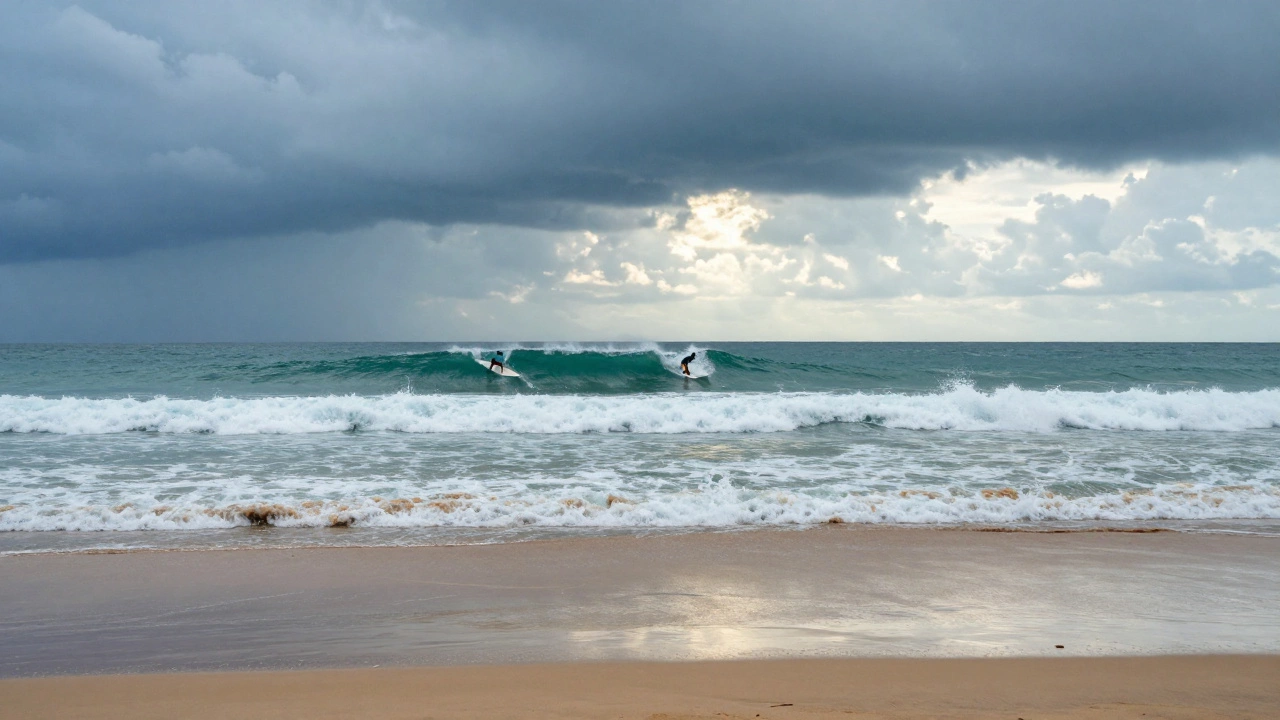
Goa has two distinct seasons. Winter brings party-goers and high prices. July brings locals, surfers, and empty beaches. If you don’t mind occasional downpours, Goa is incredibly affordable. Surf schools offer discounts, and seafood prices remain low year-round. The southern beaches like Agonda and Colva are quieter, making it a great spot for relaxation without the tourist tax.
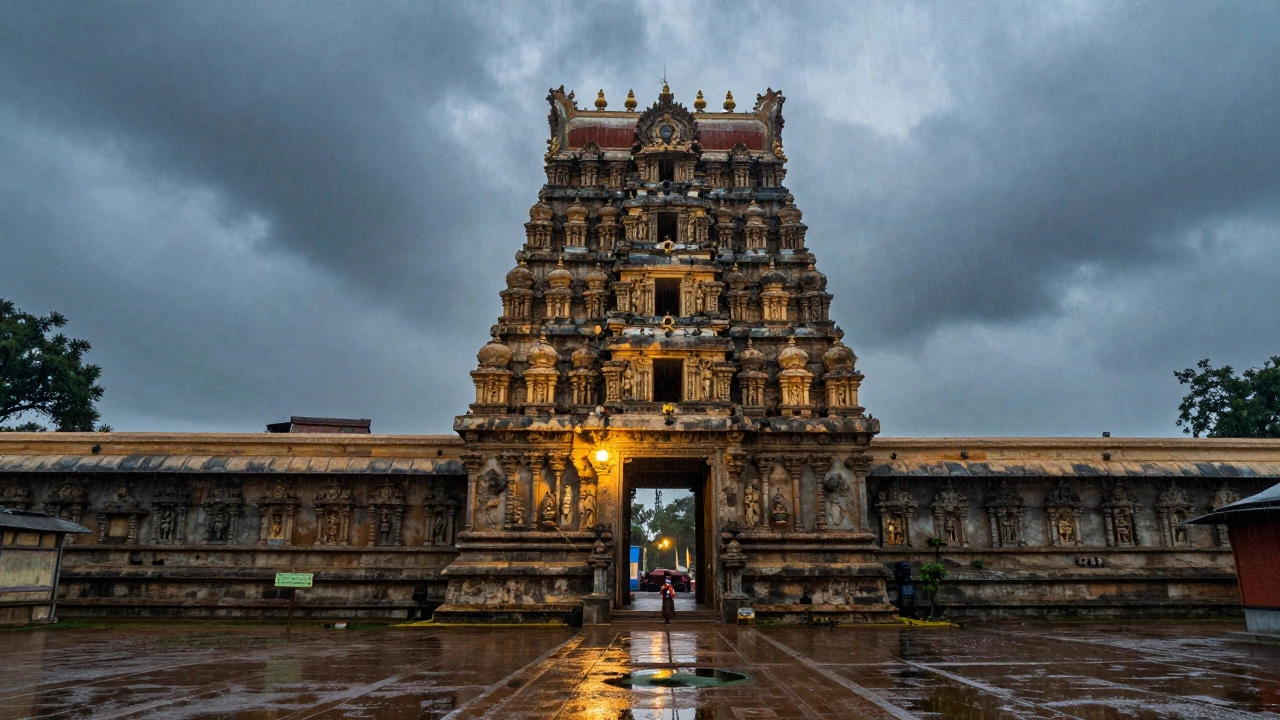
For culture seekers, Tamil Nadu is a smart choice. Cities like Madurai, Thanjavur, and Chennai have temple architecture that looks majestic under dramatic monsoon skies. The heat is tempered by humidity and rain, making walking tours more bearable than in the scorching summer months. Accommodation in these heritage cities is consistently cheaper than in Rajasthan or Kerala during this period.
Hidden Gems: Northeast India and the Western Ghats
If you want to avoid the typical tourist trail entirely, look east. Meghalaya, known as the "Abode of Clouds," receives some of the highest rainfall in the world. Cherrapunji and Mawsynram are famous for this reason. While heavy rain can disrupt travel, the experience of seeing living root bridges and giant stalactites in a misty forest is unforgettable. Homestays here are extremely affordable, often costing less than $20 per night including meals.
The Western Ghats span across states like Karnataka, Maharashtra, and Tamil Nadu. Hill stations like Wayanad, Coorg, and Mahabaleshwar turn into emerald havens. Trekking trails are slippery, but birdwatching and nature photography reach their peak. Wildlife sanctuaries like Bandipur and Nagarhole in Karnataka are less crowded, offering better chances to spot elephants and tigers without competing with hundreds of jeep safaris.
Flights and Logistics: How to Keep Costs Down
Accommodation savings are only half the battle. Getting there and moving around requires strategy. Domestic flights within India are highly competitive. In July, airlines like IndiGo, Air India, and SpiceJet often run promotions to fill seats. Booking 4-6 weeks in advance usually yields the best rates. Avoid flying on Fridays and Sundays, which remain popular even in off-season due to business travel.
For ground transport, trains are the backbone of Indian travel. During the monsoon, train schedules can be affected by landslides or flooding, particularly in hilly regions. Always check IRCTC (Indian Railway Catering and Tourism Corporation) for real-time updates. Sleeper class tickets are incredibly cheap, sometimes under $5 for long distances. However, for comfort and safety during heavy rains, opting for AC 3-tier or 2-tier classes is worth the small extra cost-it ensures air-conditioned, enclosed travel regardless of weather outside.
Budget apps like MakeMyTrip, Cleartrip, and Goibibo allow you to set price alerts. Use them. Also, consider bus travel via operators like RedBus. Overnight buses between major cities like Mumbai-Pune or Bangalore-Chennai are safe, affordable, and save you a night’s accommodation cost.
Pitfalls to Avoid in the Off-Season
Cheap travel doesn’t mean careless travel. There are specific risks associated with visiting India during the monsoon that you must mitigate.
- Flooding and Landslides: Avoid remote trekking routes in the Himalayas or deep jungle areas in Odisha and Jharkhand unless you’re an experienced guide-led group. Roads can wash out quickly.
- Health Precautions: Stagnant water increases the risk of dengue and malaria. Carry repellent, wear long sleeves in the evening, and drink only bottled or filtered water. Diarrhea is common for new arrivals; carry oral rehydration salts and probiotics.
- Humidity: Clothes take longer to dry. Pack quick-dry fabrics. Cotton shirts will stay damp all day. A good quality umbrella and waterproof backpack cover are essential investments.
- Transport Delays: Don’t schedule tight connections. Allow buffer time between trains, buses, and flights. Weather delays are frequent and frustrating if you’re rushing.
Is August or September Better?
While July is generally the cheapest, late August and early September can also offer good deals, especially if you target the tail end of the monsoon. By September, the rains begin to recede in many parts of North India, and the landscape is fresh and green. Prices start creeping up slightly as October approaches (the pre-winter shoulder season), but they’re still lower than peak rates. If you want a balance between cost and improving weather, aim for the last week of September.
Conversely, June is risky. The monsoon hasn’t fully stabilized, and prices haven’t dropped as much as they do in July. You might get caught in the transition period where it’s hot AND humid, with sporadic heavy rains, but without the significant discount structure of mid-monsoon.
Final Thoughts: Value Over Comfort
Choosing the cheapest month to go to India means prioritizing value over convenience. You’ll trade sunny afternoons for dramatic cloudscapes and crowded streets for quiet moments. But for travelers who are flexible, prepared, and curious, the rewards are immense. You’ll eat better local food (street vendors are less pressured by tourist crowds), interact more with locals, and see a side of India that remains hidden from the mass tourism machine.
Plan carefully, pack wisely, and embrace the rain. Your wallet-and your memories-will thank you.
Is July really the cheapest month to fly to India?
Yes, for international flights arriving in major hubs like Delhi, Mumbai, and Bangalore, July often sees lower fares due to reduced demand from leisure travelers. However, always compare with June and September, as airline sales can vary. Booking 2-3 months in advance is crucial for the best deals.
Can I visit Rajasthan in July?
You can, but it’s not recommended for first-time visitors. While prices are very low, the heat combined with high humidity makes outdoor sightseeing exhausting. If you do go, focus on indoor attractions like museums, palaces, and forts, and plan activities for early morning or late evening.
Are there any festivals in July that affect prices?
Major national festivals like Diwali or Holi occur outside July, so you won’t face festival-driven price hikes. However, local regional festivals may cause slight spikes in specific towns. Check the local calendar for your destination. Generally, July is free from major nationwide holiday surges.
What should I pack for a monsoon trip to India?
Essential items include: a compact umbrella, waterproof jacket or poncho, quick-dry clothing, waterproof footwear or sandals with grip, plastic bags for wet clothes, insect repellent, and a waterproof phone case. Avoid heavy denim jeans as they take days to dry.
Is it safe to eat street food during the monsoon?
It carries higher risks due to potential water contamination and faster spoilage in humidity. Stick to busy stalls where food is cooked fresh and served hot. Avoid raw salads, cut fruits, and ice cubes. Opt for bottled drinks and thoroughly washed vegetables. Carry hand sanitizer and oral rehydration salts.