Hippie Trail Destination Comparison
Compare how these destinations changed from the 1970s counterculture era to today's tourism landscape.
Rishikesh
Beats visited for Transcendental Meditation with Maharishi Mahesh Yogi.
Simple ashrams and riverbank meditation sessions.
Travelers stayed for months, often learning yoga and chanting.
Many yoga retreats charge $500+ per week.
Busy tourist areas with expensive shops and hotels.
Still a spiritual center but less accessible to budget travelers.
Varanasi
Travelers came for the spiritual experience and the Ganga Aarti.
Simple accommodations with no tourism infrastructure.
Travelers lived among locals, often sleeping on the ghats.
Mass tourism with expensive hotels and guided tours.
More tourists than locals in many areas.
Still has the spiritual essence but requires more effort to find authenticity.
Dharamsala
Center for Tibetan Buddhism and the Dalai Lama.
Small, close-knit community of Tibetan refugees.
Travelers stayed in basic guesthouses with Tibetan families.
More hotels and restaurants catering to tourists.
Still has Tibetan cultural influence but less community-focused.
Popular for yoga retreats and spiritual getaways.
Goa
Beach shacks, bamboo cafes, and open-air music.
Travelers lived in caves and shared resources.
Free-spirited community with minimal commercialization.
Many nightclubs and high-end resorts.
Beaches are crowded with tourists.
Still has authentic spots if you venture off the main beaches.
Pondicherry
Home to the Aurobindo Ashram.
Simple vegetarian meals for $2.
Travelers stayed for weeks or months in quiet contemplation.
Many boutique hotels and cafes.
Still has the Aurobindo Ashram but with more visitors.
Popular for yoga retreats and spiritual workshops.
The hippie trail in India wasn’t just a path-it was a movement. In the late 1960s and early 1970s, thousands of young travelers from Europe and North America packed their bags, sold their belongings, and set off on a journey that would redefine travel, culture, and self-discovery. They didn’t go to India for luxury resorts or five-star hotels. They came for the dust, the music, the meditation, the cheap hash, and the promise of something deeper than the society they’d left behind. And India, with its sprawling landscapes, ancient spirituality, and open arms, became the heart of it all.
Where Did the Hippie Trail Actually Go?
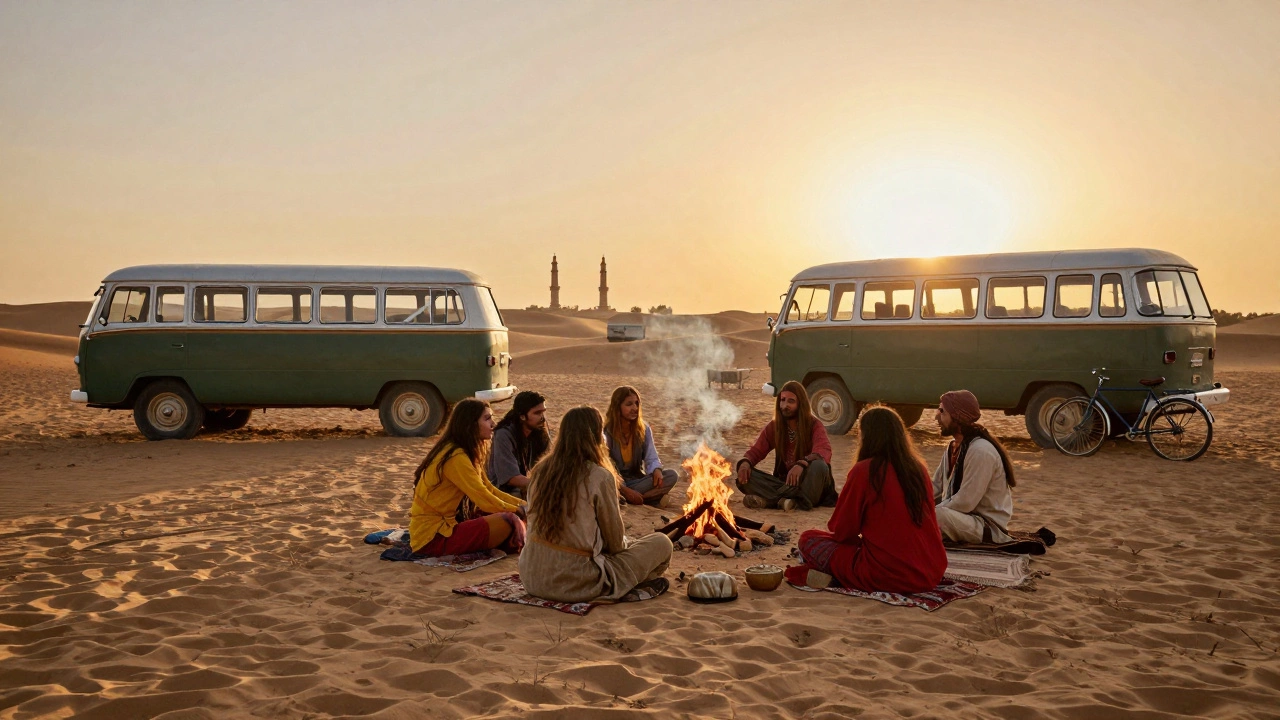
The classic hippie trail route stretched from London and Amsterdam all the way to Kathmandu, Nepal. But the real magic happened once travelers crossed into Iran, Afghanistan, and then into India. From the border town of Zahedan, they’d hop on buses or hitchhike through Kandahar and Kabul-before the wars changed everything. Then came the legendary crossing into India via the Khyber Pass into Peshawar, and from there, the journey split into two main branches.
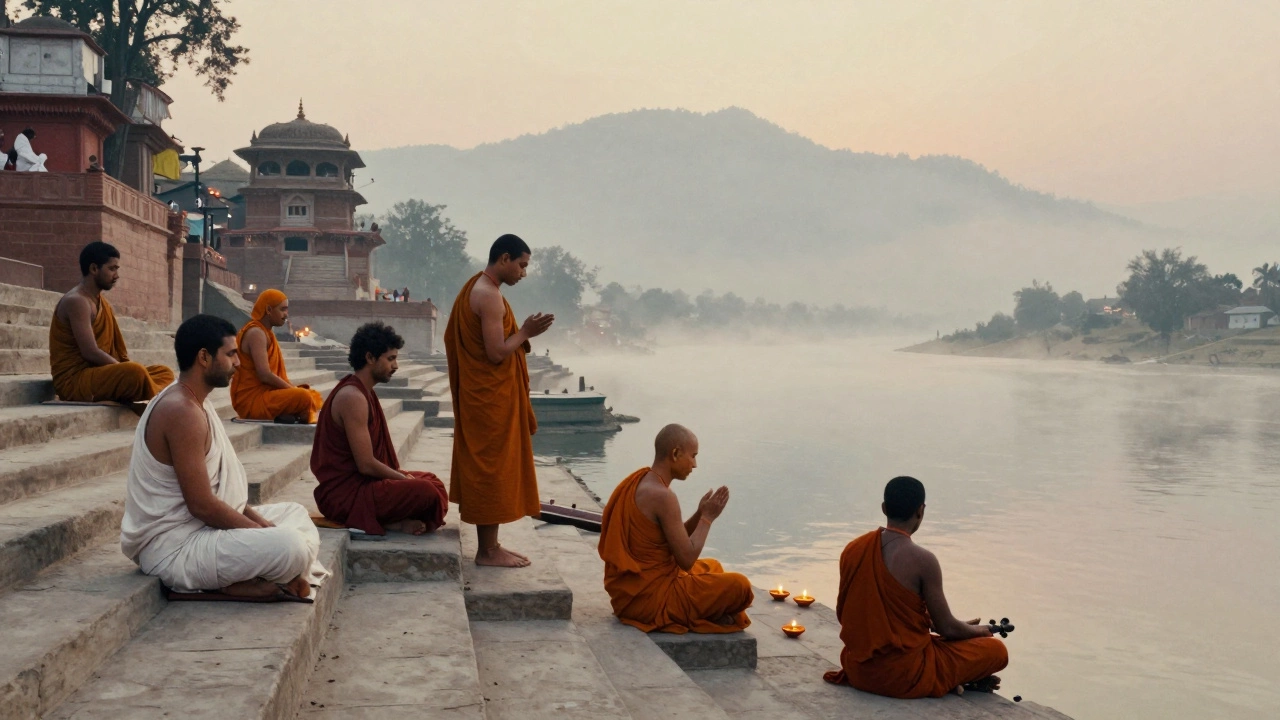
One group headed straight for Delhi, then on to Rishikesh, where the Beatles had famously studied Transcendental Meditation with Maharishi Mahesh Yogi. That trip put Rishikesh on the map as the spiritual epicenter of the trail. From there, many drifted down to Varanasi, sitting on the ghats at dawn, listening to chants and watching the cremation fires burn.
The other branch veered southwest toward Jaipur, then Jodhpur, and finally to the desert town of Jaisalmer. From there, travelers would head south to the beaches of Goa-especially Anjuna, Vagator, and Baga. These places became the permanent campsites of the trail. By 1972, Goa had more foreign backpackers than Indian tourists. It wasn’t just a vacation spot-it was a community. People lived in caves, built open-air cafes from bamboo, and traded beads, incense, and stories.
Why India? What Made It So Magnetic?
India didn’t just welcome the hippies-it welcomed their chaos. While Western countries cracked down on psychedelics, protests, and long hair, India offered something rare: tolerance. The country had no laws against cannabis in the 1970s. Temple priests sold ganja. Sadhus smoked it openly. And for people burned out by war, capitalism, and conformity, that was freedom.
But it wasn’t just drugs. It was the rhythm of life. The idea that time didn’t matter. That you could sit for hours watching a river, or meditate under a banyan tree without being judged. The ashrams of Rishikesh taught yoga, chanting, and vegetarian diets-not as trends, but as ancient practices. Many travelers stayed for months. Some stayed for years. A few never left.
And then there was the music. The sitar, the tabla, the tambura. Western musicians like George Harrison and Jethro Tull came to study. Local bands formed in Goa, blending blues, folk, and Indian ragas. By the mid-70s, Goa had its own underground music scene-long before EDM or rave culture took over.
What Happened to the Hippie Trail?
The trail didn’t disappear-it fractured. In 1979, the Soviet invasion of Afghanistan closed the overland route. No more buses through Kandahar. No more hitchhiking past the Hindu Kush. The path to India became dangerous, then impossible. The few who still made it had to fly into Delhi or Bombay.
At the same time, the original wave of travelers aged. The ones who stayed in India either found peace or got trapped. Some became teachers. Others opened guesthouses. A few turned to alcohol or drugs they couldn’t control. The idealism of the 60s gave way to the harsh realities of the 80s.
Goa changed fastest. By the 1990s, beach shacks turned into nightclubs. The free-spirited vibe got replaced by loud music, plastic cups, and tourist traps. The ashrams in Rishikesh became commercialized. Meditation courses now cost $500 a week. The spiritual core still exists-but it’s buried under layers of marketing.
Is the Hippie Trail Still Alive Today?
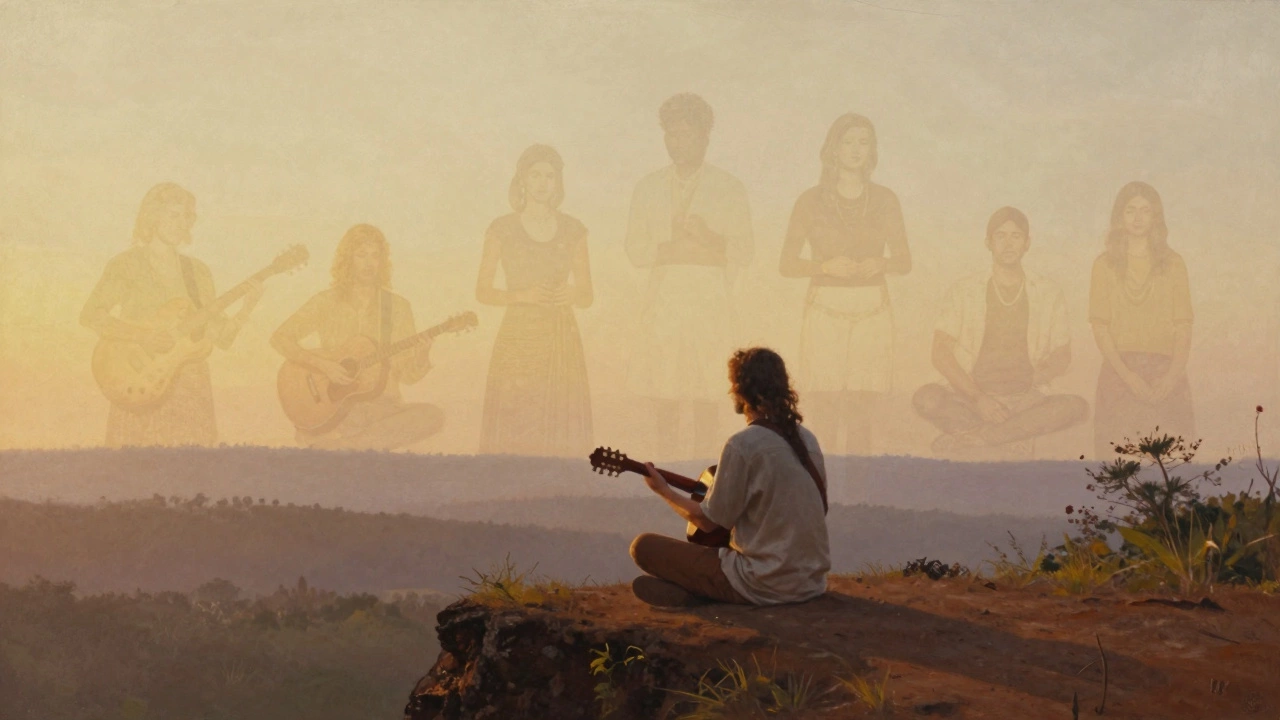
Yes-but not how you think. The modern version isn’t about crossing borders on buses. It’s about choosing a slower, deeper kind of travel. You won’t find the same crowds in Anjuna anymore, but you’ll still find people sitting on cliffs at sunset, playing guitar, reading Rumi. You’ll find yoga retreats in Dharamsala that still teach meditation the old way. You’ll find a handful of guesthouses in Varanasi run by families who’ve been hosting travelers since the 70s.
Today’s travelers don’t come for the hash. They come for silence. For authenticity. For connection. The trail lives on in the quiet corners: the rooftop cafes in McLeod Ganj, the riverfront shacks in Kovalam, the ashrams in Pondicherry that still serve vegetarian meals for $2 a day.
And here’s the truth: most people who call themselves “modern hippies” don’t even know the history. They don’t know that the yoga mats they roll out in Bali came from a trail that started in Delhi. They don’t know that the term “mindfulness” was popularized by monks in Rishikesh, not Silicon Valley.
Where Can You Walk the Trail Today?
If you want to trace the spirit of the original hippie trail, here’s where to go:
- Rishikesh - Still the spiritual gateway. Visit the Parmarth Niketan Ashram. Attend the Ganga Aarti at night. Don’t pay for a “yoga retreat”-just sit on the banks of the Ganges and listen.
- Varanasi - The oldest living city on Earth. Walk the ghats at 5 a.m. Watch the sunrise over the river. Don’t buy souvenirs-just watch.
- Dharamsala - Home to the Dalai Lama. The Tibetan market still sells handmade woolens, prayer flags, and books on Buddhism. The air smells like incense and mountain pine.
- Goa - The beaches are crowded, yes. But head to the backstreets of Arpora or the quiet cliffs of Palolem. Find the small cafes run by locals who remember the 70s. Ask them for stories.
- Pondicherry - The Aurobindo Ashram still operates exactly as it did in the 1960s. No ads. No fees. Just silence, meditation, and a simple lunch of rice and dal.
These places aren’t tourist attractions. They’re living echoes of a time when travel meant transformation, not just photos.
What Did the Hippie Trail Leave Behind?
It left more than just yoga studios and vegan cafes. It left a shift in how the world sees India. Before the trail, most Westerners saw India as a poor, chaotic country. After the trail, they saw it as a place of wisdom, depth, and peace.
It also changed India. The country’s first backpacker hostels opened in Delhi. The first international music festivals happened in Goa. Indian filmmakers started making movies about outsiders searching for meaning. The government finally realized tourism wasn’t just about temples-it was about experiences.
And most importantly, it proved that people could travel without money, without schedules, without permission-and still find themselves.
That’s the real legacy of the hippie trail. Not the drugs. Not the music. Not even the places. But the idea that you don’t need to belong to a system to find peace. That sometimes, the longest journey is the one you take inward.