Indian Temple Visit Cost & Time Estimator
Plan Your Visit
Estimated Breakdown
*Excludes airfare/train tickets to the city. Includes local transport, entry fees, and accommodation.
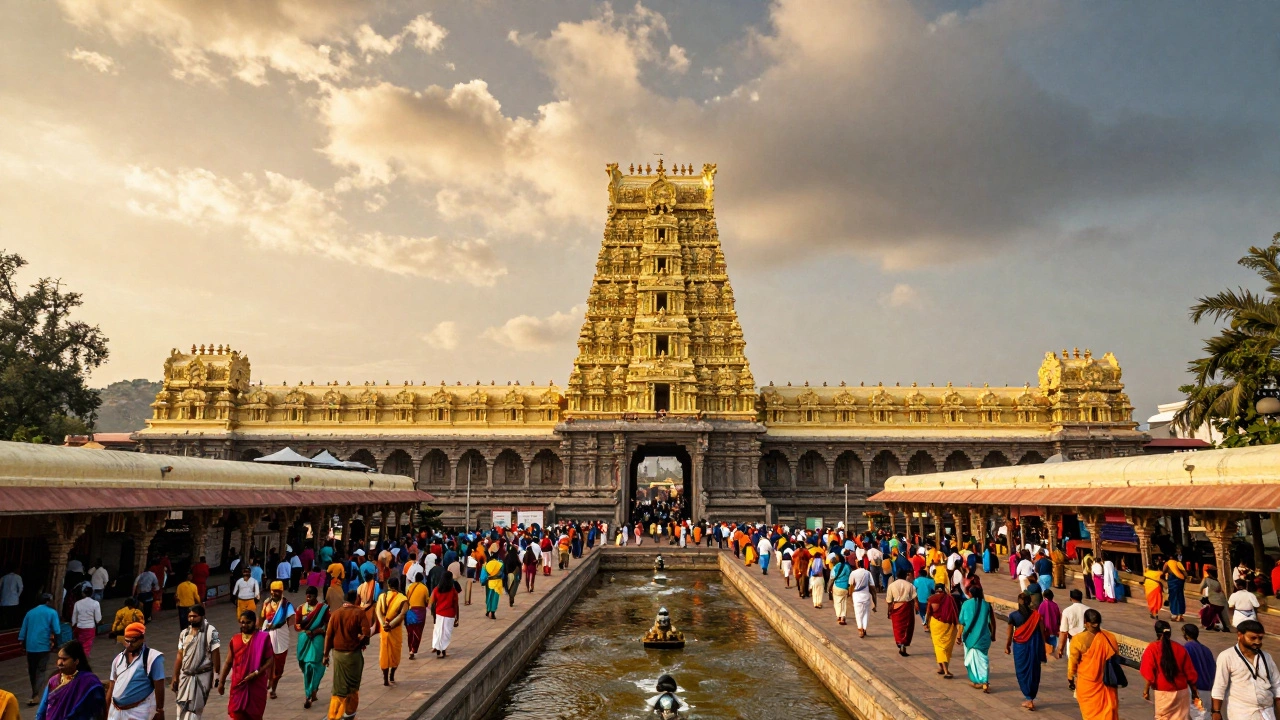
When you ask what the most visited temple in India is, the answer isn't just a matter of faith; it's a matter of staggering numbers. If you look at the raw data from recent years, Tirumala Venkateswara Temple in Andhra Pradesh consistently holds the crown. This ancient shrine attracts over 75 million pilgrims annually, making it not just the busiest temple in India, but one of the most visited religious sites on the entire planet.
However, the title of "most visited" can shift depending on how you count. Some metrics include daily footfall during peak festivals, while others look at annual totals. For instance, the Vaishno Devi Shrine in Jammu often rivals Tirumala, especially when you factor in the intense pilgrimage season. Understanding which temple tops the list helps you plan your travel, manage expectations regarding crowds, and appreciate the logistical marvels that keep these centuries-old structures running.
The Undisputed Champion: Tirumala Venkateswara Temple
To understand why Tirumala Venkateswara Temple sits at the top, you have to look beyond the deity. Located atop the seventh peak of the Seshachalam Hills, this temple is dedicated to Lord Venkateswara, also known as Balaji or Srinivasa. The sheer volume of visitors is driven by a combination of deep-rooted devotion and the temple's reputation for granting wishes.
In 2023 alone, the temple recorded more than 78 million visits. That averages out to roughly 214,000 devotees every single day. Imagine a stadium-sized crowd walking through those stone corridors twice a day. The Tirumala Tirupati Devasthanams (TTD), the trust that manages the temple, operates like a massive corporation to handle this flow. They use advanced ticketing systems, online booking slots, and strict security protocols to prevent chaos.
If you plan to visit, know that you cannot just show up and expect immediate entry. You need a Darshan pass. The TTD offers free general darshan slots via their website, but they vanish within seconds of release. Alternatively, you can pay for a special entry pass, which guarantees access but comes with a price tag. The experience is less about quiet contemplation and more about being part of a massive, moving river of humanity.
The Closest Rival: Vaishno Devi Shrine
If Tirumala is the champion of steady, year-round traffic, Vaishno Devi Shrine is the powerhouse of seasonal intensity. Located in the Trikuta Mountains of Jammu, this cave temple dedicated to Goddess Vaishno Devi sees millions of visitors, particularly during the monsoon and winter months when the weather is cooler.
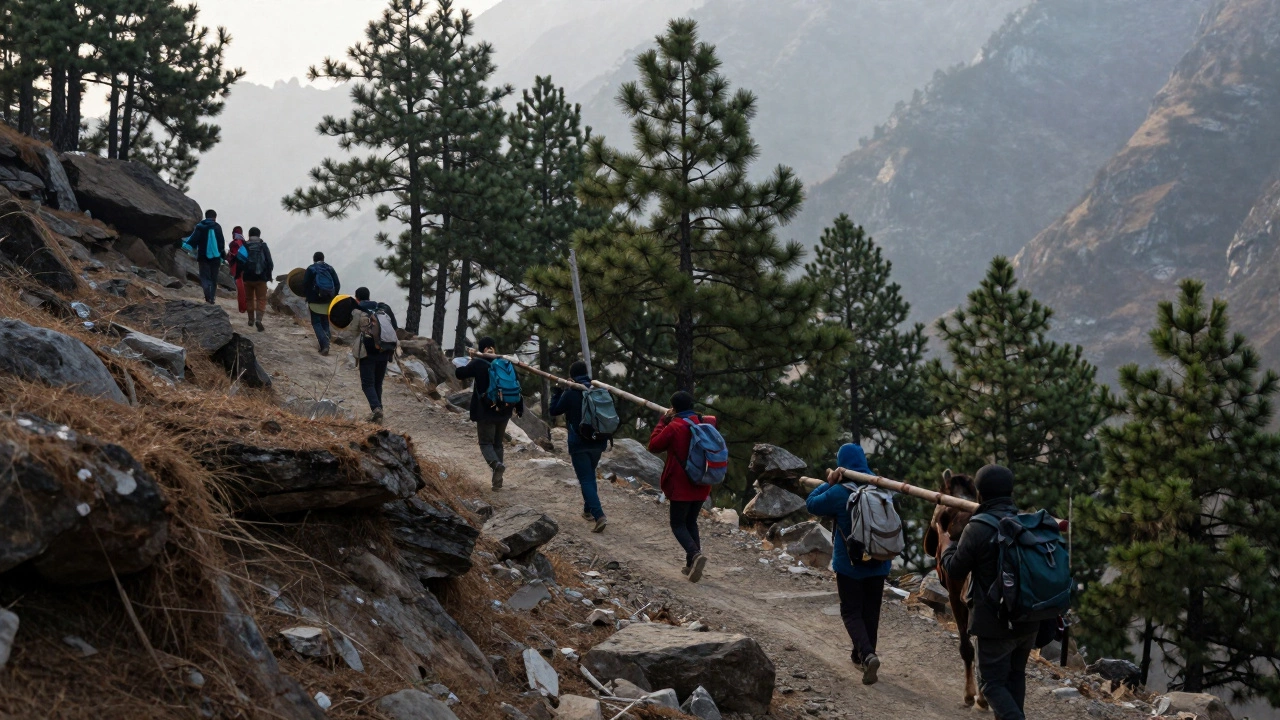
The key difference here is the physical effort required. Unlike Tirumala, where you can take a bus up the hill, visiting Vaishno Devi requires a trek. The base camp at Katra is accessible by train and road, but from there, pilgrims must walk approximately 13 kilometers uphill to reach the main cave. Many opt for palanquins or pony rides, but the majority walk, driven by spiritual fervor.
Annual visitor counts for Vaishno Devi typically range between 8 to 9 million, which is significantly lower than Tirumala's 75+ million. However, during specific festival periods, the daily footfall can spike dramatically, creating bottlenecks that require military-grade crowd control. The Shri Mata Vaishno Devi Shrine Board manages this with a sophisticated registration system, ensuring that only a certain number of people enter the trek zone each day.
Other Giants of Indian Pilgrimage
While Tirumala and Vaishno Devi dominate the headlines, several other temples command massive crowds. These sites are cultural anchors for millions and offer unique experiences distinct from the mega-crowds of the top two.
| Temple Name | Location | Approx. Annual Visitors | Key Feature |
|---|---|---|---|
| Tirumala Venkateswara Temple | Tirupati, Andhra Pradesh | 75-80 Million | Hilltop location, online booking system |
| Vaishno Devi Shrine | Katra, Jammu | 8-9 Million | Mountain trek, cave temple |
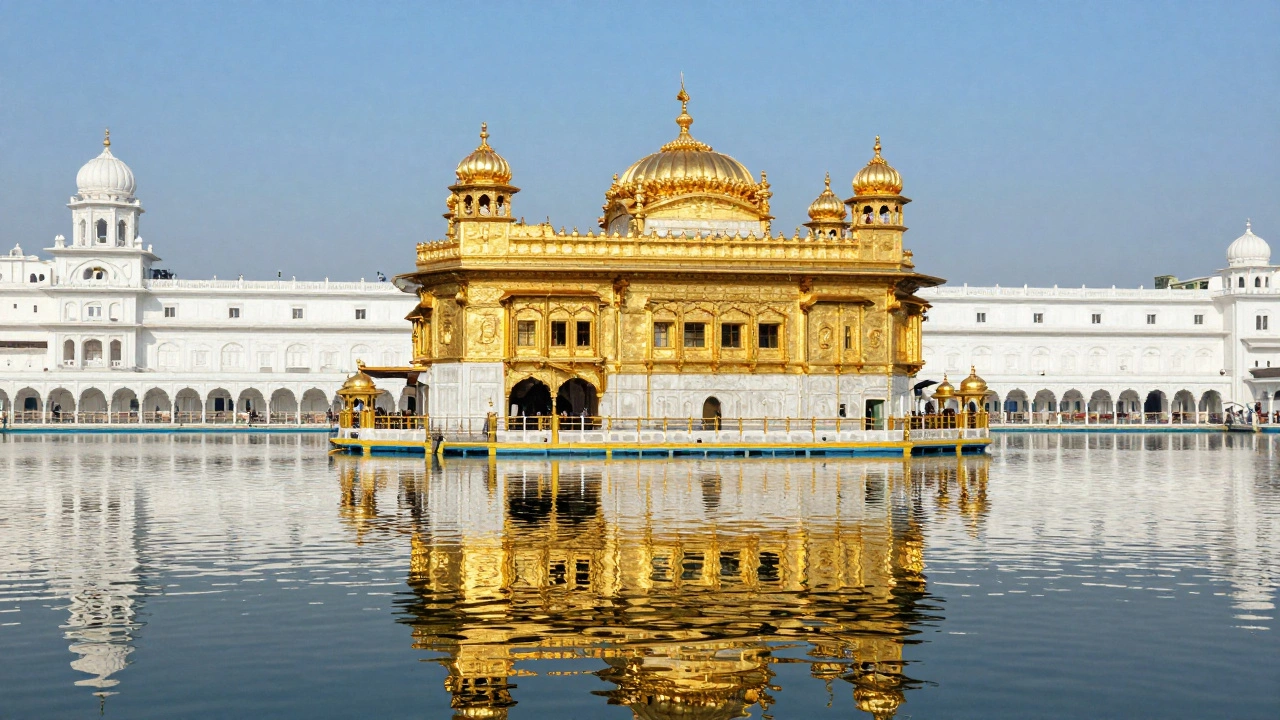
| Golden Temple (Harmandir Sahib) | Amritsar, Punjab | 30-50 Million | Open to all faiths, Langar (community kitchen) |
| Kedarnath Temple | Uttarakhand | 2-3 Million | High-altitude Himalayan trek |
| Somnath Temple | Gujarat | 10-12 Million | Jyotirlinga, coastal location |
The Golden Temple in Amritsar stands out for its inclusivity. It welcomes people of all religions and backgrounds. The Langar, the community kitchen, serves free meals to over 100,000 people daily, regardless of caste, creed, or status. This act of radical hospitality draws millions who come not just to pray, but to witness this social experiment in action.
Meanwhile, Kedarnath Temple represents the extreme end of pilgrimage. Nestled in the Himalayas at an altitude of 3,583 meters, it is open for only six months a year due to harsh winters. The journey involves a grueling 16-kilometer trek through rugged terrain. Despite the difficulty, it remains a crucial stop for Hindus seeking spiritual liberation, with millions attempting the climb each summer.
Why Do So Many People Visit These Temples?
You might wonder why modern Indians, living in a digital age, still flock to these ancient sites in such overwhelming numbers. The reasons are multifaceted, blending psychology, culture, and tradition.
- Spiritual Fulfillment: For many, the physical act of traveling to a sacred site is part of the worship. The hardship endured-whether it's the long queue at Tirumala or the steep trek to Vaishno Devi-is seen as a form of penance or dedication.
- Cultural Identity: Temples are not just places of worship; they are repositories of history, art, and architecture. Visiting them connects individuals to their ancestral roots and cultural heritage.
- Social Obligation: In many Indian families, visiting major temples is a rite of passage. Parents promise their children a visit if they succeed in exams or achieve milestones. Fulfilling this promise becomes a family event.
- Economic Factors: Temple towns like Tirupati and Katra have developed robust economies around pilgrimage. Hotels, transport services, and food vendors rely on this steady stream of visitors, creating a self-sustaining ecosystem.
Planning Your Visit: Practical Tips for Crowded Temples
If you decide to visit one of these high-traffic temples, preparation is key. Walking into Tirumala without a plan is a recipe for frustration. Here is how to navigate the logistics.
Booking in Advance
For Tirumala, register on the TTD website weeks before your trip. Set reminders for when new slots are released. If you miss the free darshan, consider the paid special entry option, which offers a smoother experience. For Vaishno Devi, book your registration online via the Shrine Board portal to avoid standing in line at Katra.
Timing Your Trip
Avoid peak festival seasons if you dislike crowds. For Tirumala, Brahmotsavam (usually in September) brings millions more visitors. For Vaishno Devi, the summer months (April-June) are the busiest. Winter months (November-February) offer slightly fewer crowds, though the weather can be chilly.
Physical Preparedness
Wear comfortable footwear. Even if you take a bus to Tirumala, there are steps and uneven surfaces. For Vaishno Devi, train your legs beforehand. Carry water and light snacks, as queues can last hours. Dress modestly according to temple guidelines-traditional attire is often required or strongly encouraged.
The Economic Impact of Temple Tourism
The scale of these pilgrimages has a profound economic impact. The Tirumala Tirupati Devasthanams is one of the wealthiest religious trusts in the world, with annual revenues exceeding $1 billion. This money goes back into maintaining the temple, funding hospitals, schools, and charitable programs in the region.
Similarly, the infrastructure around Vaishno Devi has transformed Katra from a small town into a bustling hub. Hotels, restaurants, and transport services thrive on the influx of pilgrims. This economic boost supports thousands of local jobs, from porters and guides to hotel staff and shopkeepers.
However, this boom also brings challenges. Environmental degradation is a concern, especially in ecologically sensitive areas like the Himalayas near Kedarnath. Waste management, pollution, and strain on local resources are ongoing issues that authorities are struggling to address. Sustainable tourism practices are becoming increasingly important to preserve these sacred sites for future generations.
Conclusion: More Than Just Numbers
So, what is the most visited temple in India? By the numbers, it is undoubtedly the Tirumala Venkateswara Temple. But the title is more than a statistic. It reflects the deep spiritual fabric of India, where faith drives millions to undertake journeys of devotion, endurance, and hope. Whether you are drawn to the hilltop grandeur of Tirumala, the mountainous trek of Vaishno Devi, or the inclusive spirit of the Golden Temple, each site offers a unique window into the heart of Indian culture.
Visiting these temples is not just about seeing a landmark. It is about experiencing a living tradition that has survived centuries of change. If you plan to go, go with respect, patience, and an open mind. The crowds may be overwhelming, but the sense of shared humanity and devotion is unparalleled.
Is Tirumala Venkateswara Temple really the most visited temple in India?
Yes, based on annual visitor statistics, Tirumala Venkateswara Temple in Andhra Pradesh consistently records the highest number of visitors, often exceeding 75 million per year. This makes it the most visited temple in India and one of the most visited religious sites globally.
How do I get a darshan pass for Tirumala?
You can obtain a darshan pass through the official TTD website. Free general darshan slots are available but fill up quickly. Paid special entry passes are also offered, which provide guaranteed access and shorter waiting times. It is recommended to book well in advance.
What is the best time to visit Vaishno Devi?
The best time to visit Vaishno Devi is during the winter months (November to February) when the weather is pleasant for trekking. Avoid the summer months (April to June) if you want to escape the largest crowds, although this is the peak pilgrimage season.
Can foreigners visit these temples?
Yes, foreigners are welcome to visit most Hindu temples in India, including Tirumala and Vaishno Devi. However, some inner sanctums may have restrictions. Always check specific temple rules regarding dress code and entry permissions for non-Hindu visitors.
Are there any safety concerns for pilgrims?
Major temples have extensive security measures, including police presence and medical facilities. However, due to large crowds, there is a risk of pickpocketing or accidental injuries. Stay alert, keep valuables secure, and follow instructions from temple authorities and security personnel.