Eco-Resort Authenticity Checker
Use this checklist to verify the claims of your next accommodation. Select the options that best describe the property you are evaluating.
Breakdown:
Red Flags Detected:
You check into a beautiful hotel. The room has bamboo floors, the towels are organic cotton, and there’s a sign asking you to reuse them. But outside, a massive diesel generator hums day and night, and the pool is heated by burning fossil fuels. Is this really an eco resort? Probably not. This is greenwashing, and it’s everywhere in the travel industry today.
As travelers, we want to feel good about our vacations. We want to relax without leaving a heavy carbon footprint. But how do you tell the difference between a hotel that just *looks* green and one that actually operates sustainably? It’s not just about plastic straws or flower power decor. True sustainability runs deep into the building’s bones, its energy grid, its water systems, and its relationship with the local community.
In this guide, we’re going to strip away the marketing fluff. I’ll show you exactly what infrastructure, certifications, and practices define a genuine eco-resort. By the end, you’ll know exactly what to look for so your next trip supports the planet instead of harming it.
The Core Pillars of a Genuine Eco-Resort
A real eco-resort isn’t defined by a single feature. It’s defined by a holistic approach to operations. If a hotel saves electricity but exploits its staff or destroys local wildlife habitats, it fails the test. There are four non-negotiable pillars that every authentic sustainable property must uphold: environmental integrity, social responsibility, economic viability, and cultural respect.
Let’s break down what this looks like in practice, starting with the most visible aspect: energy and resources.
Energy Independence and Renewable Sources
The biggest indicator of a true eco-resort is how it powers itself. Most standard hotels rely entirely on the national grid, which often burns coal or gas. An eco-resort actively reduces this dependency.
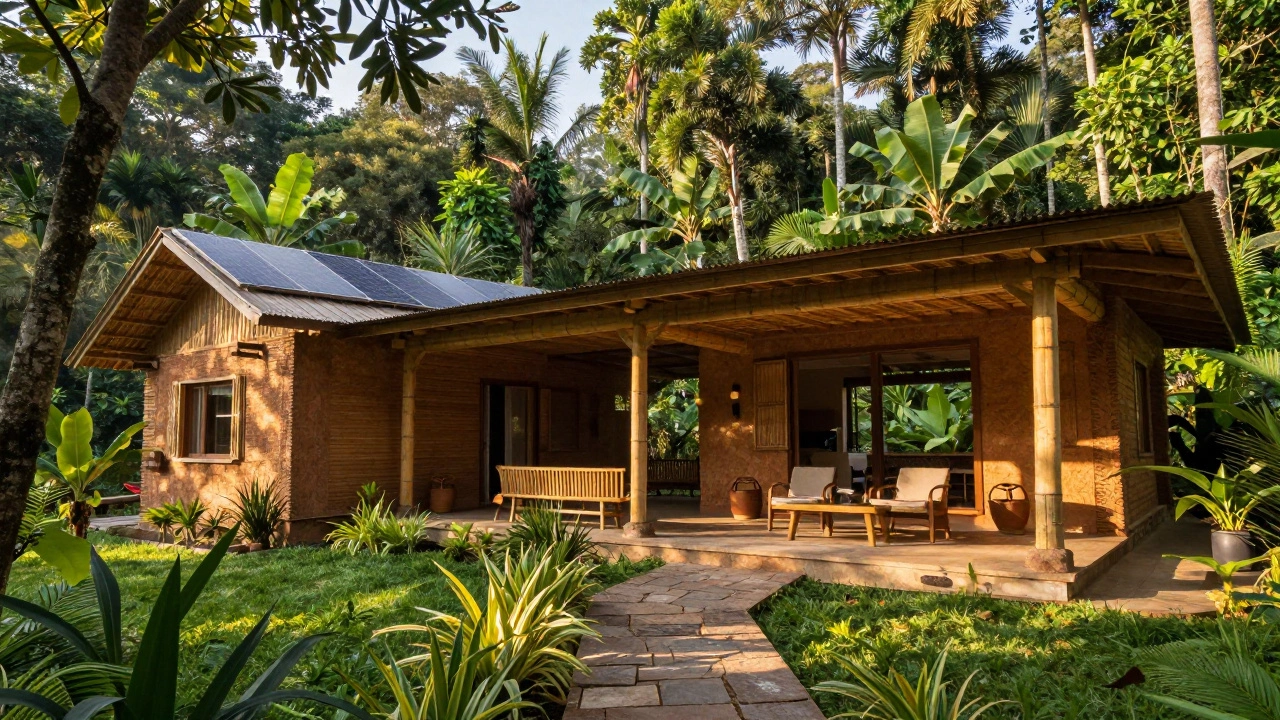
- Solar Power is the use of photovoltaic panels to convert sunlight directly into electricity. Look for resorts that have their own solar arrays. In sunny destinations like Costa Rica or Southern India, many top-tier eco-lodges generate 100% of their daytime electricity from the sun.
- Biomass Energy is energy derived from organic materials such as wood waste or agricultural residue. Some rural resorts use biogas digesters to turn food waste and animal manure into cooking fuel and electricity, closing the loop on waste.
- Passive Design is architectural strategy that uses natural ventilation and shading to regulate temperature without AC. High ceilings, cross-breezes, and thermal mass materials reduce the need for air conditioning. If a resort relies heavily on AC in a tropical climate, question its eco-credentials.
If a resort claims to be green but doesn’t mention its energy source, ask them. A transparent operator will happily share their kWh data or show you their solar inverters.
Water Conservation and Management
Water is often scarcer than energy in popular tourist destinations. Hotels are notorious water hogs-think golf courses, large pools, and daily linen changes. An eco-resort treats water as a precious resource.
| Feature | Standard Hotel | Genuine Eco-Resort |
|---|---|---|
| Toilets | Standard flush (6+ liters) | Dual-flush or composting toilets (1-2 liters) |
| Greywater | Drained to sewage system | Treated and reused for irrigation |
| Landscaping | Exotic grass requiring daily watering | Xeriscaping with native, drought-resistant plants |
| Pools | Open to evaporation | Covered when not in use; saltwater systems |
Notice the focus on Greywater Recycling is the process of treating wastewater from sinks and showers for non-potable reuse.. This is a game-changer. Instead of sending clean-ish water down the drain, eco-resorts filter it and use it to water gardens. This cuts freshwater consumption by up to 40%.
Construction Materials and Local Sourcing
How was the building made? Where did the materials come from? The construction phase of a hotel creates a massive carbon footprint. Eco-resorts minimize this by using local, sustainable, and low-impact materials.
Look for buildings constructed with:
- Rammed Earth is a technique where soil is compacted into forms to create strong, thermally efficient walls. This material has zero embodied carbon and regulates indoor temperatures naturally.
- Bamboo is a fast-growing grass used as a structural timber alternative. Bamboo grows back in three years, whereas hardwood trees take decades. However, ensure the bamboo is locally sourced and treated with non-toxic preservatives.
- Reclaimed Wood is salvaged timber from old structures, reducing demand for new logging. Using reclaimed wood prevents deforestation and adds unique character to the property.
If a resort in Bali imports marble from Italy or steel from China, the transportation emissions negate much of the "green" benefit. True eco-resorts prioritize a short supply chain. They hire local carpenters, masons, and artists. This keeps money in the community and reduces transport pollution.
Waste Reduction and Circular Economy
Plastic bans are the bare minimum now. Any hotel can stop giving out plastic bottles. That doesn’t make them an eco-resort. Real waste management involves a circular economy mindset, where waste is designed out of the system.
Ask yourself these questions when evaluating a resort:
- Do they have a comprehensive composting program for food scraps?
- Is all guest toiletries provided in bulk dispensers rather than tiny single-use plastic bottles?
- Do they serve food grown on-site or within a 50-mile radius?
- How do they handle electronic waste and construction debris?
For example, some eco-resorts in New Zealand partner with local farms to send coffee grounds and vegetable peels back for animal feed or compost. Others use Biodegradable Packaging is packaging made from materials that break down naturally without leaving microplastics. for any necessary deliveries. The goal is zero waste to landfill. If you see a general trash bin in the lobby, it’s a red flag. You should see clearly labeled bins for compost, recycling, and minimal residual waste.

Certifications: The Trust Signals
Since greenwashing is rampant, third-party certifications are your best friend. These organizations audit resorts rigorously. Not all certifications are created equal, though. Here are the ones that matter in 2026.
| Certification Body | Focus Area | Why It Matters |
|---|---|---|
| Green Key Global | Environmental management | Strict criteria on water, energy, waste, and education. Recertified annually. |
| LEED (Leadership in Energy and Environmental Design) | Building design & construction | Proves the physical structure is built sustainably. Gold or Platinum rating is ideal. |
| EarthCheck | Science-based benchmarking | Uses scientific data to measure performance against global standards. Very rigorous. |
| Green Globe | Holistic sustainability | Covers environment, health, culture, and community. Widely recognized internationally. |
If a resort lists none of these, dig deeper. Do they have a sustainability report on their website? Do they publish their carbon footprint? Transparency is key. Vague statements like "we care about nature" mean nothing without data to back them up.
Community Impact and Cultural Respect
An eco-resort cannot exist in a vacuum. It must be part of the local ecosystem, both environmentally and socially. This is often the missing piece in luxury "glamping" sites that drop into remote areas.
Genuine eco-resorts empower the local community. How? By employing locals in meaningful roles, not just as cleaners or gardeners, but as managers, guides, and chefs. They pay fair wages and provide training. They also respect indigenous rights and cultural heritage.
Consider the concept of Regenerative Tourism is travel that leaves a place better than it was found, contributing to ecological and social restoration.. This goes beyond "doing no harm." It means actively improving the area. For instance, a resort might fund a local school, restore a degraded coral reef, or protect a forest corridor for wildlife migration.
When you visit, look for evidence of this integration. Are the menus featuring local, traditional dishes? Are the tours led by community members sharing authentic stories? If the resort feels like a disconnected bubble imported from another country, it’s likely not truly sustainable.

Red Flags: Spotting Greenwashing
Even with all this knowledge, it’s easy to get fooled. Here are the classic signs of greenwashing to watch out for:
- Vague Language: Words like "eco-friendly," "green," "natural," and "conscious" are unregulated. Anyone can use them. Look for specific actions instead.
- Single-Point Focus: A hotel that brags about banning plastic straws but still flies guests in via private jets or serves imported beef is not an eco-resort. Sustainability must be systemic.
- Lack of Transparency: If they won’t answer basic questions about their energy source or waste disposal, assume the worst.
- Over-Promising: Claims like "100% carbon neutral" without explaining offset projects are suspicious. Carbon offsets are controversial; reduction is always preferred over compensation.
Don’t be afraid to ask questions. Email the resort before you book. Ask: "What percentage of your energy comes from renewables?" or "How do you manage your greywater?" Their response will tell you everything you need to know.
Conclusion: Voting with Your Wallet
Choosing an eco-resort is a powerful act. Every dollar you spend supports a business model. When you choose a genuinely sustainable property, you vote for renewable energy, water conservation, fair labor, and biodiversity protection. You signal to the industry that travelers care about more than just thread count and minibar snacks.
It requires a bit more effort to research, but the payoff is worth it. You’ll enjoy a deeper connection to the destination, cleaner air and water, and the peace of mind that comes from knowing your vacation didn’t cost the earth. So next time you plan a trip, look past the pretty photos. Check the certifications, read the sustainability report, and ask the hard questions. Your wallet-and the planet-will thank you.
What is the difference between an eco-resort and a green hotel?
While the terms are often used interchangeably, an eco-resort typically implies a stronger commitment to holistic sustainability, including location sensitivity, community integration, and regenerative practices. A green hotel may simply adopt a few energy-saving measures without addressing broader environmental or social impacts. Eco-resorts are usually located in natural settings and aim to minimize their footprint while enhancing the local ecosystem.
Are eco-resorts more expensive than regular hotels?
Not necessarily. While some luxury eco-lodges are high-end, many mid-range and budget options exist. The cost often reflects the investment in sustainable infrastructure, fair wages, and local sourcing. However, long-term operational savings from reduced energy and water bills can sometimes keep prices competitive. Additionally, you’re paying for value-added experiences like farm-to-table dining and guided nature tours, which enhance the overall trip quality.
How can I verify if a resort’s sustainability claims are true?
Look for third-party certifications like Green Key, LEED, or EarthCheck. Read independent reviews on platforms that focus on sustainable travel. Check the resort’s website for a detailed sustainability report with specific metrics (e.g., kWh saved, liters of water recycled). Finally, don’t hesitate to contact the property directly and ask specific questions about their energy sources, waste management, and community partnerships. Transparent operators will welcome your inquiry.
What should I avoid when staying at an eco-resort?
Avoid behaviors that contradict the resort’s sustainability goals. This includes requesting daily linen changes, wasting food, using excessive hot water, or buying souvenirs made from endangered species or illegal wildlife products. Also, respect local customs and stay on designated paths to protect fragile ecosystems. Remember, your actions as a guest play a crucial role in maintaining the resort’s eco-friendly status.
Do eco-resorts compromise on comfort and luxury?
No, modern eco-resorts prove that sustainability and luxury can coexist. Many offer world-class amenities, gourmet dining, and exceptional service while using sustainable materials and practices. Comfort is redefined through connection with nature, personalized experiences, and high-quality, ethically sourced goods. You won’t have to sacrifice sleep quality or delicious meals; you’ll just enjoy them with a clear conscience.